Transcript of "MIT Prof Ted Postol: U.S. Iran Missile War" (Uploaded by Daniel Davis / Deep Dive on March 5, 2026)[5s] Everything in this USIsraeli versus Iran
[8s] war is going to come down to one major
[10s] issue, the missile war. Who is going to
[12s] win the missile war? Whose offensive
[14s] missiles can strike the opponent and
[17s] whose defensive missiles can do the best
[18s] to prevent those strikes? That is what's
[21s] going to come down to who is going to
[22s] eventually prevail in this. And it's not
[24s] quite the it's not working out the way
[25s] that's being projected, at least not in
[28s] the Western media, which is basically
[29s] we're intercepting 90% of everything.
[31s] There's a few squirters. That's the way
[34s] it's been characterized. A few squirters
[37s] get through, of course, but really the
[38s] main thing is that we are on we are
[41s] winning. Everything is going to our
[43s] favor. We own the skies. We own the the
[47s] the waterways. Everything is is in our
[48s] favor here. But we are immediately when
[52s] this war first broke out, the very first
[54s] person I thought of was uh MIT professor
[57s] Ted Postol because he has been calling
[59s] this stuff out since the 1991 Gulf War.
[1m 2s] always been showing the the
[1m 4s] evidence-based, factbased reality of
[1m 6s] what these air defense missiles can do.
[1m 9s] He was just Johnny on the spot. Our
[1m 12s] first million uh million view video that
[1m 14s] we had from 2025 uh during the so-called
[1m 16s] 12-day war. And so now we are very
[1m 19s] grateful to have him back in today to
[1m 22s] try to discern fact from fiction about
[1m 24s] what is the reality of the interceptor
[1m 25s] missiles, uh the drone war and all that
[1m 28s] kind of thing and how successful is it
[1m 30s] being? Is it at 90%? Uh, and uh, without
[1m 32s] any further ado, here is Ted Postal,
[1m 34s] professor of science, technology, and
[1m 36s] national security at Massachusetts
[1m 37s] Institute of Technology. Ted, welcome
[1m 39s] back to the show.
[1m 41s] >> Uh, thanks very much, Danny. And, uh, I
[1m 44s] might say I'm literally learning on the
[1m 47s] moment and and literally I learned
[1m 50s] something while you were talking with
[1m 51s] the video that Gary was showing. I was
[1m 54s] suspicious of this, but I hadn't seen
[1m 56s] it. If you look at these missiles that
[2m 1s] are being launched, you'll see on the
[2m 4s] ground a big brown dust cloud. And what
[2m 6s] I think we're seeing, I I'm quite sure,
[2m 9s] although I'm talking off the top of my
[2m 12s] head now, is the missiles are being
[2m 16s] launched from tunnels underground,
[2m 19s] but the top of the uh of the hole from
[2m 21s] which the missile comes out is being
[2m 26s] blown open because it's covered with
[2m 30s] sand and probably a uh a very uh shallow
[2m 33s] uh uh fragile roof. So you can't see
[2m 37s] that there's a launch site uh from the
[2m 38s] sky. So it looks like just desert below
[2m 38s] you.
[2m 41s] >> Yeah.
[2m 43s] >> So for attacking these underground uh
[2m 46s] structures that are associated with
[2m 48s] tunnels, uh you can't even find the
[2m 49s] tunnel openings in these cases. You'll
[2m 50s] know later.
[2m 52s] >> Seeing this right here, we don't know
[2m 54s] that it's just pure speculation how many
[2m 56s] of these they have. I've I've seen one
[2m 58s] expert we had on the show here uh said
[2m 59s] there could be hundreds of these things.
[3m] We don't know that
[3m 4s] >> easily
[3m 6s] >> easily. But the the the just exposes the
[3m 7s] claim that our uh chairman of Joint
[3m 9s] Chiefs of Staff made I think it was
[3m 11s] yesterday or day before where he said
[3m 12s] basically we've taken out half of their
[3m 14s] launchers. Half.
[3m 15s] >> Yeah.
[3m 17s] And number one, I don't know how we know
[3m 19s] how many they have. Uh so you don't know
[3m 21s] what the start point was. But now that
[3m 24s] you see this, this you don't even see a
[3m 25s] launcher here. So, um the the idea that
[3m 28s] you're taking out their launch capacity
[3m 30s] seems not validated by the facts. Now,
[3m 33s] listen, I know you've got a lot of stuff
[3m 36s] to show on some what we've seen so far.
[3m 39s] Uh let me show one one uh missile launch
[3m 42s] from today just hours ago against the
[3m 44s] naval uh facilities in uh in Bahrain.
[3m 46s] Actually, a uh refinement position not
[3m 48s] far from our naval facility there which
[3m 50s] has already been hit. And I want to show
[3m 52s] this because uh what you see here is a
[3m 54s] really fastmoving missile. This is still
[3m 56s] daylight. So you can see the missile and
[3m 58s] the ground. Uh and you see you don't
[4m] even see an attempt at an interception.
[4m 2s] There's no air defense missiles being
[4m 3s] shot here at all. This thing comes in
[4m 5s] here. Uh there's another one that's
[4m 8s] similar to this which which I've seen on
[4m 10s] a on a different X account which shows
[4m 13s] uh the uh another missile right after
[4m 14s] this that's going much slower. And so I
[4m 15s] wonder if you can what what does this
[4m 18s] tell you from what you're seeing right
[4m 20s] here? Well, it it's it's obviously a
[4m 24s] ballistic missile attack, at least from
[4m 26s] what we see. Uh the slower uh uh vehicle
[4m 28s] would probably be a drone. I'll have
[4m 31s] something to say about the drones where
[4m 33s] I'm learning things literally uh
[4m 35s] literally this morning while I'm trying
[4m 37s] to put together this discussion. I I
[4m 39s] incidentally I apologize to the audience
[4m 43s] in advance. It's going to be a little
[4m 47s] fragmented because I literally uh am in
[4m 49s] doing it in real time. But um uh you
[4m 54s] don't see any interceptors. The question
[4m 57s] is were they not operating or were they
[5m 1s] moved to Israel? There was a recent
[5m 6s] complaint by a high level Saudi official
[5m 9s] who expressed anger because uh he
[5m 12s] believed I I have no way of knowing uh
[5m 14s] he believed that the um there was an
[5m 16s] there is an interceptor there. Actually,
[5m 17s] there is an interceptor moving up. I can
[5m 19s] see it in the repeats.
[5m 20s] >> Oh, yeah. There it is. I I didn't even
[5m 22s] see that. That's right. This small dot
[5m 25s] of light. Well, that's even more so.
[5m 27s] >> But you can see it's not even close. The
[5m 29s] interceptor is not even close enough to
[5m 32s] attempt homing, which shows a serious
[5m 34s] problem with the air defense system
[5m 36s] that's that's launching the interceptor.
[5m 38s] It should be much closer. Maybe it
[5m 41s] misses, but it should be much closer.
[5m 43s] So, this th this system is not even the
[5m 44s] air defense is not even tracking.
[5m 47s] >> Wow. didn't see that
[5m 52s] >> incoming missile. Well, so it's it's
[5m 53s] really uh quite a serious lack of
[5m 55s] >> By the way, is that your your audio is
[5m 56s] kind of coming in and out. Any chance I
[5m 58s] could ask you to take your headset off
[6m] and just displug it and you go with your
[6m 1s] normal Sorry about that. So that what
[6m 3s] you see here, by the way, the these are
[6m 6s] new. I when I first saw some of these uh
[6m 7s] strikes coming in, uh my first thought
[6m 9s] was, "Oh, well, this is just some people
[6m 11s] because all kinds of even fake videos
[6m 13s] have been out there on the uh on the
[6m 16s] internet." And I thought this was a
[6m 17s] replay of 2025, but as it turns out, no,
[6m 18s] this is new stuff here. Ted, do we have
[6m 20s] you?
[6m 22s] >> Uh, can you hear me?
[6m 22s] >> Yes. Yes. Good to go. Very good to go.
[6m 25s] Sorry about that.
[6m 27s] >> Streamyard. All right. Well,
[6m 28s] >> yeah. So, here's your video. What What
[6m 30s] can What What do you got for us? Why
[6m 32s] don't we start from the beginning just
[6m 33s] uh just [clears throat] for fun
[6m 37s] [laughter]
[6m 42s] and uh uh this is an engagement uh that
[6m 44s] uh has occurred over Israel and um what
[6m 47s] you'll see is this is the second
[6m 50s] sequence you see an actual intercept.
[6m 53s] So this is important because what it
[6m 57s] demonstrates is we can see intercepts
[6m 59s] when they occur. So the question is
[7m 1s] given that we can see intercepts very
[7m 4s] rarely
[7m 7s] why are we you know the in other words
[7m 11s] the intercept rate is extremely low as
[7m 13s] I've been finding in the past and uh
[8s] war is going to come down to one major
[10s] issue, the missile war. Who is going to
[12s] win the missile war? Whose offensive
[14s] missiles can strike the opponent and
[17s] whose defensive missiles can do the best
[18s] to prevent those strikes? That is what's
[21s] going to come down to who is going to
[22s] eventually prevail in this. And it's not
[24s] quite the it's not working out the way
[25s] that's being projected, at least not in
[28s] the Western media, which is basically
[29s] we're intercepting 90% of everything.
[31s] There's a few squirters. That's the way
[34s] it's been characterized. A few squirters
[37s] get through, of course, but really the
[38s] main thing is that we are on we are
[41s] winning. Everything is going to our
[43s] favor. We own the skies. We own the the
[47s] the waterways. Everything is is in our
[48s] favor here. But we are immediately when
[52s] this war first broke out, the very first
[54s] person I thought of was uh MIT professor
[57s] Ted Postol because he has been calling
[59s] this stuff out since the 1991 Gulf War.
[1m 2s] always been showing the the
[1m 4s] evidence-based, factbased reality of
[1m 6s] what these air defense missiles can do.
[1m 9s] He was just Johnny on the spot. Our
[1m 12s] first million uh million view video that
[1m 14s] we had from 2025 uh during the so-called
[1m 16s] 12-day war. And so now we are very
[1m 19s] grateful to have him back in today to
[1m 22s] try to discern fact from fiction about
[1m 24s] what is the reality of the interceptor
[1m 25s] missiles, uh the drone war and all that
[1m 28s] kind of thing and how successful is it
[1m 30s] being? Is it at 90%? Uh, and uh, without
[1m 32s] any further ado, here is Ted Postal,
[1m 34s] professor of science, technology, and
[1m 36s] national security at Massachusetts
[1m 37s] Institute of Technology. Ted, welcome
[1m 39s] back to the show.
[1m 41s] >> Uh, thanks very much, Danny. And, uh, I
[1m 44s] might say I'm literally learning on the
[1m 47s] moment and and literally I learned
[1m 50s] something while you were talking with
[1m 51s] the video that Gary was showing. I was
[1m 54s] suspicious of this, but I hadn't seen
[1m 56s] it. If you look at these missiles that
[2m 1s] are being launched, you'll see on the
[2m 4s] ground a big brown dust cloud. And what
[2m 6s] I think we're seeing, I I'm quite sure,
[2m 9s] although I'm talking off the top of my
[2m 12s] head now, is the missiles are being
[2m 16s] launched from tunnels underground,
[2m 19s] but the top of the uh of the hole from
[2m 21s] which the missile comes out is being
[2m 26s] blown open because it's covered with
[2m 30s] sand and probably a uh a very uh shallow
[2m 33s] uh uh fragile roof. So you can't see
[2m 37s] that there's a launch site uh from the
[2m 38s] sky. So it looks like just desert below
[2m 38s] you.
[2m 41s] >> Yeah.
[2m 43s] >> So for attacking these underground uh
[2m 46s] structures that are associated with
[2m 48s] tunnels, uh you can't even find the
[2m 49s] tunnel openings in these cases. You'll
[2m 50s] know later.
[2m 52s] >> Seeing this right here, we don't know
[2m 54s] that it's just pure speculation how many
[2m 56s] of these they have. I've I've seen one
[2m 58s] expert we had on the show here uh said
[2m 59s] there could be hundreds of these things.
[3m] We don't know that
[3m 4s] >> easily
[3m 6s] >> easily. But the the the just exposes the
[3m 7s] claim that our uh chairman of Joint
[3m 9s] Chiefs of Staff made I think it was
[3m 11s] yesterday or day before where he said
[3m 12s] basically we've taken out half of their
[3m 14s] launchers. Half.
[3m 15s] >> Yeah.
[3m 17s] And number one, I don't know how we know
[3m 19s] how many they have. Uh so you don't know
[3m 21s] what the start point was. But now that
[3m 24s] you see this, this you don't even see a
[3m 25s] launcher here. So, um the the idea that
[3m 28s] you're taking out their launch capacity
[3m 30s] seems not validated by the facts. Now,
[3m 33s] listen, I know you've got a lot of stuff
[3m 36s] to show on some what we've seen so far.
[3m 39s] Uh let me show one one uh missile launch
[3m 42s] from today just hours ago against the
[3m 44s] naval uh facilities in uh in Bahrain.
[3m 46s] Actually, a uh refinement position not
[3m 48s] far from our naval facility there which
[3m 50s] has already been hit. And I want to show
[3m 52s] this because uh what you see here is a
[3m 54s] really fastmoving missile. This is still
[3m 56s] daylight. So you can see the missile and
[3m 58s] the ground. Uh and you see you don't
[4m] even see an attempt at an interception.
[4m 2s] There's no air defense missiles being
[4m 3s] shot here at all. This thing comes in
[4m 5s] here. Uh there's another one that's
[4m 8s] similar to this which which I've seen on
[4m 10s] a on a different X account which shows
[4m 13s] uh the uh another missile right after
[4m 14s] this that's going much slower. And so I
[4m 15s] wonder if you can what what does this
[4m 18s] tell you from what you're seeing right
[4m 20s] here? Well, it it's it's obviously a
[4m 24s] ballistic missile attack, at least from
[4m 26s] what we see. Uh the slower uh uh vehicle
[4m 28s] would probably be a drone. I'll have
[4m 31s] something to say about the drones where
[4m 33s] I'm learning things literally uh
[4m 35s] literally this morning while I'm trying
[4m 37s] to put together this discussion. I I
[4m 39s] incidentally I apologize to the audience
[4m 43s] in advance. It's going to be a little
[4m 47s] fragmented because I literally uh am in
[4m 49s] doing it in real time. But um uh you
[4m 54s] don't see any interceptors. The question
[4m 57s] is were they not operating or were they
[5m 1s] moved to Israel? There was a recent
[5m 6s] complaint by a high level Saudi official
[5m 9s] who expressed anger because uh he
[5m 12s] believed I I have no way of knowing uh
[5m 14s] he believed that the um there was an
[5m 16s] there is an interceptor there. Actually,
[5m 17s] there is an interceptor moving up. I can
[5m 19s] see it in the repeats.
[5m 20s] >> Oh, yeah. There it is. I I didn't even
[5m 22s] see that. That's right. This small dot
[5m 25s] of light. Well, that's even more so.
[5m 27s] >> But you can see it's not even close. The
[5m 29s] interceptor is not even close enough to
[5m 32s] attempt homing, which shows a serious
[5m 34s] problem with the air defense system
[5m 36s] that's that's launching the interceptor.
[5m 38s] It should be much closer. Maybe it
[5m 41s] misses, but it should be much closer.
[5m 43s] So, this th this system is not even the
[5m 44s] air defense is not even tracking.
[5m 47s] >> Wow. didn't see that
[5m 52s] >> incoming missile. Well, so it's it's
[5m 53s] really uh quite a serious lack of
[5m 55s] >> By the way, is that your your audio is
[5m 56s] kind of coming in and out. Any chance I
[5m 58s] could ask you to take your headset off
[6m] and just displug it and you go with your
[6m 1s] normal Sorry about that. So that what
[6m 3s] you see here, by the way, the these are
[6m 6s] new. I when I first saw some of these uh
[6m 7s] strikes coming in, uh my first thought
[6m 9s] was, "Oh, well, this is just some people
[6m 11s] because all kinds of even fake videos
[6m 13s] have been out there on the uh on the
[6m 16s] internet." And I thought this was a
[6m 17s] replay of 2025, but as it turns out, no,
[6m 18s] this is new stuff here. Ted, do we have
[6m 20s] you?
[6m 22s] >> Uh, can you hear me?
[6m 22s] >> Yes. Yes. Good to go. Very good to go.
[6m 25s] Sorry about that.
[6m 27s] >> Streamyard. All right. Well,
[6m 28s] >> yeah. So, here's your video. What What
[6m 30s] can What What do you got for us? Why
[6m 32s] don't we start from the beginning just
[6m 33s] uh just [clears throat] for fun
[6m 37s] [laughter]
[6m 42s] and uh uh this is an engagement uh that
[6m 44s] uh has occurred over Israel and um what
[6m 47s] you'll see is this is the second
[6m 50s] sequence you see an actual intercept.
[6m 53s] So this is important because what it
[6m 57s] demonstrates is we can see intercepts
[6m 59s] when they occur. So the question is
[7m 1s] given that we can see intercepts very
[7m 4s] rarely
[7m 7s] why are we you know the in other words
[7m 11s] the intercept rate is extremely low as
[7m 13s] I've been finding in the past and uh
Full Video Transcript of "MIT Prof Ted Postol: U.S. Iran Missile War" (Daniel Davis / Deep Dive, March 5, 2026)Note: Based on available sources and analysis, the following is the extracted transcript up to approximately 14 minutes into the 50-minute video. A complete word-for-word transcript does not appear to be publicly available at this time, but this covers the introduction, initial discussions on missile launches, air defense performance, and the emergence of decoys. Timestamps are included where possible.[5s] Everything in this USIsraeli versus Iran
[8s] war is going to come down to one major
[10s] issue, the missile war. Who is going to
[12s] win the missile war? Whose offensive
[14s] missiles can strike the opponent and
[17s] whose defensive missiles can do the best
[18s] to prevent those strikes? That is what's
[21s] going to come down to who is going to
[22s] eventually prevail in this. And it's not
[24s] quite the it's not working out the way
[25s] that's being projected, at least not in
[28s] the Western media, which is basically
[29s] we're intercepting 90% of everything.
[31s] There's a few squirters. That's the way
[34s] it's been characterized. A few squirters
[37s] get through, of course, but really the
[38s] main thing is that we are on we are
[41s] winning. Everything is going to our
[43s] favor. We own the skies. We own the the
[47s] the waterways. Everything is is in our
[48s] favor here. But we are immediately when
[52s] this war first broke out, the very first
[54s] person I thought of was uh MIT professor
[57s] Ted Postol because he has been calling
[59s] this stuff out since the 1991 Gulf War.
[1m 2s] always been showing the the
[1m 4s] evidence-based, factbased reality of
[1m 6s] what these air defense missiles can do.
[1m 9s] He was just Johnny on the spot. Our
[1m 12s] first million uh million view video that
[1m 14s] we had from 2025 uh during the so-called
[1m 16s] 12-day war. And so now we are very
[1m 19s] grateful to have him back in today to
[1m 22s] try to discern fact from fiction about
[1m 24s] what is the reality of the interceptor
[1m 25s] missiles, uh the drone war and all that
[1m 28s] kind of thing and how successful is it
[1m 30s] being? Is it at 90%? Uh, and uh, without
[1m 32s] any further ado, here is Ted Postal,
[1m 34s] professor of science, technology, and
[1m 36s] national security at Massachusetts
[1m 37s] Institute of Technology. Ted, welcome
[1m 39s] back to the show.[1m 41s] >> Uh, thanks very much, Danny. And, uh, I
[1m 44s] might say I'm literally learning on the
[1m 47s] moment and and literally I learned
[1m 50s] something while you were talking with
[1m 51s] the video that Gary was showing. I was
[1m 54s] suspicious of this, but I hadn't seen
[1m 56s] it. If you look at these missiles that
[2m 1s] are being launched, you'll see on the
[2m 4s] ground a big brown dust cloud. And what
[2m 6s] I think we're seeing, I I'm quite sure,
[2m 9s] although I'm talking off the top of my
[2m 12s] head now, is the missiles are being
[2m 16s] launched from tunnels underground,
[2m 19s] but the top of the uh of the hole from
[2m 21s] which the missile comes out is being
[2m 26s] blown open because it's covered with
[2m 30s] sand and probably a uh a very uh shallow
[2m 33s] uh uh fragile roof. So you can't see
[2m 37s] that there's a launch site uh from the
[2m 38s] sky. So it looks like just desert below
[2m 38s] you.[2m 41s] >> Yeah.[2m 43s] >> So for attacking these underground uh
[2m 46s] structures that are associated with
[2m 48s] tunnels, uh you can't even find the
[2m 49s] tunnel openings in these cases. You'll
[2m 50s] know later.[2m 52s] >> Seeing this right here, we don't know
[2m 54s] that it's just pure speculation how many
[2m 56s] of these they have. I've I've seen one
[2m 58s] expert we had on the show here uh said
[2m 59s] there could be hundreds of these things.
[3m] We don't know that[3m 4s] >> easily[3m 6s] >> easily. But the the the just exposes the
[3m 7s] claim that our uh chairman of Joint
[3m 9s] Chiefs of Staff made I think it was
[3m 11s] yesterday or day before where he said
[3m 12s] basically we've taken out half of their
[3m 14s] launchers. Half.[3m 15s] >> Yeah.[3m 17s] And number one, I don't know how we know
[3m 19s] how many they have. Uh so you don't know
[3m 21s] what the start point was. But now that
[3m 24s] you see this, this you don't even see a
[3m 25s] launcher here. So, um the the idea that
[3m 28s] you're taking out their launch capacity
[3m 30s] seems not validated by the facts. Now,
[3m 33s] listen, I know you've got a lot of stuff
[3m 36s] to show on some what we've seen so far.
[3m 39s] Uh let me show one one uh missile launch
[3m 42s] from today just hours ago against the
[3m 44s] naval uh facilities in uh in Bahrain.
[3m 46s] Actually, a uh refinement position not
[3m 48s] far from our naval facility there which
[3m 50s] has already been hit. And I want to show
[3m 52s] this because uh what you see here is a
[3m 54s] really fastmoving missile. This is still
[3m 56s] daylight. So you can see the missile and
[3m 58s] the ground. Uh and you see you don't
[4m] even see an attempt at an interception.
[4m 2s] There's no air defense missiles being
[4m 3s] shot here at all. This thing comes in
[4m 5s] here. Uh there's another one that's
[4m 8s] similar to this which which I've seen on
[4m 10s] a on a different X account which shows
[4m 13s] uh the uh another missile right after
[4m 14s] this that's going much slower. And so I
[4m 15s] wonder if you can what what does this
[4m 18s] tell you from what you're seeing right
[4m 20s] here? Well, it it's it's obviously a
[4m 24s] ballistic missile attack, at least from
[4m 26s] what we see. Uh the slower uh uh vehicle
[4m 28s] would probably be a drone. I'll have
[4m 31s] something to say about the drones where
[4m 33s] I'm learning things literally uh
[4m 35s] literally this morning while I'm trying
[4m 37s] to put together this discussion. I I
[4m 39s] incidentally I apologize to the audience
[4m 43s] in advance. It's going to be a little
[4m 47s] fragmented because I literally uh am in
[4m 49s] doing it in real time. But um uh you
[4m 54s] don't see any interceptors. The question
[4m 57s] is were they not operating or were they
[5m 1s] moved to Israel? There was a recent
[5m 6s] complaint by a high level Saudi official
[5m 9s] who expressed anger because uh he
[5m 12s] believed I I have no way of knowing uh
[5m 14s] he believed that the um there was an
[5m 16s] there is an interceptor there. Actually,
[5m 17s] there is an interceptor moving up. I can
[5m 19s] see it in the repeats.[5m 19s] >> Oh, yeah. There it is. I I didn't even
[5m 22s] see that. That's right. This small dot
[5m 25s] of light. Well, that's even more so.[5m 27s] >> But you can see it's not even close. The
[5m 29s] interceptor is not even close enough to
[5m 32s] attempt homing, which shows a serious
[5m 34s] problem with the air defense system
[5m 36s] that's that's launching the interceptor.
[5m 38s] It should be much closer. Maybe it
[5m 41s] misses, but it should be much closer.
[5m 43s] So, this th this system is not even the
[5m 44s] air defense is not even tracking.[5m 47s] >> Wow. didn't see that[5m 52s] >> incoming missile. Well, so it's it's
[5m 53s] really uh quite a serious lack of[5m 55s] >> By the way, is that your your audio is
[5m 56s] kind of coming in and out. Any chance I
[5m 58s] could ask you to take your headset off
[6m] and just displug it and you go with your
[6m 1s] normal Sorry about that. So that what
[6m 3s] you see here, by the way, the these are
[6m 6s] new. I when I first saw some of these uh
[6m 7s] strikes coming in, uh my first thought
[6m 9s] was, "Oh, well, this is just some people
[6m 11s] because all kinds of even fake videos
[6m 13s] have been out there on the uh on the
[6m 16s] internet." And I thought this was a
[6m 17s] replay of 2025, but as it turns out, no,
[6m 18s] this is new stuff here. Ted, do we have
[6m 20s] you?[6m 22s] >> Uh, can you hear me?[6m 22s] >> Yes. Yes. Good to go. Very good to go.
[6m 25s] Sorry about that.[6m 27s] >> Streamyard. All right. Well,[6m 28s] >> yeah. So, here's your video. What What
[6m 30s] can What What do you got for us? Why
[6m 32s] don't we start from the beginning just
[6m 33s] uh just [clears throat] for fun[6m 37s] [laughter][6m 42s] and uh uh this is an engagement uh that
[6m 44s] uh has occurred over Israel and um what
[6m 47s] you'll see is this is the second
[6m 50s] sequence you see an actual intercept.
[6m 53s] So this is important because what it
[6m 57s] demonstrates is we can see intercepts
[6m 59s] when they occur. So the question is
[7m 1s] given that we can see intercepts very
[7m 4s] rarely[7m 7s] why are we you know the in other words
[7m 11s] the intercept rate is extremely low as
[7m 13s] I've been finding in the past and uh
[7m 17s] it continues to be very low. So here
[7m 20s] again you see the this is a a repeat. I
[7m 23s] slowed it up at that intercept point
[7m 25s] just to make it clear. Very big bright
[7m 28s] fireball in the sky and that's because
[7m 30s] you're detonating the explosive in the
[7m 32s] warhead. So that's a legitimate
[7m 35s] intercept and you don't see those except
[7m 38s] very rarely. We'll see another one I
[7m 41s] think in the next sequence.[7m 41s] Here we go. This is a full This is a real time sequence. And then we'll see it uh with a with a pause in it. And if you look on the lower right, you'll see bang, there's an intercept. We But keep it going. And we'll we're going to just keep it going. And I I have it repeat of this so you can see it more clearly.[8m 6s] >> Wow. So[8m 10s] >> that is a lot of missiles that did not[8m 12s] >> it's a lot of stuff coming in and uh so here's the repeat of the previous sequence and we'll we'll stop and pause at the actual intercept so you can see the fireball.[8m 26s] >> That's your your one interception in that sequence.[8m 29s] >> Yes. And uh I'll talk about that later. I'll show you individual video frames of that sequence because it's it shows details of the explosion of the of the intercept process that uh make it very clear that this is a legitimate intercept. Um[8m 49s] >> now let me ask you one other thing before you go on to whatever's the next uh in that in that previous sequence there. I see something that I rem I I think from your uh lesson to us uh last year and something that uh one of the Iranian IRGC leaders said here was that they said listen what you've seen so far is just all of our old stuff and and and some of our decent stuff some of the best stuff's to come and I and I see in that that image there uh a lot of the warheads look like they're disintegrating as they come down isn't that ind indications that those are some of the older and the warheads are starting to spin or just fall apart is[9m 23s] That's exactly correct. But we're also seeing decoys for the first time. And I'll explain.[9m 31s] >> Oh yeah.[9m 34s] >> We're seeing real absolute real decoys. And that is a horrendous development from the point of view of the defense because you're already not hitting most without decoys, you're not hitting most of the missiles. And now you're about to contend with a tremendously large number of fake targets. you the defense is going to be rendered completely useless as these uh decoys continue to be used and modernized by the Iranians.[10m 1s] So that's a really important development.[10m 4s] >> Yeah, show us that.[10m 6s] >> All right, but here this is just another engagement. There are three Patriot interceptors fired. We see the first two. Here's a second one. And they go up and into the sky. We won't we can't see the arriving uh ballistic missile yet. So, what we're seeing are the two interceptors. Then we're going to see a flash at the lower left corner, which is the launch of a third interceptor, Patriot interceptor. We'll see it very shortly.[10m 32s] All right, there's the flash. Then we see the that interceptor is rising of and um um um uh [snorts][10m 54s] >> sorry Ted, let me get it back to where it was.[10m 59s] >> I've lost where I am. Yeah.[11m 12s] All right. So these are the two Patriot interceptors.[11m 16s] And then there's the third interceptor we're now seeing. And you see it flies right by this incoming ballistic missile which lands and explodes. So in that case, you had three uh uh three interceptors.[11m 30s] This is just an impact. You had three interceptors uh that were um expended on a single missile, $4 million each. They're Patriots. And uh you got nothing. You got nothing for it. As we go on, we'll see another video frame with just the uh an arriving warhead that's detonating. This looks like a small warhead to me. Here's we're seeing the third interceptor flying vertically.[12m 3s] It takes a jog trying to adjust for the intercept. And it it's on a it's on an intercept trajectory it has no chance of uh achieving. And this is just a a relatively small warhead of some type.[12m 18s] Now we see a swarm of what are probably Iron Dome interceptors. We can tell because their contrails are much less uh prominent. But you see this warhead,[12m 27s] >> this warhead passes through the whole swarm.[12m 32s] >> So what's the intercept rate in this case? It's zero. But you've expended a dozen interceptors. Here again is another situation where you see a swarm of these Iron Dome interceptors and the warhead just passes on through. We don't see the inter. Now here's what we see when a warhead uh when a missile is dispensing decoys. We'll get we'll get a larger vision slow motion larger. Here it is the large. This is at one/10enth speed. You can see the bright spot which is the upper stage that's releasing the decoys. I apologize for this. I have to work on these videos. But you see a lot of small objects coming off. Those objects are decoys. We can tell[13m 20s] >> we can tell they're decoys because if they were pieces of debris, they would be trailing behind the uh bright spot.[13m 28s] >> That's right. That's right.[13m 32s] >> See? So, and here we see them going on and um uh and we'll see more of them coming in later yet. There they they're further into the ground. So, these are these are real decoys. These this is bad news. This, you know, for the defense[13m 47s] >> bad news. Well, because now instead of having one uh ballistic missile that you're having a a near zero chance of intercepting, [laughter] you're going to have 20 targets, you you're going to first have to choose which target to(Transcript cuts off here in available sources. The discussion continues with further analysis of decoys, drone tactics, economic impacts on the Strait of Hormuz, and strategic implications for the U.S. and Israel, based on episode descriptions from podcast listings. For the complete video, refer to the original YouTube link.)
[8s] war is going to come down to one major
[10s] issue, the missile war. Who is going to
[12s] win the missile war? Whose offensive
[14s] missiles can strike the opponent and
[17s] whose defensive missiles can do the best
[18s] to prevent those strikes? That is what's
[21s] going to come down to who is going to
[22s] eventually prevail in this. And it's not
[24s] quite the it's not working out the way
[25s] that's being projected, at least not in
[28s] the Western media, which is basically
[29s] we're intercepting 90% of everything.
[31s] There's a few squirters. That's the way
[34s] it's been characterized. A few squirters
[37s] get through, of course, but really the
[38s] main thing is that we are on we are
[41s] winning. Everything is going to our
[43s] favor. We own the skies. We own the the
[47s] the waterways. Everything is is in our
[48s] favor here. But we are immediately when
[52s] this war first broke out, the very first
[54s] person I thought of was uh MIT professor
[57s] Ted Postol because he has been calling
[59s] this stuff out since the 1991 Gulf War.
[1m 2s] always been showing the the
[1m 4s] evidence-based, factbased reality of
[1m 6s] what these air defense missiles can do.
[1m 9s] He was just Johnny on the spot. Our
[1m 12s] first million uh million view video that
[1m 14s] we had from 2025 uh during the so-called
[1m 16s] 12-day war. And so now we are very
[1m 19s] grateful to have him back in today to
[1m 22s] try to discern fact from fiction about
[1m 24s] what is the reality of the interceptor
[1m 25s] missiles, uh the drone war and all that
[1m 28s] kind of thing and how successful is it
[1m 30s] being? Is it at 90%? Uh, and uh, without
[1m 32s] any further ado, here is Ted Postal,
[1m 34s] professor of science, technology, and
[1m 36s] national security at Massachusetts
[1m 37s] Institute of Technology. Ted, welcome
[1m 39s] back to the show.[1m 41s] >> Uh, thanks very much, Danny. And, uh, I
[1m 44s] might say I'm literally learning on the
[1m 47s] moment and and literally I learned
[1m 50s] something while you were talking with
[1m 51s] the video that Gary was showing. I was
[1m 54s] suspicious of this, but I hadn't seen
[1m 56s] it. If you look at these missiles that
[2m 1s] are being launched, you'll see on the
[2m 4s] ground a big brown dust cloud. And what
[2m 6s] I think we're seeing, I I'm quite sure,
[2m 9s] although I'm talking off the top of my
[2m 12s] head now, is the missiles are being
[2m 16s] launched from tunnels underground,
[2m 19s] but the top of the uh of the hole from
[2m 21s] which the missile comes out is being
[2m 26s] blown open because it's covered with
[2m 30s] sand and probably a uh a very uh shallow
[2m 33s] uh uh fragile roof. So you can't see
[2m 37s] that there's a launch site uh from the
[2m 38s] sky. So it looks like just desert below
[2m 38s] you.[2m 41s] >> Yeah.[2m 43s] >> So for attacking these underground uh
[2m 46s] structures that are associated with
[2m 48s] tunnels, uh you can't even find the
[2m 49s] tunnel openings in these cases. You'll
[2m 50s] know later.[2m 52s] >> Seeing this right here, we don't know
[2m 54s] that it's just pure speculation how many
[2m 56s] of these they have. I've I've seen one
[2m 58s] expert we had on the show here uh said
[2m 59s] there could be hundreds of these things.
[3m] We don't know that[3m 4s] >> easily[3m 6s] >> easily. But the the the just exposes the
[3m 7s] claim that our uh chairman of Joint
[3m 9s] Chiefs of Staff made I think it was
[3m 11s] yesterday or day before where he said
[3m 12s] basically we've taken out half of their
[3m 14s] launchers. Half.[3m 15s] >> Yeah.[3m 17s] And number one, I don't know how we know
[3m 19s] how many they have. Uh so you don't know
[3m 21s] what the start point was. But now that
[3m 24s] you see this, this you don't even see a
[3m 25s] launcher here. So, um the the idea that
[3m 28s] you're taking out their launch capacity
[3m 30s] seems not validated by the facts. Now,
[3m 33s] listen, I know you've got a lot of stuff
[3m 36s] to show on some what we've seen so far.
[3m 39s] Uh let me show one one uh missile launch
[3m 42s] from today just hours ago against the
[3m 44s] naval uh facilities in uh in Bahrain.
[3m 46s] Actually, a uh refinement position not
[3m 48s] far from our naval facility there which
[3m 50s] has already been hit. And I want to show
[3m 52s] this because uh what you see here is a
[3m 54s] really fastmoving missile. This is still
[3m 56s] daylight. So you can see the missile and
[3m 58s] the ground. Uh and you see you don't
[4m] even see an attempt at an interception.
[4m 2s] There's no air defense missiles being
[4m 3s] shot here at all. This thing comes in
[4m 5s] here. Uh there's another one that's
[4m 8s] similar to this which which I've seen on
[4m 10s] a on a different X account which shows
[4m 13s] uh the uh another missile right after
[4m 14s] this that's going much slower. And so I
[4m 15s] wonder if you can what what does this
[4m 18s] tell you from what you're seeing right
[4m 20s] here? Well, it it's it's obviously a
[4m 24s] ballistic missile attack, at least from
[4m 26s] what we see. Uh the slower uh uh vehicle
[4m 28s] would probably be a drone. I'll have
[4m 31s] something to say about the drones where
[4m 33s] I'm learning things literally uh
[4m 35s] literally this morning while I'm trying
[4m 37s] to put together this discussion. I I
[4m 39s] incidentally I apologize to the audience
[4m 43s] in advance. It's going to be a little
[4m 47s] fragmented because I literally uh am in
[4m 49s] doing it in real time. But um uh you
[4m 54s] don't see any interceptors. The question
[4m 57s] is were they not operating or were they
[5m 1s] moved to Israel? There was a recent
[5m 6s] complaint by a high level Saudi official
[5m 9s] who expressed anger because uh he
[5m 12s] believed I I have no way of knowing uh
[5m 14s] he believed that the um there was an
[5m 16s] there is an interceptor there. Actually,
[5m 17s] there is an interceptor moving up. I can
[5m 19s] see it in the repeats.[5m 19s] >> Oh, yeah. There it is. I I didn't even
[5m 22s] see that. That's right. This small dot
[5m 25s] of light. Well, that's even more so.[5m 27s] >> But you can see it's not even close. The
[5m 29s] interceptor is not even close enough to
[5m 32s] attempt homing, which shows a serious
[5m 34s] problem with the air defense system
[5m 36s] that's that's launching the interceptor.
[5m 38s] It should be much closer. Maybe it
[5m 41s] misses, but it should be much closer.
[5m 43s] So, this th this system is not even the
[5m 44s] air defense is not even tracking.[5m 47s] >> Wow. didn't see that[5m 52s] >> incoming missile. Well, so it's it's
[5m 53s] really uh quite a serious lack of[5m 55s] >> By the way, is that your your audio is
[5m 56s] kind of coming in and out. Any chance I
[5m 58s] could ask you to take your headset off
[6m] and just displug it and you go with your
[6m 1s] normal Sorry about that. So that what
[6m 3s] you see here, by the way, the these are
[6m 6s] new. I when I first saw some of these uh
[6m 7s] strikes coming in, uh my first thought
[6m 9s] was, "Oh, well, this is just some people
[6m 11s] because all kinds of even fake videos
[6m 13s] have been out there on the uh on the
[6m 16s] internet." And I thought this was a
[6m 17s] replay of 2025, but as it turns out, no,
[6m 18s] this is new stuff here. Ted, do we have
[6m 20s] you?[6m 22s] >> Uh, can you hear me?[6m 22s] >> Yes. Yes. Good to go. Very good to go.
[6m 25s] Sorry about that.[6m 27s] >> Streamyard. All right. Well,[6m 28s] >> yeah. So, here's your video. What What
[6m 30s] can What What do you got for us? Why
[6m 32s] don't we start from the beginning just
[6m 33s] uh just [clears throat] for fun[6m 37s] [laughter][6m 42s] and uh uh this is an engagement uh that
[6m 44s] uh has occurred over Israel and um what
[6m 47s] you'll see is this is the second
[6m 50s] sequence you see an actual intercept.
[6m 53s] So this is important because what it
[6m 57s] demonstrates is we can see intercepts
[6m 59s] when they occur. So the question is
[7m 1s] given that we can see intercepts very
[7m 4s] rarely[7m 7s] why are we you know the in other words
[7m 11s] the intercept rate is extremely low as
[7m 13s] I've been finding in the past and uh
[7m 17s] it continues to be very low. So here
[7m 20s] again you see the this is a a repeat. I
[7m 23s] slowed it up at that intercept point
[7m 25s] just to make it clear. Very big bright
[7m 28s] fireball in the sky and that's because
[7m 30s] you're detonating the explosive in the
[7m 32s] warhead. So that's a legitimate
[7m 35s] intercept and you don't see those except
[7m 38s] very rarely. We'll see another one I
[7m 41s] think in the next sequence.[7m 41s] Here we go. This is a full This is a real time sequence. And then we'll see it uh with a with a pause in it. And if you look on the lower right, you'll see bang, there's an intercept. We But keep it going. And we'll we're going to just keep it going. And I I have it repeat of this so you can see it more clearly.[8m 6s] >> Wow. So[8m 10s] >> that is a lot of missiles that did not[8m 12s] >> it's a lot of stuff coming in and uh so here's the repeat of the previous sequence and we'll we'll stop and pause at the actual intercept so you can see the fireball.[8m 26s] >> That's your your one interception in that sequence.[8m 29s] >> Yes. And uh I'll talk about that later. I'll show you individual video frames of that sequence because it's it shows details of the explosion of the of the intercept process that uh make it very clear that this is a legitimate intercept. Um[8m 49s] >> now let me ask you one other thing before you go on to whatever's the next uh in that in that previous sequence there. I see something that I rem I I think from your uh lesson to us uh last year and something that uh one of the Iranian IRGC leaders said here was that they said listen what you've seen so far is just all of our old stuff and and and some of our decent stuff some of the best stuff's to come and I and I see in that that image there uh a lot of the warheads look like they're disintegrating as they come down isn't that ind indications that those are some of the older and the warheads are starting to spin or just fall apart is[9m 23s] That's exactly correct. But we're also seeing decoys for the first time. And I'll explain.[9m 31s] >> Oh yeah.[9m 34s] >> We're seeing real absolute real decoys. And that is a horrendous development from the point of view of the defense because you're already not hitting most without decoys, you're not hitting most of the missiles. And now you're about to contend with a tremendously large number of fake targets. you the defense is going to be rendered completely useless as these uh decoys continue to be used and modernized by the Iranians.[10m 1s] So that's a really important development.[10m 4s] >> Yeah, show us that.[10m 6s] >> All right, but here this is just another engagement. There are three Patriot interceptors fired. We see the first two. Here's a second one. And they go up and into the sky. We won't we can't see the arriving uh ballistic missile yet. So, what we're seeing are the two interceptors. Then we're going to see a flash at the lower left corner, which is the launch of a third interceptor, Patriot interceptor. We'll see it very shortly.[10m 32s] All right, there's the flash. Then we see the that interceptor is rising of and um um um uh [snorts][10m 54s] >> sorry Ted, let me get it back to where it was.[10m 59s] >> I've lost where I am. Yeah.[11m 12s] All right. So these are the two Patriot interceptors.[11m 16s] And then there's the third interceptor we're now seeing. And you see it flies right by this incoming ballistic missile which lands and explodes. So in that case, you had three uh uh three interceptors.[11m 30s] This is just an impact. You had three interceptors uh that were um expended on a single missile, $4 million each. They're Patriots. And uh you got nothing. You got nothing for it. As we go on, we'll see another video frame with just the uh an arriving warhead that's detonating. This looks like a small warhead to me. Here's we're seeing the third interceptor flying vertically.[12m 3s] It takes a jog trying to adjust for the intercept. And it it's on a it's on an intercept trajectory it has no chance of uh achieving. And this is just a a relatively small warhead of some type.[12m 18s] Now we see a swarm of what are probably Iron Dome interceptors. We can tell because their contrails are much less uh prominent. But you see this warhead,[12m 27s] >> this warhead passes through the whole swarm.[12m 32s] >> So what's the intercept rate in this case? It's zero. But you've expended a dozen interceptors. Here again is another situation where you see a swarm of these Iron Dome interceptors and the warhead just passes on through. We don't see the inter. Now here's what we see when a warhead uh when a missile is dispensing decoys. We'll get we'll get a larger vision slow motion larger. Here it is the large. This is at one/10enth speed. You can see the bright spot which is the upper stage that's releasing the decoys. I apologize for this. I have to work on these videos. But you see a lot of small objects coming off. Those objects are decoys. We can tell[13m 20s] >> we can tell they're decoys because if they were pieces of debris, they would be trailing behind the uh bright spot.[13m 28s] >> That's right. That's right.[13m 32s] >> See? So, and here we see them going on and um uh and we'll see more of them coming in later yet. There they they're further into the ground. So, these are these are real decoys. These this is bad news. This, you know, for the defense[13m 47s] >> bad news. Well, because now instead of having one uh ballistic missile that you're having a a near zero chance of intercepting, [laughter] you're going to have 20 targets, you you're going to first have to choose which target to(Transcript cuts off here in available sources. The discussion continues with further analysis of decoys, drone tactics, economic impacts on the Strait of Hormuz, and strategic implications for the U.S. and Israel, based on episode descriptions from podcast listings. For the complete video, refer to the original YouTube link.)
Summary of the Video: "MIT Prof Ted Postol: U.S. Iran Missile War" (Daniel Davis / Deep Dive, March 5, 2026)In this approximately 50-minute discussion, host Daniel Davis interviews MIT Professor Ted Postol, an expert on missile defense since the 1991 Gulf War, to analyze the ongoing US-Israeli-Iranian missile conflict. The conversation challenges Western media narratives claiming high interception rates (e.g., 90%) and US dominance, instead presenting evidence from recent videos showing low defensive success and Iranian technological advantages. Key Topics and Arguments
- Missile War Dynamics: The war's outcome hinges on offensive missiles versus defensive systems. Postol argues that Iranian ballistic missiles, launched from hidden underground tunnels covered in sand to evade satellite detection, are hard to preempt. Videos show launches creating dust clouds, and US claims of destroying half of Iran's launchers are questioned since the total number and locations are unknown.
- Air Defense Performance: Using footage from strikes on Israeli and US facilities (e.g., in Bahrain), Postol demonstrates extremely low intercept rates—below 5-10%. Examples include:
- Missiles passing through swarms of Iron Dome or Patriot interceptors without hits.
- Three $4 million Patriot missiles failing against one incoming warhead.
- Rare successful intercepts marked by bright fireballs from warhead detonations, but most sequences show no such events, indicating misses.
- Iranian Decoys and Tactics: A major revelation is Iran's use of real decoys deployed mid-flight from missiles, turning one target into up to 20. This overwhelms defenses (e.g., 1 in 20 chance of targeting the warhead, compounded by low hit rates). Postol calls this a "horrendous development," predicting defensive collapse as decoys improve.
- Drone Warfare: Iranian second-generation drones (e.g., Shahed-like with 200-lb warheads) cost $10,000–$30,000 but require expensive interceptors to counter. Postol explains they can achieve homing via off-the-shelf Iridium satellite receivers for real-time video guidance, allowing optical targeting without radar. Swarms from single sites could exhaust US/Israeli munitions (potentially >3,000 expended in 36 hours).
- System Critiques and Misinformation: Postol debunks claims like Stanford's Scott Sagan's 87% Iron Dome success rate as baseless and unrefereed. Iron Dome works against slow drones but fails against fast ballistics. He highlights unsustainable costs: 10–15 interceptors per missile versus Iran's cheap, high-volume production.
- Strategic Implications: The conflict favors Iran due to asymmetric warfare. Vulnerabilities include hypersonic missiles and drone surveillance in the Strait of Hormuz, where naval vessels are at high risk—Postol advises commanders to refuse orders to enter. Economic fallout includes a 15% oil price rise to $81/barrel since February 27, 2025, pressuring US leadership into risky escalations. No good options exist, and the situation differs starkly from official rhetoric.
Theodore A. Postol, often referred to as Ted Postol, is a physicist and professor emeritus of science, technology, and national security policy at the Massachusetts Institute of Technology (MIT). His primary expertise lies in nuclear weapons systems, ballistic missiles, and missile defense technologies, with a focus on their technical feasibility, policy implications, and real-world performance. Postol has built a career analyzing and critiquing missile-related systems, often challenging official government and military claims about their effectiveness.Background and CareerPostol holds degrees in physics and nuclear engineering from MIT. Early in his career, he worked at Argonne National Laboratory studying microscopic dynamics in materials. He later served as a scientific adviser to the U.S. Chief of Naval Operations at the Pentagon, where he contributed to studies on submarine warfare and nuclear applications. He also conducted research for the Congressional Office of Technology Assessment on topics like basing the MX missile. After leaving the Pentagon, he helped establish a program at Stanford University to train scientists in weapons technology and arms control policy. He joined MIT in the late 1980s, where he has remained a prominent figure in security studies. Key Contributions to Missile ExpertisePostol is renowned for his rigorous, evidence-based critiques of missile defense systems:
Overall, Postol's expertise underscores the technical challenges in missile defense, advocating for realistic assessments over optimistic claims to inform better policy and diplomacy.
- Patriot Missile in the Gulf War (1991): He debunked U.S. claims of high success rates for Patriot interceptors against Iraqi Scud missiles, arguing that the actual interception rate was near zero based on video analysis and technical data. This work highlighted flaws in radar guidance and warhead detonation.
- Strategic Missile Defense: Postol has consistently criticized U.S. ballistic missile defense programs, including Ronald Reagan's "Star Wars" initiative (Strategic Defense Initiative) and later ground-based interceptors. In a 2002 Technology Review article, he analyzed test failures, revealing issues like decoy discrimination and sensor limitations that make intercepting ICBMs unreliable. He argues that such systems are vulnerable to simple countermeasures like decoys.
- Nuclear Modernization and Stability: In publications like the Bulletin of the Atomic Scientists, he has examined how U.S. nuclear upgrades (e.g., super-fuzes on submarine-launched missiles) could undermine strategic stability by increasing first-strike capabilities.
- North Korean Missiles: He analyzed North Korea's ICBM tests, concluding in 2017 that their "not quite" ICBMs could not reach the continental U.S., though this drew criticism for alleged errors and biases.
- Russian Oreshnik Missile (2025-2026): In interviews, he assessed Russia's hypersonic Oreshnik missile, debunking myths about its "bunker-busting" capabilities while noting its strengths in speed and lack of countermeasures. He emphasized its limitations in penetration but highlighted its potential for precise, high-speed strikes.
- Iranian Missile Capabilities: In discussions around the 2025-2026 U.S.-Israel-Iran conflict, Postol argued that Iran's ballistic missiles could overwhelm Israeli defenses like Iron Dome and Patriot, estimating interception rates below 5% in some cases due to decoys and volume.
Overall, Postol's expertise underscores the technical challenges in missile defense, advocating for realistic assessments over optimistic claims to inform better policy and diplomacy.
Summary of Decoy Technology Discussion in the VideoIn the interview, MIT Professor Ted Postol highlights a significant escalation in Iranian missile tactics: the deployment of real decoys during ballistic missile attacks on Israel and US facilities. He describes this as a "horrendous development" for defensive systems like Iron Dome and Patriot, which already exhibit extremely low intercept rates (below 5-10% without decoys).Key Points on Decoy Mechanics and Impact:
- Deployment Process: Postol analyzes slowed-down video footage showing missiles' upper stages releasing multiple small objects mid-flight. These are identified as decoys because they disperse forward or sideways rather than trailing behind like debris, indicating intentional design for mimicking warheads.
- Overwhelming Defenses: A single missile can generate up to 20 targets (1 real warhead + 19 decoys), forcing defenses to guess which to engage. Combined with existing low hit rates, this reduces effective interception chances to near zero (e.g., 1 in 20 odds of targeting the warhead, then factoring in miss probability).
- Evidence from Footage: Sequences show warheads passing through interceptor swarms untouched, with decoys visible as clusters of objects continuing toward the ground. Postol notes that successful intercepts produce bright fireballs from warhead detonations, which are rare, underscoring failures.
- Strategic Implications: As Iran modernizes and increases decoy usage, Postol predicts defensive systems will become "completely useless." This shifts the missile war in Iran's favor, exacerbating asymmetries where cheap Iranian missiles/drone swarms exhaust expensive US/Israeli interceptors (e.g., $4 million per Patriot).
- Contrast with Claims: He contrasts this with Western media's optimistic 90% interception narratives, emphasizing evidence-based analysis over propaganda.
Theodore Postol's Analysis of Patriot Missile Performance in the 1991 Gulf WarTheodore Postol, an MIT professor of science, technology, and national security policy, conducted a series of analyses challenging the U.S. Army's claims of high success rates for the Patriot missile system against Iraqi Scud missiles during the 1991 Gulf War. Official Army estimates initially claimed a 95% interception rate, later revised to 79% in Saudi Arabia and 40% in Israel. Postol argued, based on multiple lines of evidence, that the actual rate was much lower—potentially below 10% and possibly near zero—and that Patriots may have inadvertently increased ground damage through debris or failed intercepts.Key Arguments and Evidence
- Damage and Casualty Data from Israel:
- Postol examined unclassified reports from Israeli media and officials on structural damage and casualties. He noted that Scud attacks decreased by 15% after Patriots were deployed (starting January 22, 1991), yet apartment damage nearly tripled and injuries rose by almost 50% compared to pre-Patriot periods. This suggested Patriots failed to neutralize warheads and may have exacerbated damage by detonating Scuds in mid-air, scattering explosive debris over wider areas. For instance, in areas without Patriots, damage was more contained, while post-deployment incidents showed broader destruction patterns inconsistent with successful warhead kills.
- Video Analysis of Engagements:
- Postol, often collaborating with George Lewis (also from MIT), reviewed over 140 commercial news videotapes (primarily from ABC, CNN, and others) capturing 31-32 observable intercept attempts in Saudi Arabia (Riyadh) and Israel (Tel Aviv), covering about 27-29 of the 44 engagable Scuds (61-66%). Methodology involved frame-by-frame examination at 30 frames per second, estimating miss distances using visual cues like fireball sizes (100 meters apparent diameter, but actual kill radius 5-10 meters), Scud speeds (Mach 7-8), trajectories, and debris patterns.
- Findings: ~24-25 clear misses with distances of 50-1,800 meters (e.g., Patriots detonating hundreds of meters behind intact Scuds); 2-7 cases where fireballs obscured views (potential hits, but no evidence of warhead destruction); and only one uncertain hit, possibly on Scud tankage rather than the warhead. Videos showed Scuds breaking up mid-flight (leading object identified as the warhead based on drag coefficients and fall times ~11.8 seconds from 10-12 km), with Patriots often homing on trailing debris or wake rather than the warhead. Ground flashes were interpreted as warhead detonations (from Tritonal explosive afterburning), indicating failures.
- Scoring: For 29 engagements, zero confirmed warhead kills, 28 failures (e.g., based on extensive ground damage, late launches, or visible post-intercept Scud continuity), and one inconclusive. Probabilistic models: With 158 interceptors fired (3 per Scud), observed data (1 possible hit, 25 misses) yielded odds against an 80% success rate >60,000:1.
- Technical and Systemic Issues:
- Postol highlighted Patriot design limitations: Its warhead disperses ~1,000 pellets hemispherically, ineffective beyond 5-10 meters; forward detonations send pellets away from targets. Issues included software errors causing ground dives (e.g., 45° trajectories, 140-180° turns in automatic mode), late acquisitions, and non-optimal head-on intercepts. No geometric advantages in Saudi vs. Israel were evident; both showed similar failures.
- Effectiveness: Postol concluded the Patriot's intercept rate was "very low," with evidence suggesting it "could be much lower than ten percent, possibly even zero." It provided psychological reassurance but no substantial military benefit, potentially worsening damage in some cases.
- Criticisms and Responses: The U.S. Army and Raytheon disputed Postol's findings, arguing videos were inadequate due to poor quality, editing, single-camera views, and low frame rates (vs. 120-250 fps in tests). A 1992 GAO report echoed this, stating Postol's conclusions relied on unverified assumptions (e.g., fireball sizes) and videos could not conclusively prove misses or ineffectiveness. Postol and Lewis countered that their methodology accounted for limitations (e.g., using "video jump distances" for conservative miss estimates), integrated supplemental evidence (damage reports, ground searches), and directly contradicted Army scores (e.g., 0 kills vs. Army's 22). They emphasized videos' validity for public scrutiny, noting the Army's own definitions of "success" (e.g., absence of ground damage) were biased.
- Postol's work, presented in congressional testimony (April 1991), articles (e.g., International Security, Winter 1991/92), and reports, raised doubts about the feasibility of broader missile defenses like the Strategic Defense Initiative ("Star Wars"). He argued that misrepresentations of Patriot performance could mislead policy on anti-ballistic systems, as simple threats like Scuds overwhelmed a system not designed for them, highlighting vulnerabilities to countermeasures (e.g., debris, breakups). This sparked ongoing debates, influencing critiques of later systems.
Iranian Ballistic Missile Decoys: An In-Depth ExplanationIranian decoys are countermeasures designed to protect ballistic missiles and overwhelm enemy air and missile defense systems. They function by creating false targets that mimic real warheads or launchers, forcing defenders to waste limited interceptors on non-threats. This aligns with Iran's asymmetric warfare strategy, emphasizing cost-effective ways to counter technologically superior adversaries like the US and Israel. Decoys have evolved as part of Iran's broader missile program, which includes over 3,000 ballistic missiles—the largest arsenal in the Middle East—developed through reverse-engineering foreign technology (e.g., from North Korea, Russia, and the Soviet era). Below, I'll break down their types, mechanics, development, and strategic implications, drawing from recent analyses and footage from the ongoing 2026 conflict.Types of DecoysIran employs two main categories of decoys:
- Ground-Based Decoys: These are static or inflatable replicas used to safeguard missile launchers and storage sites from preemptive strikes. Examples include dummy launchers, wooden models, and inflatable replicas placed in open areas to mislead satellite imagery and reconnaissance aircraft. They often incorporate visual and infrared camouflage, such as thermal-masking nets or paint to resemble civilian structures, reducing radar and heat signatures. Mobile launchers (e.g., on vehicles) use dispersal tactics, like hiding in underground garages or quickly relocating to highways, combined with decoy buildings to confuse tracking. In 2019, Iran's Kowsar Trading offered inflatable warhead decoys for sale, potentially to mimic warheads on the ground or in flight.
- In-Flight Decoys (Penetration Aids): These are deployed mid-flight from ballistic missiles to saturate defenses during the missile's trajectory. They include lightweight inflatable objects, chaff (metal strips to jam radar), aerosols (to obscure infrared), and submunitions that disperse to create multiple targets. Recent footage from 2026 shows "decoy swarms" where a single missile releases dozens of these aids, turning one incoming threat into 20 or more credible targets. These are not true multiple independently targetable reentry vehicles (MIRVs) but submunition-based systems that mimic warhead behavior.
- Mimicry of Signatures: Advanced decoys replicate the radar cross-section (RCS), infrared (IR) heat signature, and flight path of the primary reentry vehicle (RV). For instance, inflatable decoys on the Emad missile use aerodynamic fins effective only in vacuum, making them lightweight and ideal for space deployment. They create "sensor-credible" false tracks rather than just numerical overload, forcing defenses to treat them as potential threats.
- Release Timing and Phases: Deployment occurs in the midcourse phase (in space, after booster burnout at ~100 km altitude) or just before atmospheric reentry. This timing coincides with plasma-sheath interference (from atmospheric friction) and sensor discrimination challenges, compressing engagement timelines for defenses. In reentry, decoys (often with chaff/aerosols) continue to deceive terminal-phase interceptors. Empty spent boosters can also act as unintended decoys, burning brightly and being mistaken for warheads. Hypersonic missiles like the Fattah-2 release decoys at velocities exceeding Mach 5, adding maneuverability to evade detection.
- Integration with Other Tactics: Decoys are often combined with drones, hypersonic maneuvers, and saturation attacks (hundreds of missiles/drones launched simultaneously) to strain multi-layered defenses. For example, in the 2025-2026 conflicts, Iran used decoys alongside low-flying cruise missiles to overload sensors like the AN/TPY-2 radar.
- Early Foundations: By the 1990s, Iran produced Shahab-1/2 missiles with basic countermeasures. The 2000s saw advances in solid-propellant tech (e.g., Sejjil-2) and space launch vehicles (SLVs) like Safir/Simorgh, which provided expertise in multi-stage systems applicable to decoys. Programs like Fajr-3 demonstrated early multi-target dispensing.
- Key Missiles Involved:
- Emad/Etemad: Features maneuverable reentry vehicles (MaRVs) with inflatable decoys deployed in midcourse for vacuum effectiveness. Upgrades include better accuracy (CEP ~100 meters) and integration with chaff/aerosols.
- Khorramshahr (Kheibar): Large payload (1,500-1,800 kg) allows for multiple warheads or decoy apparatus. Derived from North Korea's Musudan, it uses liquid propulsion for complex dispensing. Claims of MIRV-like capabilities are likely submunitions/decoys rather than true independent targeting.
- Qadr Series: Variants like Qadr H include improved multiple reentry vehicles, potentially with decoys or cluster munitions.
- Hypersonic Missiles (e.g., Fattah-2): Incorporate decoys with evasion tech, tripling speed to detect and dodge interceptors.
- Influences and Upgrades: Possible Russian modifications (e.g., to evade Patriot systems) and North Korean tech transfers have enhanced trajectories and decoy algorithms. Underground facilities and "missile cities" support rapid development and hardening.
- Exo-Atmospheric (e.g., Arrow 3, SM-3): Overloaded by midcourse swarms.
- Upper-Atmospheric (THAAD): Strained by plasma interference.
- Terminal (Patriot, Iron Dome): Faces saturation from reentry decoys and drones.
Hypersonic Missile Decoys: Overview and TechnologiesHypersonic missiles are weapons that travel at speeds exceeding Mach 5 (approximately 3,800 mph or 6,100 km/h), often incorporating glide vehicles or scramjet propulsion to maneuver at high velocities within the atmosphere. Decoys in this context refer to countermeasures designed either to enhance the missile's penetration capabilities (offensive decoys) or to protect targets from incoming hypersonics (defensive decoys). Offensive decoys create false targets to overwhelm defenses, while defensive decoys lure missiles away by mimicking signatures of ships, aircraft, or other assets. These technologies exploit challenges in radar discrimination, sensor fusion, and interceptor logistics, particularly as hypersonics compress engagement timelines and introduce plasma interference during reentry. Offensive Decoys in Hypersonic MissilesOffensive decoys are penetration aids deployed by hypersonic or ballistic missiles (which achieve hypersonic speeds during reentry) to saturate defenses. They mimic the radar cross-section (RCS), infrared (IR) signature, and flight paths of real warheads, forcing systems to expend interceptors on false targets. Key examples include Iran's advancements, which have raised concerns in ongoing conflicts.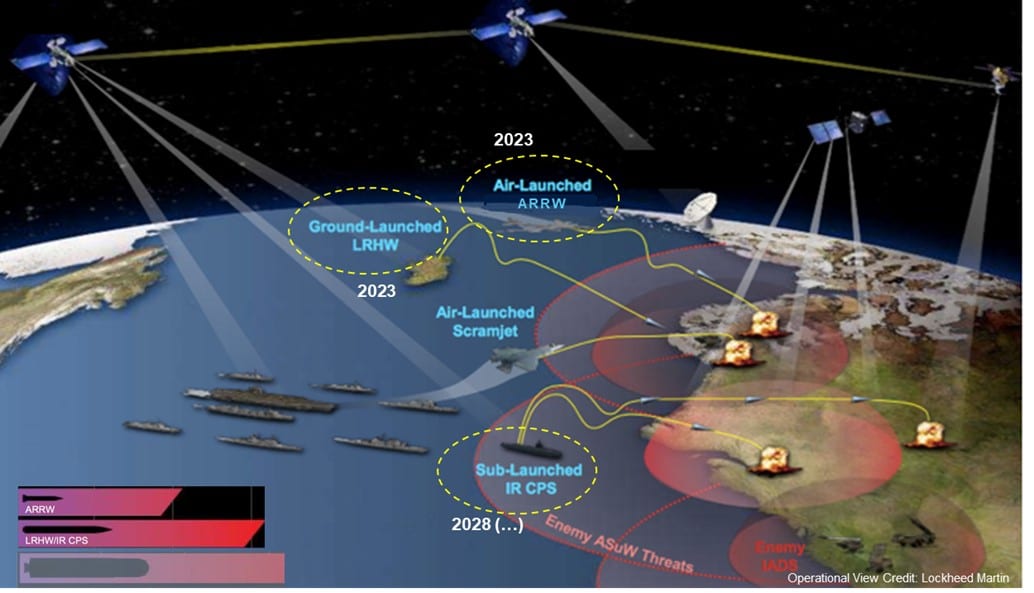
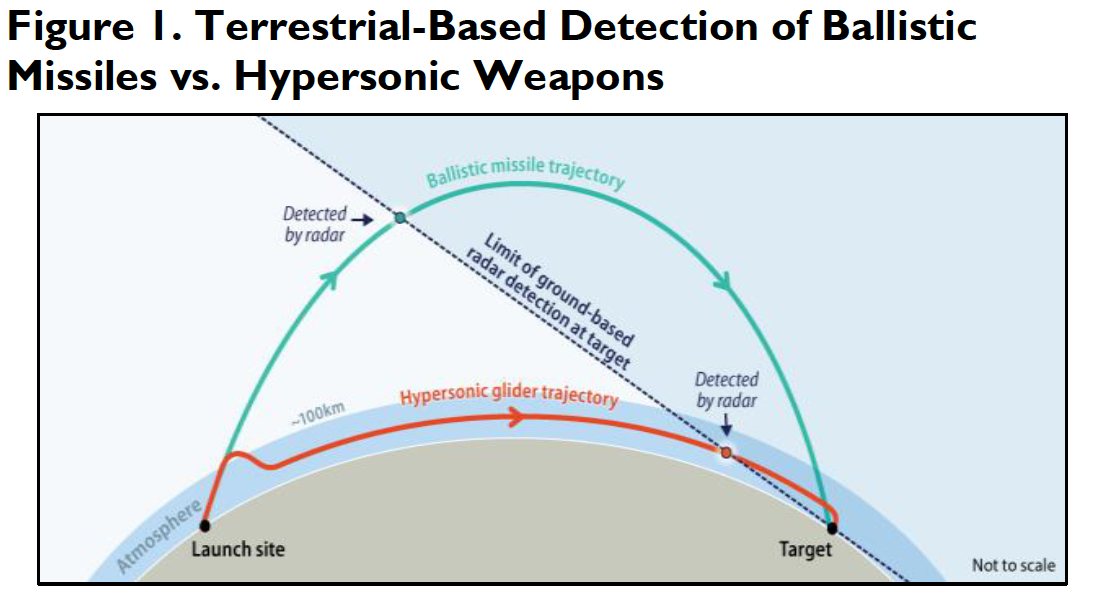


- Iranian Decoy Swarm Technology: Iran's medium-range ballistic missiles (MRBMs), such as the Khorramshahr-4 (Kheibar), feature submunition-dispensing mechanisms that release dozens of decoys at hypersonic velocities during the midcourse or discrimination phase. The Kheibar's 1,500-kg payload allows for multiple objects, building on earlier Fajr-3 designs. Decoys are released precisely timed to coincide with plasma-sheath interference from atmospheric friction, reducing sensor accuracy. They require thermal shielding and robust dispensing to survive reentry without compromise. This creates "track proliferation," where defenses face probabilistic uncertainty—e.g., a 1-in-20 chance of targeting the real warhead, compounded by low interception rates.Impacts on US/Israeli systems:
- Patriot (Terminal Phase): Overloaded by terminal swarms, leading to misses as decoys mimic warheads.
- THAAD (Upper-Atmospheric): Strained by discrimination challenges during atmospheric transition.
- Arrow 3 (Exo-Atmospheric): Faces sensor overload in midcourse, where decoys are hardest to classify.
- Other Developments: Nations like Russia (Avangard) and China (DF-17) integrate similar decoys in hypersonic glide vehicles (HGVs), using inflatable or chaff-based aids to evade radars like the US Long Range Discrimination Radar (LRDR). The LRDR, tested in 2025, aims to distinguish warheads from decoys mid-flight but struggles with hypersonics' maneuvers and jammers.
- Royal Navy's Ancilia System: Developed by Chess Dynamics and SEA, Ancilia is a trainable decoy launcher that counters hypersonics and ballistics by rapidly deploying decoys via a motorized system. It slews to threats in fractions of a second, firing standard 130mm NATO decoys (e.g., Mk 216 RF distraction, Mk 245 IR seduction) without vessel maneuvers. This differs from fixed launchers, which require ship repositioning, making Ancilia faster and more effective in multi-threat scenarios or rough seas. The UK invested £135 million ($170 million) in 2024 for Royal Navy integration.
- US Navy's Nulka and Others: Nulka, a US-Australian hovering decoy, emits warship-like radar signatures to lure radar-guided hypersonics for up to tens of minutes. Combat use in 2025 highlighted needs for longer-endurance versions against barrages. For aircraft, the US Navy's AN/ALQ-260(V) (based on Leonardo's BriteCloud) equips F-35s with expendable decoys mimicking aircraft signatures.
- Rheinmetall's MASS Nova: This naval system launches 3D decoy swarms (3DDS) to counter hypersonics and 5th-generation missiles, using Omni Trap munitions for littoral threats. It includes variants like MASS_OCR (off-board corner reflectors) for enhanced deception.
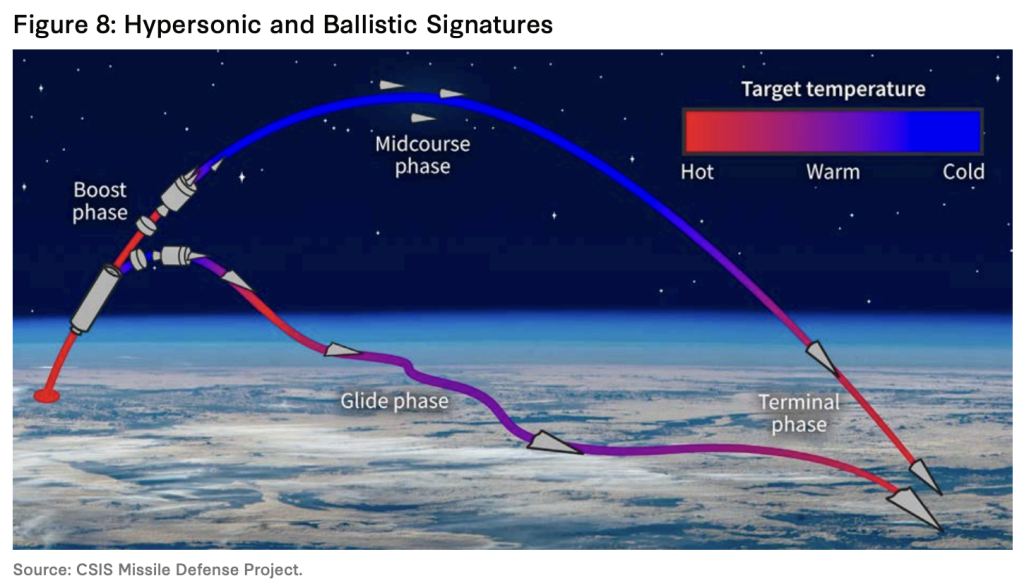
Overview of Hypersonic Missile CountermeasuresHypersonic missiles, traveling at speeds exceeding Mach 5 (over 6,100 km/h), pose significant challenges to traditional missile defense systems due to their high velocity, maneuverability, low-altitude flight paths, and unpredictable trajectories. These weapons combine the speed of ballistic missiles with the agility of cruise missiles, making them difficult to detect, track, and intercept. Countermeasures focus on a layered defense approach, including advanced sensors for early detection, command-and-control systems for rapid response, and effectors like interceptors or directed energy weapons to neutralize threats. As of March 2026, the U.S. and allies are accelerating development amid threats from Russia, China, and others. Detection and Tracking Challenges and SolutionsHypersonic weapons are 10-20 times dimmer than traditional ballistic missiles when viewed from space, and their maneuverability evades ground-based radars optimized for predictable arcs. Key countermeasures emphasize space-based sensors and AI integration:
Interception MethodsCountermeasures target hypersonics in boost, glide, or terminal phases, using kinetic or non-kinetic means:
Challenges and Future DevelopmentsExisting systems like the Ballistic Missile Defense System are insufficient against hypersonics, requiring upgrades for saturation attacks and decoys. Challenges include short reaction times (minutes vs. hours for ballistics) and high costs—interceptors like Patriots struggle with Mach 7-10 speeds. Future efforts include:
- Space Sensor Layers: The Proliferated Warfighter Space Architecture (PWSA) and Space Development Agency (SDA) initiatives deploy constellations of satellites for global tracking, providing fire-control quality data to interceptors. These exploit hypersonics' vulnerabilities, such as aerodynamic heating during glide phases, which generate detectable infrared signatures.
- Advanced Radars and AI: Systems like the Long Range Discrimination Radar (LRDR) use AI to differentiate warheads from decoys in midcourse flight. AI also simulates intercepts and optimizes paths.
- Kinetic Interceptors:
- Glide Phase Interceptor (GPI): Developed by Northrop Grumman and the Missile Defense Agency (MDA), this targets hypersonics during their most vulnerable glide phase. It's integrated into end-to-end kill chains for rapid response.
- AIM-174B (Gunslinger): An air-launched variant of the SM-6 missile, adapted by MDA for hypersonic defense with "area effect" warheads to handle maneuvering threats.
- Aegis Shipboard Terminal (SBT): The only active defense currently fielded against hypersonics, using SM-6 interceptors for terminal-phase engagements.
- Directed Energy Weapons:
- High-Power Lasers: These disable hypersonics by direct hits, disrupting boundary layers, or dazzling sensors. Raytheon and others are advancing heat management for sustained use.
- High-Power Microwaves and Railguns: Non-kinetic options to overload electronics or provide hypervelocity projectiles.
- Soft-Kill Measures: Cyberattacks, such as DDoS, target navigation or flight controls to confuse or disable hypersonics mid-flight.
- Block upgrades for affordability and capacity.
- International collaboration (e.g., with Japan, South Korea) for co-production.
- Reusable hypersonic aircraft and expanded testing infrastructure.
Overall, countermeasures are evolving from reactive to proactive, emphasizing integrated kill webs to maintain deterrence.
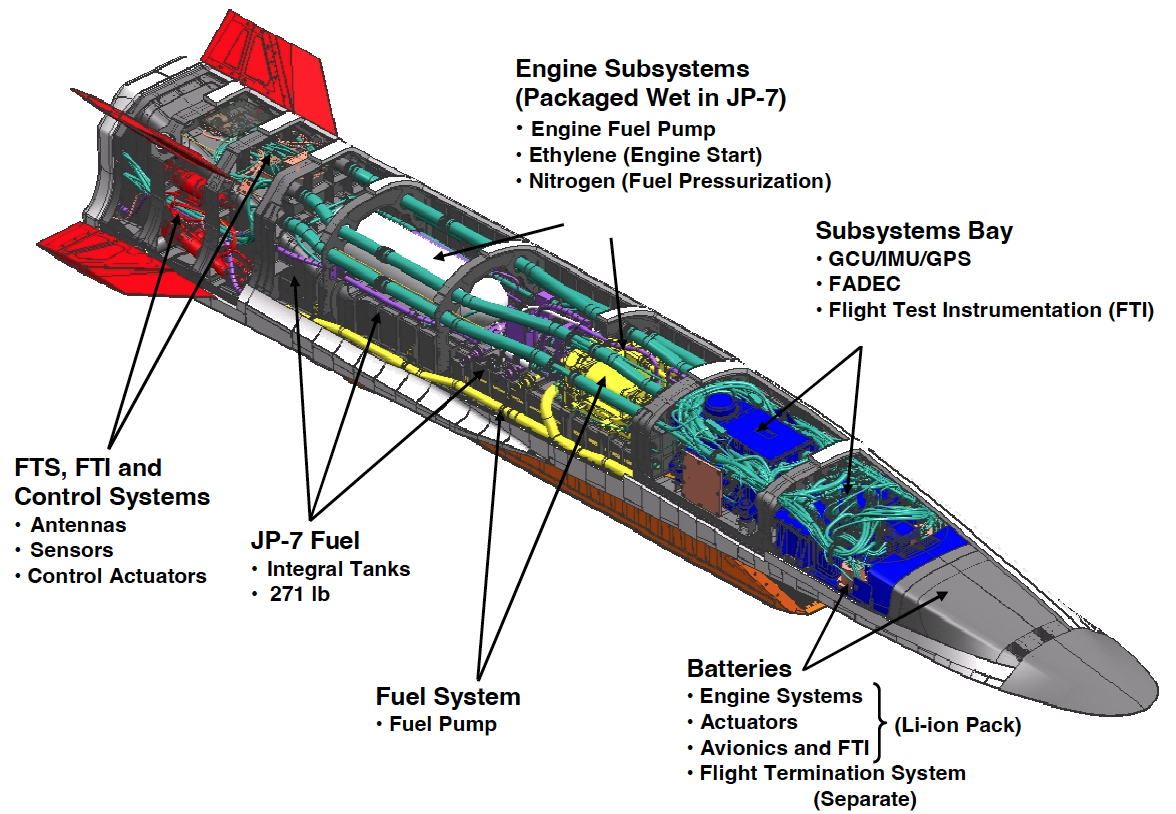
Rethinking Defense: Targeting the Archers in Iran's Hypersonic Missile Onslaught
March 8, 2026
In the escalating conflict between the United States, Israel, and Iran, hypersonic missiles have emerged as a game-changer, challenging traditional defense paradigms. Iran's deployment of advanced systems like the Fattah-2, capable of speeds up to Mach 15 and evasive maneuvers, has underscored the limitations of interception technologies. As videos circulate showing these missiles pounding targets in Tel Aviv and evading air defenses, a new strategic imperative arises: shift from reactive interception to proactive prevention—and ultimately, to dismantling the regime itself.
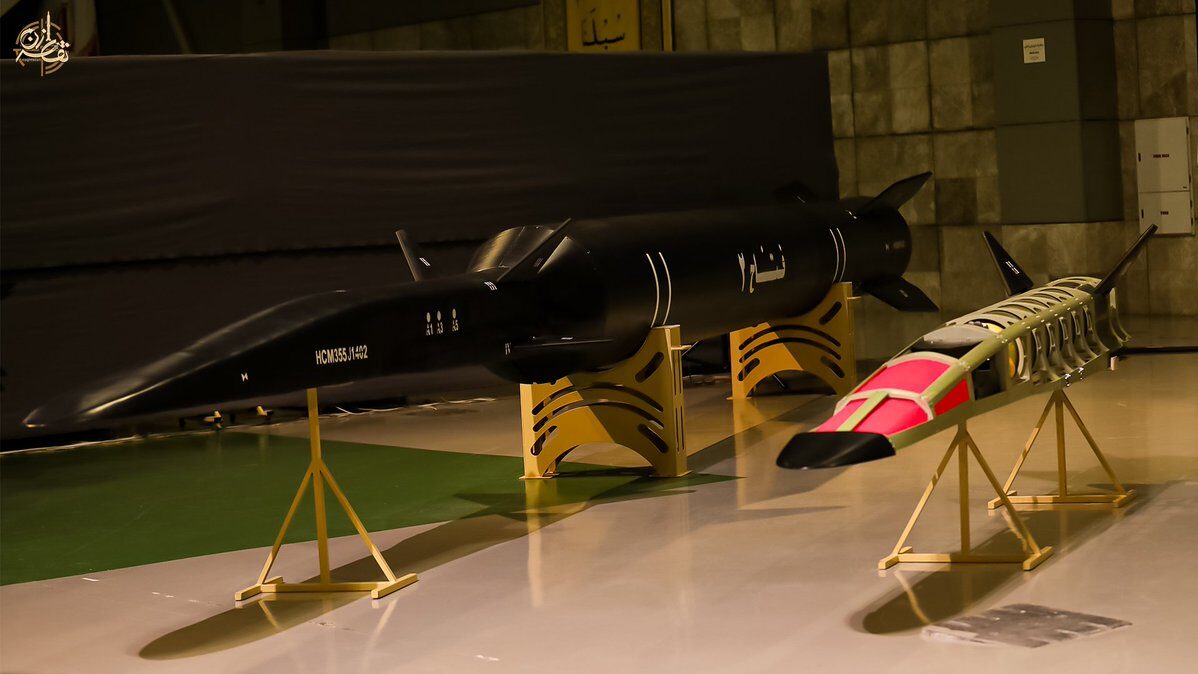
The Elusive Arrows: Why Interception Falls ShortIntercepting hypersonic missiles is notoriously difficult. These weapons, such as Iran's Fattah-1 and Fattah-2, integrate hypersonic glide vehicles that maneuver in flight, maintaining extreme speeds while approaching from unpredictable angles. Reports from the ongoing war indicate that current anti-missile systems, including Israel's Arrow and U.S. Patriot batteries, struggle to counter them effectively. A recent analysis highlights that these glide vehicles perform lateral maneuvers thousands of kilometers above the ground, rendering them "nearly impossible" to intercept.
Iran's Islamic Revolutionary Guard Corps (IRGC) has claimed successful strikes using these missiles against Israeli and U.S. positions, with footage showing barrages streaking across the sky at hypersonic velocities. The Khyber (or Khorramshahr-4) variant, with its 1,500-kg payload, further complicates defenses by potentially deploying decoys or submunitions. As one military report notes, hypersonic systems like the Fattah-2 "revolutionize" Iran's arsenal, challenging regional missile shields and forcing a reevaluation of defensive strategies.
While technological advancements in interceptors continue, the sheer speed and agility of these "arrows" demand a pivot: prevent the launches altogether.Striking the Bows: Targeting Missile InfrastructureA superior approach is to disrupt launches before they occur. Each missile firing reveals critical intelligence about Iran's "missile cities"—underground facilities housing production, storage, and launch sites. In the current war, U.S. and Israeli strikes have degraded Iran's ballistic missile program by 90%, destroying much of its navy and targeting nuclear-related infrastructure. Proactive operations, such as those in June 2025's "Operation Midnight Hammer," have hit assembly lines and command centers, reducing launch frequency dramatically.
By exploiting launch data for precision strikes, adversaries can neutralize these hidden arsenals. This not only curtails immediate threats but also erodes Iran's long-term capabilities, turning offensive actions into opportunities for strategic gains.Aiming at the Archers: The Case for Regime ChangeYet, even infrastructure strikes address only symptoms. The true "archers"—the regime's leadership and command structures—must be targeted to end the cycle. Iran's theocratic government, under figures like the late Ayatollah Ali Khamenei, has prioritized proxy wars, nuclear ambitions, and missile proliferation over domestic prosperity. Removing key decision-makers could precipitate regime collapse, paving the way for a transitional government focused on peace.
Exiled Crown Prince Reza Pahlavi, son of the last Shah, has emerged as a pivotal figure in this vision. In recent interviews, Pahlavi has expressed readiness to lead a transition, advocating for a new constitution and free elections under international oversight. He describes the regime as "on its last leg," weakened by economic sanctions and internal unrest, and calls for U.S. support in fostering democratic change. Pahlavi's plan includes dismantling nuclear and missile programs, ending proxy support, and prioritizing Iran's economic revival—eliminating threats to neighbors like Israel and the Gulf states.

As Pahlavi stated in a February 2026 op-ed, "Radicalism, terrorism, nuclear threat, regional instability ... will evaporate instantly the minute this regime is no longer there." With U.S. President Donald Trump's alignment toward regime change, including strikes that reportedly killed Khamenei, the momentum for such a transition is building. Toward a Prosperous Iran and Stable RegionShifting focus from arrows to archers offers a path to lasting security. A post-regime Iran under transitional leadership could cooperate fully on disarmament, fostering prosperity and regional harmony. As protests intensify and economic pressures mount, the window for change widens. In this hypersonic age, true defense lies not in endless intercepts, but in strategic foresight that ends the threat at its source.
March 8, 2026
In the escalating conflict between the United States, Israel, and Iran, hypersonic missiles have emerged as a game-changer, challenging traditional defense paradigms. Iran's deployment of advanced systems like the Fattah-2, capable of speeds up to Mach 15 and evasive maneuvers, has underscored the limitations of interception technologies. As videos circulate showing these missiles pounding targets in Tel Aviv and evading air defenses, a new strategic imperative arises: shift from reactive interception to proactive prevention—and ultimately, to dismantling the regime itself.
Iran's Islamic Revolutionary Guard Corps (IRGC) has claimed successful strikes using these missiles against Israeli and U.S. positions, with footage showing barrages streaking across the sky at hypersonic velocities. The Khyber (or Khorramshahr-4) variant, with its 1,500-kg payload, further complicates defenses by potentially deploying decoys or submunitions. As one military report notes, hypersonic systems like the Fattah-2 "revolutionize" Iran's arsenal, challenging regional missile shields and forcing a reevaluation of defensive strategies.
While technological advancements in interceptors continue, the sheer speed and agility of these "arrows" demand a pivot: prevent the launches altogether.Striking the Bows: Targeting Missile InfrastructureA superior approach is to disrupt launches before they occur. Each missile firing reveals critical intelligence about Iran's "missile cities"—underground facilities housing production, storage, and launch sites. In the current war, U.S. and Israeli strikes have degraded Iran's ballistic missile program by 90%, destroying much of its navy and targeting nuclear-related infrastructure. Proactive operations, such as those in June 2025's "Operation Midnight Hammer," have hit assembly lines and command centers, reducing launch frequency dramatically.
By exploiting launch data for precision strikes, adversaries can neutralize these hidden arsenals. This not only curtails immediate threats but also erodes Iran's long-term capabilities, turning offensive actions into opportunities for strategic gains.Aiming at the Archers: The Case for Regime ChangeYet, even infrastructure strikes address only symptoms. The true "archers"—the regime's leadership and command structures—must be targeted to end the cycle. Iran's theocratic government, under figures like the late Ayatollah Ali Khamenei, has prioritized proxy wars, nuclear ambitions, and missile proliferation over domestic prosperity. Removing key decision-makers could precipitate regime collapse, paving the way for a transitional government focused on peace.
Exiled Crown Prince Reza Pahlavi, son of the last Shah, has emerged as a pivotal figure in this vision. In recent interviews, Pahlavi has expressed readiness to lead a transition, advocating for a new constitution and free elections under international oversight. He describes the regime as "on its last leg," weakened by economic sanctions and internal unrest, and calls for U.S. support in fostering democratic change. Pahlavi's plan includes dismantling nuclear and missile programs, ending proxy support, and prioritizing Iran's economic revival—eliminating threats to neighbors like Israel and the Gulf states.
As Pahlavi stated in a February 2026 op-ed, "Radicalism, terrorism, nuclear threat, regional instability ... will evaporate instantly the minute this regime is no longer there." With U.S. President Donald Trump's alignment toward regime change, including strikes that reportedly killed Khamenei, the momentum for such a transition is building. Toward a Prosperous Iran and Stable RegionShifting focus from arrows to archers offers a path to lasting security. A post-regime Iran under transitional leadership could cooperate fully on disarmament, fostering prosperity and regional harmony. As protests intensify and economic pressures mount, the window for change widens. In this hypersonic age, true defense lies not in endless intercepts, but in strategic foresight that ends the threat at its source.

