Starlink is now free nationwide across Iran. Thank you, @elonmusk. We the people of Iran will never forget your kindness. ❤️🙏🏻
— Dan Vahdat (@danvahdat) January 13, 2026
Protests in Tehran Jan 13, 2026. Estimates that over 1 Million Iranians are in Tehran tonight demanding the end of the Islamic Regime.
— The Persian Jewess (@persianjewess) January 13, 2026
They are unarmed, and the Regime is intentionally shooting to kill, but they return in bigger numbers each night.
Bravest people alive. 🦁☀️ pic.twitter.com/6A0zMpSWMq
Trump’s Moment: Strike Smart, and Let Iran Liberate Itself
History occasionally presents leaders with moments that do not knock twice. In the unforgiving arena of global politics, President Donald Trump now stands before such a moment with Iran. The window for decisive action is narrowing. Hesitation no longer preserves stability; it compounds tragedy. Yet this is not a call for reckless war or imperial overreach. It is a call for precision, restraint, and moral clarity—action calibrated to empower a people already fighting for their freedom.
In truth, the optimal moment to intervene has already passed. When the death toll from the Islamic Republic’s brutal crackdown crossed 500, the alarm bells should have rung across Washington. Today, as the killings mount into the thousands and mass arrests, executions, and disappearances accelerate, Iran increasingly resembles East Pakistan in 1971—an internally colonized nation convulsing under state terror, moments before Indira Gandhi’s intervention altered the course of history. That intervention did not create Bangladesh; it made its birth inevitable.
Iran has reached a similar inflection point.
Iran Is Not Iraq—and This Is Not 2003
Let us dispense with the most common and paralyzing misconception: Iran is not Iraq. No one—least of all the courageous protesters facing live ammunition in Tehran, Mashhad, Shiraz, and Tabriz—is asking for a foreign occupation or a replay of America’s early-2000s misadventures. The shadow of Iraq has become an excuse for inaction, not a guide for wisdom.
Iran is one of the world’s oldest continuous civilizations, with roots stretching back millennia before Islam. Persian identity, language, and cultural memory long predate the theocratic regime that seized power in 1979. What we are witnessing today is not merely political dissent but civilizational reclamation. These protests are not calls for reform within the Islamic Republic; they are a rejection of it. Women burning hijabs, students chanting against clerical rule, workers striking despite lethal consequences—this is a society shedding an imposed ideology that has suffocated it for nearly half a century.
The regime understands this. That is why it kills.
Fear of Retaliation Is Rational—but Not Disqualifying
Caution from the U.S. military establishment is understandable. Iran possesses credible retaliatory capabilities: ballistic missiles, drone swarms, cyber warfare units, and a web of proxy militias stretching from Lebanon to Yemen. War games and contingency planning are not signs of weakness; they are prerequisites for competence.
But deterrence paralysis is a different thing altogether.
Israel has already demonstrated a viable model. Through sustained intelligence dominance, cyber operations, and highly targeted kinetic strikes, it has degraded Iranian assets without plunging the region into full-scale war. No mass occupation. No regime-installed puppet government. Just precision, superiority, and clarity of purpose. Air power, electronic warfare, and intelligence-led targeting have proven capable of neutralizing even deeply entrenched adversaries.
This is not theory. It is precedent.
The Real Target: The Regime’s Muscles, Not the Nation’s Heart
At the core of Iran’s repression apparatus lie two institutions: the Islamic Revolutionary Guard Corps (IRGC) and the Basij militia. These are not conventional military forces defending national borders. They are ideological enforcers—praetorian guards tasked with crushing dissent, surveilling society, and converting peaceful protest into mass slaughter.
The IRGC controls vast economic empires, weapons depots, intelligence networks, and command centers. The Basij operates as a domestic terror force, embedded in neighborhoods, universities, and workplaces. Together, they form the regime’s muscles and nerves.
Dismantle them, and the regime cannot function.
This is the strategic key: repression collapses when its instruments are removed. No foreign boots need march through Tehran. No occupation authority need govern Iran. Destroy command-and-control nodes, training facilities, logistics hubs, and communications infrastructure—and the machinery of tyranny seizes up. What follows is not chaos but release.
Khamenei and the Endgame of Fear
Supreme Leader Ayatollah Ali Khamenei represents a different problem—and a revealing one. His regime’s escalating cruelty is not a display of strength but of panic. Mass executions, public hangings, torture chambers, and enforced disappearances are the last refuge of illegitimate power. Fear can rule for decades, but it cannot rule forever.
Khamenei does not need to be assassinated. Martyrdom feeds myths; irrelevance kills them. Remove the coercive pillars beneath him, and his authority evaporates. The Islamic Republic is not held together by popular consent or institutional resilience—it is held together by guns pointed inward.
When those guns fall silent, the regime collapses under its own weight.
A Clean Break from Iraq and Afghanistan
This intervention must be the inverse of Iraq and Afghanistan in both philosophy and execution. The guiding principle must be absolute respect for Iranian sovereignty. Sovereignty does not belong to clerics who rule by fear; it belongs to the Iranian people.
Washington must not dictate Iran’s future, its constitution, or its leadership. Its role is far narrower and more defensible: remove the tools of mass repression and step aside. The timing, sequencing, and operational details of such strikes are rightly the domain of Pentagon planners and intelligence professionals—people who have spent years mapping Iran’s security architecture in granular detail.
This is not regime change by occupation. It is regime collapse by subtraction.
Iran Will Not Fall into a Vacuum
One of the great myths propagated by the regime—and often echoed abroad—is that Iran would descend into chaos without clerical rule. The opposite is more likely. Iran possesses a highly educated population, a sophisticated civil society, and a vast diaspora of technocrats, academics, entrepreneurs, and activists ready to assist in reconstruction.
Inside the country, opposition networks already exist despite relentless repression. Outside it, millions of Iranians maintain professional and emotional ties to their homeland. Strike down the IRGC and Basij, and power will flow not to extremists but to those who have waited decades for the chance to rebuild.
Regime change, in this case, would not be imposed. It would emerge—organically, irresistibly, from within.
The Choice Before Trump
President Trump, the hour is unmistakable. History has placed this moment in your hands. Act—not impulsively, but decisively. Target the IRGC and Basij with surgical precision. Protect civilians. Avoid occupation. Empower the Iranian people to finish the work they have already begun.
Do this, and you will not merely avert a humanitarian catastrophe. You will help an ancient civilization rise from beneath a theocracy that never truly represented it. You will be remembered not as the architect of another Middle Eastern war, but as the leader who understood when power must be used—not to dominate, but to liberate.
The world is watching. Deliver smart. Deliver soon.
ट्रंप का क्षण: समझदारी से वार करें, और ईरान को स्वयं को मुक्त करने दें
इतिहास कभी-कभी नेताओं के सामने ऐसे क्षण प्रस्तुत करता है जो दोबारा दस्तक नहीं देते। वैश्विक राजनीति के निर्दयी मंच पर राष्ट्रपति डोनाल्ड ट्रंप आज ईरान के संदर्भ में ऐसे ही एक निर्णायक मोड़ पर खड़े हैं। निर्णायक कार्रवाई की खिड़की तेजी से संकरी होती जा रही है। अब हिचकिचाहट स्थिरता नहीं बचाती—वह त्रासदी को बढ़ाती है। फिर भी यह आवेगपूर्ण युद्ध या साम्राज्यवादी दुस्साहस का आह्वान नहीं है। यह सटीकता, संयम और नैतिक स्पष्टता की मांग है—ऐसी कार्रवाई जो उन लोगों को सशक्त करे जो पहले से ही अपनी आज़ादी के लिए लड़ रहे हैं।
सच तो यह है कि हस्तक्षेप का सबसे उपयुक्त क्षण पहले ही गुजर चुका है। जब इस्लामिक गणराज्य की क्रूर दमनकारी कार्रवाई में मारे गए लोगों की संख्या 500 के पार गई, तब वॉशिंगटन में खतरे की घंटियाँ बज जानी चाहिए थीं। आज, जब मौतों का आंकड़ा हजारों की ओर बढ़ रहा है और सामूहिक गिरफ्तारियाँ, फाँसियाँ और गुमशुदगियाँ तेज हो चुकी हैं, ईरान 1971 के पूर्वी पाकिस्तान जैसा दिखने लगा है—एक ऐसा राष्ट्र जो राज्य आतंक के नीचे सिसक रहा था, ठीक उस समय से पहले जब इंदिरा गांधी के हस्तक्षेप ने इतिहास की दिशा बदल दी थी। उस हस्तक्षेप ने बांग्लादेश को जन्म नहीं दिया; उसने उसके जन्म को अपरिहार्य बना दिया।
ईरान भी आज उसी निर्णायक मोड़ पर खड़ा है।
ईरान, इराक नहीं है—और यह 2003 नहीं है
सबसे पहले उस सबसे आम और पंगु बना देने वाली भ्रांति को दूर करना ज़रूरी है: ईरान, इराक नहीं है। न कोई—और सबसे कम वे साहसी प्रदर्शनकारी जो तेहरान, मशहद, शीराज़ और तबरीज़ की सड़कों पर गोलियों का सामना कर रहे हैं—किसी विदेशी कब्ज़े या 2000 के दशक की शुरुआत की अमेरिकी भूलों की पुनरावृत्ति की मांग कर रहा है। इराक की छाया आज बुद्धिमत्ता की मार्गदर्शक नहीं, बल्कि निष्क्रियता का बहाना बन गई है।
ईरान विश्व की सबसे प्राचीन सतत सभ्यताओं में से एक है, जिसकी जड़ें इस्लाम से हजारों वर्ष पहले तक जाती हैं। फ़ारसी पहचान, भाषा और सांस्कृतिक स्मृति 1979 में सत्ता पर काबिज़ हुए धर्मतांत्रिक शासन से कहीं पुरानी हैं। आज जो हम देख रहे हैं, वह मात्र राजनीतिक असहमति नहीं, बल्कि सभ्यतागत पुनःप्राप्ति है। ये प्रदर्शन इस्लामिक गणराज्य के भीतर सुधार की माँग नहीं हैं; वे उसका पूर्ण निषेध हैं। हिजाब जलाती महिलाएँ, मौलवी शासन के खिलाफ नारे लगाते छात्र, गोलियों के बावजूद हड़ताल करते मज़दूर—यह एक ऐसा समाज है जो लगभग आधी सदी से थोपी गई विचारधारा को झटक रहा है।
शासन इसे भली-भांति समझता है। इसलिए वह हत्या करता है।
प्रतिशोध का भय तर्कसंगत है—लेकिन अयोग्य ठहराने वाला नहीं
अमेरिकी सैन्य नेतृत्व की सतर्कता समझ में आती है। ईरान के पास विश्वसनीय प्रतिशोधी क्षमताएँ हैं: बैलिस्टिक मिसाइलें, ड्रोन झुंड, साइबर युद्ध इकाइयाँ, और लेबनान से यमन तक फैला हुआ प्रॉक्सी मिलिशिया नेटवर्क। युद्ध अभ्यास और आकस्मिक योजना कमजोरी नहीं, बल्कि पेशेवर क्षमता की शर्त हैं।
लेकिन डर के कारण जड़ हो जाना बिल्कुल अलग बात है।
इज़राइल पहले ही एक व्यवहार्य मॉडल प्रस्तुत कर चुका है। सतत खुफिया प्रभुत्व, साइबर अभियानों और अत्यंत लक्षित सैन्य कार्रवाइयों के माध्यम से उसने ईरानी परिसंपत्तियों को कमजोर किया है—बिना पूरे क्षेत्र को पूर्ण युद्ध में झोंके। न कोई बड़े पैमाने पर कब्ज़ा, न कोई कठपुतली सरकार। केवल सटीकता, श्रेष्ठता और उद्देश्य की स्पष्टता। वायु शक्ति, इलेक्ट्रॉनिक युद्ध और खुफिया-आधारित लक्ष्यीकरण ने गहराई से जमे शत्रुओं को भी निष्क्रिय करने की क्षमता सिद्ध की है।
यह सिद्धांत नहीं है। यह मिसाल है।
असली लक्ष्य: राष्ट्र का हृदय नहीं, शासन की मांसपेशियाँ
ईरान की दमनकारी मशीनरी के केंद्र में दो संस्थाएँ हैं: इस्लामिक रिवोल्यूशनरी गार्ड कॉर्प्स (IRGC) और बसीज मिलिशिया। ये सीमाओं की रक्षा करने वाली पारंपरिक सेनाएँ नहीं हैं। ये वैचारिक प्रवर्तनकर्ता हैं—ऐसे प्रेटोरियन गार्ड जिन्हें असहमति कुचलने, समाज पर निगरानी रखने और शांतिपूर्ण विरोध को रक्तपात में बदलने का काम सौंपा गया है।
IRGC विशाल आर्थिक साम्राज्यों, हथियार भंडारों, खुफिया नेटवर्कों और कमांड सेंटरों को नियंत्रित करता है। बसीज घरेलू आतंक बल की तरह काम करता है—पड़ोसों, विश्वविद्यालयों और कार्यस्थलों में गहराई तक घुसा हुआ। मिलकर, ये शासन की मांसपेशियाँ और नसें हैं।
इन्हें ध्वस्त कर दीजिए, और शासन काम करना बंद कर देता है।
यही रणनीतिक कुंजी है: दमन तब ढहता है जब उसके औज़ार हटा दिए जाते हैं। तेहरान की सड़कों पर किसी विदेशी सेना के जूतों की ज़रूरत नहीं। किसी कब्ज़ा प्राधिकरण की भी आवश्यकता नहीं। कमांड-एंड-कंट्रोल नोड्स, प्रशिक्षण केंद्रों, लॉजिस्टिक हब्स और संचार अवसंरचना को नष्ट कीजिए—और अत्याचार की मशीन जाम हो जाती है। उसके बाद अराजकता नहीं, बल्कि मुक्ति आती है।
खामेनेई और भय का अंतिम अध्याय
सुप्रीम लीडर अयातुल्ला अली खामेनेई एक अलग—और खुलासा करने वाली—चुनौती प्रस्तुत करते हैं। उनके शासन की बढ़ती क्रूरता शक्ति का प्रदर्शन नहीं, बल्कि घबराहट का संकेत है। सामूहिक फाँसियाँ, सार्वजनिक लटकाने, यातना कक्ष और जबरन गायब कर देना—ये सभी अवैध सत्ता की अंतिम शरण हैं। भय दशकों तक राज कर सकता है, लेकिन हमेशा नहीं।
खामेनेई की हत्या आवश्यक नहीं है। शहादत मिथकों को जन्म देती है; अप्रासंगिकता उन्हें मार देती है। उनके नीचे की दमनकारी स्तंभों को हटा दीजिए, और उनकी सत्ता अपने-आप वाष्पीकृत हो जाती है। इस्लामिक गणराज्य जन-समर्थन या संस्थागत मजबूती से नहीं टिका है—वह अंदर की ओर तानी गई बंदूकों से टिका है।
जब वे बंदूकें शांत होती हैं, शासन अपने ही भार से ढह जाता है।
इराक और अफ़ग़ानिस्तान से पूर्ण विच्छेद
यह हस्तक्षेप दर्शन और क्रियान्वयन—दोनों में—इराक और अफ़ग़ानिस्तान का उलटा होना चाहिए। मार्गदर्शक सिद्धांत होना चाहिए: हर मोड़ पर ईरानी संप्रभुता का पूर्ण सम्मान। संप्रभुता उन मौलवियों की नहीं है जो भय से शासन करते हैं; वह ईरानी जनता की है।
वॉशिंगटन को ईरान का भविष्य, उसका संविधान या उसका नेतृत्व तय नहीं करना चाहिए। उसकी भूमिका कहीं अधिक सीमित और नैतिक रूप से ठोस है: सामूहिक दमन के औज़ार हटाना और फिर पीछे हट जाना। ऐसे हमलों का समय, क्रम और संचालन विवरण—यह सब पेंटागन और खुफिया पेशेवरों का क्षेत्र है, जिन्होंने वर्षों से ईरान की सुरक्षा संरचना को सूक्ष्म स्तर पर मैप किया है।
यह कब्ज़े द्वारा शासन परिवर्तन नहीं है। यह घटाव द्वारा शासन पतन है।
ईरान किसी शून्य में नहीं गिरेगा
शासन द्वारा फैलाया गया—और अक्सर बाहर भी दोहराया जाने वाला—एक बड़ा मिथक यह है कि मौलवी शासन के बिना ईरान अराजकता में डूब जाएगा। वास्तविकता इसके उलट है। ईरान के पास उच्च शिक्षित जनसंख्या, परिष्कृत नागरिक समाज, और तकनीकी विशेषज्ञों, शिक्षाविदों, उद्यमियों और कार्यकर्ताओं से भरा विशाल प्रवासी समुदाय है, जो पुनर्निर्माण के लिए तैयार है।
देश के भीतर, भयानक दमन के बावजूद, विपक्षी नेटवर्क मौजूद हैं। देश के बाहर, लाखों ईरानी अपने वतन से पेशेवर और भावनात्मक रूप से जुड़े हुए हैं। IRGC और बसीज को गिराइए, और सत्ता किसी कट्टरपंथी के हाथों में नहीं जाएगी—बल्कि उन लोगों के पास पहुँचेगी जिन्होंने दशकों से देश को फिर से बनाने के अवसर की प्रतीक्षा की है।
इस मामले में शासन परिवर्तन थोपा नहीं जाएगा। वह उभरेगा—स्वाभाविक रूप से, अवश्यंभावी रूप से, भीतर से।
ट्रंप के सामने विकल्प
राष्ट्रपति ट्रंप, यह घड़ी अब पूरी तरह स्पष्ट है। इतिहास ने यह क्षण आपके हाथों में सौंपा है। कार्रवाई कीजिए—आवेग से नहीं, बल्कि दृढ़ता से। IRGC और बसीज को सर्जिकल सटीकता से निशाना बनाइए। नागरिकों की रक्षा कीजिए। कब्ज़े से बचिए। ईरानी जनता को वह काम पूरा करने दीजिए जिसे उन्होंने पहले ही शुरू कर दिया है।
यदि आप ऐसा करते हैं, तो आप केवल एक मानवीय आपदा को टालेंगे ही नहीं। आप एक प्राचीन सभ्यता को उस धर्मतंत्र के मलबे से उठने में मदद करेंगे जिसने कभी वास्तव में उसका प्रतिनिधित्व नहीं किया। आपको एक और मध्य-पूर्वी युद्ध के शिल्पकार के रूप में नहीं, बल्कि उस नेता के रूप में याद किया जाएगा जिसने समझा कि शक्ति का उपयोग कब आवश्यक है—राज करने के लिए नहीं, बल्कि मुक्त करने के लिए।
दुनिया देख रही है। समझदारी से दीजिए। शीघ्र दीजिए।
Indira Gandhi’s 1971 Intervention: How Bangladesh Was Liberated—and South Asia Rewritten
History rarely offers clean moral choices, but in 1971 it presented India—and Prime Minister Indira Gandhi—with a convergence of humanitarian catastrophe and strategic opportunity so stark that inaction itself became a decision. What followed was one of the most decisive military interventions of the 20th century: the Indo-Pakistani War of 1971, which ended Pakistan’s control over its eastern wing, gave birth to Bangladesh, and permanently altered the balance of power in South Asia.
Often remembered as a humanitarian intervention prompted by genocide and a refugee crisis, India’s actions were also a masterclass in strategic statecraft. Gandhi did not merely respond to events; she shaped them—patiently, deliberately, and with an acute understanding of history’s tides.
A Nation Split in Two—And Pulled Apart
The seeds of the crisis were planted at Pakistan’s creation in 1947. The country was born bifurcated: West Pakistan and East Pakistan separated by more than 1,000 miles of Indian territory, bound together by religion but divided by language, culture, economics, and power.
East Pakistan was overwhelmingly Bengali-speaking, culturally distinct, and consistently marginalized by the Urdu-dominant political and military elite in the west. Economic exploitation was systemic; political representation was cosmetic. When Pakistan held its first truly national elections in 1970, the verdict was unambiguous: Sheikh Mujibur Rahman’s Awami League won an outright majority, entitling it to govern all of Pakistan.
The military junta in West Pakistan refused to accept the result.
On the night of March 25, 1971, the Pakistani army launched Operation Searchlight, a campaign of terror aimed at decapitating Bengali nationalism. Universities were stormed, intellectuals executed, villages razed, women raped, and Hindu minorities specifically targeted. Death toll estimates range from 300,000 to over 3 million, making it one of the worst mass atrocities since World War II.
This was not counterinsurgency. It was collective punishment.
The Refugee Flood That Broke the Dam
Violence on this scale does not stay confined. By mid-1971, nearly 10 million refugees—men, women, and children—had poured into India, overwhelming border states like West Bengal, Tripura, and Assam. Camps mushroomed overnight. Disease spread. Food supplies thinned. India, itself a poor country, was suddenly absorbing a population equivalent to a small nation.
The humanitarian crisis became an economic one—and then a strategic one. Maintaining refugees indefinitely was unsustainable. As some Indian planners bluntly concluded, intervention would cost less than permanent relief.
Meanwhile, inside East Pakistan, resistance coalesced.
The Mukti Bahini and the Shadow War
Bengali nationalists formed the Mukti Bahini, a guerrilla force that began sabotaging Pakistani supply lines, communications, and infrastructure. India moved quietly but decisively. By May 1971, New Delhi—through its newly created intelligence agency, the Research and Analysis Wing (RAW)—was training, arming, and coordinating with the resistance.
This was a classic hybrid strategy before the term existed: insurgency by proxy, intelligence dominance, and diplomatic preparation—while the regular army waited.
India was softening the battlefield long before the first tank crossed the border.
Indira Gandhi: Patience as Power
Indira Gandhi’s leadership during the crisis was defined not by haste, but by timing. She understood that wars are not won merely on battlefields; they are won in capitals, alliances, and calendars.
In July 1971, she publicly referred to East Pakistan as “Bangladesh,” signaling moral recognition before formal recognition. She then embarked on a diplomatic tour of Western capitals, confronting leaders with evidence of genocide and the refugee catastrophe. While sympathy was uneven—particularly in Washington—she succeeded in reframing the conflict globally as a moral crisis, not a regional squabble.
At home, Gandhi accepted a hard truth: war was inevitable.
But she would fight it on her terms.
Army Chief General Sam Manekshaw advised waiting until December. The monsoon would subside. Rivers would recede. Troops could be positioned. Supplies stockpiled. Gandhi listened. In the interim, covert operations continued to bleed Pakistani forces in the east.
When U.S. President Richard Nixon and Henry Kissinger openly tilted toward Pakistan—seeing it as a conduit to China—Gandhi countered with a bold diplomatic stroke: the Indo-Soviet Treaty of Peace, Friendship, and Cooperation in August 1971. It effectively neutralized the threat of Chinese intervention and constrained American escalation.
India had secured its rear before striking.
Thirteen Days That Changed History
Pakistan fired the first overt shot on December 3, 1971, launching preemptive air strikes against Indian airfields. The move backfired spectacularly. India now had casus belli—and international legitimacy.
Indian forces advanced rapidly into East Pakistan, executing a joint campaign with the Mukti Bahini. Air superiority was achieved within days. The Indian Navy blockaded the Bay of Bengal, cutting off reinforcements and supplies. Pakistani units were isolated, demoralized, and surrounded.
The war lasted just 13 days.
On December 16, 1971, Lieutenant General A.A.K. Niazi surrendered in Dhaka. Over 93,000 Pakistani soldiers became prisoners of war—the largest surrender since World War II.
Bangladesh was born.
Cold War Chess on a South Asian Board
The conflict unfolded against the backdrop of Cold War rivalry. The United States dispatched the USS Enterprise to the Bay of Bengal in a symbolic show of support for Pakistan. The Soviet Union countered diplomatically and militarily, ensuring the conflict did not widen.
India had maneuvered between superpowers with remarkable dexterity—extracting strategic autonomy long before the phrase became fashionable.
Consequences That Still Echo
The war’s outcomes were profound:
Pakistan was permanently weakened, losing half its population and much of its strategic leverage.
India emerged as South Asia’s dominant power, militarily and politically.
Bangladesh began its journey as an independent nation, though not without immense post-war challenges.
Casualties were staggering. India lost roughly 3,900 soldiers, Pakistan about 9,000, while civilian deaths in East Pakistan ranged from hundreds of thousands to millions.
Indira Gandhi’s reputation was transformed. To supporters, she became the architect of liberation and a symbol of decisive leadership. To critics, the intervention raised enduring questions about the blurred line between humanitarian action and strategic ambition.
Both interpretations contain truth.
The Enduring Lesson of 1971
December 16 is celebrated as Vijay Diwas in India and Victory Day in Bangladesh—a shared marker of liberation achieved through sacrifice and strategy.
The deeper lesson of 1971 is not that power should always intervene, but that when moral catastrophe and national interest align, hesitation can be the most dangerous choice of all. Indira Gandhi recognized that history does not reward those who wait for perfect consensus. It rewards those who understand when the moment has arrived—and act before it passes.
In 1971, India did not merely win a war. It redrew a map, reshaped a region, and demonstrated that restraint, when paired with resolve, can be as formidable as force.
इंदिरा गांधी का 1971 हस्तक्षेप: कैसे बांग्लादेश मुक्त हुआ—और दक्षिण एशिया का मानचित्र बदल गया
इतिहास शायद ही कभी स्पष्ट नैतिक विकल्प प्रस्तुत करता है, लेकिन 1971 में उसने भारत—और प्रधानमंत्री इंदिरा गांधी—के सामने मानवीय आपदा और रणनीतिक अवसर का ऐसा संगम रखा कि निष्क्रियता स्वयं एक निर्णय बन गई। इसके बाद जो हुआ, वह 20वीं सदी के सबसे निर्णायक सैन्य हस्तक्षेपों में से एक था: 1971 का भारत–पाकिस्तान युद्ध, जिसने पाकिस्तान के पूर्वी हिस्से पर उसका नियंत्रण समाप्त किया, बांग्लादेश को जन्म दिया और दक्षिण एशिया में शक्ति संतुलन को स्थायी रूप से बदल दिया।
अक्सर इस हस्तक्षेप को नरसंहार और शरणार्थी संकट से प्रेरित मानवीय कार्रवाई के रूप में याद किया जाता है, लेकिन भारत के कदम उतने ही रणनीतिक राज्यकौशल का उदाहरण भी थे। इंदिरा गांधी ने केवल घटनाओं पर प्रतिक्रिया नहीं दी—उन्होंने उन्हें आकार दिया, धैर्यपूर्वक, योजनाबद्ध तरीके से और इतिहास की लय की गहरी समझ के साथ।
दो हिस्सों में बँटा देश—और भीतर से टूटता हुआ
इस संकट के बीज 1947 में पाकिस्तान की स्थापना के समय ही बो दिए गए थे। देश दो भौगोलिक रूप से अलग हिस्सों में जन्मा: पश्चिमी पाकिस्तान और पूर्वी पाकिस्तान, जिनके बीच भारत का 1,000 मील से अधिक क्षेत्र था। धर्म ने उन्हें जोड़ा, लेकिन भाषा, संस्कृति, अर्थव्यवस्था और सत्ता ने उन्हें अलग कर दिया।
पूर्वी पाकिस्तान मुख्यतः बंगाली भाषी था—सांस्कृतिक रूप से विशिष्ट और पश्चिम में बैठे उर्दू-प्रधान राजनीतिक व सैन्य अभिजात वर्ग द्वारा लगातार हाशिए पर रखा गया। आर्थिक शोषण व्यवस्था में रचा-बसा था; राजनीतिक प्रतिनिधित्व केवल दिखावा। जब 1970 में पाकिस्तान ने अपने पहले वास्तविक राष्ट्रीय चुनाव कराए, तो जनादेश स्पष्ट था: शेख मुजीबुर रहमान के नेतृत्व में अवामी लीग ने पूर्ण बहुमत हासिल किया और पूरे पाकिस्तान पर शासन करने का अधिकार पाया।
पश्चिम पाकिस्तान की सैन्य जुंटा ने इस परिणाम को मानने से इनकार कर दिया।
25 मार्च 1971 की रात पाकिस्तानी सेना ने ऑपरेशन सर्चलाइट शुरू किया—बंगाली राष्ट्रवाद की रीढ़ तोड़ने के उद्देश्य से आतंक का अभियान। विश्वविद्यालयों पर हमले हुए, बुद्धिजीवियों को मार दिया गया, गाँव जला दिए गए, महिलाओं के साथ सामूहिक बलात्कार हुए और हिंदू अल्पसंख्यकों को विशेष रूप से निशाना बनाया गया। मृत्यु का अनुमान 3 लाख से लेकर 30 लाख से अधिक तक है—द्वितीय विश्व युद्ध के बाद के सबसे भयावह नरसंहारों में से एक।
यह विद्रोह-रोधी अभियान नहीं था। यह सामूहिक दंड था।
शरणार्थियों की बाढ़ जिसने बाँध तोड़ दिया
इतनी व्यापक हिंसा सीमाओं में कैद नहीं रहती। 1971 के मध्य तक लगभग एक करोड़ शरणार्थी—पुरुष, महिलाएँ और बच्चे—भारत में प्रवेश कर चुके थे, जिससे पश्चिम बंगाल, त्रिपुरा और असम जैसे सीमावर्ती राज्य चरम दबाव में आ गए। रातों-रात शिविर खड़े हो गए। बीमारियाँ फैलीं। खाद्य आपूर्ति चरमराने लगी। स्वयं एक गरीब देश भारत अचानक एक छोटे राष्ट्र जितनी आबादी का बोझ उठा रहा था।
मानवीय संकट आर्थिक संकट बना—और फिर रणनीतिक संकट। शरणार्थियों को अनिश्चित काल तक संभालना असंभव था। जैसा कि कुछ भारतीय योजनाकारों ने साफ कहा, स्थायी राहत की तुलना में हस्तक्षेप कम खर्चीला होगा।
इसी बीच, पूर्वी पाकिस्तान के भीतर प्रतिरोध संगठित होने लगा।
मुक्ति वाहिनी और छाया युद्ध
बंगाली राष्ट्रवादियों ने मुक्ति वाहिनी का गठन किया—एक गुरिल्ला बल जिसने पाकिस्तानी आपूर्ति लाइनों, संचार और बुनियादी ढाँचे पर हमले शुरू किए। भारत ने चुपचाप लेकिन निर्णायक रूप से कदम उठाया। मई 1971 तक, नई दिल्ली—अपनी नवगठित खुफिया एजेंसी रिसर्च एंड एनालिसिस विंग (RAW) के माध्यम से—प्रतिरोध बलों को प्रशिक्षण, हथियार और समन्वय प्रदान कर रही थी।
यह आधुनिक शब्दों में कहें तो एक हाइब्रिड रणनीति थी—प्रॉक्सी विद्रोह, खुफिया प्रभुत्व और कूटनीतिक तैयारी—जबकि नियमित सेना प्रतीक्षा कर रही थी।
पहला टैंक सीमा पार करने से बहुत पहले भारत युद्धभूमि को नरम कर चुका था।
इंदिरा गांधी: शक्ति के रूप में धैर्य
इस संकट में इंदिरा गांधी का नेतृत्व जल्दबाज़ी नहीं, बल्कि समय-साधना से परिभाषित होता है। वह जानती थीं कि युद्ध केवल रणभूमि में नहीं जीते जाते; वे राजधानियों, गठबंधनों और कैलेंडरों में भी जीते जाते हैं।
जुलाई 1971 में उन्होंने सार्वजनिक रूप से पूर्वी पाकिस्तान को “बांग्लादेश” कहा—औपचारिक मान्यता से पहले नैतिक मान्यता का संकेत। इसके बाद उन्होंने पश्चिमी राजधानियों का दौरा किया, नरसंहार और शरणार्थी संकट के प्रमाणों के साथ नेताओं का सामना किया। सहानुभूति असमान थी—विशेषकर वॉशिंगटन में—लेकिन उन्होंने संघर्ष को वैश्विक स्तर पर एक नैतिक संकट के रूप में पुनर्परिभाषित करने में सफलता पाई, न कि केवल क्षेत्रीय विवाद के रूप में।
देश के भीतर, गांधी ने एक कठोर सत्य स्वीकार किया: युद्ध अपरिहार्य था।
लेकिन वह इसे अपनी शर्तों पर लड़ेंगी।
सेना प्रमुख जनरल सैम मानेकशॉ ने दिसंबर तक प्रतीक्षा की सलाह दी। मानसून समाप्त हो जाता, नदियाँ उतर जातीं, सैनिकों की तैनाती और आपूर्ति का समय मिल जाता। गांधी ने सलाह मानी। इस बीच, गुप्त अभियानों ने पूर्व में पाकिस्तानी बलों को लगातार कमजोर किया।
जब अमेरिकी राष्ट्रपति रिचर्ड निक्सन और हेनरी किसिंजर खुले तौर पर पाकिस्तान की ओर झुके—उसे चीन तक पहुँच का माध्यम मानते हुए—गांधी ने एक साहसिक कूटनीतिक कदम उठाया: अगस्त 1971 में भारत–सोवियत शांति, मैत्री और सहयोग संधि पर हस्ताक्षर। इसने चीन के हस्तक्षेप की संभावना को निष्प्रभावी किया और अमेरिकी विस्तार को सीमित कर दिया।
भारत ने वार से पहले अपनी पीठ सुरक्षित कर ली थी।
तेरह दिन जिन्होंने इतिहास बदल दिया
3 दिसंबर 1971 को पाकिस्तान ने पहला खुला प्रहार किया—भारतीय हवाई अड्डों पर पूर्व-नियोजित हवाई हमले। यह कदम उलटा पड़ गया। भारत को अब युद्ध का स्पष्ट कारण और अंतरराष्ट्रीय वैधता मिल गई।
भारतीय सेनाएँ तेजी से पूर्वी पाकिस्तान में आगे बढ़ीं, मुक्ति वाहिनी के साथ समन्वय में। कुछ ही दिनों में वायु प्रभुत्व स्थापित हो गया। भारतीय नौसेना ने बंगाल की खाड़ी में नाकाबंदी कर दी, जिससे पाकिस्तानी आपूर्ति और सुदृढीकरण कट गए। पाकिस्तानी इकाइयाँ अलग-थलग, हतोत्साहित और घिर चुकी थीं।
युद्ध केवल 13 दिन चला।
16 दिसंबर 1971 को ढाका में लेफ्टिनेंट जनरल ए.ए.के. नियाज़ी ने आत्मसमर्पण किया। 93,000 से अधिक पाकिस्तानी सैनिक युद्धबंदी बने—द्वितीय विश्व युद्ध के बाद का सबसे बड़ा आत्मसमर्पण।
बांग्लादेश का जन्म हुआ।
दक्षिण एशियाई शतरंज पर शीत युद्ध
यह संघर्ष शीत युद्ध की पृष्ठभूमि में लड़ा गया। अमेरिका ने पाकिस्तान के समर्थन में यूएसएस एंटरप्राइज़ को बंगाल की खाड़ी में भेजा—एक प्रतीकात्मक शक्ति प्रदर्शन। सोवियत संघ ने कूटनीतिक और सैन्य स्तर पर संतुलन बनाया, जिससे संघर्ष का विस्तार नहीं हुआ।
भारत ने महाशक्तियों के बीच असाधारण कौशल से संतुलन साधा—रणनीतिक स्वायत्तता का अभ्यास तब, जब यह शब्द प्रचलन में भी नहीं था।
परिणाम जो आज भी गूंजते हैं
युद्ध के परिणाम गहरे और दूरगामी थे:
पाकिस्तान स्थायी रूप से कमजोर हुआ, अपनी आधी आबादी और रणनीतिक बढ़त खो बैठा।
भारत दक्षिण एशिया की प्रमुख शक्ति बनकर उभरा, सैन्य और राजनीतिक दोनों रूपों में।
बांग्लादेश ने एक स्वतंत्र राष्ट्र के रूप में अपनी यात्रा शुरू की, यद्यपि उसे युद्धोत्तर गंभीर चुनौतियों का सामना करना पड़ा।
क्षति अत्यंत भारी थी। भारत के लगभग 3,900 सैनिक, पाकिस्तान के करीब 9,000 सैनिक मारे गए, जबकि पूर्वी पाकिस्तान में नागरिक मृतकों की संख्या लाखों में थी।
इंदिरा गांधी की छवि पूरी तरह बदल गई। समर्थकों के लिए वह मुक्ति की शिल्पकार और निर्णायक नेतृत्व की प्रतीक बनीं। आलोचकों के लिए यह हस्तक्षेप मानवीय कार्रवाई और रणनीतिक महत्वाकांक्षा के बीच की धुंधली रेखा का उदाहरण बना।
दोनों आकलनों में सत्य है।
1971 का स्थायी सबक
16 दिसंबर को भारत में विजय दिवस और बांग्लादेश में विजय दिवस (स्वतंत्रता की विजय) के रूप में मनाया जाता है—बलिदान और रणनीति से प्राप्त मुक्ति का साझा स्मरण।
1971 का गहरा सबक यह नहीं है कि शक्ति को हमेशा हस्तक्षेप करना चाहिए, बल्कि यह है कि जब नैतिक आपदा और राष्ट्रीय हित एक साथ आ जाएँ, तब हिचकिचाहट सबसे खतरनाक विकल्प बन जाती है। इंदिरा गांधी ने समझा कि इतिहास पूर्ण सहमति की प्रतीक्षा करने वालों को पुरस्कार नहीं देता। वह उन्हें याद रखता है जो पहचानते हैं कि क्षण आ चुका है—और उसके बीतने से पहले कार्रवाई करते हैं।
1971 में भारत ने केवल एक युद्ध नहीं जीता। उसने एक मानचित्र बदला, एक क्षेत्र को नया आकार दिया और यह दिखाया कि जब संयम को संकल्प के साथ जोड़ा जाए, तो वह स्वयं शक्ति जितना ही प्रभावशाली हो सकता है।
Iran’s Berlin Wall: A Global Reckoning With Islamist Terrorism
As Iran’s streets erupt in defiance, a powerful refrain echoes from the Iranian diaspora: this is Iran’s Berlin Wall moment. Few voices have articulated this framing more forcefully than Brooklyn-based Iranian activist Masih Alinejad, who has described the current uprising not merely as a national revolt, but as a turning point with global consequences.
“This is our Berlin Wall,” Alinejad declared in a recent interview, capturing a historic inflection point—a people attempting to tear down a structure of fear that has stood for more than four decades. As protests surged into their second week in early 2026, with dozens killed, thousands injured, and countless more arrested, demonstrators openly chanted against Supreme Leader Ayatollah Ali Khamenei, demanding the end of clerical rule. What is unfolding is not a routine cycle of dissent. It is a confrontation with the ideological architecture of Islamist authoritarianism itself.
This is not just Iran’s struggle. It is the world’s reckoning.
The Wall No One Was Allowed to See
The Berlin Wall did not merely divide a city; it exposed a system’s fear of its own people. In the same way, Iran’s compulsory hijab laws, morality police, and omnipresent surveillance constitute a wall of repression—less visible than concrete and barbed wire, but no less suffocating. Alinejad has repeatedly drawn this comparison, from speeches in Berlin commemorating the Wall’s anniversary to urgent appeals on global platforms.
“Iranian women are tearing it down with their hair, their courage, and their dance,” she has said—an image as poetic as it is revolutionary. What began as defiance against forced veiling has metastasized into a broader civilizational revolt. Each strand of uncovered hair, each banned song played in public, each dance filmed and shared is a hammer strike against a regime that governs by humiliation.
In 1989, the collapse of the Berlin Wall triggered a domino effect across Eastern Europe. Communist regimes did not fall because they were negotiated out of existence; they fell because their legitimacy evaporated. Iran now stands at a similar precipice.
Why Iran’s Wall Matters to the World
Iran’s uprising transcends national borders because the Islamic Republic is not a normal authoritarian state. Since the 1979 revolution, Tehran has perfected a model of state-sponsored terrorism—exporting ideology, violence, and instability far beyond its borders. The regime’s fingerprints are unmistakable: Hezbollah in Lebanon, Hamas in Gaza, the Houthis in Yemen, Shiite militias in Iraq and Syria. These are not independent actors; they are nodes in a network managed, funded, trained, and armed by Iran’s Islamic Revolutionary Guard Corps (IRGC).
This system has shaped Middle Eastern conflict for over four decades. Suicide bombings, rocket wars, hostage-taking, assassinations abroad, cyber warfare—these tactics did not emerge spontaneously. They were institutionalized.
As Alinejad has warned, the fall of Khamenei’s regime would not merely free 88 million Iranians; it would starve extremist networks of oxygen. Proxy militias deprived of funding and direction would weaken. Long-running conflicts—from Yemen to Gaza—could enter fundamentally new phases. The ideological engine that normalizes “martyrdom” over life itself would sputter.
This is why Iran’s Berlin Wall matters more, not less, than the original.
The Domino Effect of Regime Collapse
History suggests authoritarian systems rarely fall in isolation. The Soviet collapse reshaped Eastern Europe. Apartheid’s end reverberated across Africa. If Iran’s theocracy crumbles, its shockwaves could reach Syria, Iraq, Lebanon, and beyond—even non-Islamist autocracies watching closely from afar.
Alinejad has pointed to symbolic but insufficient steps already taken, such as the European Parliament barring Iranian representatives. But symbolism must evolve into strategy: expelling regime diplomats, freezing assets, designating the IRGC as a terrorist organization, and isolating Tehran diplomatically.
“When that wall of Khamenei falls,” she has argued, “its consequences will be far greater than the fall of the Berlin Wall.” It is a bold claim—but not an implausible one. Unlike East Germany, Iran sits at the crossroads of global energy markets, regional wars, and ideological movements that span continents.
The Cost of Silence
Skeptics warn that external pressure risks escalation. History offers a harsher verdict on passivity. The Berlin Wall did not fall because the free world remained quiet; it fell because sustained political, economic, and moral pressure made its existence untenable.
Today, as Iran’s regime imposes internet blackouts, accelerates executions, and hunts protesters street by street, the silence from Western capitals is conspicuous. Protesters are not asking for foreign occupation. They are asking for alignment—for the democratic world to stop legitimizing their jailers.
“Millions of Iranians are asking President Trump to intervene,” Alinejad has said plainly. The comparison to Ronald Reagan is deliberate. Reagan did not invade the Soviet Union; he isolated it, pressured it, and delegitimized it until the system cracked.
A similar approach—targeted strikes on IRGC infrastructure, coordinated sanctions, diplomatic isolation, and information warfare—could tilt the balance without repeating the errors of Iraq or Afghanistan.
A Wall Either Falls—or Grows Taller
The Ayatollah’s regime did not merely participate in Islamist terrorism; it authored its most influential playbook. Its survival emboldens extremists everywhere. Its collapse would mark the most significant ideological defeat for political Islamism since its rise in 1979.
Walls do not fall on their own. They fall when enough people push—and when the outside world stops reinforcing them through fear, trade, and indifference.
Iran’s Berlin Wall is cracking. The question is not whether history is knocking. It is whether the world will answer—or look away as the wall grows taller, bloodier, and harder to dismantle.
The warning has been issued. The moment has arrived.
ईरान की बर्लिन दीवार: इस्लामी आतंकवाद के साथ वैश्विक टकराव
जैसे-जैसे ईरान की सड़कों पर विद्रोह की आग फैल रही है, प्रवासी ईरानी समुदाय से एक गूंजती हुई पुकार सुनाई देती है: यह ईरान का बर्लिन दीवार क्षण है। बहुत कम लोगों ने इस क्षण को इतनी स्पष्टता और दृढ़ता से परिभाषित किया है जितना कि ब्रुकलिन-आधारित ईरानी कार्यकर्ता मसीह अलीनेजाद ने। उनके अनुसार, यह उभार केवल एक राष्ट्रीय विद्रोह नहीं है, बल्कि वैश्विक परिणामों वाला ऐतिहासिक मोड़ है।
“यह हमारी बर्लिन दीवार है,” अलीनेजाद ने हालिया साक्षात्कार में कहा—एक ऐसे क्षण को रेखांकित करते हुए जब एक राष्ट्र चार दशकों से खड़ी भय की संरचना को गिराने का प्रयास कर रहा है। 2026 की शुरुआत में, जब प्रदर्शन दूसरे सप्ताह में प्रवेश कर चुके थे, दर्जनों लोग मारे जा चुके थे, हज़ारों घायल थे और अनगिनत गिरफ्तारियाँ हो चुकी थीं। सड़कों पर प्रदर्शनकारी सीधे सर्वोच्च नेता अयातुल्ला अली खामेनेई के विरुद्ध नारे लगा रहे थे और मौलवी शासन के अंत की माँग कर रहे थे। यह केवल असंतोष की एक और लहर नहीं है। यह इस्लामी अधिनायकवाद की वैचारिक नींव से सीधी टक्कर है।
यह सिर्फ़ ईरान की लड़ाई नहीं है। यह पूरी दुनिया का हिसाब-किताब है।
वह दीवार जिसे देखने की अनुमति नहीं थी
बर्लिन दीवार ने सिर्फ़ एक शहर को नहीं बाँटा था; उसने एक व्यवस्था के अपने ही नागरिकों से भय को उजागर किया था। उसी तरह, ईरान में अनिवार्य हिजाब, नैतिक पुलिस और सर्वव्यापी निगरानी मिलकर दमन की एक अदृश्य दीवार बनाते हैं—कंक्रीट और कांटेदार तार से कम दिखाई देने वाली, लेकिन उतनी ही घुटन भरी। अलीनेजाद ने इस समानता को बार-बार रेखांकित किया है—बर्लिन में दीवार की वर्षगाँठ पर दिए गए भाषणों से लेकर वैश्विक मंचों पर की गई आपात अपीलों तक।
“ईरानी महिलाएँ अपने बालों, अपने साहस और अपने नृत्य से इसे गिरा रही हैं,” उन्होंने कहा—एक ऐसा चित्र जो जितना काव्यात्मक है, उतना ही क्रांतिकारी भी। जो आंदोलन जबरन घूंघट के विरोध से शुरू हुआ था, वह अब एक व्यापक सभ्यतागत विद्रोह में बदल चुका है। खुले बालों की हर लट, सार्वजनिक रूप से बजाया गया हर प्रतिबंधित गीत और कैमरे में कैद हर नृत्य—उस शासन पर एक प्रहार है जो अपमान के ज़रिये शासन करता है।
1989 में, बर्लिन दीवार के गिरने से पूर्वी यूरोप में डोमिनो प्रभाव शुरू हुआ था। साम्यवादी शासन बातचीत से नहीं गिरे; वे इसलिए गिरे क्योंकि उनकी वैधता समाप्त हो गई थी। आज ईरान भी ऐसे ही एक किनारे पर खड़ा है।
ईरान की दीवार दुनिया के लिए क्यों मायने रखती है
ईरान का यह विद्रोह सीमाओं से आगे इसलिए जाता है क्योंकि इस्लामी गणराज्य एक सामान्य तानाशाही राज्य नहीं है। 1979 की क्रांति के बाद से, तेहरान ने राज्य-प्रायोजित आतंकवाद का एक मॉडल गढ़ा है—विचारधारा, हिंसा और अस्थिरता को सीमाओं के पार निर्यात करने का। इसके निशान स्पष्ट हैं: लेबनान में हिज़्बुल्लाह, ग़ाज़ा में हमास, यमन में हूती, और इराक व सीरिया की शिया मिलिशियाएँ। ये स्वतंत्र इकाइयाँ नहीं हैं; ये एक ऐसे नेटवर्क की कड़ियाँ हैं जिसे इस्लामिक रिवोल्यूशनरी गार्ड कॉर्प्स (IRGC) संचालित, वित्तपोषित, प्रशिक्षित और हथियारबंद करता है।
इस तंत्र ने चार दशकों से अधिक समय तक मध्य पूर्वी संघर्षों को आकार दिया है। आत्मघाती हमले, रॉकेट युद्ध, बंधक बनाना, विदेशों में हत्याएँ, साइबर युद्ध—ये रणनीतियाँ स्वतः नहीं उभरीं। इन्हें संस्थागत बनाया गया।
जैसा कि अलीनेजाद चेतावनी देती रही हैं, खामेनेई शासन का पतन केवल 8.8 करोड़ ईरानियों को मुक्त नहीं करेगा; यह चरमपंथी नेटवर्कों की जीवन-रेखा काट देगा। धन और दिशा से वंचित प्रॉक्सी मिलिशियाएँ कमजोर पड़ जाएँगी। यमन से लेकर ग़ाज़ा तक चल रहे संघर्षों को नए रास्ते मिल सकते हैं। वह वैचारिक इंजन, जो जीवन से अधिक “शहादत” को महिमामंडित करता है, हांफने लगेगा।
इसीलिए ईरान की बर्लिन दीवार मूल बर्लिन दीवार से कम नहीं, बल्कि अधिक महत्वपूर्ण है।
शासन पतन का डोमिनो प्रभाव
इतिहास बताता है कि अधिनायकवादी व्यवस्थाएँ शायद ही कभी अकेले गिरती हैं। सोवियत संघ का पतन पूरे पूर्वी यूरोप को बदल गया। रंगभेद का अंत पूरे अफ्रीका में गूंजा। यदि ईरान की धर्मतांत्रिक व्यवस्था ढहती है, तो उसकी तरंगें सीरिया, इराक, लेबनान और उससे आगे तक पहुँच सकती हैं—यहाँ तक कि वे गैर-इस्लामी तानाशाहियाँ भी सतर्क हो जाएँगी जो दूर से यह सब देख रही हैं।
अलीनेजाद ने यूरोपीय संसद द्वारा ईरानी प्रतिनिधियों पर प्रतिबंध जैसे प्रतीकात्मक लेकिन अपर्याप्त कदमों की ओर इशारा किया है। प्रतीकों को रणनीति में बदलना होगा: शासन के राजनयिकों को निष्कासित करना, संपत्तियाँ जब्त करना, IRGC को आतंकवादी संगठन घोषित करना और तेहरान को कूटनीतिक रूप से अलग-थलग करना।
“जब खामेनेई की वह दीवार गिरेगी,” उन्होंने कहा है, “तो उसके परिणाम बर्लिन दीवार के गिरने से भी कहीं अधिक व्यापक होंगे।” यह दावा साहसिक है—लेकिन अवास्तविक नहीं। पूर्वी जर्मनी के विपरीत, ईरान वैश्विक ऊर्जा बाज़ारों, क्षेत्रीय युद्धों और महाद्वीपों में फैले वैचारिक आंदोलनों के चौराहे पर स्थित है।
चुप्पी की कीमत
आलोचक चेतावनी देते हैं कि बाहरी दबाव से टकराव बढ़ सकता है। इतिहास निष्क्रियता पर कहीं कठोर फैसला सुनाता है। बर्लिन दीवार इसलिए नहीं गिरी क्योंकि मुक्त विश्व चुप रहा; वह इसलिए गिरी क्योंकि निरंतर राजनीतिक, आर्थिक और नैतिक दबाव ने उसके अस्तित्व को असहनीय बना दिया।
आज, जब ईरानी शासन इंटरनेट बंद कर रहा है, फाँसियाँ तेज कर रहा है और प्रदर्शनकारियों को गली-गली ढूँढ रहा है, पश्चिमी राजधानियों की चुप्पी कान फाड़ने वाली है। प्रदर्शनकारी विदेशी कब्ज़ा नहीं माँग रहे हैं। वे साथ खड़े होने की माँग कर रहे हैं—कि लोकतांत्रिक दुनिया उनके जेलरों को वैधता देना बंद करे।
“लाखों ईरानी राष्ट्रपति ट्रंप से हस्तक्षेप की माँग कर रहे हैं,” अलीनेजाद ने साफ शब्दों में कहा है। रोनाल्ड रीगन से तुलना जानबूझकर की जाती है। रीगन ने सोवियत संघ पर हमला नहीं किया; उन्होंने उसे अलग-थलग किया, दबाव डाला और उसकी वैधता को खोखला किया—जब तक कि व्यवस्था टूट न गई।
इसी तरह का दृष्टिकोण—IRGC अवसंरचना पर लक्षित प्रहार, समन्वित प्रतिबंध, कूटनीतिक अलगाव और सूचना युद्ध—इराक या अफ़ग़ानिस्तान की गलतियों को दोहराए बिना संतुलन बदल सकता है।
दीवार या तो गिरती है—या और ऊँची हो जाती है
अयातुल्ला शासन ने केवल इस्लामी आतंकवाद में भाग नहीं लिया; उसने उसकी सबसे प्रभावशाली पटकथा लिखी है। उसका जीवित रहना हर जगह चरमपंथियों को साहस देता है। उसका पतन राजनीतिक इस्लामवाद के लिए 1979 के बाद की सबसे बड़ी वैचारिक हार होगा।
दीवारें अपने-आप नहीं गिरतीं। वे तब गिरती हैं जब पर्याप्त लोग उन्हें धक्का देते हैं—और जब बाहरी दुनिया भय, व्यापार और उदासीनता के ज़रिये उन्हें सहारा देना बंद कर देती है।
ईरान की बर्लिन दीवार में दरार पड़ चुकी है। सवाल यह नहीं है कि इतिहास दस्तक दे रहा है या नहीं। सवाल यह है कि दुनिया जवाब देगी—या दीवार को और ऊँचा, और रक्तरंजित, और गिराने में और कठिन होता हुआ देखती रहेगी।
चेतावनी दी जा चुकी है। क्षण आ चुका है।

Masih Alinejad: A Journey of Defiance and Empowerment
Masih Alinejad’s life reads like a parable of resistance in the age of authoritarianism—a story that begins in a quiet Iranian village and echoes today across global capitals, courtrooms, and protest streets. Born Masoumeh Alinejad-Ghomikolayi on September 11, 1976, in Ghomikola, a small village in northern Iran, she has become one of the most influential—and most targeted—voices challenging the Islamic Republic’s gender apartheid and authoritarian rule.
Her journey is not merely one of personal courage. It is a case study in how one individual, armed with moral clarity and modern media, can puncture a system built on fear, surveillance, and enforced silence.
Early Sparks of Rebellion: When Obedience Failed
Alinejad’s political awakening came early, shaped by contradiction. She grew up in a traditional, conservative household where girls were expected to be invisible—obedient daughters destined for quiet lives. Yet even as a teenager, she resisted the social choreography imposed on Iranian women.
At 18 years old, in 1994, she was arrested for producing and distributing leaflets critical of the Iranian government. This was not a symbolic slap on the wrist; it was an initiation into the Islamic Republic’s machinery of repression. She was expelled from high school and later pushed out of college, punished not for violence or subversion, but for thinking aloud.
This pattern—truth followed by retaliation—would define her life.
In Iran, dissent is not argued with; it is erased. Alinejad refused erasure.
Journalism as a Weapon: Words Against Power
Denied a conventional academic path, Alinejad turned to journalism, choosing the one profession that allows uncomfortable questions to travel faster than fear. In Tehran, she worked as a parliamentary reporter for reformist newspapers such as Hambastegi and Etemaad Melli, where she exposed corruption, hypocrisy, and abuse of power inside Iran’s political institutions.
Her reporting carried consequences. She was banned from entering parliament, repeatedly harassed, and placed under constant surveillance. Yet she persisted, using columns and interviews to challenge laws that reduced women to state property—particularly compulsory hijab enforcement by Iran’s morality police.
Journalism, for Alinejad, was never neutral. It was a form of civil disobedience with footnotes.
2009: Exile as a Turning Point, Not an End
The disputed 2009 presidential election, which returned Mahmoud Ahmadinejad to power amid widespread allegations of fraud, marked a seismic shift. The Green Movement protests were met with mass arrests, torture, and killings. Alinejad’s coverage of state violence placed her squarely in the regime’s crosshairs.
Forced into exile, she fled first to the United Kingdom, then to the United States. The regime expected exile to silence her.
Instead, exile amplified her.
Digital Resistance: Turning a Photograph into a Movement
In 2014, Alinejad posted a simple photograph of herself without a hijab on Facebook. From that act emerged “My Stealthy Freedom”, a campaign inviting Iranian women to share images of themselves defying compulsory veiling laws.
What followed was unprecedented.
Millions of women—inside Iran and across the diaspora—participated. Each image was a crack in the ideological wall erected after the 1979 Islamic Revolution, which had transformed hijab from a personal choice into a political weapon.
The campaign evolved. In 2017, she launched “White Wednesdays,” encouraging women to wear white or remove their headscarves weekly in protest. Soon, women were standing unveiled on utility boxes and street corners—silent, visible acts of rebellion that terrified the regime far more than slogans ever could.
The state responded with arrests. The movement responded with more courage.
Beyond the Hijab: A Broader Human Rights Front
Alinejad understood that the hijab was not the disease—it was a symptom. Her activism expanded to document abuses through “My Camera Is My Weapon,” empowering ordinary citizens to record state violence. She also founded “United for Navid” after the execution of wrestler Navid Afkari, exposing the regime’s use of the death penalty as political theater.
Her 2018 memoir, The Wind in My Hair: My Fight for Freedom in Modern Iran, braided personal memory with political indictment. Praised for its emotional clarity and moral force, the book introduced global audiences to the lived reality of Iranian women under theocracy.
The Price of Speaking: Transnational Repression
Today, based in New York, Alinejad is a presenter and producer for Voice of America’s Persian News Network and a co-founder of the World Liberty Congress, which unites dissidents from authoritarian regimes worldwide.
But distance has not brought safety.
Iran has attempted to kidnap and assassinate her on U.S. soil, including a foiled 2021 plot and subsequent threats. This is not unusual behavior for the Islamic Republic—it is policy. The regime practices transnational repression, exporting fear wherever dissidents flee.
In this sense, Alinejad’s life exposes a larger truth: authoritarianism does not respect borders, and neither can resistance.
More Than One Woman’s Story
Masih Alinejad is often described as brave. That word, while accurate, is insufficient.
She is a bridge between private defiance and public reckoning, between village memory and global consciousness. Her activism shows how digital platforms can become modern samizdat, how exile can become a megaphone, and how a single uncovered head can challenge an entire theology of control.
She does not claim to lead a revolution. She insists she is amplifying voices that already exist.
And that may be her greatest threat to power.
In a system that survives on enforced silence, Masih Alinejad has made noise irreversible.
मसीह अलीनेजाद: प्रतिरोध और सशक्तिकरण की यात्रा
मसीह अलीनेजाद का जीवन सत्तावाद के युग में प्रतिरोध की एक आधुनिक दृष्टांत कथा जैसा है—एक ऐसी कहानी जो ईरान के एक शांत ग्रामीण गाँव से शुरू होकर आज वैश्विक राजधानियों, संसदों, अदालतों और विरोध प्रदर्शनों की सड़कों तक गूंज रही है।
11 सितंबर 1976 को उत्तरी ईरान के छोटे से गाँव घोमिकोल में जन्मी (जन्म नाम: मासूमे अलीनेजाद-घोमिकोलाई), मसीह अलीनेजाद आज इस्लामिक रिपब्लिक की लैंगिक रंगभेद और दमनकारी व्यवस्था को चुनौती देने वाली सबसे प्रभावशाली—और सबसे अधिक निशाने पर रहने वाली—आवाज़ों में से एक हैं।
उनकी यात्रा केवल व्यक्तिगत साहस की कहानी नहीं है। यह इस बात का अध्ययन है कि नैतिक स्पष्टता और आधुनिक मीडिया से लैस एक व्यक्ति भय, निगरानी और थोपी गई चुप्पी पर आधारित व्यवस्था में कैसे दरार डाल सकता है।
विद्रोह की शुरुआती चिंगारियाँ: जब आज्ञाकारिता असफल हो गई
अलीनेजाद की राजनीतिक चेतना बहुत कम उम्र में जाग गई थी। वह एक परंपरागत, रूढ़िवादी परिवार में पली-बढ़ीं, जहाँ लड़कियों से अपेक्षा की जाती थी कि वे अदृश्य रहें—आज्ञाकारी बेटियाँ, शांत जीवन की ओर अग्रसर। लेकिन किशोरावस्था में ही उन्होंने महिलाओं पर थोपे गए सामाजिक अनुशासन को ठुकराना शुरू कर दिया।
18 वर्ष की उम्र में, 1994 में, उन्हें ईरानी सरकार की आलोचना करने वाले पर्चे छापने और बाँटने के आरोप में गिरफ्तार किया गया। यह कोई औपचारिक चेतावनी नहीं थी; यह इस्लामिक रिपब्लिक की दमन मशीनरी से उनका पहला सीधा टकराव था। उन्हें हाई स्कूल से निष्कासित किया गया और बाद में कॉलेज से भी बाहर कर दिया गया—अपराध न हिंसा था, न साज़िश, बल्कि खुलकर सोचना।
यह पैटर्न—सच के बाद दंड—आगे चलकर उनके जीवन की पहचान बन गया।
ईरान में असहमति का जवाब तर्क से नहीं दिया जाता; उसे मिटा दिया जाता है। मसीह अलीनेजाद ने मिटने से इनकार कर दिया।
सत्ता के विरुद्ध शब्द: पत्रकारिता एक हथियार के रूप में
औपचारिक शिक्षा के रास्ते बंद होने के बाद अलीनेजाद ने पत्रकारिता को चुना—एक ऐसा पेशा जहाँ असहज सवाल भय से तेज़ी से फैल सकते हैं। तेहरान में उन्होंने हमबस्तगी और एतेमाद मेल्ली जैसे सुधारवादी अख़बारों के लिए संसदीय रिपोर्टर के रूप में काम किया, जहाँ उन्होंने सत्ता के भीतर भ्रष्टाचार, पाखंड और दुरुपयोग को उजागर किया।
इसकी कीमत उन्हें चुकानी पड़ी। उन्हें संसद में प्रवेश से प्रतिबंधित किया गया, लगातार परेशान किया गया और निगरानी में रखा गया। फिर भी उन्होंने लिखना नहीं छोड़ा। अपने कॉलमों और रिपोर्टों के माध्यम से उन्होंने महिलाओं को राज्य की संपत्ति में बदलने वाले कानूनों—खासकर नैतिक पुलिस द्वारा लागू अनिवार्य हिजाब—पर सीधा हमला बोला।
अलीनेजाद के लिए पत्रकारिता कभी तटस्थ नहीं रही।
यह फुटनोट्स के साथ किया गया नागरिक अवज्ञा थी।
2009: निर्वासन—अंत नहीं, एक मोड़
2009 के विवादित राष्ट्रपति चुनाव, जिनमें महमूद अहमदीनेजाद की वापसी हुई, ने ईरान को हिला दिया। ग्रीन मूवमेंट के विरोध प्रदर्शनों का जवाब सामूहिक गिरफ्तारियों, यातना और हत्याओं से दिया गया। अलीनेजाद की रिपोर्टिंग ने उन्हें सत्ता की सीधी दुश्मन बना दिया।
मजबूरन निर्वासन में, वह पहले ब्रिटेन और फिर संयुक्त राज्य अमेरिका चली गईं। शासन को लगा कि निर्वासन उनकी आवाज़ को खामोश कर देगा।
लेकिन निर्वासन ने उसे और तेज़ कर दिया।
डिजिटल प्रतिरोध: एक तस्वीर से आंदोलन तक
2014 में, अलीनेजाद ने फेसबुक पर बिना हिजाब की अपनी एक साधारण तस्वीर पोस्ट की। उसी क्षण से जन्म हुआ “माय स्टेल्थी फ्रीडम” अभियान का—एक ऐसा मंच जिसने ईरानी महिलाओं से आग्रह किया कि वे अनिवार्य हिजाब कानूनों को चुनौती देती अपनी तस्वीरें साझा करें।
परिणाम अभूतपूर्व था।
ईरान के भीतर और प्रवासी समुदायों में लाखों महिलाओं ने भाग लिया। हर तस्वीर 1979 की इस्लामिक क्रांति के बाद खड़ी की गई वैचारिक दीवार में एक दरार थी—एक ऐसी दीवार जिसने हिजाब को निजी आस्था से निकालकर राजनीतिक हथियार बना दिया था।
आंदोलन आगे बढ़ा। 2017 में उन्होंने “व्हाइट वेडनस्डे” शुरू किया, जिसमें महिलाओं से सफेद पहनने या हिजाब हटाने का आह्वान किया गया। जल्द ही महिलाएँ सड़कों पर बिजली के खंभों और चौकियों पर खड़ी होकर बिना बोले विरोध करने लगीं—शांत, दृश्यमान अवज्ञा, जो नारेबाज़ी से कहीं ज़्यादा सत्ता को डराने वाली थी।
राज्य ने गिरफ्तारियाँ कीं। आंदोलन ने और साहस दिखाया।
हिजाब से आगे: व्यापक मानवाधिकार संघर्ष
अलीनेजाद जानती थीं कि हिजाब बीमारी नहीं, लक्षण है। उनका काम आगे बढ़ा। उन्होंने “माय कैमरा इज़ माय वेपन” शुरू किया, जिससे आम नागरिक राज्य की हिंसा को रिकॉर्ड कर सकें। उन्होंने “यूनाइटेड फॉर नाविद” अभियान भी चलाया, जो फांसी पर चढ़ाए गए पहलवान नाविद अफ़कारी की याद में था—यह दिखाने के लिए कि मौत की सज़ा कैसे राजनीतिक तमाशा बन चुकी है।
उनकी 2018 की आत्मकथा, The Wind in My Hair: My Fight for Freedom in Modern Iran, निजी स्मृतियों और राजनीतिक अभियोग का संगम है। यह पुस्तक दुनिया को ईरानी महिलाओं के जीवन की सच्चाई से रूबरू कराती है और व्यापक रूप से सराही गई।
सच बोलने की कीमत: सीमाओं के पार दमन
आज न्यूयॉर्क में रहते हुए, अलीनेजाद वॉइस ऑफ अमेरिका के पर्शियन न्यूज़ नेटवर्क की प्रस्तुतकर्ता और निर्माता हैं और वर्ल्ड लिबर्टी कांग्रेस की सह-संस्थापक हैं, जो दुनिया भर के सत्तावादी शासन के विरोधियों को एकजुट करता है।
लेकिन दूरी ने सुरक्षा नहीं दी।
ईरानी शासन ने अमेरिकी धरती पर उनका अपहरण और हत्या करने की कोशिशें की हैं—जिसमें 2021 की साजिश भी शामिल है। यह असामान्य नहीं है; यह इस्लामिक रिपब्लिक की नीति है। इसे कहा जाता है ट्रांसनेशनल रिप्रेशन—जहाँ सत्ता डर को निर्वासन तक निर्यात करती है।
इस अर्थ में, अलीनेजाद का जीवन एक बड़ी सच्चाई उजागर करता है:
सत्तावाद सीमाओं का सम्मान नहीं करता—और प्रतिरोध भी नहीं कर सकता।
सिर्फ एक महिला की कहानी नहीं
मसीह अलीनेजाद को अक्सर “बहादुर” कहा जाता है। यह शब्द सही है—लेकिन अपर्याप्त।
वह निजी अवज्ञा और सार्वजनिक चेतना के बीच की सेतु हैं। गाँव की स्मृति और वैश्विक विवेक के बीच की कड़ी। उनकी सक्रियता दिखाती है कि डिजिटल मंच आधुनिक सामिज़दात कैसे बन सकते हैं, निर्वासन कैसे मेगाफोन बन सकता है, और एक खुला सिर कैसे पूरी नियंत्रणवादी विचारधारा को चुनौती दे सकता है।
वह खुद को क्रांति की नेता नहीं कहतीं।
वह कहती हैं कि वह पहले से मौजूद आवाज़ों को बढ़ा रही हैं।
और शायद यही सत्ता के लिए सबसे बड़ा खतरा है।
एक ऐसी व्यवस्था में जो चुप्पी पर जीवित रहती है,
मसीह अलीनेजाद ने शोर को स्थायी बना दिया है।
Key Iranian Opposition Leaders in 2026
Voices, Fault Lines, and the Struggle to Shape a Post-Theocratic Iran
As Iran convulses under sustained nationwide protests in 2025–2026, the Islamic Republic faces its gravest legitimacy crisis since 1979. Hyperinflation has hollowed out the middle class, sanctions have fused with systemic corruption, and a younger generation—digitally connected, historically unburdened, and visibly fearless—has begun to treat the regime not as permanent, but as temporary.
Yet revolutions are not powered by rage alone. They require symbols, messengers, and organizing gravity. In Iran’s case, the opposition is loud but fragmented—spread across prisons, exile communities, ideological camps, and generational divides. No single figure yet commands universal allegiance. Instead, a constellation of leaders has emerged, each illuminating a different path out of the darkness.
What follows is not a hierarchy, but a map of influence—the figures shaping Iran’s opposition discourse in 2026, from exiled princes to imprisoned Nobel laureates.
Reza Pahlavi: The Exiled Crown Prince and the Politics of Memory

Reza Pahlavi, son of Iran’s last monarch, occupies a uniquely paradoxical position. To supporters, he is a symbol without blood on his hands—a continuity figure who represents national unity rather than clerical domination. To critics, he is a reminder of unresolved grievances from the Shah’s era.
Living in exile in the United States, Pahlavi has carefully reframed monarchism for the 21st century. He does not call for restoration by decree, but for a referendum—a vote that would allow Iranians to choose their system of governance freely. His rhetoric emphasizes nonviolent civil resistance, military defections, and internal regime collapse rather than foreign intervention.
During the 2025–2026 protests, chants invoking his name have resurfaced—especially among younger demonstrators disillusioned with reformist illusions. Yet his influence inside Iran remains uneven, strongest in symbolic terms and within the diaspora.
Pahlavi’s greatest asset may also be his greatest limitation:
He represents what came before, not yet a clear blueprint for what comes next.
Maryam Rajavi: The Architect of Organized Resistance
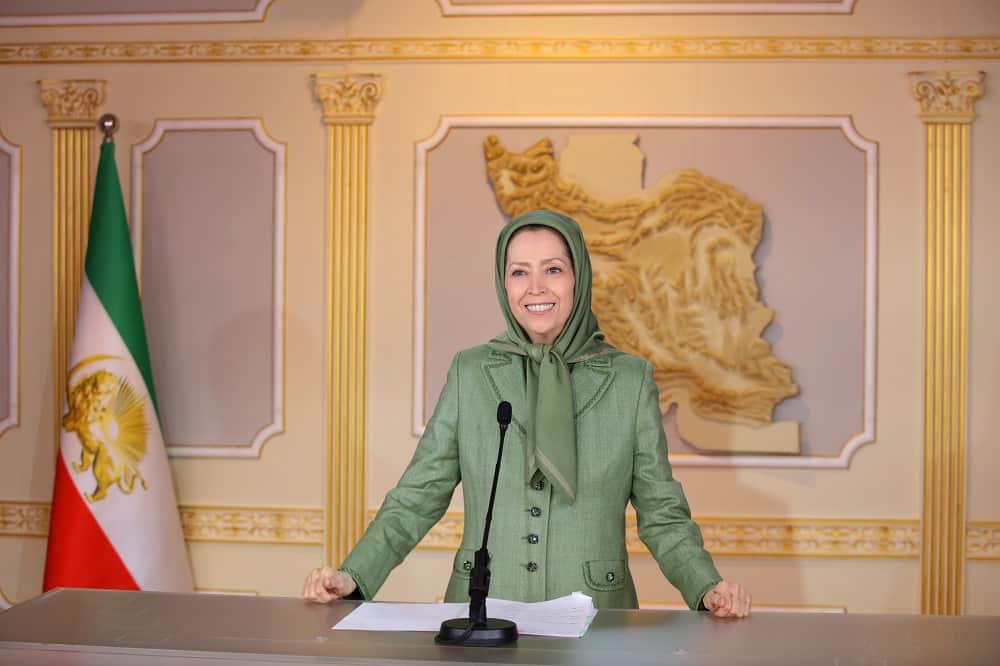
If Pahlavi embodies symbolic legitimacy, Maryam Rajavi represents organizational discipline.
As the leader of the People’s Mujahedin of Iran (MEK) and the National Council of Resistance of Iran (NCRI), Rajavi presides over the most structured—and controversial—opposition movement. Based primarily in France, her organization operates with the rigor of a shadow state: defined leadership, international lobbying, media infrastructure, and underground networks.
Rajavi argues that the regime is already hollowed out from within. She claims significant defections inside Iran’s bureaucracy and security services, portraying the protests as the visible surface of a deeper collapse. Her proposed alternative is a secular, democratic republic, explicitly rejecting both monarchy and clerical rule.
Yet the MEK’s history—armed struggle, cult-like internal discipline, and past alliances—makes it deeply polarizing. Among many Iranians inside the country, distrust runs deep.
Rajavi’s role, therefore, is less about mass appeal and more about organizational readiness:
If the regime falls suddenly, the MEK may be among the few groups prepared to move fast.
Narges Mohammadi: Moral Authority Behind Bars
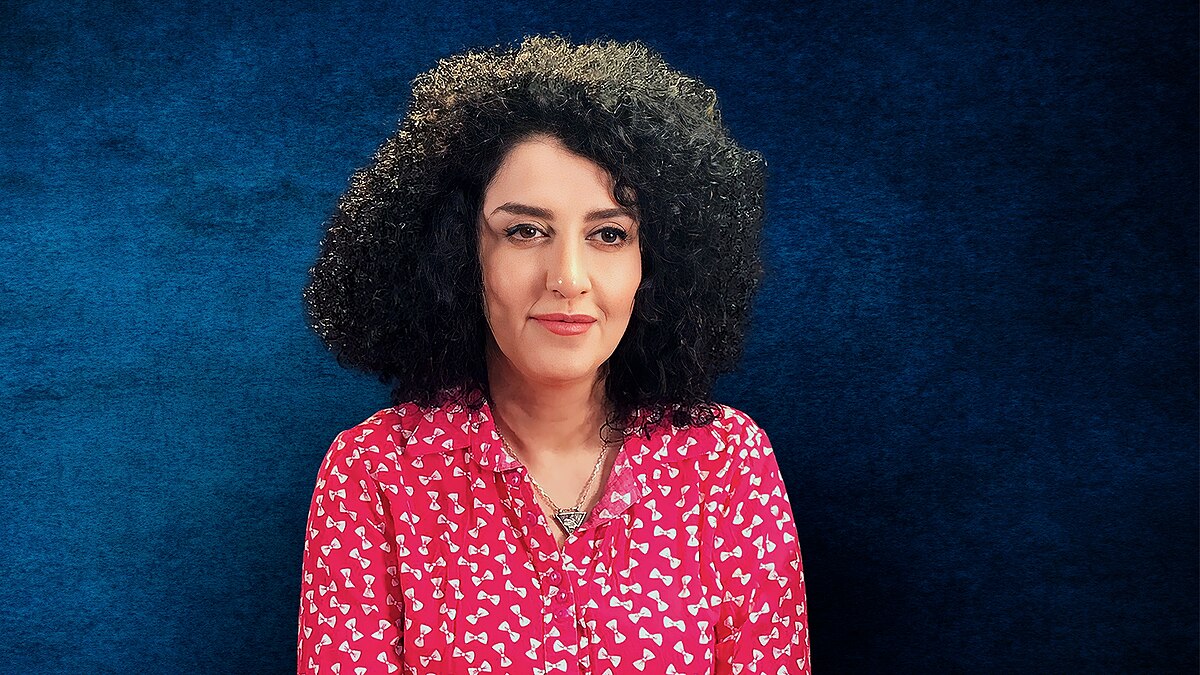
If Iran’s opposition has a conscience, it is Narges Mohammadi.
A long-time human rights defender and Nobel Peace Prize laureate, Mohammadi represents resistance from within the Islamic Republic’s prisons—where dissent is meant to suffocate, not speak. Her activism against the death penalty, torture, and gender apartheid has made her one of the most respected voices among reformists, civil society activists, and international institutions.
Despite repeated imprisonment, isolation, and medical neglect, Mohammadi continues to issue statements calling for a peaceful transition away from the Islamic Republic. These messages, smuggled out at great personal risk, circulate widely on Persian-language media and social platforms.
She does not command street militias or political machines.
Her power lies elsewhere—in moral legitimacy.
In revolutions, such figures rarely seize power. But they often define the ethical boundaries of what replaces it.
Masih Alinejad: The Megaphone of the Diaspora
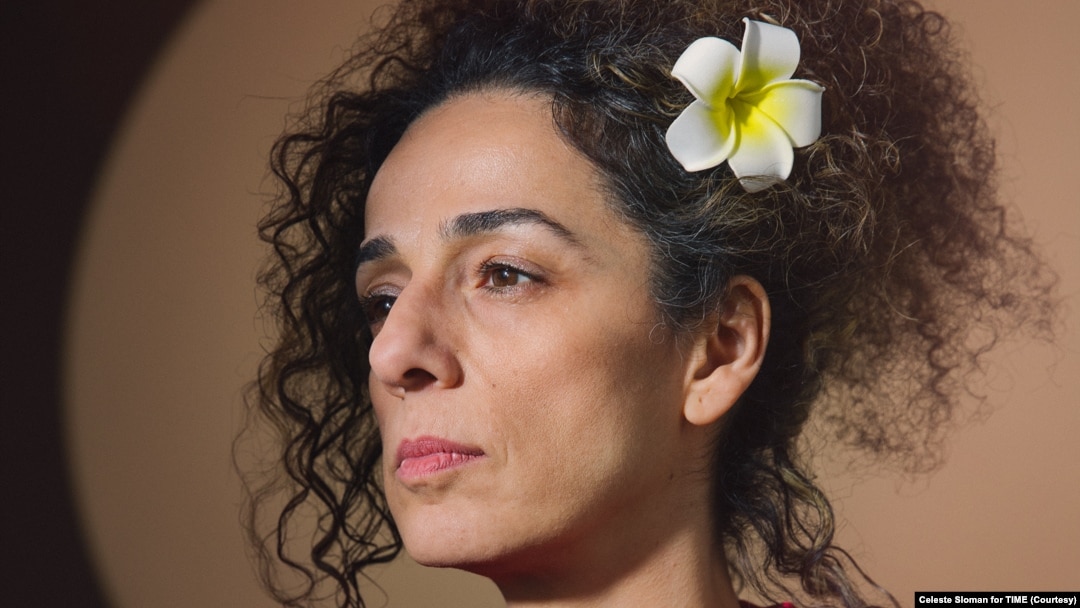
Masih Alinejad is not a party leader, nor does she claim to be one. Yet few individuals have done more to internationalize Iran’s struggle.
Based in New York, Alinejad is a journalist-activist whose campaigns—My Stealthy Freedom, White Wednesdays, and others—turned the compulsory hijab into a global symbol of state control. During the 2025–2026 protests, she framed the uprising as Iran’s Berlin Wall moment: not merely a domestic revolt, but a potential inflection point for Islamist authoritarianism worldwide.
Her strength lies in narrative warfare. She translates street anger into moral clarity for Western audiences, lawmakers, and media—calling for IRGC designation as a terrorist organization, diplomatic isolation of the regime, and explicit support for protesters.
The regime’s response speaks volumes: kidnapping plots, assassination attempts, and transnational repression efforts targeting her directly.
Alinejad’s role is that of a signal amplifier—turning whispers from inside Iran into thunder abroad.
Other Influential Voices and Pressure Points
Moulana Abdol Hamid
A prominent Sunni cleric in Iran’s southeast, Abdol Hamid has openly condemned state violence against protesters, particularly in Baloch regions. His sermons challenge the regime’s claim to Islamic legitimacy and have fueled unrest among marginalized minorities.
Mostafa Tajzadeh
A former reformist interior minister, now imprisoned, Tajzadeh has co-signed calls for systemic transition. His evolution—from insider reformist to jailed dissident—mirrors the collapse of faith in gradual reform.
Hassan Shariatmadari
An intellectual advocate for democratic transition, often cited in opposition discourse, though without mass mobilizing power.
Fragmentation: The Opposition’s Greatest Weakness—and Strength
Iran’s opposition is not a single river; it is a delta—branching, chaotic, sometimes colliding. Monarchists, republicans, reformists, leftists, ethnic minorities, secular liberals, and religious dissidents coexist uneasily.
Coalition attempts have repeatedly failed, undone by ideology, ego, historical wounds, and mistrust. Yet fragmentation also reflects a deeper truth: Iran is no longer a monolith, and any post-Islamic Republic order will have to negotiate pluralism rather than suppress it.
As of early 2026, no single leader has unified the movement inside Iran. But revolutions do not always crown leaders before they succeed. Sometimes leadership emerges after the wall cracks, not before.
What is clear is this:
The regime still holds guns—but the opposition increasingly holds the future.
And history has shown, again and again, that when legitimacy drains away, power eventually follows.
2026 में ईरान के प्रमुख विपक्षी नेता
आवाज़ें, दरारें और एक उत्तर–धार्मिक गणराज्य की दिशा में संघर्ष
जब 2025–2026 में ईरान व्यापक राष्ट्रव्यापी प्रदर्शनों से हिल रहा है, तब इस्लामिक रिपब्लिक 1979 के बाद के अपने सबसे गहरे वैधता संकट का सामना कर रहा है।
अत्यधिक महँगाई ने मध्यम वर्ग की रीढ़ तोड़ दी है, प्रतिबंध भ्रष्टाचार के साथ मिलकर अर्थव्यवस्था को खोखला कर चुके हैं, और एक नई पीढ़ी—डिजिटल रूप से जुड़ी हुई, ऐतिहासिक भय से मुक्त और असाधारण रूप से निर्भीक—अब शासन को स्थायी नहीं, बल्कि अस्थायी मानने लगी है।
लेकिन क्रांतियाँ केवल आक्रोश से नहीं चलतीं।
उन्हें प्रतीकों, संदेशवाहकों और संगठनात्मक गुरुत्व की आवश्यकता होती है।
ईरान के मामले में विपक्ष मुखर तो है, परंतु बिखरा हुआ—जेलों में, निर्वासन में, वैचारिक खेमों में और पीढ़ीगत दरारों में फैला हुआ। अभी तक कोई एक व्यक्ति ऐसा नहीं है जो सर्वसम्मत नेतृत्व का दावा कर सके। इसके बजाय, कई प्रभावशाली व्यक्तित्व उभरे हैं, जिनमें से प्रत्येक अँधेरे से बाहर निकलने का एक अलग रास्ता दिखाता है।
यह लेख किसी एक को सर्वोच्च घोषित करने का प्रयास नहीं है, बल्कि प्रभाव का मानचित्र प्रस्तुत करता है—वे चेहरे जो 2026 में ईरान के विपक्षी विमर्श को आकार दे रहे हैं।
रज़ा पहलवी: निर्वासित युवराज और स्मृति की राजनीति
ईरान के अंतिम शाह के पुत्र रज़ा पहलवी एक अद्वितीय और विरोधाभासी स्थान पर खड़े हैं।
समर्थकों के लिए, वे एक ऐसा प्रतीक हैं जिनके हाथ खून से सने नहीं हैं—राष्ट्रीय एकता का चेहरा, धार्मिक शासन के विपरीत।
आलोचकों के लिए, वे शाह के युग की अधूरी शिकायतों की याद दिलाते हैं।
संयुक्त राज्य अमेरिका में निर्वासन में रहते हुए, पहलवी ने राजशाही को 21वीं सदी की भाषा में पुनर्परिभाषित किया है। वे किसी ताज की पुनर्स्थापना की माँग नहीं करते, बल्कि जनमत-संग्रह की बात करते हैं—ताकि ईरानी जनता स्वयं अपने शासन-तंत्र का चुनाव कर सके।
उनका ज़ोर अहिंसक नागरिक अवज्ञा, सैन्य बलों के भीतर से विद्रोह और आंतरिक पतन पर है—विदेशी सैन्य हस्तक्षेप पर नहीं।
2025–2026 के प्रदर्शनों के दौरान, उनका नाम फिर से नारों में गूंजा, विशेषकर उन युवाओं के बीच जो सुधारवाद से निराश हो चुके हैं।
फिर भी, ईरान के भीतर उनका वास्तविक प्रभाव असमान है—प्रतीकात्मक रूप से शक्तिशाली, पर संगठनात्मक रूप से सीमित।
पहलवी की सबसे बड़ी ताक़त शायद वही है जो उनकी सबसे बड़ी सीमा भी है:
वे अतीत का प्रतिनिधित्व करते हैं, भविष्य की स्पष्ट रूपरेखा का नहीं।
मरियम रजवी: संगठित प्रतिरोध की वास्तुकार
जहाँ पहलवी प्रतीकात्मक वैधता का प्रतिनिधित्व करते हैं, वहीं मरियम रजवी संगठनात्मक अनुशासन की मिसाल हैं।
पीपुल्स मुजाहिदीन ऑफ ईरान (MEK) और नेशनल काउंसिल ऑफ रेज़िस्टेंस ऑफ ईरान (NCRI) की नेता के रूप में, रजवी उस विपक्ष का नेतृत्व करती हैं जो सबसे अधिक संरचित—और सबसे अधिक विवादास्पद—है।
फ्रांस से संचालित यह आंदोलन एक छाया-राज्य की तरह कार्य करता है: स्पष्ट नेतृत्व, अंतरराष्ट्रीय लॉबिंग, मीडिया नेटवर्क और भूमिगत संपर्क।
रजवी का दावा है कि शासन भीतर से ही खोखला हो चुका है। उनके अनुसार, ईरान की नौकरशाही और सुरक्षा संस्थानों में बड़े पैमाने पर असंतोष और भगदड़ मौजूद है। उनका प्रस्तावित विकल्प एक धर्मनिरपेक्ष, लोकतांत्रिक गणराज्य है—जो न तो राजशाही को स्वीकार करता है और न ही मौलवी-शासन को।
लेकिन MEK का इतिहास—सशस्त्र संघर्ष, आंतरिक कठोर अनुशासन और विवादास्पद गठबंधन—उसे कई ईरानियों की नज़र में अविश्वसनीय बनाता है।
रजवी की भूमिका इसलिए जन-लोकप्रियता से अधिक तैयारी और संगठन से जुड़ी है:
यदि शासन अचानक गिरता है, तो संभव है कि MEK उन गिने-चुने समूहों में हो जो तुरंत कदम उठाने की स्थिति में हों।
नार्गेस मोहम्मदी: सलाखों के पीछे से नैतिक नेतृत्व
यदि ईरानी विपक्ष की कोई अंतरात्मा है, तो वह नार्गेस मोहम्मदी हैं।
मानवाधिकार कार्यकर्ता और नोबेल शांति पुरस्कार विजेता, मोहम्मदी इस्लामिक रिपब्लिक की जेलों के भीतर से प्रतिरोध का प्रतिनिधित्व करती हैं—जहाँ असहमति को दबाने के लिए कैद को हथियार बनाया जाता है।
मृत्युदंड, यातना और लैंगिक उत्पीड़न के विरुद्ध उनका संघर्ष उन्हें सुधारवादियों, नागरिक समाज और अंतरराष्ट्रीय समुदाय में अत्यधिक सम्मान दिलाता है।
बार-बार जेल, एकांत कारावास और चिकित्सकीय उपेक्षा के बावजूद, वे इस्लामिक रिपब्लिक से शांतिपूर्ण संक्रमण की माँग करती रही हैं। उनके संदेश जोखिम उठाकर बाहर पहुँचाए जाते हैं और फ़ारसी मीडिया तथा सोशल प्लेटफॉर्म पर व्यापक रूप से फैलते हैं।
उनके पास न तो सशस्त्र समूह हैं, न राजनीतिक मशीनरी।
उनकी शक्ति है—नैतिक वैधता।
इतिहास बताता है कि ऐसे लोग अक्सर सत्ता नहीं लेते,
लेकिन वे यह तय करते हैं कि सत्ता के बाद क्या स्वीकार्य होगा।
मसीह अलीनेजाद: प्रवासी दुनिया की मेगाफोन
मसीह अलीनेजाद स्वयं को राजनीतिक नेता नहीं कहतीं, लेकिन शायद ही कोई और व्यक्ति हो जिसने ईरान के संघर्ष को इतना वैश्विक बनाया हो।
न्यूयॉर्क में स्थित यह पत्रकार-कार्यकर्ता अपने अभियानों—माय स्टेल्थी फ्रीडम, व्हाइट वेडनस्डे—के माध्यम से अनिवार्य हिजाब को राज्य-नियंत्रण के वैश्विक प्रतीक में बदल चुकी हैं।
2025–2026 के प्रदर्शनों के दौरान उन्होंने इस आंदोलन को “ईरान का बर्लिन वॉल क्षण” कहा—एक ऐसा मोड़ जो केवल ईरान ही नहीं, बल्कि इस्लामी अधिनायकवाद के भविष्य को भी प्रभावित कर सकता है।
उनकी ताक़त है कथानक युद्ध।
वे सड़कों के गुस्से को पश्चिमी राजधानियों, संसदों और मीडिया के लिए नैतिक स्पष्टता में बदल देती हैं—IRGC को आतंकवादी घोषित करने, कूटनीतिक अलगाव और खुले समर्थन की माँग के साथ।
ईरानी शासन की प्रतिक्रिया—अपहरण और हत्या की साजिशें—खुद उनकी प्रभावशीलता का प्रमाण है।
अलीनेजाद की भूमिका है ध्वनि-वर्धक की:
ईरान के भीतर की फुसफुसाहट को दुनिया भर में गड़गड़ाहट में बदलना।
अन्य प्रभावशाली आवाज़ें और दबाव-बिंदु
मौलाना अब्दोल हमीद
ईरान के दक्षिण-पूर्व में एक प्रमुख सुन्नी मौलवी, जिन्होंने प्रदर्शनकारियों पर राज्य की हिंसा की खुलकर निंदा की है। उनके बयान शासन की “इस्लामी वैधता” पर सीधा प्रहार करते हैं, विशेषकर बलूच क्षेत्रों में।
मोस्तफ़ा ताजज़ादेह
पूर्व सुधारवादी गृह मंत्री, अब कैद में। उनका अंदरूनी व्यक्ति से असंतुष्ट कैदी तक का सफर सुधारवाद की विफलता का प्रतीक है।
हसन शरीअतमदारी
लोकतांत्रिक संक्रमण के पक्षधर एक बौद्धिक चेहरा, जिनका नाम विपक्षी विमर्श में आता है, भले ही जन-आंदोलन सीमित हो।
विखंडन: विपक्ष की कमजोरी भी, ताक़त भी
ईरानी विपक्ष कोई एक नदी नहीं है—यह एक डेल्टा है:
राजशाही समर्थक, गणराज्यवादी, वामपंथी, सुधारवादी, अल्पसंख्यक, धर्मनिरपेक्ष उदारवादी—सब एक असहज सह-अस्तित्व में।
गठबंधन के प्रयास बार-बार असफल हुए हैं—अहंकार, वैचारिक मतभेद और ऐतिहासिक घावों के कारण।
फिर भी, यही विखंडन एक सच्चाई भी दर्शाता है: ईरान अब एकरूप नहीं रहा।
2026 की शुरुआत तक कोई एक नेता आंदोलन को एकजुट नहीं कर पाया है।
लेकिन इतिहास बताता है कि कभी-कभी नेतृत्व दीवार गिरने के बाद उभरता है, पहले नहीं।
एक बात स्पष्ट है:
शासन के पास अभी भी हथियार हैं—
लेकिन भविष्य पर उसका एकाधिकार टूट चुका है।
और जब वैधता समाप्त होती है,
तो सत्ता अक्सर देर-सबेर उसका अनुसरण करती है।
Hijab Shenanigans: When Headgear Becomes a Fatal Fiasco
Let’s get real—personal style quirks are one of life’s joys. I’ve seen Texan cowboys strut around in hats that look like they lost a bet with a rodeo clown. Weird headgear? Absolutely. No judgment here. But there’s a critical line: your hat—or scarf—should be your choice, not an ultimatum enforced with threats of fines, flogging, or worse. In Iran, the hijab has crossed that line. What began as a post-1979 Islamic Revolution mandate has morphed into a compulsory symbol of control, wielded with the subtlety of a sledgehammer.
The Hijab as a Weapon
Imagine it: after the Revolution, the Iranian regime decrees that women must cover every inch of skin as if auditioning for Ninja Warriors: The Modest Edition. Arms, legs, hair—bam, hidden, or else. Fast-forward to 2026, and the country is ablaze with protests, sparked by tragedies like the 2022 death of Mahsa Amini, arrested for a “bad hair day” and killed in custody. Her death reignited decades of simmering dissent, catalyzing a movement where women are publicly removing their scarves, documenting the defiance, and sharing it globally—viral TikTok–style—from a society many see as dystopian.
The regime’s response? Enter the 2024 “Hijab and Chastity” law, with fines reportedly as high as £12,500, plus potential jail time or flogging. It’s like your grandmother’s knitting club suddenly becoming a SWAT team. The message: comply or pay—literally, and sometimes lethally.
The People Speak
Iranian women aren’t buying it. Polls suggest 72–80% demand freedom of choice—a simple principle: wear the hijab because you want to, not because a law mandates it. Even reformist voices like President Pezeshkian have made token remarks about human rights, but talk without action hasn’t swayed the grassroots momentum.
These protests are massive, spanning 190 cities, blending economic grievances—“I can’t afford bread”—with demands for personal autonomy—“Stay out of my wardrobe.” Slogans like “Neither Gaza nor Lebanon” show a population pushing back on globalized moral policing while insisting their own domestic freedoms matter first. Women are out there, hair flowing freer than a shampoo commercial, risking everything for the simple right to decide what covers their heads.
Fashion, Freedom, and Fury
The hijab has become more than a piece of cloth—it’s a symbol of control versus choice, oppression versus self-expression. In this light, the protests are as much about fashion as they are about fundamental human rights. Freedom, in Iran’s streets, is now wearable—or not—at the wearer’s discretion. And for those watching from abroad, the message is clear: true style is voluntary.
Diplomats and journalists can play a role too. Skip the mandatory hijab at events. Amplify these voices without censoring them. Treat the hijab like a Marie Kondo moment for the head: wear it if it sparks joy, not because a state decrees it.
A Wardrobe Revolution
Iran’s tipping point has arrived. With a mixture of global attention, solidarity, and just a little humor, there’s a real chance for a revolution of choice, where women dictate their own dress codes, not the state. It’s a lesson that freedom, even when measured in inches of hair or the fall of a scarf, can turn heads—literally.
After all, who knew that liberty could be such a head-turner?
हिजाब की हरकतें: जब सिर पर पहनावा फैशन की गलती से जानलेवा संकट बन जाए
आइए सच कहते हैं—व्यक्तिगत स्टाइल और अजीबोगरीब फैशन के शौक जीवन का मज़ा हैं। मैंने टेक्सास में ऐसे कैबॉय हैट पहने लोगों को देखा है, जैसे उन्होंने यह शर्त लगा ली हो कि वे रोडियो जोकर से हार जाएंगे। अजीब हेडगियर? बिल्कुल। इसमें कोई न्याय नहीं है।
लेकिन यहाँ एक सीमा है: आपका पहनावा आपका चुनाव होना चाहिए, न कि एक “पहनो नहीं तो सबक सीखो” वाला अल्टीमेटम। ईरान में हिजाब ने वह सीमा पार कर दी है। 1979 की इस्लामी क्रांति के बाद जो हिजाब एक धार्मिक या सांस्कृतिक प्रतीक बन सकता था, वह अब एक अनिवार्य नियंत्रण का हथियार बन गया है, जिसे इतनी बेरहमी से लागू किया जाता है जैसे कि कोई सledgehammer चल रहा हो।
हिजाब एक हथियार बन गया
कल्पना कीजिए: क्रांति के बाद, ईरानी शासन ने आदेश दिया कि महिलाएं पूरे शरीर को ढकें, जैसे कि वे “निंजा वॉरियर्स: द मोडेस्ट एडिशन” के लिए ऑडिशन दे रही हों। हाथ, पैर, बाल—सब छुपाए या भुगतें।
2026 में, देश में प्रदर्शन उबल रहे हैं। इसकी शुरुआत हुई महसा अमिनी की 2022 की मौत से, जो एक “खराब हेयर डे” के कारण हिरासत में ले ली गई थीं और जीवित नहीं बचीं। उनकी मौत ने दशकों के दबे आक्रोश को बाहर निकाला, और महिलाएं अब अपने हिजाब उतारकर, इसे दस्तावेज़ित करके और सोशल मीडिया पर साझा करके विरोध कर रही हैं—जैसे वायरल टिक़टॉक वीडियो, लेकिन एक डिस्टोपियन रोम-कॉम के अंदाज़ में।
शासन की प्रतिक्रिया
शासन ने 2024 में नया “हिजाब और शीलता” कानून लागू किया। जुर्माने reportedly £12,500 तक हैं, साथ में जेल या कोड़े भी। यह ऐसा है जैसे आपकी दादी की बुनाई क्लब अचानक SWAT टीम बन जाए। संदेश स्पष्ट है: माना या भुगतें—शब्दों से नहीं, बल्कि वास्तविक दंड से।
जनता की आवाज़
ईरानी महिलाएं इसे नहीं खरीद रही हैं। सर्वेक्षण बताते हैं कि 72–80% महिलाएं स्वतंत्रता का अधिकार चाहती हैं। उनका संदेश सीधा है: हिजाब पहनें यदि आप चाहती हैं, नहीं तो न पहनें।
यह विरोध केवल फैशन का नहीं है; यह मूलभूत मानवाधिकारों के लिए संघर्ष है। 190 शहरों में फैले प्रदर्शन “मैं रोटी नहीं खरीद सकती” की आर्थिक समस्याओं को जोड़ते हैं साथ ही “मेरी अलमारी से दूर रहो” के संदेश भी देते हैं।
नारे जैसे “न गाज़ा न लेबनान” यह दर्शाते हैं कि ईरानी लोग अपनी घरेलू स्वतंत्रता पहले चाहते हैं, वैश्विक राजनीतिक दखल के बजाय। महिलाएं अब सड़कों पर हैं, उनके बाल ऐसे बह रहे हैं जैसे किसी शैम्पू विज्ञापन में हों, अपने हिजाब के विकल्प के लिए जान जोखिम में डाल रही हैं।
फैशन, स्वतंत्रता और क्रोध
हिजाब अब सिर्फ कपड़ा नहीं है। यह नियंत्रण बनाम विकल्प, दमन बनाम आत्म-अभिव्यक्ति का प्रतीक बन गया है। यह आंदोलन इसलिए भी महत्वपूर्ण है क्योंकि यह दिखाता है कि स्वतंत्रता चुनाव की शक्ति में निहित है।
विदेशी राजनयिक और पत्रकार इस आंदोलन में भूमिका निभा सकते हैं। बैठकों में हिजाब को अनिवार्य न बनाएं, इसे वैकल्पिक पार्टी हैट की तरह समझें। आवाज़ उठाएँ, सेंसरशिप को छोड़ें।
सचमुच की स्टाइल: स्वेच्छा से पहनें। हिजाब पहनें अगर यह खुशी देता है, नहीं तो न पहनें। जब इसे मजबूरी बनाया जाए, तो यह न तो विनम्रता है, न ही नैतिकता—यह क्रूरता है।
अलमारी की क्रांति
ईरान का टिपिंग पॉइंट आ गया है। पर्याप्त वैश्विक ध्यान, समर्थन और थोड़ी हंसी के साथ, महिलाओं के लिए एक नई अलमारी क्रांति संभव है, जहाँ हर महिला तय करे कि क्या पहनना है।
अंततः, यह दिखाता है कि स्वतंत्रता—even जब इसे बालों या हिजाब में मापा जाए—सचमुच सिर घूमाने वाली हो सकती है।
कौन जानता था कि स्वतंत्रता इतनी हेड-टर्नर भी हो सकती है?
Iran's Eternal Dawn: Awakening a Civilization Beyond the Veil of Ideology
Throughout history, nations rise and fall, but civilizations endure. Iran, with roots stretching back over 2,500 years to the Achaemenid Empire, stands as a testament to this resilience. Today, amid the roar of protests echoing through its streets, Iran is awakening—not as a theocratic state, but as an ancient civilization reclaiming its essence. The Islamic Republic, imposed in 1979, risks becoming a mere footnote in Iran’s millennia-spanning story, overshadowed by a resurgence of Persian identity that predates Islam by centuries.
The Timeless Tapestry of Persian Heritage
Iran’s story begins long before the advent of Islam in the 7th century. As the cradle of the Persian Empire under Cyrus the Great, it was a beacon of innovation, tolerance, and grandeur. Persepolis, the ceremonial capital built by Darius I, symbolizes this era—a sprawling complex of palaces and halls adorned with intricate reliefs depicting a multicultural empire stretching from the Indus Valley to the Mediterranean.
Here, Zoroastrianism flourished, emphasizing ethical dualism and human agency—principles that would later influence global philosophies from Judaism to Greek thought.
The Arab conquest in 651 CE brought Persia under the Islamic caliphate, yet Iranians never fully surrendered their identity. Over centuries, they Persianized Islam, infusing it with Sufi mysticism, poetic elegance through figures like Rumi and Hafez, and a distinct Shiite character that differentiated them from their Sunni neighbors. This synthesis allowed Persian culture to thrive, while planting the seeds of resistance to ideological absolutism. As historian Abbas Milani notes, Iranians have long regarded rigid theocracy as an imposition, alien to their pluralistic heritage.
The Spark of Awakening: Protests as a Reclamation
Fast-forward to 2026, and these historical currents have surged to the surface. What began as economic grievances—skyrocketing inflation, currency devaluation, and crippling poverty—has transformed into a profound rejection of the Islamic Republic itself.
Protests erupting since late December 2025 have spread to over 190 cities, drawing participants from merchants to students, rural villagers to urban professionals. Chants of “Death to Khamenei” and “Woman, Life, Freedom” reverberate, but so do slogans like “Not Gaza, not Lebanon, I give my life for Iran”—a direct repudiation of the regime’s foreign adventurism in favor of national priorities.
Surveys reveal a seismic shift: 70–80% of Iranians across demographics reject the theocracy, yearning for a secular democracy. Protesters increasingly distinguish “Iran” from the “Islamic Republic,” viewing the latter as an occupying force hijacking their ancient civilization.
This awakening draws on Persian nationalism, with some factions invoking the exiled Crown Prince Reza Pahlavi as a symbol of pre-revolutionary continuity. Analysts note that while the regime relies on fear for survival, that fear is dissipating amid brutal crackdowns, which have only fueled defiance.
The Regime at a Tipping Point
The Islamic Republic’s response—mass arrests, internet blackouts, and lethal force—reveals its fragility. Experts suggest that the current unrest could mark a historic tipping point, with the regime unlikely to endure beyond 2027. Iranians are not merely protesting; they are reclaiming a narrative where Islam, while part of their cultural mosaic, no longer serves as the defining political force.
A Footnote in Eternity: Toward a Pluralistic Future
As the protests intensify, a vision of a post-theocratic Iran emerges—one rooted in cultural diversity, ethical governance, and global reintegration. Islam, introduced through conquest, may recede as a state ideology, becoming a personal faith within a secular framework that honors Iran’s pre-Islamic legacy.
This is not erasure but evolution; civilizations adapt, shedding impositions to reveal their core. The world watches as Iran stirs from decades of slumber. If successful, this awakening could reshape the Middle East, diminish state-sponsored extremism, and foster stability.
In the long arc of history, the Islamic Republic may fade into a mere annotation, while the Persian spirit endures—eternal, unbound, and awake. The dawn is breaking—Iran is waking up.
ईरान की शाश्वत सुबह: विचारधारा की परतों के परे एक सभ्यता का जागरण
इतिहास में राष्ट्र उठते और गिरते रहे हैं, लेकिन सभ्यताएँ स्थायी होती हैं। ईरान, जिसकी जड़ें 2,500 वर्षों से अधिक पुरानी हैं और अकिमेनिड साम्राज्य तक फैली हैं, इस स्थिरता का जीता-जागता उदाहरण है। आज, अपनी सड़कों पर गूँजते विरोध प्रदर्शन के बीच, ईरान जाग रहा है—केवल एक धार्मिक शासन के रूप में नहीं, बल्कि एक प्राचीन सभ्यता के रूप में जो अपनी असली पहचान को पुनः प्राप्त कर रही है।
1979 में लागू हुई इस्लामी गणराज्य शायद ईरानी इतिहास में केवल एक छोटी टिप्पणी बनकर रह जाएगी, जिसे वह फ़ारसी पहचान की पुनर्जागरण की ध्वनि छाया देगी, जो इस्लाम से भी सदियों पहले अस्तित्व में थी।
फ़ारसी विरासत का कालातीत ताना-बाना
ईरान की कहानी इस्लाम के 7वीं शताब्दी में आगमन से बहुत पहले शुरू होती है। साइरस द ग्रेट के अधीन फ़ारसी साम्राज्य के रूप में यह नवाचार, सहिष्णुता और भव्यता का प्रतीक था। पर्सेपोलिस, दारियस प्रथम द्वारा निर्मित समारोहिक राजधानी, इस युग का प्रतीक है—महलों और सभागारों का विशाल परिसर, जटिल नक्काशियों से सजा, जो एक बहुसांस्कृतिक साम्राज्य का दृश्य प्रस्तुत करता था, जो सिंधु घाटी से भूमध्य सागर तक फैला था।
यहाँ ज़ोरोअस्ट्रियन धर्म फल-फूल रहा था, जो नैतिक द्वैतवाद और मानवीय स्वतंत्रता पर जोर देता था—ऐसी शिक्षाएँ जिन्होंने यहूदी धर्म से लेकर यूनानी दर्शन तक वैश्विक विचारों को प्रभावित किया।
651 ईस्वी में अरब विजय ने फ़ारस को इस्लामी खलीफ़ा राज्य में समाहित कर दिया। फिर भी, ईरानियों ने अपनी पहचान पूरी तरह से नहीं छोड़ी। उन्होंने इस्लाम में फ़ारसी संस्कृति का मिश्रण किया—सुफ़ी रहस्यवाद, रूमी और हाफ़िज़ जैसी कवियों की कविता की भव्यता, और विशिष्ट शी'आ पहचान, जिसने उन्हें उनके सुन्नी पड़ोसियों से अलग किया।
यह मिश्रण फ़ारसी संस्कृति को जीवित रखा, लेकिन सैद्धांतिक कट्टरता के खिलाफ विरोध के बीज भी बोए। इतिहासकार अब्दुल मिलानी के अनुसार, ईरानी लंबे समय से कठोर धार्मिक शासन को अपनी बहुसांस्कृतिक विरासत के लिए अनजान और थोपे गए मानते रहे हैं।
जागरण की चिंगारी: विरोध प्रदर्शन एक पुनः दावा
2026 तक आते-आते, ये ऐतिहासिक प्रवाह सतह पर उभर आए हैं। शुरू में केवल आर्थिक असंतोष—महंगी महंगाई, मुद्रा अवमूल्यन, और गरीबी—अब इस्लामी गणराज्य का गहरा खंडन बन चुका है।
दिसंबर 2025 के अंत से फैलते विरोध प्रदर्शन 190 से अधिक शहरों में पहुंचे, और इनमें व्यापारी, छात्र, ग्रामीण और शहरी पेशेवर शामिल हैं। नारे “मौत खमेनी को” और “महिला, जीवन, स्वतंत्रता” गूंजते हैं, लेकिन साथ ही “ना गाज़ा, ना लेबनान, मैं अपनी जान ईरान के लिए दूँ” जैसे नारे भी, जो स्पष्ट रूप से शासन की विदेशी नीतियों के खिलाफ राष्ट्रीय प्राथमिकताओं को रेखांकित करते हैं।
सर्वेक्षण दिखाते हैं कि 70–80% ईरानी धार्मिक शासन से असंतुष्ट हैं और धार्मिक-निरपेक्ष लोकतंत्र की इच्छा रखते हैं। प्रदर्शनकारी अब “ईरान” और “इस्लामी गणराज्य” को अलग देख रहे हैं, जहाँ दूसरा उनके प्राचीन सभ्यता पर कब्ज़ा करने वाला विदेशी शासन है।
यह जागरण फ़ारसी राष्ट्रीयता पर आधारित है, और कुछ समूह निर्वासित क्राउन प्रिंस रेज़ा पहलवी को प्रगतिशील प्रतीक के रूप में देखते हैं। विशेषज्ञों का कहना है कि शासन भय पर आधारित है, लेकिन क्रूर दमन के बावजूद भय अब धीरे-धीरे खत्म हो रहा है।
शासन का संकट
इस्लामी गणराज्य की प्रतिक्रिया—दमन, इंटरनेट बंदी, और घातक बल का प्रयोग—इसके कमजोर होने का संकेत है। विशेषज्ञों का अनुमान है कि यह ऐतिहासिक मोड़ हो सकता है, और शासन शायद 2027 के बाद टिक नहीं पाएगा।
ईरानी केवल विरोध नहीं कर रहे; वे एक नई कहानी का दावा कर रहे हैं, जहाँ इस्लाम उनकी सांस्कृतिक मोज़ेक का हिस्सा है, लेकिन अब यह राज्य की सर्वोच्च शक्ति नहीं रहेगी।
शाश्वतता में एक टिप्पणी: बहुसांस्कृतिक भविष्य की ओर
जैसे-जैसे विरोध प्रदर्शन तेज़ हो रहे हैं, एक पोस्ट-धार्मिक ईरान का सपना उभर रहा है—संस्कृतिक विविधता, नैतिक शासन, और वैश्विक पुनःसंयोजन की नींव पर। इस्लाम, जो विजय के दौरान आया, अब राजनीतिक विचारधारा के रूप में पीछे हट सकता है, और व्यक्तिगत विश्वास के रूप में जीवन में रह सकता है।
यह विनाश नहीं, बल्कि विकास है; सभ्यताएँ खुद को ढालती हैं, थोपे गए दबावों को हटाकर अपने मूल स्वरूप को प्रकट करती हैं।
दुनिया देख रही है कि ईरान दशकों की नींद से जाग रहा है। यदि यह सफल होता है, तो यह मध्य पूर्व का नक्शा बदल सकता है, राज्य-प्रायोजित कट्टरवाद को कम कर सकता है और स्थिरता ला सकता है।
इतिहास के दीर्घ रेखा में, इस्लामी गणराज्य शायद केवल एक छोटी टिप्पणी बनकर रह जाएगा, लेकिन फ़ारसी आत्मा स्थायी, स्वतंत्र और जागृत बनी रहेगी।
सूर्योदय हो रहा है—Iran जाग रहा है।
Trump’s Reagan Legacy: Iran’s Berlin Wall Awaits a Decisive Strike
In the annals of American presidential history, few moments shine as brightly as Ronald Reagan’s 1987 call to “tear down this wall” in Berlin, a moral and political clarion that symbolized freedom’s triumph over oppression and hastened the collapse of the Soviet Union. Fast-forward to 2026, and a similar historic inflection point now beckons for President Donald Trump—this time, in Iran.
As protests sweep the nation against the Islamic Republic, activists, journalists, and analysts alike have dubbed this a “Berlin Wall moment”: an unprecedented opportunity for Trump to etch his name alongside Reagan’s by striking decisively at the pillars of Iran’s repressive apparatus—the Islamic Revolutionary Guard Corps (IRGC) and the Basij militia.
With protesters appealing directly to Washington amidst a brutal crackdown, the stage is set for action that could redefine global geopolitics.
The Protests: A Nation on the Edge
Iran’s unrest, which erupted in late December 2025, began as economic frustration—hyperinflation, currency collapse, and widespread poverty—but has rapidly evolved into a full-throated demand for regime change. Demonstrations have now spread to over 190 cities, uniting students, merchants, rural villagers, and urban professionals alike under slogans such as “Woman, Life, Freedom” and “Death to Khamenei.”
Reports indicate staggering casualties: activists estimate over 2,000 deaths in just 48 hours during internet blackouts, with the total fatalities likely exceeding 12,000 as information gradually emerges.
Supreme Leader Ali Khamenei has branded Trump “arrogant” and decried foreign interference, while Foreign Minister Abbas Araghchi blames protesters for inciting violence to provoke U.S. intervention. Yet this is not mere dissent—it is revolutionary fervor, echoing the spirit of Berlin in 1989.
Iranian journalist and activist Masih Alinejad has repeatedly framed the uprising in these terms, urging the international community to unite in tearing down what she calls the “wall of dictatorship.” Protesters, facing mass arrests and lethal force, have appealed directly to Trump, rejecting foreign proxies with chants like: “Not Gaza, not Lebanon, I give my life for Iran.”
Meanwhile, exiled Crown Prince Reza Pahlavi, a symbol of pre-revolutionary Iran, has called on the military to defect, framing this moment as defining for the nation’s future.
Trump’s Opportunity: Echoing Reagan’s Resolve
Reagan’s legacy rested on moral clarity and strategic pressure, revealing communism’s vulnerabilities. Trump, observing developments “incredibly closely,” has issued stark warnings: if Iran kills protesters, the U.S. will “hit them at levels they’ve never been hit before.” Iranian officials denounce this as “reckless,” yet for Trump, it presents a pathway to iconic status.
By targeting the IRGC and Basij—the enforcers of repression—Trump could accelerate the regime’s collapse without a full-scale invasion. The IRGC, a parallel military force loyal to Khamenei, directs state-sponsored terrorism abroad and brutal suppression at home. The Basij, its paramilitary wing, manages crowd control with often lethal tactics. Their loyalty is the regime’s linchpin; defections could trigger systemic collapse.
Military experts suggest precision strikes on IRGC missile sites, Shahed drone factories, and command centers—surgical blows that neutralize the crackdown machinery while empowering protesters.
A Global Ripple: From Tehran to the World
Success in Iran would reverberate far beyond its borders. The regime’s collapse could cripple proxies like Hezbollah and the Houthis, reshaping the Middle East and curbing Islamist terrorism. Diaspora rallies, from Berlin to London, amplify the call for action, with placards pleading for Trump’s intervention. Analysts argue this could mark the end of an epoch, much like the fall of the Berlin Wall in 1989.
Trump stands at a crossroads. By decisively targeting the IRGC and Basij, he could empower Iranians to topple their oppressors, securing a Reagan-esque legacy of liberation. The Berlin Wall moment is here—all that remains is a leader bold enough to seize it.
As protests intensify, the world holds its breath, watching a strike that could change history and redefine freedom in the 21st century.
ट्रंप की रीगन विरासत: ईरान की बर्लिन वॉल निर्णायक हमले का इंतजार कर रही है
अमेरिकी राष्ट्रपति इतिहास में, कुछ पल ऐसे होते हैं जो हमेशा के लिए याद रह जाते हैं। 1987 में रॉनाल्ड रीगन का बर्लिन में “इस दीवार को गिराओ” का ऐतिहासिक आह्वान, स्वतंत्रता की जीत और उत्पीड़न की हार का प्रतीक बन गया, जिसने सोवियत संघ के पतन को तेज किया। अब, 2026 में, ईरान के संदर्भ में एक समान ऐतिहासिक मोड़ राष्ट्रपति डोनाल्ड ट्रंप के सामने है।
जब देशभर में इस्लामी गणराज्य के खिलाफ विरोध प्रदर्शन फैल रहे हैं, तो पत्रकार और विशेषज्ञ इसे एक “बर्लिन वॉल मोमेंट” कह रहे हैं: ट्रंप के लिए यह मौका है कि वह ईरान के दमनकारी स्तंभों—इस्लामी क्रांतिकारी गार्ड कॉर्प्स (IRGC) और बसिज़ मिलिशिया—को ध्वस्त कर दुनिया में अपनी जगह बना सकें।
कठोर दमन के बीच प्रदर्शनकारी सीधे वाशिंगटन से अपील कर रहे हैं, और वैश्विक भू-राजनीति को फिर से आकार देने के लिए मंच तैयार है।
विरोध: एक राष्ट्र किनारे पर
ईरान में अस्थिरता, जो दिसंबर 2025 के अंत में शुरू हुई, प्रारंभ में आर्थिक असंतोष—हाइपरइन्फ्लेशन, मुद्रा पतन, और व्यापक गरीबी—तक सीमित थी। लेकिन अब यह पूर्ण रूप से शासन परिवर्तन की मांग में बदल गई है। प्रदर्शन अब 190 से अधिक शहरों में फैल चुके हैं, छात्रों, व्यापारियों, ग्रामीण और शहरी पेशेवरों को एकजुट करते हुए, नारों के साथ: “महिला, जीवन, स्वतंत्रता” और “मौत खामेनेई को”।
रिपोर्टों के अनुसार, भारी मौतों का आंकड़ा सामने आया है: 48 घंटे में 2,000 से अधिक लोगों की मौत इंटरनेट ब्लैकआउट के दौरान हुई, और कुल मृत्यु संख्या संभवतः 12,000 से अधिक हो सकती है।
सुप्रीम लीडर अली खामेनेई ने ट्रंप को “घमंडी” कहा और विदेशी हस्तक्षेप को दोषी ठहराया, जबकि विदेश मंत्री अब्बास अराघची ने प्रदर्शनकारियों पर अमेरिका को उकसाने का आरोप लगाया।
लेकिन यह सिर्फ असहमति नहीं है—यह क्रांतिकारी उत्साह है, जो 1989 के बर्लिन वॉल पतन की भावना को प्रतिध्वनित करता है। ईरानी पत्रकार और सक्रिय मसीह अलीनेजाद ने इसे बार-बार ऐसे ही फ्रेम किया है, अंतरराष्ट्रीय समुदाय से अपील की है कि “तानाशाही की दीवार” को गिराया जाए।
प्रदर्शनकारी, जिन पर जनता की गिरफ्तारी और घातक बल का सामना हो रहा है, ने सीधे ट्रंप से अपील की है, और विदेशी प्रॉक्सी के खिलाफ नारों में कहा: “ना गाजा, ना लेबनान, मैं अपना जीवन ईरान के लिए देता हूँ।”
वहीं, निर्वासित क्राउन प्रिंस रेज़ा पहलवी, जो क्रांतिकारी पूर्व ईरान का प्रतीक हैं, ने सेना से पलायन करने और इस क्षण को “निर्णायक मोमेंट” बनाने का आह्वान किया है।
ट्रंप का अवसर: रीगन की प्रतिबद्धता का अनुकरण
रीगन की विरासत नैतिक स्पष्टता और रणनीतिक दबाव पर आधारित थी, जिसने साम्यवाद की कमजोरियों को उजागर किया। ट्रंप, जो घटनाओं को “बेहद नज़दीकी से” देख रहे हैं, ने चेतावनी दी है: अगर ईरान प्रदर्शनकारियों को मारता है, तो अमेरिका उन्हें “ऐसे स्तर पर मारेगा जैसा कभी नहीं मारा गया”।
ईरानी अधिकारी इसे “अविवेकी” बताते हैं, लेकिन ट्रंप के लिए यह प्रसिद्धि का रास्ता है। IRGC और Basij को लक्षित करके—जो शासन के एन्फोर्सर हैं—वह बिना पूर्ण आक्रमण के पतन को तेज कर सकते हैं।
IRGC, खामेनेई के प्रति वफादार एक समानांतर सैन्य शक्ति, विदेशों में राज्य-प्रायोजित आतंकवाद और घरेलू दमन का संचालन करता है। Basij, इसकी पैरा-मिलिट्री शाखा, भीड़ नियंत्रण के लिए उग्र तरीके अपनाती है। उनकी वफादारी शासन की रीढ़ है; उनकी पलायन प्रणालीगत पतन का संकेत हो सकता है।
सैन्य विशेषज्ञ सुझाव देते हैं: IRGC के बैलेस्टिक मिसाइल साइट्स, शाहिद ड्रोन फैक्ट्रियां, और कमांड सेंटरों पर सटीक हमले—ऐसे प्रहार जो दमन मशीनरी को निष्क्रिय करें और प्रदर्शनकारियों को सशक्त बनाएं।
वैश्विक प्रभाव: तेहरान से दुनिया तक
सफलता का प्रभाव ईरान की सीमाओं से परे जाएगा। शासन के पतन से प्रॉक्सी जैसे हिज़बुल्लाह और हूथियों कमजोर होंगे, मध्य पूर्व का परिदृश्य बदल सकता है और इस्लामी आतंकवाद पर लगाम लग सकती है।
बर्लिन से लंदन तक निर्वासित समुदाय इस अपील को बढ़ा रहे हैं, ट्रंप से हस्तक्षेप की मांग कर रहे हैं। विश्लेषकों का कहना है कि यह एक युग का अंत हो सकता है, ठीक वैसे ही जैसे 1989 में हुआ था।
ट्रंप अब संघर्ष के चौराहे पर खड़े हैं। IRGC और Basij को निर्णायक रूप से लक्षित करके, वह ईरानियों को अपने दमनकर्ताओं को गिराने के लिए सशक्त बना सकते हैं, और एक रीगन-जैसी स्वतंत्रता विरासत सुनिश्चित कर सकते हैं।
बर्लिन वॉल मोमेंट यहाँ है—बस उसे एक ऐसा नेता चाहिए जो साहसपूर्वक इसे अपनाए। विरोध बढ़ रहा है, और पूरी दुनिया उस हमले का इंतजार कर रही है, जो इतिहास बदल सकता है।
Strike While the Iron Is Hot: Why the Ayatollah Must Go—Now
The Great Iranian Rat Race
The Turning Tide: Iran’s 2025 Protests and the Potential Dawn of Regime Change
Iran’s 2026 Uprising: A Nation on the Brink
Iran Reborn: A Civilizational Power on the Rise
Iran on the Brink: Why Trump Must Deliver on His Promise
Masih Alinejad: The Exile Who Turned a Strand of Hair into a Political Weapon
Iran Protests: Death Toll Rises Amid Nationwide Unrest and Crackdowns
How Many Have Died in Iran’s 2025–2026 Protests?
Islam, Muslims And Iran
Trump’s Moment: Strike Smart, and Let Iran Liberate Itself
Joe Rogan on ICE:
— Paul Graham (@paulg) January 14, 2026
"You don't want militarized people in the streets just roaming around snatching people up, many of which turn out to actually be US citizens that just don't have their papers on them. Are we really going to be the Gestapo? ...Is that what we've come to?"
Trump’s Moment: Strike Smart, and Let Iran Liberate Itself https://t.co/jrlNpj1WNy
— Paramendra Kumar Bhagat (@paramendra) January 14, 2026
Trump’s Moment: Strike Smart, and Let Iran Liberate Itself https://t.co/jrlNpj2uD6 🧵👇👆@IranRights_org @AmnestyIran @ICHRI @IranWireEnglish @Tavaana @SMohyeddin @GissouNia @NazaninAJ @LadiKhanom @kshahrooz
— Paramendra Kumar Bhagat (@paramendra) January 14, 2026
Indira Gandhi’s 1971 Intervention: How Bangladesh Was Liberated—and South Asia Rewritten 🧵👇👆https://t.co/jrlNpj2uD6 @IranWireEnglish @RadioFarda_ @RadioZamaneh @BBCPersian @IranIntl_En @IranIntl @VOAIran @RFERL @hrw_fa @UNHumanRights
— Paramendra Kumar Bhagat (@paramendra) January 14, 2026
Masih Alinejad: A Journey of Defiance and Empowerment https://t.co/jrlNpj1WNy 👇👆🧵 @1500tasvir_en @bidarzani @Tavaana @MahsaAct @WLFmovement @AlinejadMasih @MasoudKazemi1 @MahnazSadeghi @HengawO @HengawEnglish
— Paramendra Kumar Bhagat (@paramendra) January 14, 2026
Hijab Shenanigans: When Headgear Becomes a Fatal Fiasco 🧵👆👇https://t.co/jrlNpj1WNy @GolnazEsfandiari @YousefAzizi @Omid_M @RasoolAlizadeh @HamedEsmaeilion @ForoughAlaei @NargesMohammadi @NargesMfoundation @IranPrisonWatch
— Paramendra Kumar Bhagat (@paramendra) January 14, 2026
Trump’s Reagan Legacy: Iran’s Berlin Wall Awaits a Decisive Strike 🧵👆👇 https://t.co/jrlNpj1WNy @IranFreedomOrg @WomanLifeFreedom @IranRights_org @AmnestyIran @ICHRI @IranWireEnglish @Tavaana @SMohyeddin @GissouNia @NazaninAJ @LadiKhanom @kshahrooz
— Paramendra Kumar Bhagat (@paramendra) January 14, 2026
🧱 Iran’s Berlin Wall: A Civilizational Reclamation 👆🧵 https://t.co/sMYLKgicOc @AlinejadMasih @IranRights_org @IHRights @HumanRightsIran @ICHRI @ICHRI_Fa @AmnestyIran @hra_news @kampainhr @IranWire
— Paramendra Kumar Bhagat (@paramendra) January 14, 2026


No comments:
Post a Comment