Pages

Showing posts with label political reforms. Show all posts

Monday, February 09, 2026

The Time for Political Reform in China


The Time for Political Reform in China

Echoing Deng Xiaoping’s Deferred Vision in an Age of Economic Maturity and Intelligent Machines

China today stands at a crossroads that Deng Xiaoping foresaw but deliberately postponed. The architect of China’s modern economic miracle believed political reform was not optional—but sequenced. First build prosperity, he argued; then adjust power. Nearly half a century after “reform and opening up” began, China has completed the first half of that equation. The second remains unresolved.

The question is no longer whether China can afford political reform—but whether it can afford not to pursue it.

Deng Xiaoping’s Grand Bargain: Growth First, Politics Later

Deng Xiaoping was not a democrat in the Western sense, but neither was he an absolutist. His political philosophy was pragmatic to the core. Economic growth was the foundation of legitimacy; political reform was the superstructure to be erected once that foundation was secure.

This logic was sharpened by Deng’s harsh judgment of Soviet leader Mikhail Gorbachev. In Deng’s view, glasnost without prosperity was like tearing down scaffolding before the building could stand. Political liberalization, when it preceded economic restructuring, dissolved authority faster than new institutions could replace it. The Soviet Union collapsed not because it reformed, Deng believed, but because it reformed out of sequence.

China chose the opposite path. Beginning in 1978, Deng unleashed market forces—de-collectivizing agriculture, loosening price controls, opening special economic zones, and inviting foreign capital—while keeping political power tightly centralized. The result was unprecedented: hundreds of millions lifted out of poverty, the creation of the world’s largest manufacturing base, and the rise of China as the world’s second-largest economy.

But Deng never intended this postponement to be permanent. Political reform was delayed, not denied.

From Marx to “Chinese Characteristics”

Classical Marxism envisioned democracy—albeit proletarian democracy—and warned against entrenched bureaucratic power. The authoritarian systems that later emerged under Lenin and Mao were historical adaptations, not theoretical inevitabilities.

China’s answer has been “socialism with Chinese characteristics”: a hybrid system that uses markets for efficiency while reserving political authority for the Chinese Communist Party (CCP). Capital may operate, but it must not rule. In this sense, China solved a problem that haunts liberal democracies today: how to prevent wealth from capturing the state.

This model has worked extraordinarily well during the era of industrial catch-up. But the terrain is shifting.

The AI Disruption: When Labor Loses Its Centrality

Marxist theory rests on labor as the primary source of value. Artificial intelligence and robotics destabilize that assumption.

Automation is already displacing routine labor in manufacturing, logistics, and agriculture. Entire regions face shrinking employment bases, while high-skill sectors capture disproportionate gains. Productivity rises—but inequality widens. Growth continues—but legitimacy becomes fragile.

China understands this. Its push for “high-quality development,” AI leadership, and technological self-reliance reflects a recognition that growth alone is no longer sufficient. When machines do more work than humans, the social contract must evolve.

Economic management can no longer substitute for political adaptation.

Political Reform—But Inward, Not Western

Since 2000, the CCP has pursued political reforms—but of a different kind. These have focused on capacity, control, and cohesion, not democratization.

Key trends include:

  • Institutional consolidation, merging Party and state functions to eliminate ambiguity.

  • Anti-corruption campaigns, which have disciplined millions but also centralized power.

  • Ideological tightening, reinforced through education, surveillance, and media control.

  • Legal codification, embedding Party leadership into law while expanding national security definitions.

  • Military and security restructuring, aligning force with centralized command.

These reforms have strengthened the Party—but at the cost of internal pluralism. Collective leadership has given way to personal authority. Stability has been preserved, but flexibility has narrowed.

The Coming Constraint: Governance in a Complex Society

China is no longer a developing country governed through mobilization. It is a technologically advanced, urbanized, globally integrated civilization of 1.4 billion people.

Complex systems require feedback. Innovation thrives on debate. Legitimacy in a post-industrial society depends not only on outcomes, but on participation and fairness.

This is where Deng’s postponed reforms return to relevance.

What Deng-Scale Political Reform Could Look Like Today

Political reform in China does not need to resemble Western multiparty democracy. Deng himself rejected that model. But reform can still be transformative without being destabilizing.

A modern Deng-scale reform agenda could include:

  • Reviving intra-party democracy: real deliberation, competitive internal appointments, and restored term norms.

  • Strengthening rule of law: reducing arbitrary power, clarifying legal boundaries, and ensuring procedural justice.

  • Institutionalizing anti-corruption: shifting from campaigns to systems.

  • Expanding consultative governance: scaling up village-level elections, public hearings, and policy feedback mechanisms.

  • Redefining socialist equity: building robust safety nets, universal reskilling, and AI-era income stabilization.

These reforms would not weaken the CCP. Properly designed, they would future-proof it.

No Need to Wait for a New Deng

One of Deng Xiaoping’s most underappreciated insights was that systems—not heroes—sustain progress. China does not need to wait for a new leader to initiate reform. The CCP itself, with its unparalleled organizational capacity, can do so.

China’s economic miracle was built on adaptation. Its next phase depends on evolution.

If reform is delayed too long, rigidity will replace resilience. Innovation will slow. Social trust will thin. But if political reform is embraced—carefully, confidently, and on China’s own terms—it could mark the transition from a growth-driven power to a governance-mature civilization.

Deng once said, “Cross the river by feeling the stones.”
China has crossed the river of poverty and underdevelopment.
Now it stands on the far bank, facing a new terrain.

The stones ahead are political—but they are no less solid for that.


चीन में राजनीतिक सुधार का समय

आर्थिक परिपक्वता और बुद्धिमान मशीनों के युग में देंग शियाओपिंग की स्थगित दृष्टि की प्रतिध्वनि

आज का चीन उस चौराहे पर खड़ा है जिसकी कल्पना देंग शियाओपिंग ने की थी—लेकिन जिसे उन्होंने जानबूझकर भविष्य के लिए टाल दिया था। चीन के आधुनिक आर्थिक चमत्कार के शिल्पकार देंग का मानना था कि राजनीतिक सुधार अनिवार्य हैं, परंतु उनका एक क्रम होना चाहिए। पहले समृद्धि, फिर सत्ता का पुनर्संयोजन। “सुधार और खुलेपन” की शुरुआत के लगभग आधी सदी बाद, चीन ने इस समीकरण का पहला चरण पूरा कर लिया है। दूसरा अब भी अधूरा है।

अब प्रश्न यह नहीं है कि चीन राजनीतिक सुधार कर सकता है या नहीं—बल्कि यह है कि क्या वह उन्हें और टाल सकता है

देंग शियाओपिंग का ऐतिहासिक सौदा: पहले विकास, बाद में राजनीति

देंग शियाओपिंग पश्चिमी अर्थों में लोकतंत्रवादी नहीं थे, लेकिन वे सत्ता के कट्टर समर्थक भी नहीं थे। उनका राजनीतिक दर्शन गहरे व्यावहारिक विवेक पर आधारित था। आर्थिक विकास को वे वैधता की नींव मानते थे; राजनीतिक सुधार उस इमारत का ऊपरी ढांचा थे, जिसे मजबूत नींव के बाद ही खड़ा किया जाना चाहिए।

इस सोच को और धार मिली सोवियत नेता मिखाइल गोर्बाचेव के प्रति देंग की तीखी आलोचना से। देंग के अनुसार, समृद्धि के बिना ग्लासनोस्त ऐसा था जैसे इमारत के खड़े होने से पहले ही मचान हटा देना। जब राजनीतिक उदारीकरण आर्थिक स्थिरता से पहले आता है, तो सत्ता संस्थाओं के निर्माण से तेज़ी से बिखरती है। सोवियत संघ उनके अनुसार इसलिए नहीं टूटा कि उसने सुधार किए, बल्कि इसलिए टूटा क्योंकि उसने सुधार गलत क्रम में किए।

चीन ने विपरीत मार्ग चुना। 1978 से देंग ने बाज़ार शक्तियों को मुक्त किया—कृषि का डी-कोलेक्टिवाइजेशन, मूल्य नियंत्रणों में ढील, विशेष आर्थिक क्षेत्र, विदेशी पूंजी का स्वागत—लेकिन राजनीतिक सत्ता को केंद्र में बनाए रखा। परिणाम अभूतपूर्व था: करोड़ों लोग गरीबी से बाहर आए, दुनिया का सबसे बड़ा विनिर्माण आधार बना, और चीन विश्व की दूसरी सबसे बड़ी अर्थव्यवस्था बन गया।

लेकिन देंग कभी नहीं चाहते थे कि राजनीतिक सुधार सदा के लिए टल जाएँ। यह स्थगन था, अस्वीकृति नहीं।

मार्क्स से “चीनी विशेषताओं वाले समाजवाद” तक

शास्त्रीय मार्क्सवाद लोकतंत्र—भले ही वह सर्वहारा लोकतंत्र हो—की परिकल्पना करता है और स्थायी नौकरशाही सत्ता से सावधान करता है। लेनिन और माओ के अधिनायकवादी ढाँचे सैद्धांतिक अनिवार्यता नहीं, बल्कि ऐतिहासिक परिस्थितियों की उपज थे।

चीन का उत्तर है: “चीनी विशेषताओं वाला समाजवाद”—एक संकर प्रणाली जो दक्षता के लिए बाज़ार का उपयोग करती है, लेकिन राजनीतिक सत्ता को चीनी कम्युनिस्ट पार्टी (CCP) के पास सुरक्षित रखती है। पूंजी काम कर सकती है, लेकिन शासन नहीं कर सकती। इस अर्थ में, चीन ने वह समस्या हल की है जिससे आज कई उदार लोकतंत्र जूझ रहे हैं: धन को राज्य पर कब्ज़ा करने से कैसे रोका जाए।

औद्योगिक “कैच-अप” के दौर में यह मॉडल अत्यंत सफल रहा। लेकिन अब भू-दृश्य बदल रहा है।

AI का झटका: जब श्रम केंद्रीय तत्व नहीं रहता

मार्क्सवादी सिद्धांत श्रम को मूल्य का मूल स्रोत मानता है। कृत्रिम बुद्धिमत्ता और रोबोटिक्स इस धारणा को हिला रहे हैं।

स्वचालन पहले ही विनिर्माण, लॉजिस्टिक्स और कृषि में नियमित श्रम को विस्थापित कर रहा है। पूरे क्षेत्र रोज़गार सिकुड़ने का सामना कर रहे हैं, जबकि उच्च-कौशल क्षेत्र असमान लाभ अर्जित कर रहे हैं। उत्पादकता बढ़ रही है—लेकिन असमानता भी। विकास जारी है—पर वैधता कमजोर पड़ रही है।

चीन इसे समझता है। “उच्च-गुणवत्ता विकास”, AI नेतृत्व और तकनीकी आत्मनिर्भरता पर उसका ज़ोर इस बात की स्वीकृति है कि केवल विकास अब पर्याप्त नहीं है। जब मशीनें मनुष्यों से अधिक काम करने लगती हैं, तो सामाजिक अनुबंध को बदलना पड़ता है।

आर्थिक प्रबंधन अब राजनीतिक अनुकूलन का विकल्प नहीं रह सकता।

राजनीतिक सुधार—लेकिन पश्चिमी नहीं, आंतरिक

2000 के बाद से CCP ने राजनीतिक सुधार किए हैं—लेकिन वे लोकतंत्रीकरण के बजाय क्षमता, नियंत्रण और एकता पर केंद्रित रहे हैं।

मुख्य प्रवृत्तियाँ रही हैं:

  • संस्थागत केंद्रीकरण, पार्टी और राज्य के कार्यों का विलय।

  • भ्रष्टाचार विरोधी अभियान, जिसने लाखों को अनुशासित किया, पर सत्ता को भी केंद्रित किया।

  • वैचारिक सख्ती, शिक्षा, निगरानी और मीडिया नियंत्रण के माध्यम से।

  • कानूनी संहिताकरण, जिसमें पार्टी नेतृत्व को कानून में समाहित किया गया।

  • सैन्य और सुरक्षा सुधार, केंद्रीय कमान के अनुरूप पुनर्गठन।

इन सुधारों ने पार्टी को मज़बूत किया—लेकिन आंतरिक बहुलता की कीमत पर। सामूहिक नेतृत्व की जगह व्यक्तिगत सत्ता ने ले ली। स्थिरता बनी रही, पर लचीलापन घटा।

आने वाली सीमा: जटिल समाज में शासन

चीन अब जन-सक्रियता से शासित होने वाला विकासशील देश नहीं है। यह 1.4 अरब लोगों की एक तकनीकी रूप से उन्नत, शहरीकृत और वैश्विक रूप से जुड़ी सभ्यता है।

जटिल प्रणालियों को प्रतिक्रिया (फीडबैक) चाहिए। नवाचार बहस से फलता है। उत्तर-औद्योगिक समाज में वैधता केवल परिणामों से नहीं, बल्कि भागीदारी और निष्पक्षता से आती है।

यहीं देंग के स्थगित सुधार फिर से प्रासंगिक हो जाते हैं।

आज के संदर्भ में “देंग-स्तरीय” राजनीतिक सुधार

चीन में राजनीतिक सुधार का अर्थ पश्चिमी बहुदलीय लोकतंत्र नहीं होना चाहिए। देंग ने स्वयं उस मॉडल को खारिज किया था। लेकिन बिना अस्थिरता लाए भी सुधार गहरे और परिवर्तनकारी हो सकते हैं।

आज का देंग-स्तरीय सुधार कार्यक्रम हो सकता है:

  • पार्टी के भीतर लोकतंत्र का पुनर्जीवन: वास्तविक विचार-विमर्श, प्रतिस्पर्धी आंतरिक नियुक्तियाँ, कार्यकाल मानदंडों की वापसी।

  • कानून के शासन को सुदृढ़ करना: मनमानी सत्ता को सीमित करना, प्रक्रिया-न्याय सुनिश्चित करना।

  • भ्रष्टाचार विरोध को संस्थागत बनाना: अभियानों से प्रणालियों की ओर।

  • परामर्श आधारित शासन का विस्तार: ग्राम-स्तरीय चुनावों और सार्वजनिक सुनवाइयों का ऊपर की ओर विस्तार।

  • समाजवादी समानता की नई परिभाषा: AI युग के लिए सामाजिक सुरक्षा, पुनः-कौशल और आय स्थिरीकरण।

ऐसे सुधार CCP को कमजोर नहीं करेंगे। सही ढंग से किए गए सुधार उसे भविष्य-सुरक्षित बनाएँगे।

नए देंग का इंतज़ार ज़रूरी नहीं

देंग शियाओपिंग की एक कम सराही गई सीख यह थी कि प्रगति व्यक्तियों से नहीं, प्रणालियों से टिकती है। चीन को सुधार शुरू करने के लिए किसी नए नेता की प्रतीक्षा करने की आवश्यकता नहीं है। CCP स्वयं, अपनी असाधारण संगठनात्मक क्षमता के साथ, यह कर सकती है।

चीन का आर्थिक चमत्कार अनुकूलन से पैदा हुआ था। उसका अगला चरण विकास से नहीं, विकासशील शासन से तय होगा।

यदि सुधार बहुत देर से आए, तो लचीलापन कठोरता में बदल जाएगा। नवाचार धीमा पड़ेगा। सामाजिक विश्वास क्षीण होगा।
लेकिन यदि राजनीतिक सुधार आत्मविश्वास के साथ, सावधानी से और चीन की शर्तों पर अपनाए गए—तो वे चीन को विकास-आधारित शक्ति से शासन-परिपक्व सभ्यता में बदल सकते हैं।

देंग ने कहा था:
“नदी पार करो—पत्थरों को महसूस करते हुए।”

चीन गरीबी और पिछड़ेपन की नदी पार कर चुका है।
अब वह दूसरे किनारे खड़ा है—एक नए भू-दृश्य की ओर देखते हुए।

आगे के पत्थर राजनीतिक हैं—
लेकिन वे कम ठोस नहीं हैं।


Sunday, July 06, 2025

How China Can Escape the Middle-Income Trap and Reclaim Double-Digit Growth with Clean Energy


How China Can Escape the Middle-Income Trap and Reclaim Double-Digit Growth with Clean Energy

As China stands at the crossroads of economic maturity and geopolitical complexity, the question arises: can it reignite the double-digit growth that once defined its rise without sacrificing sustainability? The answer may lie in bold political and economic reforms that enable a clean-energy-powered transformation. Escaping the middle-income trap—a condition where a country stagnates after reaching moderate income levels—requires more than tweaking the status quo. It demands a new developmental model rooted in innovation, green technology, and governance reform.

Understanding the Trap

The middle-income trap occurs when rising wages and costs erode competitiveness in low-end manufacturing, but a country lacks the institutional, technological, or human capital base to transition to high-value industries. China is perilously close to this scenario. Its once-unbeatable export machine now faces aging demographics, rising debt, environmental degradation, and geopolitical decoupling.

Yet, China's state capacity, vast domestic market, and technological progress mean that it's not stuck—yet. But escaping will require deep shifts.


I. Economic Reforms: From Imitation to Innovation

1. Restructure the Growth Model

China must pivot from investment-led growth to consumption- and innovation-driven development. Infrastructure has diminishing returns. The focus should now be on quality of growth, not quantity.

  • Boost household incomes through social safety nets, pension reform, and rural land rights reform, so people spend more.

  • Shift capital from state-owned enterprises (SOEs) to more productive private sector players, especially in high-tech and green sectors.

  • Open financial markets further to allocate capital more efficiently and reduce reliance on shadow banking and local government debt.

2. Accelerate High-Value Innovation

Innovation is the only path to climb the global value chain. China has made progress in AI, EVs, and quantum computing, but to leap ahead, it needs systemic support.

  • Invest in basic research, not just applied tech. The U.S. university system still beats China in foundational innovation.

  • Encourage entrepreneurial ecosystems beyond Tier-1 cities by decentralizing capital and talent incentives.

  • Protect intellectual property rights (IPR) to attract foreign and domestic R&D.

3. Decarbonize the Economy with Industrial Policy

To become a global leader in clean energy and climate tech, China must go beyond exporting solar panels and EVs. It must internalize clean energy across its economy.

  • End coal addiction by retiring inefficient plants and redirecting subsidies toward renewables.

  • Electrify transportation and industry, from EV adoption to green hydrogen in steel and cement.

  • Build a smart grid that can handle renewable intermittency, energy storage, and real-time carbon pricing.


II. Political Reforms: From Control to Capability

While China doesn’t need Western-style democracy to escape the trap, it does need more adaptive and accountable governance.

1. Empower Local Governments with Autonomy + Accountability

Centralized micromanagement from Beijing is inefficient for a diverse economy.

  • Experimentation zones (like Shenzhen in the 1980s) should be revived for testing labor, tax, and green policy innovations.

  • Tie local officials’ promotion not just to GDP but to innovation, emissions reduction, and social equity outcomes.

2. Strengthen the Rule of Law and Regulatory Transparency

Foreign capital and domestic entrepreneurs need predictability and fairness.

  • Transparent regulatory frameworks will reduce risk premiums and encourage long-term investment.

  • Independent courts and dispute resolution systems are vital to trust in contracts and private property.

3. Enhance Political Feedback Mechanisms

One-party rule can survive if it's responsive. That means:

  • Allowing civil society to flourish in controlled spaces, especially around local governance, environment, and consumer rights.

  • Strengthening the media and think tanks that provide feedback on policy implementation without threatening core authority.


III. Demographic and Social Reforms: Human Capital is the New Oil

China’s population is shrinking. Labor is no longer cheap, and productivity gains must now come from human capital.

1. Overhaul the Hukou System

China’s household registration system is outdated and hampers labor mobility. Reforming it would unleash urban consumption and workforce dynamism.

2. Expand Access to High-Quality Education

From vocational training to university STEM programs, China must build a globally competitive talent base. Equitable education access across rural and urban areas is key.

3. Healthcare and Retirement Reform

An aging population needs security. Investing in healthcare infrastructure and expanding pension coverage will reduce household savings rates and boost consumption.


IV. Geopolitical Strategy: Navigate Multipolarity with Economic Diplomacy

China’s global rise is now constrained by its fraying relations with the West. A smart economic strategy must be coupled with deft diplomacy.

  • Avoid overreliance on domestic circulation and decoupling. Instead, diversify trade partners (BRI 2.0), supply chains, and financial ties.

  • Promote the yuan cautiously as an international currency without triggering capital flight.

  • Lead in global green standards—e.g., carbon border taxes, ESG norms, and clean-tech exports.


V. Double-Digit Growth with Clean Energy: Is It Possible?

Yes, but only through a qualitative leap—not just building more factories or pouring more cement.

China’s clean energy sector is already a global leader in solar, wind, EVs, and batteries. If China doubles down on decarbonization, makes its cities carbon-neutral, and becomes the world’s climate-tech factory, it can:

  • Add millions of new jobs in renewable industries.

  • Export clean growth models to the Global South.

  • Lower long-term healthcare and climate costs.

  • Drive productivity through green innovation.


Conclusion: The Green Leap Forward

China cannot grow forever on the back of steel and concrete. Its future lies in silicon and sunlight. Escaping the middle-income trap isn’t just about avoiding stagnation—it's about reimagining growth in a post-carbon age.

Political flexibility, market liberalization, green industrial strategy, and investment in people are not luxuries—they are necessities.

The world is watching. The dragon must now fly on clean wings. 🐉⚡🌱


कैसे चीन मध्य-आय जाल से बाहर निकल सकता है और स्वच्छ ऊर्जा के साथ दोहरे अंकों की विकास दर प्राप्त कर सकता है

जैसे ही चीन आर्थिक परिपक्वता और भू-राजनीतिक जटिलताओं के चौराहे पर खड़ा है, यह प्रश्न उठता है: क्या वह एक बार फिर से दोहरे अंकों की तेज़ विकास दर हासिल कर सकता है—वो भी बिना पर्यावरण की कीमत चुकाए? इसका उत्तर "हां" हो सकता है—लेकिन इसके लिए साहसिक राजनीतिक और आर्थिक सुधारों की ज़रूरत होगी, जो स्वच्छ ऊर्जा से संचालित एक नए विकास मॉडल की नींव रखें।

मध्य-आय जाल को समझना

जब किसी देश की मजदूरी और लागत इतनी बढ़ जाती है कि वह सस्ती विनिर्माण प्रतिस्पर्धा खो देता है, लेकिन वह उच्च मूल्य वाले उद्योगों में बदलाव के लिए आवश्यक नवाचार या संस्थागत ढांचा विकसित नहीं कर पाता, तो वह मध्य-आय जाल में फँस जाता है। चीन आज उसी स्थिति के करीब है। उसकी कभी अव्वल निर्यात अर्थव्यवस्था अब जनसंख्या वृद्धावस्था, बढ़ता कर्ज, पर्यावरणीय दबाव, और अंतरराष्ट्रीय व्यापार टकरावों से जूझ रही है।

फिर भी, चीन की विशाल घरेलू बाज़ार, तकनीकी प्रगति और सरकारी क्षमताएं उसे इस जाल से बाहर निकलने का मौका देती हैं—यदि वह साहसी कदम उठाए।


I. आर्थिक सुधार: अनुकरण से नवाचार की ओर

1. विकास मॉडल का पुनर्गठन

अब भारी निवेश और बुनियादी ढांचे पर निर्भरता से आगे बढ़ना होगा।

  • घरेलू खपत बढ़ाएं — सामाजिक सुरक्षा, पेंशन सुधार और ग्रामीण भूमि अधिकारों में सुधार करें ताकि लोग अधिक खर्च करें।

  • राज्य के स्वामित्व वाले उद्यमों (SOEs) की भूमिका सीमित करें और निजी क्षेत्रों में पूंजी प्रवाह बढ़ाएं।

  • वित्तीय बाज़ार खोलें ताकि पूंजी का कुशल वितरण हो और छाया बैंकिंग पर निर्भरता घटे।

2. उच्च स्तरीय नवाचार को गति दें

  • मूलभूत अनुसंधान में निवेश करें, केवल तात्कालिक तकनीकी उपयोग पर नहीं।

  • स्टार्टअप और उद्यमशीलता को बढ़ावा दें, केवल बीजिंग या शंघाई तक सीमित न रहे।

  • बौद्धिक संपदा अधिकारों की रक्षा करें ताकि निवेशक और आविष्कारक आत्मविश्वास से काम करें।

3. हरित औद्योगिक नीति के माध्यम से ऊर्जा संक्रमण

  • कोयले पर निर्भरता खत्म करें, विशेषकर पुराने और अक्षम संयंत्रों को बंद करके।

  • उद्योग और परिवहन को विद्युतीकृत करें, जैसे ग्रीन हाइड्रोजन और इलेक्ट्रिक वाहनों के ज़रिए।

  • स्मार्ट ग्रिड बनाएं जो नवीकरणीय ऊर्जा के उतार-चढ़ाव को संभाल सके।


II. राजनीतिक सुधार: नियंत्रण से क्षमता की ओर

चीन को पश्चिमी लोकतंत्र की नकल नहीं करनी, लेकिन लचीले, जवाबदेह और अनुकूलनशील शासन की ज़रूरत है।

1. स्थानीय सरकारों को सशक्त बनाएं

  • नीति प्रयोग के लिए क्षेत्रीय स्वायत्तता दें—1980 के दशक की तरह शेनझेन मॉडल को दोहराएं।

  • प्रशासनिक प्रदर्शन के पैमाने बदलें — केवल GDP नहीं, बल्कि नवाचार, उत्सर्जन में कमी और सामाजिक न्याय को भी मापा जाए।

2. कानून का शासन और पारदर्शिता मजबूत करें

  • नियम स्पष्ट और स्थिर हों, ताकि निवेशकों को भरोसा हो।

  • न्यायपालिका को स्वतंत्र बनाएं, ताकि अनुबंधों और संपत्ति अधिकारों की रक्षा हो सके।

3. राजनीतिक फीडबैक तंत्र को सुधारें

  • नागरिक समाज को सीमित लेकिन प्रभावी स्थान दें, विशेषकर पर्यावरण और उपभोक्ता अधिकार जैसे क्षेत्रों में।

  • थिंक टैंक और स्वतंत्र मीडिया को प्रोत्साहित करें, ताकि नीतियों की आलोचना/समीक्षा हो सके।


III. जनसांख्यिकीय और सामाजिक सुधार: मानव पूंजी ही भविष्य है

चीन की जनसंख्या घट रही है। अब सस्ती श्रमशक्ति नहीं, बल्कि मानव पूंजी से उत्पादकता बढ़ानी होगी।

1. हुकौ प्रणाली को समाप्त करें

यह प्रणाली शहरीकरण और श्रमिक गतिशीलता पर रोक लगाती है। इसे सुधारना आवश्यक है।

2. शिक्षा की गुणवत्ता और पहुंच में सुधार

  • व्यावसायिक प्रशिक्षण और STEM शिक्षा को बढ़ावा दें।

  • ग्रामीण और शहरी क्षेत्रों में समान शैक्षिक अवसर सुनिश्चित करें।

3. स्वास्थ्य और पेंशन सुधार

बुजुर्ग आबादी को सुरक्षा दें ताकि घरेलू बचत दर कम हो और उपभोग बढ़े।


IV. भू-राजनीतिक रणनीति: वैश्विक संबंधों का पुनर्संतुलन

  • घरेलू आत्मनिर्भरता पर पूरी तरह निर्भर न हों; वैश्विक साझेदारियों को भी महत्व दें।

  • RMB (युआन) के अंतरराष्ट्रीयकरण को सावधानी से करें, पूंजी पलायन से बचते हुए।

  • हरित मानकों में नेतृत्व करें, जैसे कार्बन टैक्स, ESG नीति और स्वच्छ प्रौद्योगिकियों का निर्यात।


V. क्या स्वच्छ ऊर्जा से दोहरे अंकों की वृद्धि फिर संभव है?

हां, लेकिन केवल तब जब विकास गुणात्मक हो, मात्रात्मक नहीं।

यदि चीन:

  • कार्बन-तटस्थ शहर बनाता है,

  • स्वच्छ ऊर्जा का घरेलू उपयोग करता है, और

  • हरित तकनीकी नवाचार में वैश्विक नेता बनता है,

तो वह फिर से तेज़ी से विकास कर सकता है — और यह विकास स्थायी और पर्यावरण के अनुकूल होगा।


निष्कर्ष: हरित छलांग की ओर

चीन अब सिर्फ इस्पात और सीमेंट से आगे नहीं बढ़ सकता। उसका भविष्य सिलिकॉन और सूर्य की रोशनी पर आधारित है। मध्य-आय जाल से बचने का अर्थ केवल मंदी से बचाव नहीं, बल्कि एक नई आर्थिक कल्पना है।

साहसी राजनीतिक इच्छाशक्ति, बाज़ार सुधार, हरित औद्योगिक रणनीति, और जनता में निवेश—यही उसका मार्ग है।

दुनिया देख रही है। अब ड्रैगन को हरित पंखों से उड़ान भरनी होगी। 🐉⚡🌱


Sunday, November 10, 2019

China Has Already Started Political Reforms: In Shenzen

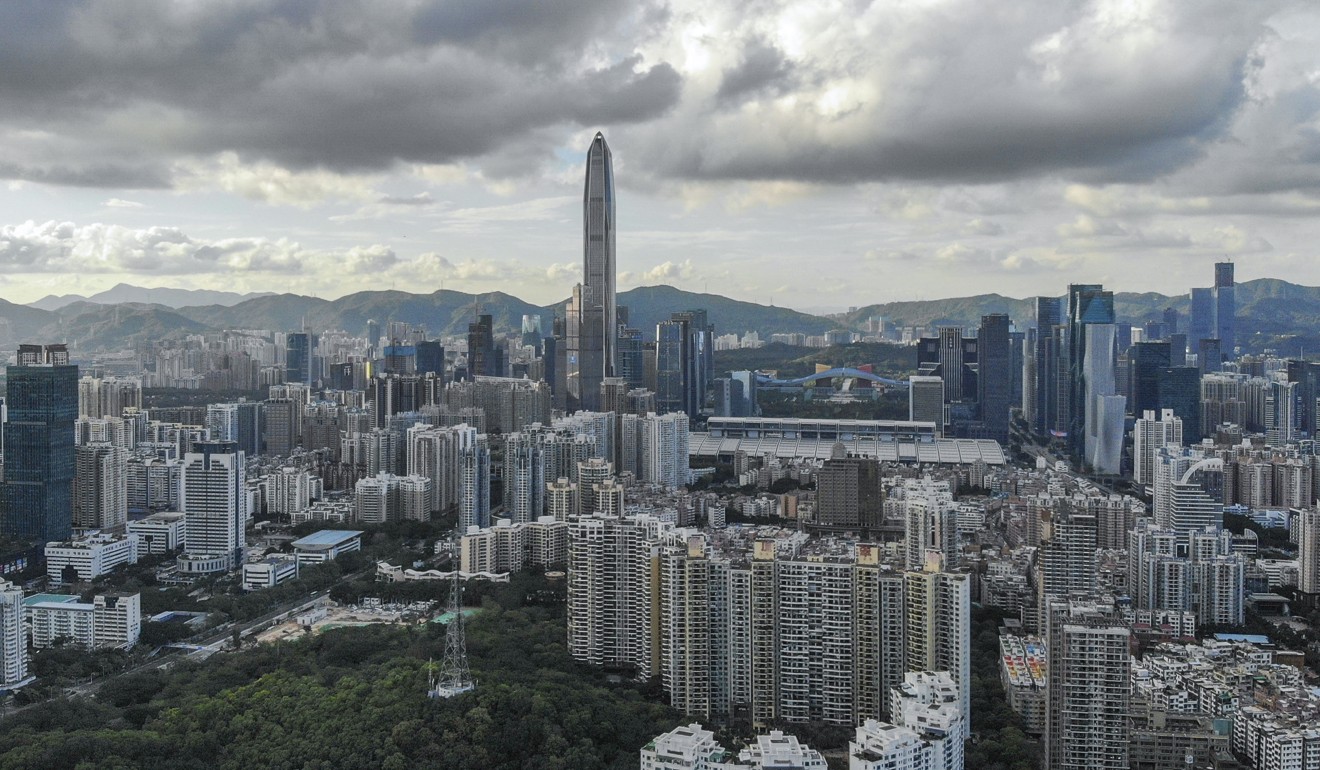
The Hong Kong Bay Area is known globally as the Silicon Valley of hardware. You show up there with 20,000 dollars and a basic whiff of an idea, and in no time you will have a prototype. You can choose to mass produce after that right there. Whether or not you can push the finished product into the market would be up to you. That is quite a bargain. That is innovation at bullet-train speed.

We have all been talking about how China is thick in the brain, how it simply does not get it. Ends up maybe not. They have started their political reforms the exact same way they started their economic reforms. Deng Xiaoping picked one place across the waters from Hong Kong. And once economic reforms were shown to work there they were then taken all over China.

Looks like Xi has picked that same spot for his political reforms.

China’s Shenzhen is using big data to become a smart ‘socialist model city’ Beijing tells southern technology centre to use ‘best modern governance practices that promote high quality and sustainable development’ ......... China will be the ‘world’s first modern powerhouse not built on the road of capitalism’, head of national economic planning agency says ....... Shenzhen is experimenting with a “party and technology” development model as it aims to become a “socialist model city”...... The city, which is known for its technology industry, was told by Beijing in August to find “the best modern governance practices that promote high quality and sustainable development so it can be held up as an example of civilised society of law and order where people enjoy a high degree of satisfaction”. ........

Shenzhen faced “unprecedented new tasks” which bore great significance for the rest of the country.

.......... The problems encountered in the modernisation of our country are likely to appear in Shenzhen first ...... it was Shenzhen’s pioneering role that had made such a pilot experiment important........ “Being a socialist pilot demonstration zone, the governance models that have proven successful in Shenzhen will be replicated in other Chinese cities” ....... the city began its big data and smart city plan in 2013....... As well as data sets covering populations and the economy, the official said Shenzhen had also built “thematic databases” that could empower officials who handled social disputes and public grievances......... As part of the city’s plan, Shenzhen also launched its “Weaving Net Project” in 2013 under which it divided the city into thousands of data zones and designated an “information collector” to each zone. ........ The system also uses 2 million surveillance cameras dotted about the city. ....... “About 80 per cent of criminal cases are solved with the help of video surveillance.

Almost all criminal cases can be solved in 24 or 48 hours with the help of these technologies”

....... the city had taken a much bolder data strategy than Hong Kong in using big data to enhance governance........ “The biggest difference between Hong Kong and Shenzhen is the mindset,” he said. “We are constantly looking for more efficient and advanced ways to run and govern the city, while Hong Kong believes in its ‘small government, non-interventionist’ approach.”......... Shenzhen could benefit from smart governance as it had a large population but only a small number of civil servants.......... the government’s data platforms had accumulated more than 22.1 billion pieces of data about

20 million people, 3.6 million companies and 14 million properties........ there were only about 40,000 civil servants in Shenzhen, of which about 25,000 were police officers

..... in 2013, Shenzhen was able to carry out predictive analysis of the public demand for education and health care services........ “The process of simplifying government approvals was a trigger for the government to carry out the restructuring reform


I think the Chinese have this attitude that, well, everyone in China is free to join the party. And once they join the party it is a meritocratic process. You can rise up the ranks based on your ability and work ethic. So it is a very democratic process. They also take great pride in having bureaucracies that actually work. They try to teach African countries the best practices from their own bureaucracies.

To that I say, that is all fine and dandy. Why not go one step further? Let the party offer two candidates for president every five years. And let ordinary Chinese pick one through a secret ballot. Let there be a universal franchise. Maybe that is where this Shenzen experiment will end up.

Shenzhen, Beijing lose out to Chengdu as China’s best performing city economy, says report Chengdu has for the third time scooped top spot among Chinese cities for economic performance........ As the provincial capital of Sichuan province, Chengdu – along with Chongqing – is one of the twin growth engines in China’s western region, having cemented its place as a manufacturing hub specialising in defence-related production....... “The city’s geographic location inside the Diamond Economic Zone makes it an important gateway for the southwest region. Investments in a 10,000km Chengdu-Europe Express Rail will help improve China’s logistical connection with the western world supporting the [Belt and Road] Initiative,” the report said........ Shenzhen, home to China’s version of Silicon Valley where technology giants Huawei and Tencent are based, dropped from first to second place............. President Xi Jinping’s endorsement of Shenzhen as a “key pilot zone for socialism” will allow the city to carry out bolder reforms and may mean it snaps up some of crisis-hit Hong Kong’s financial services.


Shenzhen turning its back on Hong Kong property model in favor of affordable public housing