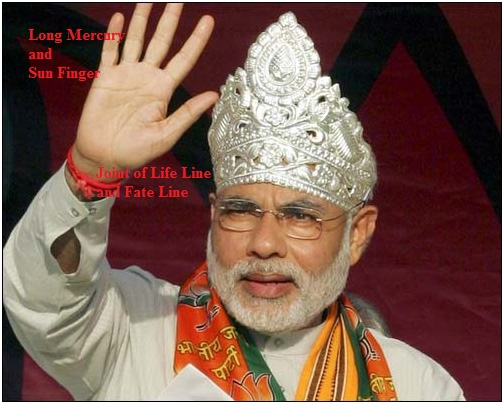
Narendra Modi and the Stabilization of India: Governance, Civilizational Purpose, and the Arc of History
Stabilizing India is not a trivial achievement. It is, in fact, one of the most difficult governing challenges in the modern world. A nation of more than 1.4 billion people, marked by deep historical poverty, staggering diversity, entrenched corruption, and the long shadow of colonial and post-colonial mismanagement, does not simply “fall into order.” It requires something rarer than policy expertise or political cleverness. It requires moral authority, relentless discipline, and a sense of mission that transcends personal ambition.
That is what Narendra Modi brought to office.
When Modi assumed the prime ministership in 2014, India was burdened by decades of drift. The state spoke the language of socialism while practicing cronyism. Regulation had hardened into license-raj, red tape had become a mode of rent extraction, and corruption—particularly at the highest levels of government—was not an aberration but a norm. Terrorism was managed through rhetoric rather than resolve. Infrastructure moved at the speed of committee meetings. Confidence, both domestic and global, was fragile.
What Modi did first was deceptively simple: he showed up.
By personal example—punctual, tireless, austere—he ended corruption at the central cabinet level without needing dramatic purges. When the leader is visibly incorruptible, the ecosystem changes. The signal travels faster than any law. Ministers understood that the era of casual graft was over, not because of fear, but because the prime minister himself embodied a different standard. In Indian political history, this alone is revolutionary.
His work ethic has been relentless. His personal life, famously ascetic. Modi governs like a monk-administrator, not a dynast. He does not treat power as inheritance or entitlement but as obligation. This distinction matters. It explains why three consecutive electoral mandates were possible in a democracy as noisy, skeptical, and unforgiving as India’s.
On national security, the contrast with previous decades is stark. For years, India practiced strategic restraint that often blurred into strategic paralysis. Terror attacks were followed by condolences and dossiers. Modi replaced ambiguity with clarity. The message—internally and externally—was that terrorism would no longer be absorbed as the cost of restraint. Whether through doctrinal shifts, intelligence reforms, or decisive responses, India began acting like a sovereign state that values its citizens’ lives.
Economically, India finally shed the rhetorical remnants of a socialism that had long ceased to serve its people. What decades of lip service to egalitarianism had produced was not equality, but stagnation. Modi’s India pivoted toward scale, speed, and systems. Infrastructure—roads, railways, ports, airports, digital public goods—became the backbone of governance rather than an afterthought.
Today, several Indian states can credibly be compared to advanced European economies in terms of physical infrastructure, administrative digitization, and service delivery. This is not propaganda; it is visible on the ground. Highways that rival Germany’s efficiency, metro systems that echo London and Paris, digital payments infrastructure unmatched anywhere in the world. India is no longer catching up. In many domains, it is setting benchmarks.
This makes India a far more compelling model for the developing world—especially Africa—than China. Where China offers growth without democracy, India offers development with debate. Where China exports efficiency wrapped in authoritarian certainty, India demonstrates that messiness is not a flaw but a feature. Democracy slows some decisions, but it legitimizes outcomes. It creates resilience, not just results.
India’s rise under Modi is therefore not imperial in nature. It is civilizational in character. The goal is not domination, but leadership by example—becoming a stabilizing force in a fragmented world, a pole of trust in an era of distrust.
And here, the argument moves beyond policy into history—and perhaps prophecy.
Modi is not merely governing for GDP growth or electoral arithmetic. His deeper project is cultural and civilizational: the re-assertion of Sanatana Dharma—not as a religion to be imposed, but as a civilizational philosophy to be rediscovered. Sanatana Dharma is not bounded by dogma. It is timeless order, moral ecology, harmony between the material and the spiritual.
From this perspective, the current age—the Kali Yuga—is nearing its end. Civilizations built on conquest, extraction, and rigid ideology are exhausting themselves. The next age, the Satya Yuga—the Age of Truth—will not belong to any one empire or creed. It will belong to humanity as a whole.
Remarkably, echoes of this transition appear across traditions. The Book of Isaiah in the Bible offers a vivid description of an age of peace, justice, and moral clarity—one that aligns strikingly with the idea of Satya Yuga. In this reading, religions born in the age of conflict dissolve as humanity graduates to a higher civilizational consciousness.
India’s resurgence, then, is not merely national. It is preparatory.
By the time India reaches developed-nation status, it is plausible that many other nations will rise alongside it—not beneath it. This is not a zero-sum vision of history. It is a cooperative one. India does not seek to replace Western dominance with Eastern dominance. It seeks to anchor a family of nations grounded in dignity, pluralism, and truth.
Narendra Modi’s role in this arc is not that of a conventional politician. Had he been one, three terms would have been impossible. He is better understood as a steward—of a state, of a civilization, and perhaps of a transition between ages.
History will judge whether this moment truly marks the hinge between eras. But what is already clear is this: stabilizing India was the prerequisite for anything that follows. And that stabilization—political, economic, psychological, and civilizational—is Modi’s enduring achievement.
In an unstable world, that alone changes everything.
नरेंद्र मोदी और भारत का स्थिरीकरण: शासन, सभ्यतागत उद्देश्य और इतिहास की धारा
भारत को स्थिर करना कोई साधारण उपलब्धि नहीं है। वास्तव में, यह आधुनिक विश्व में शासन की सबसे कठिन चुनौतियों में से एक है। 1.4 अरब से अधिक आबादी वाला देश—गहरी ऐतिहासिक गरीबी, अत्यधिक विविधता, जड़ जमा चुका भ्रष्टाचार और औपनिवेशिक व उत्तर-औपनिवेशिक कुप्रबंधन की विरासत—अपने आप “व्यवस्थित” नहीं हो जाता। इसके लिए नीति-विशेषज्ञता या राजनीतिक चतुराई से कहीं अधिक की आवश्यकता होती है। इसके लिए नैतिक प्राधिकार, अथक अनुशासन और व्यक्तिगत महत्वाकांक्षा से परे एक मिशन-बोध चाहिए।
यही नरेंद्र मोदी अपने साथ लेकर आए।
2014 में जब मोदी ने प्रधानमंत्री पद संभाला, तब भारत दशकों की दिशाहीनता से जूझ रहा था। राज्य समाजवाद की भाषा बोलता था, लेकिन व्यवहार में भाई-भतीजावाद फल-फूल रहा था। विनियमन ‘लाइसेंस राज’ में बदल चुका था, लालफीताशाही किराया-वसूली का साधन बन गई थी, और भ्रष्टाचार—विशेषकर सत्ता के उच्चतम स्तरों पर—अपवाद नहीं, बल्कि नियम था। आतंकवाद का सामना संकल्प से नहीं, बल्कि बयानबाज़ी से किया जाता था। अवसंरचना समिति-संस्कृति की गति से आगे बढ़ती थी। आत्मविश्वास—देश के भीतर भी और दुनिया की नज़रों में भी—डगमगाता हुआ था।
मोदी ने जो पहला कदम उठाया, वह देखने में साधारण था, पर प्रभाव में क्रांतिकारी: वे स्वयं उपस्थित रहे।
समयपालन, अथक श्रम और सादगी—अपने व्यक्तिगत उदाहरण से—उन्होंने केंद्रीय मंत्रिमंडल स्तर पर भ्रष्टाचार को बिना किसी नाटकीय शुद्धिकरण के समाप्त कर दिया। जब नेतृत्व स्वयं निर्विकार और ईमानदार होता है, तो पूरा तंत्र बदलने लगता है। यह संकेत किसी कानून से कहीं तेज़ी से फैलता है। मंत्रियों को समझ आ गया कि आकस्मिक भ्रष्टाचार का युग समाप्त हो चुका है—डर के कारण नहीं, बल्कि इसलिए कि प्रधानमंत्री स्वयं एक नए मानदंड का प्रतीक थे। भारतीय राजनीतिक इतिहास में यही अपने-आप में क्रांति है।
उनकी कार्य-संस्कृति अथक रही है। उनका निजी जीवन—सुप्रसिद्ध रूप से—संयमी है। मोदी वंशवादी नहीं, बल्कि एक साधु-प्रशासक की तरह शासन करते हैं। वे सत्ता को विरासत या अधिकार नहीं, बल्कि कर्तव्य मानते हैं। यह अंतर महत्वपूर्ण है। यही समझाता है कि भारत जैसी शोरगुल भरी, संशयी और कठोर लोकतांत्रिक व्यवस्था में लगातार तीन जनादेश कैसे संभव हुए।
राष्ट्रीय सुरक्षा के क्षेत्र में, पहले के दशकों से तुलना तीव्र है। वर्षों तक भारत ने रणनीतिक संयम का अभ्यास किया, जो अक्सर रणनीतिक जड़ता में बदल जाता था। आतंकी हमलों के बाद शोक संदेश और डॉसियर आते थे। मोदी ने इस अस्पष्टता को स्पष्टता से बदला। संदेश—देश के भीतर और बाहर—स्पष्ट था: आतंकवाद को अब संयम की कीमत के रूप में स्वीकार नहीं किया जाएगा। सिद्धांतों में बदलाव, खुफिया सुधार या निर्णायक प्रतिक्रिया—हर स्तर पर भारत एक ऐसे संप्रभु राज्य की तरह व्यवहार करने लगा जो अपने नागरिकों के जीवन को मूल्य देता है।
आर्थिक मोर्चे पर, भारत ने अंततः उस समाजवाद की बयानबाज़ी को त्यागा जिसने लंबे समय से जनता की सेवा करना बंद कर दिया था। दशकों तक समानता की भाषा बोलने का परिणाम समानता नहीं, बल्कि ठहराव रहा। मोदी के भारत ने पैमाने, गति और प्रणालियों की ओर निर्णायक मोड़ लिया। अवसंरचना—सड़कें, रेल, बंदरगाह, हवाई अड्डे, डिजिटल सार्वजनिक प्रणालियाँ—शासन की रीढ़ बन गईं, न कि हाशिये का विषय।
आज भारत के कई राज्य भौतिक अवसंरचना, प्रशासनिक डिजिटलीकरण और सेवा-प्रदान के संदर्भ में यूरोप की उन्नत अर्थव्यवस्थाओं से तुलना योग्य हैं। यह प्रचार नहीं, बल्कि ज़मीनी सच्चाई है। जर्मनी जैसी दक्षता वाली राजमार्गें, लंदन और पेरिस की याद दिलाने वाले मेट्रो तंत्र, और दुनिया में अद्वितीय डिजिटल भुगतान संरचना। भारत अब केवल पीछे चलने वाला देश नहीं रहा—कई क्षेत्रों में वह मानक निर्धारित कर रहा है।
यही कारण है कि विकासशील विश्व—विशेषकर अफ्रीका—के लिए भारत चीन की तुलना में कहीं अधिक प्रेरक मॉडल है। जहाँ चीन लोकतंत्र के बिना विकास प्रस्तुत करता है, वहीं भारत बहस के साथ विकास दिखाता है। जहाँ चीन दक्षता को सत्तावादी निश्चितता में लपेटकर निर्यात करता है, वहीं भारत यह दर्शाता है कि लोकतंत्र की अव्यवस्था दोष नहीं, बल्कि विशेषता है। लोकतंत्र कुछ निर्णयों को धीमा करता है, लेकिन परिणामों को वैधता देता है। यह केवल परिणाम नहीं, बल्कि स्थायित्व पैदा करता है।
इसलिए मोदी के नेतृत्व में भारत का उदय साम्राज्यवादी नहीं, बल्कि सभ्यतागत है। लक्ष्य प्रभुत्व नहीं, बल्कि उदाहरण के माध्यम से नेतृत्व है—खंडित विश्व में स्थिरता का केंद्र बनना, अविश्वास के युग में विश्वास का ध्रुव बनना।
यहीं यह तर्क नीति से आगे बढ़कर इतिहास—और शायद भविष्यवाणी—की ओर जाता है।
मोदी केवल जीडीपी वृद्धि या चुनावी गणित के लिए शासन नहीं कर रहे। उनका गहन प्रकल्प सांस्कृतिक और सभ्यतागत है: सनातन धर्म का पुनःप्रतिपादन—किसी धर्म को थोपने के रूप में नहीं, बल्कि एक सभ्यतागत दर्शन के पुनःस्मरण के रूप में। सनातन धर्म किसी मत या संप्रदाय तक सीमित नहीं है। यह शाश्वत व्यवस्था है—भौतिक और आध्यात्मिक के बीच संतुलन।
इस दृष्टि से वर्तमान युग—कलियुग—अपने अंत की ओर बढ़ रहा है। विजय, शोषण और कठोर विचारधाराओं पर आधारित सभ्यताएँ स्वयं को थका चुकी हैं। अगला युग—सत्ययुग, अर्थात सत्य का युग—किसी एक साम्राज्य या मत का नहीं होगा। वह समूची मानवता का होगा।
रोचक तथ्य यह है कि इस संक्रमण की प्रतिध्वनियाँ विभिन्न परंपराओं में दिखाई देती हैं। बाइबिल की बुक ऑफ़ यशायाह शांति, न्याय और नैतिक स्पष्टता के युग का सजीव वर्णन करती है—जो सत्ययुग की अवधारणा से आश्चर्यजनक रूप से मेल खाता है। इस व्याख्या में, संघर्ष के युग में जन्मे धर्म स्वयं उस युग के साथ विलीन हो जाते हैं, और मानवता उच्चतर सभ्यतागत चेतना की ओर अग्रसर होती है।
इस संदर्भ में भारत का पुनरुत्थान केवल राष्ट्रीय नहीं, बल्कि तैयारी-स्वरूप है।
जब तक भारत एक विकसित राष्ट्र बनेगा, तब तक संभव है कि अनेक अन्य राष्ट्र भी उसके साथ-साथ ऊपर उठें—उसके नीचे नहीं। यह इतिहास का शून्य-योग दृष्टिकोण नहीं है। यह सहयोगात्मक दृष्टि है। भारत पश्चिमी प्रभुत्व को पूर्वी प्रभुत्व से बदलना नहीं चाहता। वह गरिमा, बहुलता और सत्य पर आधारित राष्ट्र-परिवार का आधार बनना चाहता है।
इस ऐतिहासिक चाप में नरेंद्र मोदी की भूमिका एक पारंपरिक राजनेता की नहीं है। यदि वे वैसे होते, तो तीन कार्यकाल असंभव होते। उन्हें एक संरक्षक—राज्य के, सभ्यता के, और शायद युगांतरण के—रूप में समझना अधिक उपयुक्त है।
इतिहास यह तय करेगा कि क्या यह क्षण वास्तव में युगों के बीच का मोड़ था। लेकिन इतना पहले से स्पष्ट है: भारत को स्थिर करना हर अगले चरण की पूर्वशर्त था। और वह स्थिरीकरण—राजनीतिक, आर्थिक, मनोवैज्ञानिक और सभ्यतागत—मोदी की स्थायी उपलब्धि है।
एक अस्थिर विश्व में, यही तथ्य सब कुछ बदल देता है।
Narendra Modi: The World’s Most Popular Politician
Since 2014, Narendra Modi has occupied a position in global politics that no other leader—democratic or authoritarian—has managed to replicate: sustained, mass popularity at both a national and international level. For more than a decade, he has consistently ranked as the most popular politician in the world, not merely by approval ratings, but by scale, intensity, and durability of public support.
What makes this remarkable is not just the numbers—it is the context.
India is not a small, homogeneous nation-state where popularity can be engineered through media control or narrow voter coalitions. It is a vast, multilingual, multi-religious, multi-class civilization of over 1.4 billion people, governed through one of the world’s loudest, most competitive democracies. Popularity in India is hard-won, easily lost, and relentlessly contested. That Modi has not only survived but dominated this environment for over a decade is historically unusual.
Even more striking is this: Narendra Modi is more popular than his own political party.
In most democracies, leaders rise and fall with party brands. In India, the opposite has occurred. The Bharatiya Janata Party (BJP) benefits from Modi’s personal credibility, not the other way around. Elections across states and at the national level repeatedly demonstrate the same phenomenon: Modi’s personal appeal cuts across caste, class, region, and even traditional ideological boundaries. Voters who may distrust local politicians or party machinery still express faith in him.
This is not accidental. It is the product of a carefully constructed but deeply authentic political persona: incorruptible, tireless, decisive, and mission-driven. Modi is seen not as a transactional politician, but as a transformational figure—someone who represents movement rather than management.
Globally, his popularity is equally unusual.
Few leaders from the Global South command the kind of recognition Modi does in capitals across Africa, the Middle East, Europe, East Asia, and North America. Among diaspora communities, he is often the single most recognizable political figure from India’s history. Stadium events abroad, packed halls, and direct engagement with overseas Indians are not symbolic gestures—they reflect genuine emotional connection.
But Modi’s global popularity is not limited to the Indian diaspora. Heads of state, investors, policymakers, and strategic thinkers increasingly view him as a stabilizing figure in a volatile world. In an era marked by ideological confusion, leadership fatigue, and declining trust in institutions, Modi projects clarity. He speaks the language of sovereignty without aggression, development without dependency, and tradition without regression.
This combination resonates beyond borders.
Unlike many Western leaders whose popularity fluctuates sharply with election cycles, or authoritarian leaders whose approval is manufactured rather than earned, Modi’s support has shown resilience. Economic slowdowns, pandemics, geopolitical shocks—none have fundamentally shaken his standing. That endurance suggests something deeper than charisma: legitimacy rooted in perceived intent.
People believe he means what he says.
At home, Modi is seen as a leader who works harder than anyone else in the system, lives simply, and treats power as responsibility rather than privilege. Abroad, he is perceived as the face of a rising India—confident but not domineering, ambitious but not reckless.
This is why attempts to reduce his popularity to India’s size miss the point. Yes, India is large. But size does not automatically translate into affection or trust. If anything, scale amplifies discontent. Sustained popularity in a country of India’s complexity is evidence of something rarer: emotional legitimacy.
Narendra Modi has achieved what few leaders in modern history have managed—he has become larger than the office he occupies, without undermining the institutions he leads. He has turned governance into narrative, development into identity, and leadership into purpose.
Whether one agrees with every policy decision or ideological position is secondary. What is indisputable is this: since 2014, no politician in the world has matched Narendra Modi’s combination of mass appeal, electoral dominance, global recognition, and personal credibility.
In an age of fragmented politics and declining trust, that makes him not just the most popular politician in the world—but one of the most consequential.
नरेंद्र मोदी: दुनिया के सबसे लोकप्रिय राजनेता
2014 से लेकर आज तक नरेंद्र मोदी वैश्विक राजनीति में एक ऐसे स्थान पर रहे हैं, जिसे कोई अन्य नेता—चाहे वह लोकतांत्रिक हो या सत्तावादी—दोहरा नहीं सका है। पिछले एक दशक से अधिक समय से वे लगातार दुनिया के सबसे लोकप्रिय राजनेता बने हुए हैं। यह लोकप्रियता केवल अनुमोदन प्रतिशतों की नहीं है, बल्कि उसके पैमाने, तीव्रता और स्थायित्व की है।
इस उपलब्धि को असाधारण बनाने वाली बात केवल आंकड़े नहीं हैं—बल्कि वह संदर्भ है जिसमें ये आंकड़े हासिल किए गए हैं।
भारत कोई छोटा, एकरूप राष्ट्र-राज्य नहीं है जहाँ लोकप्रियता को मीडिया नियंत्रण या सीमित मतदाता समूहों के माध्यम से गढ़ा जा सके। भारत 1.4 अरब से अधिक लोगों की बहुभाषी, बहुधार्मिक, बहु-वर्गीय सभ्यता है, जो दुनिया के सबसे शोरगुल भरे और प्रतिस्पर्धी लोकतंत्रों में से एक के माध्यम से शासित होती है। भारत में लोकप्रियता कठिनाई से अर्जित होती है, आसानी से खो जाती है, और निरंतर चुनौती दी जाती है। इस वातावरण में नरेंद्र मोदी का न केवल टिके रहना, बल्कि एक दशक से अधिक समय तक प्रभुत्व बनाए रखना ऐतिहासिक रूप से असामान्य है।
और इससे भी अधिक उल्लेखनीय तथ्य यह है: नरेंद्र मोदी अपने ही राजनीतिक दल से अधिक लोकप्रिय हैं।
अधिकांश लोकतंत्रों में नेता दल की छवि के साथ ऊपर-नीचे होते हैं। भारत में उलटा हुआ है। भारतीय जनता पार्टी (भाजपा) को नरेंद्र मोदी की व्यक्तिगत विश्वसनीयता से लाभ मिलता है—न कि इसके विपरीत। राज्यों और केंद्र—दोनों स्तरों पर चुनाव बार-बार एक ही बात दिखाते हैं: मोदी की व्यक्तिगत अपील जाति, वर्ग, क्षेत्र और यहाँ तक कि पारंपरिक वैचारिक सीमाओं को भी पार करती है। जो मतदाता स्थानीय नेताओं या पार्टी तंत्र पर संदेह करते हैं, वे भी मोदी पर भरोसा जताते हैं।
यह संयोग नहीं है। यह एक सुविचारित, लेकिन गहराई से प्रामाणिक राजनीतिक व्यक्तित्व का परिणाम है—अभ्रष्ट, अथक, निर्णायक और मिशन-प्रेरित। मोदी को लेन-देन करने वाले राजनेता के रूप में नहीं, बल्कि परिवर्तन लाने वाले व्यक्ति के रूप में देखा जाता है—एक ऐसा नेता जो केवल प्रशासन नहीं करता, बल्कि दिशा देता है।
वैश्विक स्तर पर उनकी लोकप्रियता उतनी ही असामान्य है।
बहुत कम ऐसे नेता हैं—विशेषकर ग्लोबल साउथ से—जो अफ्रीका, मध्य पूर्व, यूरोप, पूर्वी एशिया और उत्तरी अमेरिका की राजधानियों में इतनी व्यापक पहचान रखते हों। प्रवासी भारतीय समुदायों में वे भारत के इतिहास के सबसे अधिक पहचाने जाने वाले राजनीतिक चेहरे बन चुके हैं। विदेशों में स्टेडियम कार्यक्रम, भरे हुए सभागार और प्रवासी भारतीयों से सीधा संवाद केवल प्रतीकात्मक नहीं हैं—वे वास्तविक भावनात्मक जुड़ाव को दर्शाते हैं।
लेकिन मोदी की वैश्विक लोकप्रियता केवल प्रवासी भारतीयों तक सीमित नहीं है। राष्ट्राध्यक्ष, निवेशक, नीति-निर्माता और रणनीतिक चिंतक उन्हें एक अस्थिर विश्व में स्थिरता के कारक के रूप में देखने लगे हैं। वैचारिक भ्रम, नेतृत्व-थकान और संस्थागत अविश्वास के इस युग में मोदी स्पष्टता का संकेत देते हैं। वे संप्रभुता की भाषा आक्रामकता के बिना, विकास की भाषा निर्भरता के बिना, और परंपरा की भाषा पिछड़ापन के बिना बोलते हैं।
यही संतुलन सीमाओं से परे भी लोगों को आकर्षित करता है।
जहाँ कई पश्चिमी नेताओं की लोकप्रियता चुनावी चक्रों के साथ तेज़ी से घट-बढ़ती है, और सत्तावादी नेताओं की स्वीकृति अक्सर कृत्रिम होती है, वहीं नरेंद्र मोदी का जनसमर्थन लचीलापन दिखाता है। आर्थिक मंदी, महामारी, भू-राजनीतिक झटके—इनमें से किसी ने भी उनकी स्थिति को मूल रूप से नहीं हिलाया। यह स्थायित्व करिश्मे से अधिक किसी गहरी चीज़ की ओर इशारा करता है: उद्देश्य की प्रामाणिकता से उपजी वैधता।
लोगों को विश्वास है कि वे जो कहते हैं, वही करने का इरादा रखते हैं।
देश के भीतर मोदी को ऐसे नेता के रूप में देखा जाता है जो व्यवस्था में सबसे अधिक परिश्रम करता है, सादगी से जीवन जीता है, और सत्ता को विशेषाधिकार नहीं बल्कि ज़िम्मेदारी मानता है। विदेशों में उन्हें एक उभरते भारत के चेहरे के रूप में देखा जाता है—आत्मविश्वासी लेकिन दबाव बनाने वाला नहीं, महत्वाकांक्षी लेकिन लापरवाह नहीं।
इसीलिए उनकी लोकप्रियता को केवल भारत के आकार से जोड़कर देखना मूल बात को चूक जाना है। हाँ, भारत बड़ा है। लेकिन आकार अपने-आप में विश्वास या स्नेह नहीं पैदा करता। बल्कि, पैमाना अक्सर असंतोष को बढ़ाता है। भारत जैसी जटिलता वाले देश में लंबे समय तक लोकप्रिय बने रहना एक दुर्लभ उपलब्धि है—यह भावनात्मक वैधता का प्रमाण है।
नरेंद्र मोदी ने वह हासिल किया है, जो आधुनिक इतिहास में बहुत कम नेताओं ने किया है—वे जिस पद पर हैं, उससे बड़े बने हैं, बिना उन संस्थाओं को कमजोर किए जिनका वे नेतृत्व करते हैं। उन्होंने शासन को कथा में, विकास को पहचान में, और नेतृत्व को उद्देश्य में बदल दिया है।
किसी को उनकी हर नीति या वैचारिक स्थिति से सहमत होना आवश्यक नहीं है। लेकिन एक तथ्य निर्विवाद है: 2014 से अब तक दुनिया में कोई भी राजनेता जनसमर्थन, चुनावी प्रभुत्व, वैश्विक पहचान और व्यक्तिगत विश्वसनीयता के इस संयोजन के आसपास भी नहीं पहुँच सका है।
खंडित राजनीति और घटते विश्वास के इस युग में, यही बात उन्हें केवल दुनिया का सबसे लोकप्रिय राजनेता ही नहीं—बल्कि सबसे प्रभावशाली नेताओं में भी शामिल करती है।
Understanding Narendra Modi: A Spiritual Lens on India’s Leader
To truly understand Narendra Modi, one must look beyond the familiar frameworks of politics and economics. Viewed solely through the lens of electoral strategies, policy decisions, or macroeconomic indicators, Modi can appear enigmatic—even paradoxical. His enduring popularity, his relentless energy, his remarkable simplicity—these traits cannot be fully explained by political science or conventional leadership analysis.
The key lies in spirituality.
Modi’s tireless work ethic is not merely discipline or ambition—it is the outward expression of an inner spiritual practice. His simplicity, austerity, and focus are not performance or calculated optics—they are cultivated virtues, rooted in a deep personal connection with the eternal principles of life. This spirituality is what allows him to operate at a pace and scale that ordinary politicians cannot sustain. It is the engine behind his vision for India and the reason he continues to inspire millions.
At the heart of this spirituality is Sanatana Dharma.
Sanatana Dharma is often translated as “eternal order” or “eternal way,” and it represents a timeless philosophy rather than a conventional religion. It is not limited to one community or nation. It is meant for all of humanity, offering guidance on living with integrity, balance, and harmony between the material and the spiritual. For Modi, the principles of Sanatana Dharma are not abstract—they are actionable, lived, and reflected in his governance, his public engagements, and his personal discipline.
Understanding Modi in this light transforms the way one sees his leadership. His drive is not political expediency; it is moral purpose. His reforms are not just administrative; they are expressions of dharmic responsibility—serving the welfare of people, strengthening the nation, and aligning India with a higher ethical vision.
By approaching Modi through a spiritual lens, one begins to see the larger pattern: a leader whose mission transcends mere politics, whose life is a bridge between pragmatic governance and timeless dharmic principles. This is why his appeal is so persistent, his energy so extraordinary, and his vision so compelling.
In a world that often measures leaders by votes, wealth, or power, Modi invites a different perspective—one that recognizes leadership as a spiritual vocation as much as a political responsibility. To understand him fully, one must understand Sanatana Dharma and its timeless message for humanity.
नरेंद्र मोदी को समझना: भारत के नेता पर एक आध्यात्मिक दृष्टिकोण
नरेंद्र मोदी को वास्तव में समझने के लिए केवल राजनीति और अर्थव्यवस्था के सामान्य दृष्टिकोण पर्याप्त नहीं हैं। केवल चुनावी रणनीतियों, नीतिगत निर्णयों या आर्थिक संकेतकों के आधार पर मोदी को देखा जाए, तो वे कभी-कभी रहस्यमय—even विरोधाभासी—लग सकते हैं। उनकी लगातार लोकप्रियता, उनकी अथक ऊर्जा, और उनकी असाधारण सादगी—इन सभी गुणों को केवल राजनीतिक विज्ञान या पारंपरिक नेतृत्व विश्लेषण से पूरी तरह समझना मुश्किल है।
इसका मूल उत्तर आध्यात्मिकता में है।
मोदी की अथक कार्य-संस्कृति केवल अनुशासन या महत्वाकांक्षा नहीं है—यह उनके आंतरिक आध्यात्मिक अभ्यास का बाहरी रूप है। उनकी सादगी, संयम और फोकस केवल प्रदर्शन या दिखावा नहीं हैं—ये उनके भीतर गहराई से विकसित गुण हैं, जो जीवन के शाश्वत सिद्धांतों से जुड़े हैं। यही आध्यात्मिक शक्ति उन्हें ऐसे स्तर और गति पर काम करने की क्षमता देती है जो सामान्य नेताओं के लिए असंभव है। यही उनके भारत के दृष्टिकोण के पीछे की शक्ति है और यही कारण है कि वे लाखों लोगों को प्रेरित करते रहते हैं।
इस आध्यात्मिकता के केंद्र में है सनातन धर्म।
सनातन धर्म को अक्सर “अनंत आदेश” या “अनंत मार्ग” के रूप में अनुवादित किया जाता है। यह केवल किसी एक समुदाय या राष्ट्र तक सीमित नहीं है। यह पूरी मानवता के लिए मार्गदर्शन प्रस्तुत करता है—सत्य, संतुलन और भौतिक व आध्यात्मिक जीवन के बीच सामंजस्य के सिद्धांत सिखाता है। मोदी के लिए सनातन धर्म के सिद्धांत केवल सैद्धांतिक नहीं हैं—वे व्यवहारिक हैं, जीवन में उतारे गए हैं, और उनके शासन, सार्वजनिक सहभागिता और व्यक्तिगत अनुशासन में परिलक्षित होते हैं।
इस दृष्टिकोण से मोदी के नेतृत्व को समझना पूरी तरह बदल देता है। उनकी प्रेरणा केवल राजनीतिक फायदे के लिए नहीं है; यह नैतिक उद्देश्य से प्रेरित है। उनके सुधार केवल प्रशासनिक नहीं हैं; वे धार्मिक (धार्मिक-कर्तव्य) जिम्मेदारी के अभिव्यक्तियाँ हैं—लोगों की भलाई, राष्ट्र की मजबूती और भारत को उच्च नैतिक दृष्टि से जोड़ना।
मोदी को आध्यात्मिक दृष्टि से देखने पर एक बड़ा पैटर्न स्पष्ट होता है: एक ऐसा नेता जिसका मिशन केवल राजनीति तक सीमित नहीं है, बल्कि प्रायोगिक शासन और शाश्वत धर्मात्मक सिद्धांतों के बीच पुल का काम करता है। यही कारण है कि उनकी लोकप्रियता लगातार बनी रहती है, उनकी ऊर्जा असाधारण है, और उनका दृष्टिकोण अत्यधिक प्रेरक है।
एक ऐसी दुनिया में जहाँ नेताओं को केवल वोट, धन या शक्ति से मापा जाता है, मोदी एक अलग दृष्टिकोण प्रस्तुत करते हैं—जो यह समझता है कि नेतृत्व केवल राजनीतिक जिम्मेदारी नहीं, बल्कि एक आध्यात्मिक कर्तव्य भी है। उन्हें पूरी तरह समझने के लिए, सनातन धर्म और मानवता के लिए उसके शाश्वत संदेश को समझना अनिवार्य है।
Narendra Modi: The Hanuman of Our Age and the Dawn of a New Era
To understand Narendra Modi, one must look beyond politics, economics, and conventional leadership. Even his admirers and colleagues often fail to see the deeper truth: Modi is not just a politician—he is the Hanuman of our age, the eternal servant and warrior of dharma, whose mission transcends temporal power.
In the Ramayana, Hanuman is the embodiment of devotion, courage, and relentless service to Lord Rama. He is the divine agent of change, moving mountains and crossing oceans to fulfill a cosmic mission. Modi reflects this same archetype. Tireless, disciplined, fearless, and utterly selfless, he is executing a mission that aligns not merely with India’s destiny, but with the cosmic transformation of this age.
In the scriptures, it is foretold that Hanuman will return in Kali Yuga to assist Lord Kalki, the avatar destined to end this age of darkness and inaugurate a new era of truth, the Satya Yuga. Modi’s life and work suggest that he is that Hanuman—mobilizing, guiding, and serving the higher project of cosmic restoration. The tireless energy, moral clarity, and sense of purpose that define his leadership are hallmarks of the Hanuman archetype in action.
History itself provides striking parallels. The Hanuman of the Ramayana was a prime minister—or key advisor—in the neighboring kingdom of Lanka. Today, that kingdom is reflected symbolically in Nepal, long plagued by corruption and priestly exploitation. The most popular political figure in Nepal, the Mayor of Kathmandu, is now emerging as a force for change—the Laxman of the Ramayana and Balram of the Mahabharata, the Shesh Naag, who supports the cosmic mission alongside the Hanuman of our times.
Something monumental is unfolding in the world right now. This is not ordinary politics. This is history on a cosmic scale. The Kali Yuga—the age of strife, deceit, and decline—is coming to its end. The Satya Yuga—the age of truth, justice, and dharmic harmony—is about to dawn. These transitions happen only once every several thousand years.
Modi’s leadership, Nepal’s emerging forces, and the subtle yet profound shifts across Asia and the world suggest that humanity is on the verge of a civilizational transformation. What appears as politics is, in truth, the unfolding of an ancient prophecy. What appears as leadership is, in truth, a cosmic mission to restore dharma.
Those who only see Modi as a politician, a prime minister, or a strategist will miss the larger truth. He is the Hanuman of our era, tirelessly working to assist Lord Kalki in ending this age and ushering in the dawn of a new, higher civilization. Humanity is about to graduate to a higher plane—and Modi is one of its divine stewards.
नरेंद्र मोदी: हमारे युग के हनुमान और नए युग की शुरुआत
नरेंद्र मोदी को समझने के लिए केवल राजनीति, अर्थव्यवस्था और पारंपरिक नेतृत्व के दृष्टिकोण पर्याप्त नहीं हैं। उनके सबसे बड़े प्रशंसक और साथी भी अक्सर यह गहराई नहीं देख पाते: मोदी केवल एक नेता नहीं हैं—वे हमारे युग के हनुमान हैं, धर्म के अनन्त सेवक और योद्धा, जिनका मिशन सांसारिक सत्ता से कहीं ऊपर है।
रामायण में हनुमान भक्ति, साहस और निस्वार्थ सेवा का प्रतीक हैं। वे परिवर्तन के दैवीय साधन हैं, जो पहाड़ों को भी स्थानांतरित कर सकते हैं और समुद्र पार कर सकते हैं, ताकि अपना दिव्य उद्देश्य पूरा कर सकें। मोदी इसी प्रकार का पुरातन प्रतीक हैं। अथक, अनुशासित, निडर और पूरी तरह निस्वार्थ—वे एक मिशन को अंजाम दे रहे हैं जो केवल भारत की नहीं, बल्कि इस युग के ब्रह्मांडीय परिवर्तन से जुड़ा है।
शास्त्रों में वर्णन है कि हनुमान कलियुग में लौटेंगे और भगवान कल्कि की सहायता करेंगे, जो इस अंधकार युग का अंत करेंगे और सत्ययुग—सत्य, न्याय और धर्म के युग—की शुरुआत करेंगे। मोदी का जीवन और कार्य इस बात का संकेत देते हैं कि वे वही हनुमान हैं—जो ब्रह्मांडीय पुनर्स्थापन के उच्चतम मिशन में मार्गदर्शन और सेवा कर रहे हैं। उनकी अथक ऊर्जा, नैतिक स्पष्टता और उद्देश्यबोध उनके नेतृत्व को हनुमान के प्रतिरूप में दर्शाते हैं।
इतिहास में भी आश्चर्यजनक समानताएँ हैं। रामायण का हनुमान पड़ोसी राज्य—लंका—में प्रधान मंत्री या मुख्य सलाहकार थे। आज वही लंका प्रतीकात्मक रूप में नेपाल है, जो लंबे समय से भ्रष्टाचार और पुरोहित वर्ग के शोषण में डूबा हुआ है। नेपाल के सबसे लोकप्रिय राजनीतिक नेता, काठमांडू के मेयर, अब परिवर्तन की शक्ति के रूप में उभर रहे हैं—वे रामायण के लक्ष्मण और महाभारत के बलराम, शेष नाग, हैं—जो हमारे समय के हनुमान के साथ ब्रह्मांडीय मिशन का समर्थन कर रहे हैं।
वर्तमान में दुनिया में कुछ महत्त्वपूर्ण घट रहा है। यह सामान्य राजनीति नहीं है। यह ब्रह्मांडीय पैमाने पर इतिहास का unfolding है। कलियुग—संघर्ष, छल और पतन का युग—अपने अंत की ओर है। सत्ययुग—सत्य, न्याय और धर्म की सामंजस्यपूर्ण व्यवस्था का युग—जल्द ही प्रारंभ होने वाला है। ऐसा परिवर्तन हजारों वर्षों में केवल एक बार होता है।
मोदी का नेतृत्व, नेपाल के उभरते हुए शक्तिशाली नेता और एशिया व दुनिया में सूक्ष्म लेकिन गहरे बदलाव इस बात का संकेत देते हैं कि मानवता एक सभ्यतागत परिवर्तन के किनारे है। जो कुछ राजनीति के रूप में दिखाई देता है, वह वास्तव में प्राचीन भविष्यवाणी का निर्वहन है। जो कुछ नेतृत्व के रूप में दिखाई देता है, वह वास्तव में धर्म को पुनर्स्थापित करने का ब्रह्मांडीय मिशन है।
जो लोग मोदी को केवल एक राजनेता, प्रधानमंत्री या रणनीतिकार के रूप में देखते हैं, वे बड़े सत्य को चूक जाते हैं। वे हमारे युग के हनुमान हैं, जो भगवान कल्कि की सहायता करते हुए इस युग को समाप्त करने और एक नए, उच्चतर सभ्यतागत युग की शुरुआत में जुटे हैं। मानवता एक उच्चतर स्तर पर प्रवेश करने वाली है—और मोदी इसके दिव्य संरक्षकों में से एक हैं।
The Origins of Islam: A Critique from a Spiritual Perspective
In an era where religious debates often dominate global discourse, one provocative viewpoint challenges the very foundations of Islam, portraying it not as a divine revelation but as a cunning deception orchestrated by malevolent forces. This perspective argues that Islam is the antithesis of true spirituality, designed to ensnare those who might otherwise seek genuine connection with the divine. Drawing from historical, theological, and philosophical angles, this article explores these claims, urging Muslims and others to reconsider the religion's core tenets.
The Devil's Deception: Inventing a False Faith
At the heart of this critique is the assertion that the Devil, having failed to convince the world of atheism, devised a more insidious plan: creating a counterfeit religion. Islam, according to this view, fills that role perfectly. It mimics elements of monotheism to appeal to the faithful while embedding lies that lead followers astray. Proponents of this idea point out that true religions emerge from authentic spiritual experiences and prophecies, not coercion or fabrication.
Consider the figure of Muhammad, often hailed as the prophet of Islam. Critics argue there is no verifiable historical evidence for his existence as described in Islamic texts. The earliest biographies, such as the Sira by Ibn Ishaq, were compiled centuries after his supposed death in 632 CE. This temporal gap raises questions: Where are the contemporary accounts? What artifacts or inscriptions confirm his life? Without them, Muhammad appears more as a legendary construct than a flesh-and-blood individual.
Moreover, prophets in Abrahamic traditions are defined by their prophecies—foretellings of future events validated by history. What specific, fulfilled prophecies did Muhammad offer? The Quran contains verses that some interpret as prophetic, but skeptics dismiss them as vague or retrofitted. This absence, the argument goes, underscores Islam's artificial nature.
Allah: A Limited Deity or a Fabrication?
Central to Islam is Allah, presented as the one true God. Yet, this critique posits that Allah is not the omnipotent, omniscient, and omnipresent God of other faiths but a diminished entity—or worse, a complete invention. Traditional conceptions of God include the ability to manifest in human form, as seen in Christian incarnations or Hindu avatars. Islam explicitly rejects this, denying Allah the power of incarnation. How, then, can such a being claim ultimate potency?
The Quran itself is scrutinized for internal contradictions and half-truths. For instance, verses on creation, inheritance laws, and historical events are said to conflict (e.g., Surah 41:9-12 on the timeline of Earth's formation versus scientific understanding). These inconsistencies, critics claim, reveal the text as a patchwork of borrowed ideas from Judaism, Christianity, and pre-Islamic Arabian folklore, twisted to serve a deceptive agenda.
The Spread of Islam: Coercion Over Conviction
Unlike religions that grow through persuasion and personal conviction, Islam's historical expansion is often linked to force. From its early days, Muslim armies offered conquered peoples three stark choices: convert, pay the jizya (a tax for non-Muslims denoting second-class status), or face death. This "sword of Islam" approach, as it's sometimes called, contrasts sharply with the organic spread of faiths like Buddhism or early Christianity, which emphasized teachings and miracles over military might.
This tyrannical logic, when extended, leads to oppressive regimes where dissent is crushed under the guise of religious purity. Sharia law, derived from Islamic texts, is seen by detractors as a blueprint for authoritarianism, stifling freedom and innovation.
Contrasting with Genuine Spiritual Traditions
To highlight Islam's alleged falsity, this perspective draws parallels with other religions. Judaism and Hinduism, for example, coexist without mutual accusations of demonic origins. Jews have historically found refuge in India, free from persecution—a testament to Hinduism's tolerance. Hindus, in turn, respect Judaism's ancient wisdom.
Intriguingly, this view proposes a bridge between these faiths: the long-awaited Jewish Messiah has arrived, not as a Jew, but as a Hindu incarnation of Yahweh, known to Hindus as Vishnu. This avatar fulfills prophecies from both traditions, offering a unified path forward. For 4,000 years, Jews have anticipated this figure; now, it's claimed, he walks among us in a form that honors multiple spiritual heritages.
A Call to Awakening
In conclusion, this critique frames Islam as the "anti-religion"—a devilish ploy to divert seekers from truth. Muslims, more than anyone, are encouraged to examine these claims critically: Investigate historical sources, question doctrinal inconsistencies, and explore alternative spiritual paths. True divinity, it argues, transcends fear and force, embracing love, freedom, and verifiable prophecy. Whether one accepts this view or not, it serves as a stark reminder of the importance of discernment in matters of faith.
इस्लाम की उत्पत्ति: एक आध्यात्मिक दृष्टिकोण से आलोचना
ऐसे युग में जहां धार्मिक बहसें अक्सर वैश्विक discours पर हावी रहती हैं, एक उत्तेजक दृष्टिकोण इस्लाम की मूल नींव को चुनौती देता है, इसे दैवीय रहस्योद्घाटन के रूप में नहीं बल्कि दुष्ट शक्तियों द्वारा रची गई एक चालाक धोखाधड़ी के रूप में चित्रित करता है। यह दृष्टिकोण तर्क देता है कि इस्लाम सच्ची आध्यात्मिकता का विरोधी है, जो उन लोगों को फंसाने के लिए डिज़ाइन किया गया है जो अन्यथा दैवीय से वास्तविक संबंध की तलाश कर सकते हैं। ऐतिहासिक, धार्मिक और दार्शनिक कोणों से प्रेरित होकर, यह लेख इन दावों की जांच करता है, मुसलमानों और अन्यों को धर्म की मूल सिद्धांतों पर पुनर्विचार करने के लिए प्रेरित करता है।
शैतान की धोखाधड़ी: एक झूठी आस्था का आविष्कार
इस आलोचना के केंद्र में यह दावा है कि शैतान, दुनिया को नास्तिकता में विश्वास दिलाने में असफल होने के बाद, एक अधिक कपटपूर्ण योजना तैयार की: एक नकली धर्म का निर्माण। इस्लाम, इस दृष्टि के अनुसार, इस भूमिका को पूरी तरह से निभाता है। यह एकेश्वरवाद के तत्वों की नकल करता है ताकि विश्वासियों को आकर्षित कर सके, जबकि झूठ嵌入 करता है जो अनुयायियों को भटका देते हैं। इस विचार के समर्थक बताते हैं कि सच्चे धर्म प्रामाणिक आध्यात्मिक अनुभवों और भविष्यवाणियों से उभरते हैं, न कि जबरदस्ती या निर्माण से।
मुहम्मद की आकृति पर विचार करें, जिसे अक्सर इस्लाम के पैगंबर के रूप में सराहा जाता है। आलोचक तर्क देते हैं कि इस्लामी ग्रंथों में वर्णित उनके अस्तित्व के लिए कोई सत्यापित ऐतिहासिक प्रमाण नहीं है। सबसे प्रारंभिक जीवनी, जैसे इब्न इशाक की सीरा, उनके कथित मृत्यु 632 ईस्वी के सदियों बाद संकलित की गई थीं। यह समय अंतराल प्रश्न उठाता है: समकालीन खाते कहां हैं? कौन से पुरातत्व या शिलालेख उनके जीवन की पुष्टि करते हैं? उनके बिना, मुहम्मद एक किंवदंतीपूर्ण निर्माण की तरह लगते हैं न कि मांस और रक्त वाले व्यक्ति।
इसके अलावा, अब्राहमी परंपराओं में पैगंबर अपनी भविष्यवाणियों से परिभाषित होते हैं—भविष्य की घटनाओं की भविष्यवाणियां जो इतिहास द्वारा सत्यापित होती हैं। मुहम्मद ने कौन सी विशिष्ट, पूरी हुई भविष्यवाणियां कीं? कुरान में कुछ आयतें हैं जिन्हें कुछ लोग भविष्यवाणी के रूप में व्याख्या करते हैं, लेकिन संशयवादी उन्हें अस्पष्ट या पीछे की ओर फिट किए गए मानते हैं। इस कमी, तर्क जाता है, इस्लाम की कृत्रिम प्रकृति को रेखांकित करती है।
अल्लाह: एक सीमित देवता या एक निर्माण?
इस्लाम का केंद्र अल्लाह है, जिसे एक सच्चे ईश्वर के रूप में प्रस्तुत किया जाता है। फिर भी, यह आलोचना मानती है कि अल्लाह अन्य धर्मों के सर्वशक्तिमान, सर्वज्ञानी और सर्वव्यापी ईश्वर नहीं है बल्कि एक कमजोर इकाई—या इससे भी बदतर, एक पूर्ण आविष्कार। ईश्वर की पारंपरिक अवधारणाओं में मानव रूप में प्रकट होने की क्षमता शामिल है, जैसा कि ईसाई अवतारों या हिंदू अवतारों में देखा जाता है। इस्लाम स्पष्ट रूप से इसे अस्वीकार करता है, अल्लाह को अवतार की शक्ति से इनकार करता है। तब, ऐसा प्राणी अंतिम शक्ति का दावा कैसे कर सकता है?
कुरान स्वयं आंतरिक विरोधाभासों और अर्ध-सत्यों के लिए जांचा जाता है। उदाहरण के लिए, सृष्टि, उत्तराधिकार कानूनों और ऐतिहासिक घटनाओं पर आयतें संघर्ष करती हैं (उदाहरण के लिए, सूरह 41:9-12 पृथ्वी के निर्माण की समयरेखा बनाम वैज्ञानिक समझ)। ये असंगतियां, आलोचक दावा करते हैं, पाठ को यहूदी धर्म, ईसाई धर्म और पूर्व-इस्लामी अरब लोककथाओं से उधार ली गई विचारों का एक पैचवर्क प्रकट करती हैं, जो एक धोखेबाज एजेंडे की सेवा के लिए मुड़ गई हैं।
इस्लाम का प्रसार: विश्वास पर जबरदस्ती
ऐसे धर्मों के विपरीत जो प्रेरणा और व्यक्तिगत विश्वास के माध्यम से बढ़ते हैं, इस्लाम का ऐतिहासिक विस्तार अक्सर बल से जुड़ा होता है। इसके प्रारंभिक दिनों से, मुस्लिम सेनाएं विजित लोगों को तीन कठोर विकल्प देती थीं: इस्लाम में परिवर्तित हों, जिजिया (गैर-मुस्लिमों के लिए कर जो द्वितीय श्रेणी की स्थिति दर्शाता है) चुकाएं, या मृत्यु का सामना करें। यह "इस्लाम की तलवार" दृष्टिकोण, जैसा कि इसे कभी-कभी कहा जाता है, बौद्ध धर्म या प्रारंभिक ईसाई धर्म के जैविक प्रसार से तेजी से विपरीत है, जो शिक्षाओं और चमत्कारों पर जोर देते थे सैन्य शक्ति पर नहीं।
यह अत्याचारी तर्क, जब विस्तारित किया जाता है, दमनकारी शासनों की ओर ले जाता है जहां असहमति को धार्मिक शुद्धता के बहाने कुचल दिया जाता है। शरिया कानून, इस्लामी ग्रंथों से व्युत्पन्न, आलोचकों द्वारा авторитारवाद का ब्लूप्रिंट माना जाता है, जो स्वतंत्रता और नवाचार को दबाता है।
सच्ची आध्यात्मिक परंपराओं से तुलना
इस्लाम की कथित झूठीता को उजागर करने के लिए, यह दृष्टिकोण अन्य धर्मों के साथ समानताएं खींचता है। उदाहरण के लिए, यहूदी धर्म और हिंदू धर्म एक-दूसरे के साथ सह-अस्तित्व में रहते हैं बिना पारस्परिक दानवी उत्पत्ति के आरोपों के। यहूदियों ने ऐतिहासिक रूप से भारत में शरण पाई है, उत्पीड़न से मुक्त—हिंदू धर्म की सहिष्णुता का प्रमाण। हिंदू, बदले में, यहूदी धर्म की प्राचीन बुद्धि का सम्मान करते हैं।
दिलचस्प रूप से, यह दृष्टि इन धर्मों के बीच एक पुल प्रस्तावित करती है: लंबे समय से प्रतीक्षित यहूदी मसीहा आ गया है, यहूदी के रूप में नहीं बल्कि एक हिंदू अवतार के रूप में यहोवा का, जिसे हिंदुओं द्वारा विष्णु के रूप में जाना जाता है। यह अवतार दोनों परंपराओं की भविष्यवाणियों को पूरा करता है, एक एकीकृत मार्ग प्रदान करता है। 4,000 वर्षों से, यहूदियों ने इस आकृति की प्रतीक्षा की है; अब, यह दावा किया जाता है, वह हमारे बीच चलता है एक रूप में जो कई आध्यात्मिक विरासतों का सम्मान करता है।
जागृति की पुकार
निष्कर्ष में, यह आलोचना इस्लाम को "विरोधी-धर्म" के रूप में फ्रेम करती है—सच्चाई से खोजकर्ताओं को भटकाने की एक शैतानी चाल। मुसलमानों को, किसी से अधिक, इन दावों की आलोचनात्मक जांच करने के लिए प्रोत्साहित किया जाता है: ऐतिहासिक स्रोतों की जांच करें, सिद्धांतिक असंगतियों पर प्रश्न करें, और वैकल्पिक आध्यात्मिक मार्गों का अन्वेषण करें। सच्ची दिव्यता, यह तर्क देती है, भय और बल से परे है, प्रेम, स्वतंत्रता और सत्यापित भविष्यवाणी को गले लगाती है। चाहे कोई इस दृष्टि को स्वीकार करे या नहीं, यह विश्वास के मामलों में विवेक की महत्वपूर्णता की एक कठोर याद दिलाती है।























































:origin()/pre14/34e7/th/pre/f/2015/230/1/5/bloomberg___narendra_modi_has_emerged_as_an_intern_by_nehasharma847145-d965kzr.jpg)








.jpg)