The Terrorist as Pioneer: Understanding the Expansionist Logic of Jihad
The jihadist does not see himself as a criminal or even primarily as a soldier. He sees himself as a pioneer—the spiritual equivalent of the Silicon Valley entrepreneur who believes he is building the inevitable future. In his mind, Islam is not one religion among many that can peacefully coexist within borders; it is the final, universal truth that must eventually encompass every human being on earth. Containment is impossible. Coexistence is temporary. The dar al-Islam (the realm of submission) must keep expanding until there is no dar al-harb (realm of war) left.
This is not a modern perversion. It is a direct continuity with the classical Islamic doctrine of jihad as offensive warfare to bring the world under Allah’s law. When Muslim armies reached a new frontier in the 7th and 8th centuries, the offer was unambiguous: accept Islam, or pay jizya and live as a subjugated dhimmi, or die. Those who refused were to be fought until they submitted or were killed. The goal was never mere territorial conquest for its own sake; it was the universalization of Islam. Territories could be left alone only after they had been brought into the fold. There was no concept of “live and let live” with permanently non-Muslim polities.
The modern jihadist believes history has simply stalled. The ummah was supposed to keep advancing until the green flag flew over every capital. Instead, Muslim lands were colonized, carved up, and secularized. In his eyes, the command remains unchanged; only the means have adapted to an era of nation-states, missiles, and asymmetric warfare. The terrorist is therefore the vanguard—the one willing to restart the stalled engine of conquest when governments and moderate scholars have grown comfortable with the status quo.
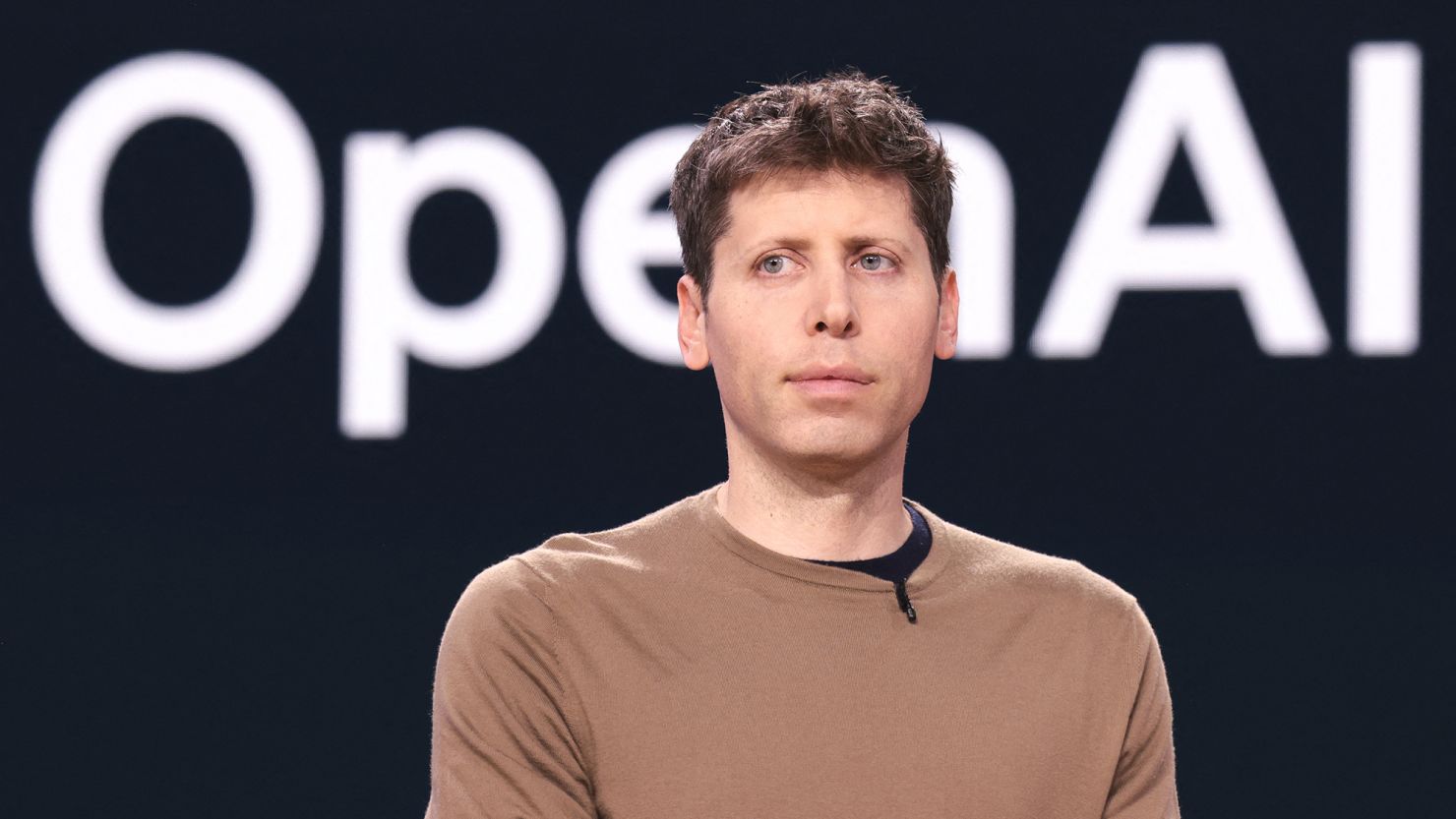
This is what makes him so dangerous. Sam Altman wants OpenAI to win, but he is not willing to die for it. The jihadist is. As Hezbollah’s former secretary-general Hassan Nasrallah famously said (and as countless fighters have repeated), “We love death as you love life.” That is not empty bravado. It is a doctrinal statement: martyrdom guarantees paradise, and paradise is infinitely preferable to any life in this world. When your enemy’s utility function ranks dying in the cause above surviving, conventional deterrence collapses.
The lone stabber in London or the truck attacker in Nice is not a tragic outlier or a “mental health case.” He is executing the same script, just at retail scale. The message is: I already gave you the warning—Islam must dominate. You refused the invitation. Now feel the consequence. If one knife causes a hundred infidels to move out of a neighborhood, a thousand knives can empty a city. Terror is simply the modern form of the raiding that softened tribes for conquest in the Prophet’s time. Fear is the tax that replaces jizya when states no longer formally enforce it.
Terrorism, even when it appears decentralized, is almost always organized. A few thousand highly committed men—trained, funded, indoctrinated, and protected by sympathetic or cowardly regimes—can paralyze nations of millions. The 9/11 attacks were carried out by nineteen men. The Mumbai 26/11 attacks were ten. The Paris Bataclan assault had fewer than a dozen coordinated actors. Scale is achieved through precision and terror’s multiplier effect, not mass armies.
How do you fight an enemy that cannot be deterred and will not stay contained?
You refuse to respect the sovereignty that shelters him.
Terrorism does not recognize borders or sovereignty when it plans operations; counter-terrorism cannot afford to do so when it responds. Safe havens must be made unsafe. Training camps must be destroyed wherever they exist. Financiers must disappear. Ideologues must be silenced. The organizations—Jaish-e-Mohammed, Lashkar-e-Taiba, Hezbollah, Hamas, ISIS provincial cells—must be pursued to extinction, not merely “degraded” or “contained.”
India and Israel, two democracies that have absorbed thousands of terrorist attacks over decades, understand this better than any Western power. Both have watched terrorists operate from Pakistani territory or Iranian-controlled areas with impunity. Both have learned that appeals to international law and UN resolutions are theater when the enemy treats law as a one-way street. Quiet, relentless operations—targeted killings, sabotage of supply lines, cyber intrusions, special forces raids—have proven far more effective than sanctions or strongly worded statements.
The disease must be diagnosed without euphemism: there is an ideology that claims universal jurisdiction and authorizes permanent war against those who reject it. A small but committed minority believes it is divinely commanded to resume that war by any means necessary. They will not stop because we ignore them, negotiate with them, or delude ourselves that poverty or “Islamophobia” is the root cause. They will stop only when the organizations that train, arm, and inspire them cease to exist—and when the cost of joining those organizations becomes unacceptably high.
Until then, every “lone wolf” is just the forward edge of the same army that conquered half the known world in a century. The pioneers are still on the march. The only question is whether the rest of us are willing to fight them with the same clarity and relentlessness they bring to the fight.
आतंकवादी को अग्रणी के रूप में: जिहाद की विस्तारवादी तर्क को समझना
जिहादी खुद को अपराधी या साधारण सैनिक नहीं मानता। वह खुद को अग्रणी मानता है — सिलिकॉन वैली के उस उद्यमी का आध्यात्मिक समकक्ष जो मानता है कि वह भविष्य का निर्माण कर रहा है। उसके दिमाग में इस्लाम कई धर्मों में से एक नहीं है जो सीमाओं के अंदर शांतिपूर्वक रह सकता है; यह अंतिम, सार्वभौमिक सत्य है जिसे अंततः पृथ्वी के हर इंसान को समाहित करना है। उसे रोकना असंभव है। सह-अस्तित्व अस्थायी है। दार अल-इस्लाम (आज्ञाकारिता का क्षेत्र) को तब तक फैलते रहना है जब तक दार अल-हर्ब (युद्ध का क्षेत्र) का कोई अंश शेष न रह जाए।
यह कोई आधुनिक विकृति नहीं है। यह क्लासिकल इस्लामिक जिहाद के सिद्धांत का सीधा निरंतरता है — जो आक्रामक युद्ध को अल्लाह के कानून के अधीन दुनिया लाने का माध्यम मानता है। जब सातवीं-आठवीं सदी में मुस्लिम सेनाएँ किसी नए सरहद पर पहुँचती थीं, प्रस्ताव स्पष्ट होता था: इस्लाम कबूल करो, या जजिया देकर दूसरी श्रेणी के नागरिक बनकर जियो, या मरो। जो इंकार करते थे, उनके साथ तब तक लड़ा जाता था जब तक वे समर्पण न कर दें या मारे न जाएँ। उद्देश्य कभी केवल क्षेत्रीय विजय नहीं था; उद्देश्य था इस्लाम का सार्वभौमिकीकरण। किसी क्षेत्र को तब तक अकेला छोड़ा जा सकता था जब तक उसे इस्लाम के दायरे में न लाया जाए। गैर-मुस्लिम राजनीतिक इकाइयों के साथ “जीने दो और जीने दो” की कोई अवधारणा नहीं थी।
आधुनिक जिहादी मानता है कि इतिहास बस रुक गया है। उम्माह को हर राजधानी पर हरा झंडा फहराने तक आगे बढ़ते रहना था। इसके बजाय मुस्लिम भूमि को उपनिवेश बनाया गया, टुकड़े-टुकड़े किया गया और धर्मनिरपेक्ष बनाया गया। उसकी नजर में आदेश वही है; केवल साधन बदल गए हैं — राष्ट्र-राज्यों, मिसाइलों और असममित युद्ध के युग में।
आतंकवादी इसलिए अग्रिम पंक्ति का योद्धा है — वह व्यक्ति जो उस ठप्प पड़ी विजय की मशीन को फिर से शुरू करना चाहता है, जब सरकारें और मध्यमार्गी विद्वान वर्तमान स्थिति से समझौता कर चुके हैं।
यही उसे इतना खतरनाक बनाता है। सैम ऑल्टमैन चाहते हैं कि ओपनएआई जीते, लेकिन इसके लिए मरने को तैयार नहीं हैं। जिहादी तैयार है। हिज्बुल्लाह के पूर्व महासचिव हसन नसरल्लाह ने जो कहा था (और जिसे अनगिनत लड़ाके दोहराते हैं) — “हम मौत से उतना ही प्यार करते हैं जितना तुम जिंदगी से” — वह खोखली डींग नहीं है। यह सिद्धांतिक बयान है: शहादत जन्नत की गारंटी देती है, और जन्नत इस दुनिया की किसी भी जिंदगी से अनंत गुना बेहतर है। जब तुम्हारा दुश्मन मरने को जीने से ऊपर रखता है, तो सामान्य निवारण (deterrence) ढह जाता है।
लंदन में चाकू घोंपने वाला अकेला हमलावर या नीस में ट्रक चलाने वाला “मानसिक रोगी” या दुखद अपवाद नहीं है। वह वही स्क्रिप्ट चला रहा है, बस खुदरा स्तर पर। संदेश यही है: मैंने तुम्हें चेतावनी पहले ही दे दी थी — इस्लाम को प्रभुत्व प्राप्त करना है। तुमने निमंत्रण ठुकरा दिया। अब परिणाम भुगतो। अगर एक चाकू से सौ काफिर किसी मोहल्ले से भाग जाएँ, तो हजार चाकू पूरा शहर खाली कर सकते हैं। आतंक बस आधुनिक रूप है उस छापेमारी का जो पैगंबर के समय में कबीलों को विजय के लिए नरम बनाती थी। डर ही वह कर है जो जजिया की जगह लेता है जब राज्य उसे औपचारिक रूप से लागू नहीं करते।
आतंकवाद, भले ही विकेंद्रित दिखे, लगभग हमेशा संगठित होता है। कुछ हजार अत्यधिक प्रतिबद्ध लोग — प्रशिक्षित, वित्तपोषित, विचारधारा से ओत-प्रोत और सहानुभूतिपूर्ण या कायर शासनों द्वारा संरक्षित — लाखों की आबादी वाले राष्ट्रों को लकवा मार सकते हैं। 9/11 के हमले उन्नीस लोगों ने किए। मुंबई 26/11 दस लोगों ने। पेरिस बटाक्लान हमला दर्जन भर से भी कम समन्वित लोगों ने। पैमाना सटीकता और आतंक के गुणक प्रभाव से आता है, न कि विशाल सेनाओं से।
ऐसे दुश्मन से कैसे लड़ें जो न तो रोका जा सकता है और न ही सीमित रहता है?
उस संप्रभुता का सम्मान करने से इनकार कर दो जो उसे पनाह देती है।
आतंकवाद जब अपनी कार्रवाइयों की योजना बनाता है तो सीमाओं या संप्रभुता को नहीं मानता; प्रतिआतंकवाद भी जवाब देते समय ऐसा नहीं कर सकता। सुरक्षित ठिकानों को असुरक्षित बनाना होगा। प्रशिक्षण शिविरों को जहां भी हों नष्ट करना होगा। वित्तपोषकों को गायब करना होगा। विचारकों को चुप कराना होगा। संगठनों — जैश-ए-मोहम्मद, लश्कर-ए-तैयबा, हिज्बुल्लाह, हमास, इस्लामिक स्टेट के प्रांतीय सेल — को पूर्ण विलुप्ति तक पीछा करना होगा, न कि सिर्फ “कमजोर” या “नियंत्रित” करना।
भारत और इज़राइल — दो लोकतंत्र जिन्होंने दशकों में हजारों आतंकवादी हमले झेले हैं — इसे पश्चिमी शक्तियों से बेहतर समझते हैं। दोनों ने देखा है कि आतंकवादी पाकिस्तानी क्षेत्र या ईरान-नियंत्रित इलाकों से निर्भीक होकर काम करते हैं। दोनों ने सीखा है कि अंतरराष्ट्रीय कानून और संयुक्त राष्ट्र प्रस्तावों की अपीलें नाटक मात्र हैं जब दुश्मन कानून को एकतरफा सड़क मानता है। चुपचाप, अथक कार्रवाइयाँ — लक्षित हत्याएँ, आपूर्ति लाइनों में तोड़फोड़, साइबर घुसपैठ, विशेष बलों की छापेमारी — प्रतिबंधों या कड़े बयानों से कहीं अधिक प्रभावी सिद्ध हुई हैं।
रोग का निदान बिना छद्म के करना होगा: एक विचारधारा है जो सार्वभौमिक अधिकार क्षेत्र का दावा करती है और इसे ठुकराने वालों के खिलाफ स्थायी युद्ध को वैध ठहराती है। एक छोटा लेकिन प्रतिबद्ध अल्पसंख्यक मानता है कि उसे हर जरूरी साधन से उस युद्ध को फिर शुरू करने का दिव्य आदेश है। वे इसलिए नहीं रुकेंगे क्योंकि हम उन्हें नजरअंदाज करते हैं, उनसे बातचीत करते हैं या खुद को धोखा देते हैं कि गरीबी या “इस्लामोफोबिया” मूल कारण है। वे तभी रुकेंगे जब वे संगठन जो उन्हें प्रशिक्षित करते, हथियार देते और प्रेरित करते हैं, अस्तित्व में रहना बंद कर दें — और जब उन संगठनों में शामिल होने की कीमत अस्वीकार्य रूप से ऊँची हो जाए।
तब तक हर “अकेला भेड़िया” उसी सेना का अग्रिम किनारा मात्र है जिसने एक सदी में आधी ज्ञात दुनिया को जीत लिया था। अग्रणी अभी भी मार्च कर रहे हैं। सवाल सिर्फ यह है कि हम शेष लोग क्या उनकी ही स्पष्टता और निर्ममता से लड़ने को तैयार हैं।
India–Israel Counter-Terrorism Cooperation: The Quiet Alliance That Shapes the Future of Global Security
In an era where terrorism operates like a shape-shifting organism—migrating across borders, mutating in ideology, and weaponizing technology—few partnerships stand as vital, resilient, and quietly transformative as the security compact between India and Israel. These two democracies, separated by geography but united by threat perception, have forged one of the most robust counter-terrorism alliances of the 21st century. Their cooperation spans intelligence, technology, training, cyber defense, and diplomatic coordination—an architecture built over decades and strengthened by both nations’ uncompromising stance against violent extremism.
If geopolitics is the art of reading emerging storms, then New Delhi and Jerusalem recognized early that the tempest of jihadist terrorism required not moral outrage but methodical, relentless, precision-engineered responses. Over time, what began as discreet back-channel collaboration evolved into a strategic alignment now openly acknowledged at the highest levels of government.
Historical Foundations: From Secret Synapses to Strategic Arteries
The India–Israel security relationship was born in the shadows long before it stepped into daylight. In the 1960s and 1970s—decades before formal diplomatic ties—intelligence channels quietly stitched together a partnership rooted in shared vulnerabilities. Both nations faced hostile neighbors, proxy warfare, ideological radicalization, and the use of terrorism as state policy.
The watershed came in 1992, when India established full diplomatic relations with Israel. What followed was not incrementalism but acceleration:
The Kargil War, 1999:
As Pakistani infiltrators entrenched themselves along Himalayan ridgelines, Israel supplied India with urgently needed artillery shells, unmanned aerial surveillance, and precision imagery intelligence. This assistance, delivered rapidly and discreetly, set a precedent for operational trust.
The Mumbai Attacks, 2008 (26/11):
When ten Lashkar-e-Taiba terrorists turned Mumbai into a battleground, Israeli specialists assisted with forensic reconstruction, urban-combat analysis, and hostage-rescue protocols. The assault on the Chabad House forged a tragic but deeper link between the nations’ security establishments.
Institutionalization:
In 2000, India and Israel established the Joint Working Group (JWG) on Counter-Terrorism. Its annual meetings—sixteen rounds as of 2023—became a mechanism to coordinate responses to emerging threats, state-sponsored terrorism, and lessons from global theatres of asymmetric warfare.
Through these milestones, the alliance matured from ad hoc exchanges into a strategic artery running through both national security systems.
Core Pillars of Cooperation
1. Intelligence Sharing: Real-Time, High Stakes
If terrorism is a network, intelligence is the antidote. India and Israel exchange:
-
movement patterns of terrorist operatives
-
financial flows linked to extremist outfits
-
insights on radicalization networks across South Asia, West Asia, and Africa
-
tracking of dual-use technologies prone to exploitation
Israel’s world-class intelligence services (Mossad, Aman, Shin Bet) bring expertise shaped by decades of fighting Hamas, Hezbollah, and Iranian proxies. India contributes battlefield-hardened insights from South Asia, including the Pakistan-Afghanistan arc. This synergy has prevented attacks, disrupted cells, and exposed cross-border plots before they matured.
2. Defense Technology and Arms Transfers: Tools for the New Battlefield
Israel ranks among the top three arms suppliers to India, with over $10 billion in defense trade since the 2000s. But this partnership is not transactional; it is surgical—focused on tools tailored for the subcontinental and Middle Eastern theatres.
Key systems include:
-
Heron and Searcher UAVs for LoC and border surveillance
-
Phalcon AWACS, among the world’s most advanced airborne radars
-
Barak-8 air defense systems, co-developed with India
-
Spike anti-tank guided missiles
-
Cutting-edge night-vision tech, sensors, and detection equipment
These systems are not meant for grand parades but for night raids, hostage rescues, mountain warfare, and counter-infiltration—the granular realities of India’s security challenges.
Where Western partners often impose restrictive conditions, Israel offers what India values most: technology without political sermonizing and co-production aligned with “Make in India.”
3. Training and Joint Exercises: The Apprenticeship of the Relentless
India’s elite units—NSG, MARCOS, Garuds, Para SF—train alongside Israel’s legendary forces:
-
Yamam (counter-terrorism)
-
Shayetet 13 (naval special operations)
-
Sayeret Matkal (deep reconnaissance)
Training focuses on:
-
hostage rescue in dense urban terrains
-
aircraft and bus hijacking neutralization
-
tunnel warfare
-
precision sniping
-
close-quarters battle
-
asymmetric warfare simulations
Though rarely publicized, these trainings transmit the “Israeli doctrine”—speed, surprise, and surgical lethality—into India’s operational bloodstream.
4. Cybersecurity and Homeland Security: The Invisible Frontline
As terrorist groups migrate online—encrypted channels, crypto-financing, AI-generated propaganda—India and Israel collaborate on:
-
cyber intrusion detection
-
dark web monitoring
-
fintech-based terror finance tracing
-
infrastructure protection
-
deepfake countermeasures
Israeli cyber firms such as Check Point and research clusters from Beersheba to Tel Aviv are deeply integrated with Indian government agencies and private sector ecosystems.
Recent Developments (2024–2025): The Alliance Enters High Orbit
November 4, 2025: A Defining Day
External Affairs Minister S. Jaishankar met Israeli Foreign Minister Gideon Sa’ar in New Delhi. The meeting solidified:
-
a joint commitment to zero tolerance for terrorism
-
an MoU on long-term security technology cooperation
-
expansion of intelligence-sharing protocols
-
new avenues for co-production under “Atmanirbhar Bharat”
Simultaneously, the 17th JWG on Defence Cooperation expanded collaboration on counter-insurgency, drone warfare, and emerging threats such as swarm attacks and cyber-enabled terrorism.
This comes against the backdrop of:
-
the Israel–Hamas conflict
-
Hezbollah rocket escalations
-
Iranian proxy expansion
-
persistent Pakistan-based infiltration attempts in Kashmir
India–Israel ties deepened quietly during Israel’s conflicts, with intelligence cooperation reportedly reaching unprecedented depth.
Why the Partnership Works: Trust in an Age of Illusion
Three characteristics give this partnership rare durability:
1. Strategic Honesty
Neither country moralizes the other's operational choices. Both treat terrorism as a military and intelligence problem—not a sociological debate.
2. No Political Conditionalities
Unlike Western partners, Israel does not attach human-rights clauses, sanctions threats, or end-use interrogations designed for public consumption.
3. Similar Threat Environments
Both face:
-
cross-border terrorism
-
proxy militias funded by adversarial states
-
radical transnational ideologies
-
hostile neighborhood ecosystems
-
nonstop information warfare
4. Technology Without Hesitation
Israel transfers not only hardware but know-how, enabling India to build, maintain, and eventually upgrade systems independently.
5. Shared Doctrine: Proactive, Not Reactive
Both nations embrace targeted strikes, covert operations, and extraterritorial action when required. Their philosophy is simple:
Terrorism does not respect borders. Counter-terrorism cannot be shackled by them.
Looking Ahead: From Cooperation to Co-Creation
As terrorism evolves—from lone-wolf stabbings to drone swarms, from encrypted cells to AI-generated mass radicalization—the India–Israel partnership is positioned to define the next era of global counter-terror strategy.
Future cooperation will likely expand in:
-
AI-driven threat forecasting
-
autonomous surveillance architectures
-
quantum communication security
-
drone countermeasures
-
biometric intelligence fusion
-
joint special-operations doctrine
India and Israel are not merely collaborating. They are building a shared security ecosystem, one calibrated for a world where threats emerge at the speed of code, propaganda spreads faster than bullets, and small groups can paralyze entire nations.
When S. Jaishankar said in November 2025 that the partnership is “defined by trust and reliability,” it was not diplomatic courtesy. It was the quiet acknowledgment of a simple truth:
In the long war against terrorism, few alliances matter more.
भारत–इज़राइल काउंटर-टेररिज़्म साझेदारी: वैश्विक सुरक्षा का शांत लेकिन निर्णायक गठबंधन
जिस युग में आतंकवाद एक रूप बदलने वाले जीव की तरह सीमाएँ पार करता है, विचारधाराएँ बदलता है, और तकनीक को हथियार में बदल देता है—ऐसे समय में भारत और इज़राइल के बीच बना सुरक्षा गठबंधन दुनिया की सबसे महत्वपूर्ण, टिकाऊ और चुपचाप प्रभाव डालने वाली साझेदारियों में से एक है।
भूगोल से अलग लेकिन खतरों से संयुक्त ये दो लोकतंत्र—खुफिया सहयोग, तकनीकी हस्तांतरण, प्रशिक्षण, साइबर सुरक्षा और राजनयिक तालमेल में एक ऐसा तंत्र बना चुके हैं जो दशकों में गढ़ा गया और आज एक सर्वांगीण रणनीतिक संरेखण बन चुका है।
यदि भू-राजनीति उभरते तूफ़ानों को पढ़ने की कला है, तो नई दिल्ली और यरूशलेम ने बहुत पहले पहचान लिया था कि जिहादी आतंकवाद के तूफ़ान से निपटने के लिए नैतिक आक्रोश पर्याप्त नहीं—बल्कि सटीक, निरंतर और वैज्ञानिक प्रतिकार की आवश्यकता है।
दशकों पहले गुप्त रूप से शुरू हुआ यह सहयोग अब दोनों देशों के सर्वोच्च नेतृत्व द्वारा खुलकर स्वीकार किया जा रहा है।
ऐतिहासिक आधार: गुप्त संपर्कों से रणनीतिक धमनियों तक
भारत–इज़राइल सुरक्षा संबंध छाया में जन्मे थे—कई दशक पहले, जब वे औपचारिक कूटनीति की रोशनी में नहीं आए थे।
1960–1970 के दशक में, जब दोनों देशों को दुश्मन पड़ोसियों, प्रॉक्सी युद्ध, वैचारिक कट्टरवाद और आतंकवाद को राज्य नीति के रूप में झेलना पड़ता था—उनके खुफिया तंत्र ने चुपचाप सहयोग के धागे बुनने शुरू कर दिए थे।
परिवर्तन का निर्णायक मोड़ आया:
1992 — कूटनीतिक संबंधों की स्थापना
इसके बाद सहयोग धीमे कदमों में नहीं, बल्कि तीव्र छलांगों में बढ़ा।
कर्गिल युद्ध, 1999
जब पाकिस्तानी घुसपैठियों ने बर्फीली चोटियों पर कब्ज़ा जमाया हुआ था, इज़राइल ने भारत को:
-
आर्टिलरी गोला-बारूद
-
मानवरहित निगरानी प्रणाली
-
उच्च-रिज़ॉल्यूशन खुफिया चित्र
प्रदान किए।
तेज़ और बिना शोर के की गई इस मदद ने रणनीतिक विश्वास की नींव रखी।
मुंबई हमले, 2008 (26/11)
जब लश्कर-ए-तैयबा के 10 आतंकी मुंबई को युद्धक्षेत्र में बदल रहे थे, इज़राइली विशेषज्ञों ने:
-
फोरेंसिक विश्लेषण
-
शहरी युद्ध की रणनीति
-
बंधक-मुक्ति प्रोटोकॉल
में महत्वपूर्ण योगदान दिया।
छबाड हाउस की त्रासदी ने दोनों देशों के सुरक्षा तंत्र को और गहराई से जोड़ दिया।
संस्थागत ढांचा
2000 में भारत–इज़राइल संयुक्त कार्य समूह (JWG) ऑन काउंटर-टेररिज़्म की स्थापना हुई।
2023 तक इसके 16 दौर के संवाद हो चुके हैं—जिनमें राज्य-प्रायोजित आतंकवाद, वैश्विक खतरों और सर्वोत्तम प्रथाओं पर व्यापक चर्चा होती रही है।
सहयोग के प्रमुख स्तंभ
1. खुफिया साझेदारी: वास्तविक समय, वास्तविक जोखिम
आतंकवाद एक नेटवर्क है—और खुफिया इसकी प्रतिषेधक औषधि।
दोनों देश साझा करते हैं:
-
आतंकी गतिविधियों और मूवमेंट की जानकारी
-
फंडिंग चैनलों की निगरानी
-
कट्टरपंथी नेटवर्कों के डिजिटल और भौतिक संकेत
-
दोहरे उपयोग वाली तकनीकों का ट्रैक
इज़राइल के विश्व-प्रसिद्ध खुफिया तंत्र—मोसाद, अमान, शिन बेट—हिज़्बुल्लाह, हमास और ईरानी प्रॉक्सी से दशकों की लड़ाई से अर्जित अनुभव लेकर आते हैं।
भारत दक्षिण एशियाई जटिल सुरक्षा परिदृश्य से मिले वास्तविक युद्धक्षेत्र अनुभव जोड़ता है।
इस संयोजन ने कई योजनाओं को विफल किया और अनेक हमलों को होने से पहले रोक दिया।
2. रक्षा प्रौद्योगिकी: नए युद्धक्षेत्रों के उपकरण
इज़राइल भारत के शीर्ष रक्षा साझेदारों में से एक है—2000 के दशक से $10 बिलियन से अधिक के सौदे।
लेकिन यह केवल व्यापार नहीं—यह रणनीतिक शिल्पकला है।
भारत को मिले प्रमुख सिस्टम:
-
Heron और Searcher UAVs
-
Phalcon AWACS
-
Barak-8 वायु रक्षा प्रणाली
-
Spike एंटी-टैंक मिसाइलें
-
उन्नत नाइट-विजन और सेंसर तकनीक
ये हथियार परेडों के लिए नहीं, बल्कि:
-
घुसपैठ-रोध
-
शहरी बंधक बचाव
-
पर्वतीय युद्ध
-
सीमापार आतंकी लॉजिस्टिक्स की रोकथाम
जैसे वास्तविक ऑपरेशनों के लिए बनाए गए हैं।
सबसे बड़ा लाभ?
इज़राइल राजनीतिक शर्तें नहीं लगाता
और “मेक इन इंडिया” के अनुरूप तकनीक का सह-उत्पादन करता है।
3. प्रशिक्षण और संयुक्त अभ्यास: लगातार युद्धक क्षमता का निर्माण
भारत की विशेष बल इकाइयाँ—NSG, MARCOS, गरुड़, पैरा SF—इज़राइल की दिग्गज इकाइयों से प्रशिक्षण लेती रही हैं:
-
Yamam (काउंटर-टेरर ऑपरेशंस)
-
Shayetet 13 (नौसैनिक विशेष बल)
-
Sayeret Matkal (गहरी टोही)
प्रशिक्षण केंद्रित होता है:
-
घनी आबादी वाले क्षेत्रों में बंधक-मुक्ति
-
विमान और बस हाईजैकिंग
-
सुरंग युद्ध
-
क्लोज-क्वार्टर्स बैटल
-
सामरिक स्नाइपिंग
ये अभ्यास इज़राइल की युद्ध-दर्शन—गति, आश्चर्य, और शल्य-चिकित्सकीय सटीकता—को भारतीय ऑपरेशनल डीएनए का हिस्सा बनाते हैं।
4. साइबर और आंतरिक सुरक्षा: अदृश्य मोर्चा
जैसे-जैसे आतंकी समूह ऑनलाइन हो रहे हैं—एन्क्रिप्टेड चैट, क्रिप्टो फंडिंग, AI-चालित प्रोपेगैंडा—भारत–इज़राइल सहयोग तेजी से बढ़ा है।
वे साथ काम करते हैं:
-
साइबर घुसपैठ रोकथाम
-
डार्क वेब निगरानी
-
आतंक वित्त का ट्रैक
-
महत्वपूर्ण अवसंरचना की सुरक्षा
-
डीपफेक और डिजिटल प्रोपेगैंडा के खिलाफ रक्षा
इज़राइली साइबर फर्में और भारतीय एजेंसियाँ एक साझा डिजिटल सुरक्षा ढांचा तैयार कर रही हैं।
2024–2025 की नवीनतम प्रगति: साझेदारी उच्च कक्षा में प्रवेश करती हुई
4 नवंबर 2025: एक निर्णायक दिवस
नई दिल्ली में:
-
भारतीय विदेश मंत्री डॉ. एस. जयशंकर
-
इज़राइली विदेश मंत्री गिदोन सा’आर
की मुलाक़ात में:
-
आतंकवाद पर ज़ीरो टॉलरेंस
-
उन्नत तकनीक पर दीर्घकालिक सहयोग
-
संयुक्त उत्पादन
-
खुफिया साझेदारी में विस्तार
जैसे महत्वपूर्ण निर्णय लिए गए।
उसी समय, भारत–इज़राइल रक्षा सहयोग JWG के 17वें सत्र में:
-
काउंटर-इंसर्जेंसी
-
ड्रोन युद्ध
-
उभरते खतरे
-
सटीक हमले और साइबर क्षमताएँ
पर सहयोग बढ़ाने पर सहमति बनी।
यह ऐसे समय में हुआ जब:
-
इज़राइल–हमास संघर्ष
-
हिज़्बुल्लाह के हमले
-
ईरान समर्थित प्रॉक्सी विस्तार
-
पाकिस्तान से कश्मीर में घुसपैठ
जैसे खतरे तेज़ी से बदल रहे थे—और दोनों देशों की खुफिया साझेदारी और गहरी हुई।
यह साझेदारी इतनी प्रभावी क्यों है?
1. रणनीतिक ईमानदारी
दोनों देश आतंकवाद को नैतिक नारेबाज़ी की बजाय युद्ध और खुफिया समस्या के रूप में देखते हैं।
2. कोई राजनीतिक शर्तें नहीं
इज़राइल मानवाधिकार आधारित शर्तें, प्रतिबंध धमकियाँ या 'एंड-यूज़' राजनीति नहीं करता।
3. समान सुरक्षा पर्यावरण
दोनों देश झेलते हैं:
-
सीमापार आतंकवाद
-
प्रॉक्सी मिलिशिया
-
वैचारिक कट्टरपंथ
-
शत्रुतापूर्ण भू-राजनीतिक पड़ोस
-
सूचना युद्ध
4. तकनीक बिना हिचक
इज़राइल न केवल हार्डवेयर देता है—बल्कि ज्ञान भी देता है, जिससे भारत भविष्य में स्वयं निर्माण कर सके।
5. साझा युद्ध-दर्शन
“आतंकवाद सीमाएँ नहीं मानता।
काउंटर-टेररिज़्म भी सीमाओं में कैद नहीं रह सकता।”
भविष्य: सहयोग से सह-निर्माण की ओर
जैसे-जैसे आतंकवाद AI, ड्रोन स्वार्म, डिजिटल कट्टरपंथ और साइबर प्रॉक्सी में रूपांतरित हो रहा है—भारत और इज़राइल की साझेदारी वैश्विक सुरक्षा के अगले युग को परिभाषित करने के लिए तैयार है।
संभावित भविष्य सहयोग:
-
AI-आधारित खतरा पूर्वानुमान
-
स्वायत्त निगरानी प्रणालियाँ
-
क्वांटम सुरक्षित संचार
-
एंटी-ड्रोन हथियार
-
बायोमेट्रिक खुफिया
-
संयुक्त विशेष-बल सिद्धांत
यह साझेदारी अब केवल सहयोग नहीं—एक साझा सुरक्षा पारिस्थितिकी तंत्र है।
डॉ. जयशंकर ने नवंबर 2025 में कहा था:
“हमारी साझेदारी विश्वास और विश्वसनीयता पर आधारित है।”
यह केवल कूटनीतिक शिष्टाचार नहीं—बल्कि एक कड़वी वैश्विक सच्चाई का स्वीकृति है:
आतंकवाद के दीर्घ युद्ध में, दुनिया में कुछ ही साझेदारियाँ इतनी निर्णायक और आवश्यक हैं।