Pages

Showing posts with label Health care. Show all posts

Wednesday, January 21, 2026

America’s Dysfunctional Pillars: Bureaucracy, Fraud, and Fiscal Ruin in Healthcare, Defense, and National Debt


America’s Dysfunctional Pillars: Bureaucracy, Fraud, and Fiscal Ruin in Healthcare, Defense, and National Debt

In an era where the United States prides itself on innovation, entrepreneurial vigor, and market-driven efficiency, a closer look beneath the surface reveals a starkly different story. Beneath the gleaming towers of Silicon Valley and Wall Street, America’s key institutions—healthcare, defense, and fiscal management—are entangled in a web of inefficiency, fraud, and misaligned incentives. Like a high-tech ship with a leaky hull, resources are drained while the nation sails toward crises in public health, national security, and economic stability.

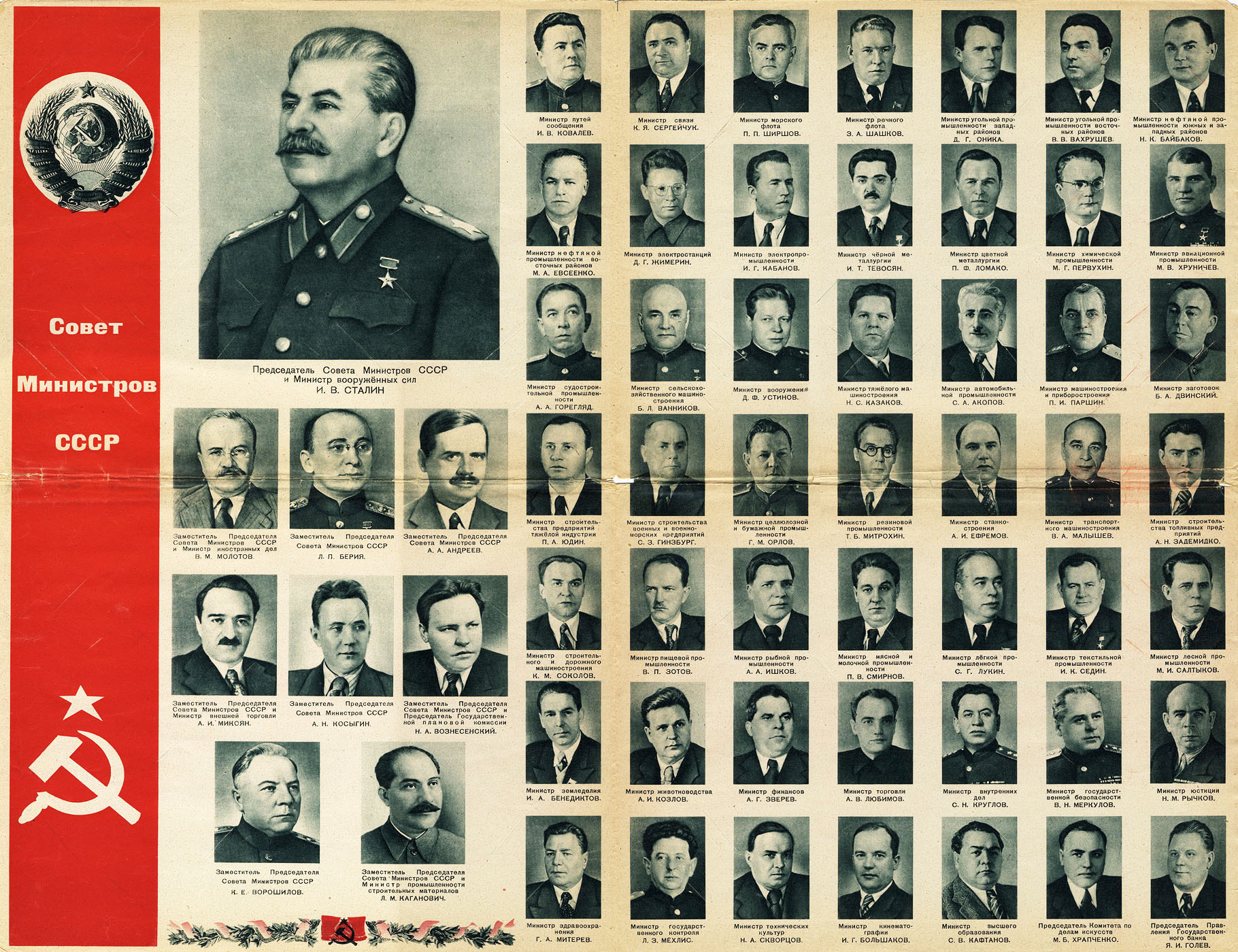
These dysfunctions echo historical collapses, from the Soviet Union’s bureaucratic quagmire to the Mongol Empire’s fiscal misadventures, showing how systemic flaws can undermine even the most formidable civilizations.


The Soviet-Style Mess of U.S. Healthcare

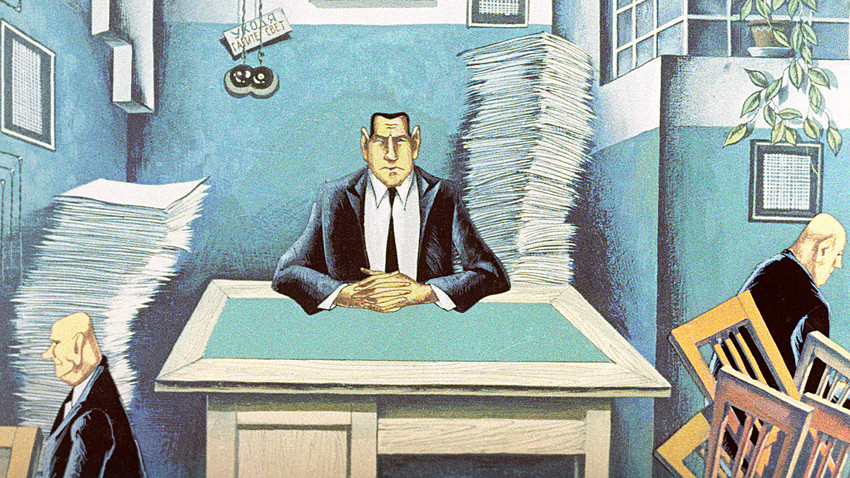
U.S. healthcare, long criticized for its complexity, has evolved into a labyrinthine system reminiscent of Soviet bureaucracies: layers of administration multiply costs without improving outcomes. With annual spending approaching $4.3 trillion—nearly 18% of GDP—estimates suggest that up to 10% is lost to fraud and abuse, translating into hundreds of billions of dollars siphoned away from patient care.

Fraud takes many forms: upcoding procedures, billing for services never rendered, or recommending unnecessary treatments. Each act erodes public trust and diverts funds from genuine care. Underlying these issues are deeply misaligned incentives. The fee-for-service model rewards volume over value, encouraging over-treatment while insurers and government programs, including Medicare, struggle with inflated reimbursements. For instance, Medicare Advantage plans have been accused of inflating patient risk scores to secure higher payments, costing taxpayers billions.

Yet political narratives often simplify the problem as "waste, fraud, and abuse," masking structural flaws. Medicaid’s open-ended federal matching, for example, incentivizes states to expand coverage without necessarily improving efficiency, creating perverse incentives that reward bureaucracy over outcomes.

Layered atop this are environmental and societal factors fueling chronic disease. Corporate food production, rich in processed ingredients, disrupts the gut microbiome, promoting obesity, inflammation, and metabolic disorders. Studies show altered gut bacteria in obese individuals extract more energy from food while impairing metabolism, turning ordinary diets into obesity traps.

Despite this, mainstream media and political rhetoric often stigmatize individuals, framing obesity as a matter of personal responsibility rather than the systemic effects of industrialized food, urban design, or socio-economic conditions. The result? Over 40% of U.S. adults are obese, straining a healthcare system already buckling under administrative inefficiency and misaligned incentives.


Defense Spending: A Black Hole of Fraud and Unaccountability

The Department of Defense (DoD), America’s second dysfunctional pillar, devours over $800 billion annually, yet basic financial transparency remains elusive. In 2025, for the eighth consecutive year, the Pentagon failed its department-wide audit, unable to verify trillions in assets due to outdated systems and weak internal controls.

While not all failures are fraudulent, the systemic opacity mirrors the inefficiencies of the Soviet military-industrial complex, where massive budgets masked waste. Documented fraud within the DoD reached $10.8 billion from 2017 to 2024 alone, including contractor overbilling, inaccurate inventory forecasting, and inefficient management of spare parts. Hundreds of millions in government property provided to contractors go unaccounted for, creating fertile ground for abuse.

Efforts to clean up are slow. Only the Marine Corps has recently passed an audit, and while promises of full audit compliance by 2028 exist, progress lags. The lack of accountability not only wastes resources but undermines national security, as the Pentagon cannot reliably track what it owns or spends.


Capitol Hill’s Debt Bomb: Lessons from the Mongols

The third pillar, fiscal management, presents a crisis of its own. As of January 2026, U.S. national debt stands at roughly $38.5 trillion, an increase of $2.25 trillion in a single year—growing at an astonishing $8 billion per day. Interest payments alone consume nearly 19% of federal spending in FY 2026, leaving less fiscal space for essential services or emergency responses.

Annual deficits exceed $1 trillion, driven by entitlement growth, rising interest obligations, and unfettered borrowing. This trajectory echoes the fiscal collapse of the Mongol Empire under Kublai Khan, where over-issuance of silver-backed paper currency led to rampant inflation, civil unrest, and eventual collapse by 1368. Like the Yuan Dynasty, modern America risks eroding the value of its currency and destabilizing its economy if structural reforms are not enacted.


Toward Fundamental Reform

The convergence of bureaucratic bloat in healthcare, fraud-laden defense spending, and ballooning national debt forms a toxic triad threatening America’s stability. Ignoring misaligned incentives and failing to enforce accountability is akin to repeating historical mistakes.

Meaningful reform must tackle these pillars simultaneously: aligning healthcare incentives with patient outcomes, enforcing rigorous defense audits, and instituting fiscal discipline to curb deficit spending. Without such interventions, the United States risks a slow-motion unraveling, demonstrating that even the mightiest nations are vulnerable to the corrosive forces of inefficiency, corruption, and financial imprudence.

History is not just a teacher; it is a warning. America stands at a crossroads: continue down the path of systemic dysfunction, or embrace bold reform before bureaucracy, fraud, and debt become the architects of national decline.


The Economic Collapse of the Mongol Empire: Hyperinflation, Over-Issuance, and Systemic Failure

At its zenith under leaders like Genghis Khan and Kublai Khan, the Mongol Empire was the largest contiguous land empire in history, stretching from the steppes of Eastern Europe to the Sea of Japan. Its military prowess and administrative innovations created a Pax Mongolica that facilitated trade, cultural exchange, and economic growth across Eurasia. Yet by the mid-14th century, the empire fractured and collapsed. While factors such as military overextension, internal strife, environmental degradation, and the Black Death contributed, economic mismanagement—particularly hyperinflation fueled by the overprinting of paper money during the Yuan Dynasty (1271–1368)—proved emblematic of its downfall.


The Introduction of Paper Money: Innovation Under Kublai Khan

The Mongols inherited China’s early experiments with paper currency from the Song Dynasty. In 1260, after ascending as Great Khan, Kublai Khan introduced the zhongtong chao (中統鈔), the first paper money fully backed by silver. This ambitious system sought to unify a chaotic monetary landscape of inconvertible notes, copper, and iron coins, mandating paper as the sole legal tender.

For decades, this innovation facilitated trade across the vast empire, including along the Silk Road, linking East and West economically. The Yuan monetary system evolved in three stages:

  1. Full silver convertibility (1260–1275): Notes could be fully exchanged for silver, maintaining stability with inflation around 4.5% annually.

  2. Nominal silver convertibility (1276–1309): Silver shortages made convertibility inconsistent, yet inflation remained moderate (~1.8%).

  3. Fiat standard (1310–1368): The silver link was abandoned, turning currency into pure fiat money backed solely by government decree. This unleashed uncontrolled issuance, laying the groundwork for hyperinflation.

For nearly fifty years (1290–1340), prices remained relatively stable, demonstrating that, in a pre-modern economy, paper currency could succeed—if carefully managed. But fiscal pressures from wars, public works, and rebellions soon forced the Yuan government to over-issue notes.


Drivers of Hyperinflation: War, Deficits, and Overprinting

The Yuan’s reliance on seigniorage—the profit generated from printing money—was central to the economic collapse. Massive expenditures included:

  • Costly military campaigns: Failed invasions of Japan and Southeast Asia drained resources.

  • Grand infrastructure projects: Expansion of the Grand Canal, construction of capitals in Beijing (Daidu) and Shangdu (Xanadu), and maintenance of extensive postal networks.

  • Suppression of rebellions: Civil wars and uprisings, particularly in later years, required continual military spending.

By 1310, the Yuan had issued roughly 36.3 million ding (a unit of account), far exceeding reserves. Inflation surged, averaging 11% annually between 1340 and 1355. By 1309, notes had depreciated by a staggering 1000% compared to 1260 levels. Subsequent issues, like the zhizheng jiaochao (至正交鈔) of 1350, fared no better, leading some regions to revert to barter.

Heavy taxation compounded the crisis, sparking social unrest and economic stagnation. The mid-14th century Black Death further disrupted trade and agriculture, amplifying the downturn.


Broader Economic Impacts and Fragmentation

Hyperinflation undermined trust in the Yuan currency, eroding the Pax Mongolica and destabilizing trade networks that had once connected Eurasia. Silk Road routes fragmented as the empire’s khanates—the Golden Horde, Chagatai Khanate, Ilkhanate, and Yuan—pursued independent policies after Kublai’s death in 1294. Economic interdependence waned, reducing prosperity across the continent.

In China, economic distress fueled peasant uprisings, culminating in the Red Turban Rebellion (1351–1368). Zhu Yuanzhang eventually overthrew the Yuan, founding the Ming Dynasty in 1368. Elsewhere, the Ilkhanate disintegrated by 1353, and the Golden Horde dissolved over the following century. The Mongol Empire’s territorial cohesion collapsed alongside its monetary stability.


Lessons from the Collapse

The Yuan Dynasty’s economic downfall demonstrates how innovative policies, such as fiat currency, can backfire without fiscal discipline and institutional oversight. Overprinting to fund wars, public projects, and lavish expenditures created a cycle of inflation, social unrest, and collapse—foreshadowing later hyperinflations in Europe, Latin America, and Weimar Germany.

Despite its initial success, the lack of checks and balances allowed short-term gains to undermine long-term stability. The Mongol Empire’s story is a timeless cautionary tale: even the most formidable political and military power is vulnerable when economic foundations are ignored. In the delicate balance between innovation and prudence, fiscal mismanagement can be as lethal as any foreign enemy.


The Fiscal Decline of the Roman Empire: Inflation, Taxation, and the Path to Collapse

The Roman Empire, once a beacon of economic prosperity and military might, faced a prolonged fiscal decline that profoundly contributed to its eventual fall in the 5th century CE. This was not a sudden catastrophe but a gradual unraveling—a slow corrosion of financial stability fueled by currency debasement, hyperinflation, excessive taxation, military overexpansion, and systemic corruption. While barbarian invasions and external pressures accelerated the collapse, it was the empire’s internal fiscal mismanagement that weakened its foundations, leading to economic stagnation, social unrest, and political fragmentation.


Currency Debasement: The Erosion of Monetary Value

One of the clearest signals of Rome’s economic deterioration was the progressive debasement of its currency, particularly the silver denarius. Starting in the 1st century CE under emperors such as Nero, the silver content in coins was systematically reduced to stretch limited reserves. By the 3rd century, under rulers like Aurelian, the denarius contained almost no silver, replaced entirely by base metals such as copper.

This strategy allowed the state to mint more coins to fund escalating military and administrative costs, but it triggered runaway inflation. Hyperinflation peaked during the 3rd century, with prices for essentials like wheat soaring. Ordinary citizens found themselves paying increasingly large quantities of debased coins for basic goods, while merchants often reverted to barter in regions where trust in currency had collapsed.

Rome’s reliance on seigniorage—profit from minting money—prioritized short-term revenue over long-term economic stability. Efforts to curb inflation through price edicts under Diocletian ultimately failed, further destabilizing trade and commerce.


Excessive Taxation and Government Overspending

Rome’s fiscal decline was inseparable from its oppressive tax system. During the Republic, taxes were modest (around 1–3% of GDP), supporting trade and investment. By the 3rd and 4th centuries, however, constant warfare, bureaucratic expansion, and administrative corruption led to soaring taxes on land, goods, and individuals.

The burden fell disproportionately on provincials and lower classes, as many Roman citizens in Italy enjoyed partial exemptions. Corruption in tax collection—bribes, arbitrary assessments, and exploitation by local officials—widened the wealth gap and fueled resentment.

Emperors such as Diocletian institutionalized in-kind taxation (food, labor, and services), disrupting markets and encouraging peasants to flee urban centers for self-sufficiency. Public spending ballooned on entitlements like free grain distributions and public games, resembling a rudimentary welfare state without sustainable funding. Property rights became insecure as emperors confiscated estates to reward loyalists, deterring investment and accelerating economic contraction.


Military Overexpansion: Rome’s Fiscal Achilles’ Heel

The Roman military, long the backbone of the empire, became its most expensive liability. At its peak, army expenditures consumed up to 75% of the state budget. Maintaining garrisons across vast territories—from Britain to the Euphrates—strained both finances and logistics.

By the 3rd century, persistent threats from Germanic tribes and the Sassanid Empire necessitated larger forces. Recruitment increasingly relied on less reliable barbarian mercenaries, paid in gold, which further depleted imperial reserves. Civil wars and unstable successions compounded the problem, as emperors sought to secure loyalty with lavish bonuses and pay raises.

The empire’s inability to plunder new territories after the 2nd century CE removed a critical revenue stream, forcing dependence on internal taxation and debased currency—a financial trap from which there was little escape.


Economic Stagnation and Social Factors

Rome’s economic malaise was reinforced by structural and social factors. Overreliance on slave labor stifled innovation, while the wealthy elite monopolized vast latifundia, leaving small farmers struggling. Plagues, including the Antonine Plague (165–180 CE), reduced population and labor supply, shrinking the tax base.

Trade declined as inflation eroded purchasing power and insecurity disrupted transportation networks. Urban centers, once thriving hubs of commerce, emptied as populations sought refuge in rural areas, resulting in localized economies and diminished specialization. Climatic shifts—from the warm Roman Climatic Optimum to cooler conditions—may have further strained agricultural production.


Consequences: From Crisis to Collapse

By the 4th century, the Western Roman Empire’s economy had fragmented, with regions operating semi-independently. The state’s fiscal capacity crumbled, leaving defenses underfunded and inviting invasions. Social unrest—manifested in uprisings like the bagaudae rebellions—further weakened cohesion.

The sack of Rome in 410 CE and the fall of the Western Empire in 476 CE marked the culmination of these economic and social stresses. The Eastern Byzantine Empire persisted longer due to comparatively stronger fiscal management, illustrating the critical link between sound financial institutions and political survival.


Lessons for Modern Economies

Rome’s fiscal decline offers enduring lessons: unchecked military spending, currency manipulation, and inequitable taxation can erode even the mightiest empires. Parallels to contemporary issues—debt crises, inflation, and systemic corruption—underscore the need for balanced budgets, secure property rights, and adaptive policy frameworks.

History also demonstrates the cost of delayed intervention. As seen with Tiberius’ credit policies in 33 CE, timely fiscal adjustments can avert disaster—but Rome’s leaders often failed to act decisively, sealing the empire’s fate. The Roman story is a cautionary tale for modern states: power and conquest cannot compensate for unsound financial foundations.




Friday, January 16, 2026

Trump Unveils “The Great Healthcare Plan”: A Bold Bet on Consumer Empowerment


Trump Unveils “The Great Healthcare Plan”: A Bold Bet on Consumer Empowerment

On January 15, 2026, former President Donald Trump announced what his administration calls “The Great Healthcare Plan”—a legislative blueprint designed to reduce healthcare costs for Americans. Framed as a continuation and codification of prior executive actions, the plan seeks to reshape the healthcare landscape by targeting four key areas: lowering prescription drug prices, reducing insurance premiums, holding insurers accountable, and enhancing price transparency.

The White House touts the initiative as a comprehensive strategy to empower consumers, cut wasteful spending, and introduce competition into an industry long criticized for opacity and profit-driven practices. Yet, critics argue that while the plan is ambitious in vision, it is light on specifics, leaving questions about funding, enforcement, and timelines unanswered.


The Context: Rising Costs and Policy Shifts

The timing of the announcement is significant. At the end of 2025, enhanced Affordable Care Act (ACA) subsidies expired, leading to sharp premium increases for many Americans—rising from $888 to $1,904 annually for some plans, according to health policy analyses. Meanwhile, the 2025 Working Families Tax Cuts Act expanded Health Savings Account (HSA) eligibility to all Bronze and Catastrophic Marketplace plans and allocated $50 billion over five years to rural health initiatives. Trump’s plan builds directly on these prior measures, seeking to consolidate and extend reforms through legislation.


Key Components of the Plan

1. Lowering Prescription Drug Prices

  • Codifies the administration’s “Most Favored Nation” (MFN) agreements with drug manufacturers, requiring that Americans receive medications at the lowest prices available in peer countries. Voluntary deals with 16 companies were signed in late 2025.

  • Expands over-the-counter access to “verified safe” pharmaceuticals, reducing the need for doctor visits and increasing competition.

  • Advocates claim these moves bypass intermediaries and generate savings, though enforcement mechanisms remain vague and opposition from pharmaceutical companies is expected.

2. Reducing Insurance Premiums

  • Reinstates cost-sharing reduction (CSR) payments cut in 2017, potentially lowering ACA plan premiums by over 10% and saving taxpayers an estimated $36 billion over a decade.

  • Proposes shifting ACA subsidies from insurers directly to individuals’ HSAs, allowing flexible use for premiums or medical costs. While presented as a strike against insurance “scams,” analysts warn this could inadvertently raise costs for low-income enrollees and increase the uninsured rate.

  • Introduces a new hardship exemption to expand access to Catastrophic plans for those excluded from Marketplace savings due to income limitations.

3. Holding Insurance Companies Accountable

  • Mandates insurers to publicly disclose detailed financials, including claims costs, overhead, profits, rejected claims, and wait times. By making complexity transparent, the plan aims to empower consumers to compare and challenge insurers’ practices.

  • Criticizes insurers for profiting from government subsidies, pledging to redirect funds toward patient-focused outcomes—though enforcement remains undefined.

4. Maximizing Price Transparency

  • Builds on previous rules requiring hospitals and insurers to disclose negotiated prices, seeking permanent, more comprehensive legislation.

  • Includes a Rural Health Transformation Program, earmarking $10 billion annually from 2026–2030 for hospitals, workforce development, and health technology in underserved areas.


Potential Impacts and Criticisms

Fiscal Implications: Estimates suggest cost-reducing measures could save $50 billion over a decade. However, changes to ACA subsidies could increase deficits by up to $350 billion, depending on implementation. Analysts are divided—some anticipate lower overall costs and more choice, while others warn of higher premiums and access barriers for vulnerable populations.

Pre-Existing Conditions and Coverage Gaps: The plan does not explicitly address protections for individuals with pre-existing conditions, leaving uncertainty over out-of-pocket costs and comprehensive access.

Political and Industry Response: Democrats have labeled the plan vague and potentially destabilizing, citing historical ACA cuts that may complicate enrollment. Industry groups—including insurers and pharmaceutical companies—may resist elements such as MFN pricing and transparency mandates.


The Takeaway

“The Great Healthcare Plan” positions itself as a consumer-first alternative to simply extending expired ACA subsidies. By emphasizing direct empowerment over intermediary-driven programs, it reflects a broader vision of healthcare as a marketplace of choice rather than a government-managed safety net. Yet, as with all ambitious proposals, the devil lies in the details. Its success will hinge on Congressional action, bipartisan negotiations, and careful policy design to ensure the plan achieves both savings and equitable access.

For ongoing updates, the White House provides official details and fact sheets.


Primary Criticisms of Trump’s “Great Healthcare Plan”: Why Experts Warn of Risks

On January 15, 2026, former President Donald Trump unveiled “The Great Healthcare Plan”, a policy blueprint aimed at reshaping the U.S. healthcare system. While the White House framed it as a consumer-focused, cost-cutting alternative to the expired Affordable Care Act (ACA) subsidies, the plan quickly drew sharp criticism from health policy experts, Democratic leaders, advocacy organizations, and public commentators. Critics argue that the plan falls short as comprehensive reform and, in some areas, risks worsening the very problems it claims to solve.

Below is a detailed look at the primary concerns surrounding the plan, as of January 16, 2026.


1. Lack of Specifics and Implementation Clarity

Perhaps the most frequent criticism is the plan’s vagueness. The official White House fact sheet spans only a single page and leaves critical details—funding sources, timelines, eligibility criteria, and enforcement mechanisms—unaddressed. Without these, analysts say it is nearly impossible to evaluate the plan’s feasibility or real-world impact, prompting some to call it more political theater than actionable policy.

Proposals like the “Most Favored Nation” (MFN) drug pricing agreements and insurer transparency mandates are often described as repackaged ACA initiatives without meaningful new substance. Critics warn that, absent clarity, these measures could fail to produce the promised savings or consumer protections.


2. Ignoring Rising Premiums and Expired ACA Subsidies

The plan explicitly opposes extending the enhanced ACA subsidies, which expired at the end of 2025 and triggered dramatic premium hikes—from $888 to $1,904 annually for some enrollees. Analysts argue that abandoning subsidy extensions ignores the immediate affordability crisis and risks leaving millions uninsured, particularly vulnerable families already stretched thin.

Instead, the plan redirects funds to Health Savings Accounts (HSAs). While presented as empowering consumers, critics contend that HSAs may not provide equivalent relief, especially for low- and middle-income households. For some families, out-of-pocket costs could exceed $12,000 annually—a figure that some analysts liken to a hidden tax.


3. Risk of Higher Uninsured Rates and Costs

By redirecting subsidies directly to consumers via HSAs and promoting high-deductible plans, the plan could inadvertently raise overall healthcare costs and reduce access for millions. Projections suggest that the uninsured could increase by 3.8 million or more, disproportionately affecting low-income and vulnerable populations.

The reliance on HSAs also introduces administrative burdens on individuals, who must navigate complex accounts and plan options—potentially making the system less efficient than the current ACA marketplace.


4. Threats to Protections for Pre-Existing Conditions

The plan’s silence on protections for individuals with pre-existing conditions has raised red flags. Allowing states to pursue waivers or expanding non-ACA plans could trigger market “death spirals”, where insurers exit coverage or dramatically raise premiums, leaving high-risk patients with few affordable options. Critics warn this could roll back hard-won gains in patient protections established under the ACA.


5. Perceived Favoritism Toward Special Interests

Some observers argue that the plan disproportionately benefits insurers, pharmaceutical companies, and wealthy taxpayers, rather than average Americans. Critics describe the initiative as a “con” or a “joke,” citing potential slashes to Medicaid and ACA funding (up to $1 trillion) to fund tax breaks for the affluent. Voluntary agreements with drug companies are viewed skeptically, with experts doubting they will deliver sustainable, long-term savings.

Public discourse echoes these concerns, with terms like “Trump ScamCare” and accusations that the plan prioritizes “big, fat, rich” insurers over everyday patients.


6. Not a True Alternative to the ACA

Finally, critics argue that the plan fails to offer a coherent alternative to the ACA. Rather than a bold new vision, it relies on piecemeal tweaks that could destabilize the system without addressing root causes—such as high deductibles, narrow networks, and the opaque pricing structures that plague healthcare markets. Some analysts describe it as gaslighting, presenting incremental changes as transformative solutions while ignoring systemic problems.


The Broader Picture

These criticisms come amid ongoing congressional debates, with Democrats advocating for ACA subsidy extensions and independent experts warning of fiscal risks—potential deficits could reach $350 billion if poorly implemented. Supporters argue the plan empowers consumers and introduces competition, but the prevailing narrative from critics is one of inadequacy, potential harm, and uncertainty.

For evolving analysis and expert commentary, monitoring sources such as KFF, NPR, and public health platforms is recommended.


Monday, July 07, 2025

The Drug Crisis Through a Demand and Supply Lens: What America Must Learn and Do


The Drug Crisis Through a Demand and Supply Lens: What America Must Learn and Do

The fentanyl crisis, the broader opioid epidemic, and the ballooning overdose problem in America are not merely criminal justice issues. They are symptoms of a deep and systemic social failure. When approached through the demand and supply lens — the same lens used to understand any market — a more honest picture emerges. It is time America looks in the mirror and asks: Why is demand for numbing substances so high?

The Demand Side: Why So Many Are Numbing Themselves

When people turn to fentanyl, heroin, or prescription opioids, they are not just chasing a high — they are often running from pain, emptiness, or despair. Here are the key demand-side drivers fueling the crisis:

1. Gross Economic Inequality

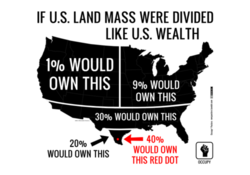
When the top 1% owns more wealth than the bottom 90%, and tens of millions of Americans are one medical bill away from bankruptcy, the stress, hopelessness, and social disconnection that follow create fertile ground for drug use. Despair thrives when people see no pathway upward.

2. Homelessness

Without stable shelter, even the most basic human needs become a daily struggle. Many unhoused individuals turn to drugs to endure trauma, weather conditions, and constant fear. Substance use becomes both an escape and a coping mechanism.

3. Poverty and Job Insecurity

Living paycheck to paycheck — or not at all — frays mental health. People stuck in poverty often lack access to health care, education, and even hope. In such an environment, drugs provide an illusion of control.

4. Food Deserts and Health Neglect

Malnutrition doesn’t just stunt physical development — it also damages mental health. When whole communities have easier access to processed sugar and liquor than to fresh produce, we’re creating an environment where long-term well-being is structurally out of reach.

5. Mental Health Crisis

Undiagnosed, untreated, or stigmatized mental illness often underlies substance use. But America has chronically underfunded mental health programs and allowed care to be a privilege for the wealthy.

6. Social Isolation and Fractured Communities

The erosion of community institutions — from churches and unions to neighborhood centers — has left millions without support networks. Loneliness has become a public health issue.

The Supply Side: A Broken System Enabling Exploitation

Yes, drug cartels flood fentanyl into the U.S. market. Yes, pharmaceutical companies knowingly oversupplied addictive painkillers. And yes, pill mills and corrupt distribution networks facilitated mass dependency. But the reason supply thrives is because demand is insatiable.

What fuels supply:

  • Weak regulations and oversight

  • A fragmented health care system

  • Overreliance on for-profit pharmaceutical models

  • Corruption and lobbying that silence reform

Solutions: Healing the Demand Side

Solving the crisis requires bold, system-level interventions — not more jail cells. Here are the social programs and policy frameworks that can actually reduce the demand for drugs:

1. Progressive Taxation to Fund Safety Nets

America remained capitalist even when the top tax rate was 90% during the Eisenhower era. A 70% marginal tax on net worths exceeding $10 million isn't socialism — it's survival. Use the revenue to invest in:

  • Universal health care (including mental health and addiction treatment)

  • Free and quality education

  • Affordable housing and housing-first models for the homeless

  • Guaranteed nutrition through universal basic food access

2. Decriminalization and Treatment-First Policies

Countries like Portugal radically decriminalized drug possession in 2001 and invested in public health, not punishment. The result? Overdose deaths plummeted, HIV infections fell, and recovery rates improved. Treat addiction as a health issue, not a moral failing.

3. Community-Based Solutions

In Iceland, youth substance use dropped dramatically when the country invested in after-school programs, family support, sports, and community bonding. The key? Replacing disconnection with belonging.

4. Economic Dignity

Job creation programs, a federal jobs guarantee, and robust unemployment and disability benefits give people back a sense of purpose. Countries like Sweden and Germany show that strong social safety nets do not hinder economic productivity — they strengthen it.

5. Legal Access to Services

Just as health care should be universal, so should access to legal aid and protection. Poverty should not mean powerlessness. Many drug users are also victims of exploitation, abuse, or systemic neglect that goes unchallenged without legal support.

The Moral Imperative

If we truly care about "doing right by families," we must ensure that every child, regardless of zip code, grows up in an environment where trauma is addressed, opportunity is available, and healthcare is a right — not a luxury.

Drug overdoses are now the leading cause of death for Americans under 50. This is not a fringe issue. This is the collapse of a social contract.

Final Thoughts

We don’t need to reinvent the wheel — we need the political courage to copy what works, tax what hoards, and heal what hurts. The fentanyl crisis is not about bad people doing bad things. It’s about broken systems producing broken lives — and then punishing them.

There is no quick fix, but there is a clear path forward. It starts with investing in people, not prisons. In communities, not corporations. And in hope, not punishment.

If we want to reduce drug deaths, we have to reduce despair. It's time America wages a war not on drugs, but on hopelessness.


मांग और आपूर्ति के दृष्टिकोण से ड्रग संकट: अमेरिका को क्या सीखना और करना चाहिए

फेंटानिल संकट, व्यापक ओपिओइड महामारी, और बढ़ता ओवरडोज़ संकट केवल आपराधिक न्याय प्रणाली के मुद्दे नहीं हैं। ये अमेरिका की गहराई से विफल हो चुकी सामाजिक व्यवस्था के लक्षण हैं। जब हम इन्हें मांग और आपूर्ति के लेंस से देखते हैं — जैसे किसी भी बाजार को देखा जाता है — तो एक अधिक ईमानदार तस्वीर सामने आती है। अब समय आ गया है कि अमेरिका आईना देखे और खुद से पूछे: इतनी बड़ी संख्या में लोग दर्द से छुटकारा पाने के लिए नशीली दवाओं की ओर क्यों जा रहे हैं?


मांग पक्ष: लोग इतनी बड़ी संख्या में नशा क्यों कर रहे हैं?

जब लोग फेंटानिल, हेरोइन या ओपिओइड की ओर जाते हैं, तो वे अक्सर केवल "नशे" के लिए नहीं, बल्कि अपने दर्द, खालीपन या निराशा से भागने के लिए ऐसा करते हैं। मांग को बढ़ाने वाले मुख्य कारक ये हैं:

1. अत्यधिक आर्थिक असमानता

जब टॉप 1% के पास नीचे के 90% से अधिक संपत्ति हो और लाखों लोग एक मेडिकल बिल की दूरी पर दिवालिया हो सकते हों, तो तनाव, निराशा और सामाजिक अलगाव गहराते हैं। ऐसे माहौल में नशा एक आसान रास्ता लगता है।

2. बेघरपन (होमलेसनेस)

जब लोगों के पास सिर छुपाने की जगह नहीं होती, तो रोजमर्रा की जिंदगी ही संघर्ष बन जाती है। बेघर लोग अक्सर दर्द और डर से निपटने के लिए नशीली दवाओं का सहारा लेते हैं।

3. गरीबी और नौकरी की अनिश्चितता

पेचेक-टू-पेचेक जिंदगी या बेरोजगारी मानसिक स्वास्थ्य को नष्ट करती है। गरीबों के पास स्वास्थ्य सेवा, शिक्षा और अवसरों की भारी कमी होती है। नशा तब एकमात्र बचाव बन जाता है।

4. भोजन की कमी और पोषणहीनता

जब पूरी बस्ती में जंक फूड और शराब तो मिलती है, लेकिन ताजे फल-सब्जियाँ नहीं, तो स्वास्थ्य और मनोबल दोनों गिरते हैं। ये हालात भी नशे को जन्म देते हैं।

5. मानसिक स्वास्थ्य संकट

अनदेखी, अनउपचारित या कलंकित मानसिक बीमारियाँ अक्सर नशे के पीछे होती हैं। लेकिन अमेरिका ने मानसिक स्वास्थ्य सेवाओं में लगातार कटौती की है और इन्हें केवल अमीरों की सुविधा बना दिया है।

6. सामाजिक अलगाव और टूटते समुदाय

कलीसियाओं, यूनियनों और सामुदायिक केंद्रों जैसी संस्थाओं के कमजोर होने से लोग अकेले पड़ गए हैं। अकेलापन अब एक सार्वजनिक स्वास्थ्य संकट बन गया है।


आपूर्ति पक्ष: एक टूटी हुई प्रणाली जो शोषण को बढ़ावा देती है

हाँ, ड्रग कार्टेल फेंटानिल जैसे पदार्थ अमेरिका में ला रहे हैं। हाँ, फार्मा कंपनियों ने जानबूझकर ओपिओइड्स का अत्यधिक वितरण किया। लेकिन आपूर्ति तभी बढ़ती है जब मांग अत्यधिक हो।

आपूर्ति को बढ़ावा देने वाले कारक:

  • कमजोर नियमन और नियंत्रण

  • बिखरी हुई स्वास्थ्य प्रणाली

  • मुनाफा-प्रेरित दवा मॉडल

  • भ्रष्टाचार और लॉबिंग


समाधान: मांग पक्ष को ठीक करना

इस संकट का समाधान जेल नहीं, बल्कि नीतिगत बदलाव है। नीचे वे कदम हैं जो मांग को घटा सकते हैं:

1. प्रगतिशील कर प्रणाली से मजबूत सामाजिक ढांचा

अमेरिका तब भी पूंजीवादी था जब शीर्ष आय कर दर 90% थी। 10 मिलियन डॉलर से ऊपर की संपत्ति पर 70% कर लगाना समाजवाद नहीं है — यह सामाजिक स्थिरता की बुनियाद है।

इन करों से प्राप्त धन का उपयोग करें:

  • सार्वभौमिक स्वास्थ्य देखभाल (मानसिक स्वास्थ्य और नशा उपचार सहित)

  • मुफ्त और गुणवत्तापूर्ण शिक्षा

  • सस्ती और सुरक्षित आवास योजनाएँ

  • पोषण सुरक्षा और खाद्य अधिकार

2. डिक्रिमिनलाइजेशन और स्वास्थ्य-आधारित नीतियाँ

पुर्तगाल ने 2001 में ड्रग उपयोग को अपराध की बजाय सार्वजनिक स्वास्थ्य समस्या के रूप में माना और नतीजतन:

  • ओवरडोज़ मौतों में भारी गिरावट

  • HIV संक्रमणों में कमी

  • बेहतर रिकवरी दरें

3. सामुदायिक समाधान

आइसलैंड में युवाओं में नशा घटाने के लिए खेल, कला, और पारिवारिक कार्यक्रमों पर निवेश किया गया। नतीजा? उल्लेखनीय सफलता।

4. आर्थिक गरिमा और नौकरी

फेडरल रोजगार गारंटी, अच्छी बेरोजगारी योजनाएँ और उद्यमशीलता समर्थन कार्यक्रम लोगों को उद्देश्य और आत्म-सम्मान देते हैं। स्वीडन और जर्मनी जैसी जगहें यह दिखाती हैं कि मजबूत सामाजिक सुरक्षा उत्पादकता बढ़ा सकती है।

5. कानूनी सेवाओं तक सार्वभौमिक पहुँच

स्वास्थ्य सेवाओं की तरह, कानूनी सहायता भी सभी के लिए उपलब्ध होनी चाहिए। गरीब अक्सर अन्याय के शिकार होते हैं, लेकिन उनके पास कानूनी संरक्षण नहीं होता।


नैतिक ज़िम्मेदारी

अगर हम वास्तव में परिवारों के लिए कुछ करना चाहते हैं, तो हमें यह सुनिश्चित करना होगा कि हर बच्चा, चाहे वह किसी भी क्षेत्र में पैदा हो, शिक्षा, स्वास्थ्य और सुरक्षा के साथ बड़ा हो।

ड्रग ओवरडोज़ अब अमेरिका में 50 वर्ष से कम उम्र के लोगों की मृत्यु का सबसे बड़ा कारण बन चुका है। यह कोई मामूली संकट नहीं — यह सामाजिक अनुबंध की विफलता है।


निष्कर्ष: अमेरिका को किस पर युद्ध छेड़ना चाहिए?

हमें नया आविष्कार नहीं करना — बस यह देखना है कि क्या काम करता है और उसे ईमानदारी से अपनाना है।

ड्रग संकट बुरे लोगों का नहीं, बल्कि एक टूटी हुई व्यवस्था का नतीजा है जो टूटे हुए जीवन को पैदा करती है — और फिर उन्हें सजा देती है।

संकट का समाधान जेल नहीं, बल्कि न्याय है। उपचार नहीं, बल्कि पुनर्स्थापन। नफरत नहीं, बल्कि करुणा।

अगर हम ड्रग की मौतें कम करना चाहते हैं, तो हमें निराशा को कम करना होगा।
अब समय है कि अमेरिका ड्रग्स पर नहीं, बल्कि निराशा पर युद्ध छेड़े।


Wednesday, May 07, 2025

How to Fix Health Care in America: Lower Costs and Cover Everyone


How to Fix Health Care in America: Lower Costs and Cover Everyone

Health care in the United States is both the most expensive in the world and among the least efficient when it comes to covering everyone. Despite spending nearly 18% of GDP—more than any other country—tens of millions remain uninsured or underinsured, and medical bankruptcies are a uniquely American tragedy. The system is fragmented, profit-driven, and bureaucratically complex. But reform is not impossible. Many countries around the world provide universal health care at far lower costs while achieving better or comparable outcomes. It's time America learns from them.


🏥 The Two Goals: Lower Costs, Universal Coverage

To reform American health care effectively, two fundamental goals must be pursued in tandem:

  1. Dramatically reduce costs

  2. Provide universal health care to all Americans

Achieving both requires systemic changes that go far beyond tinkering around the edges with insurance subsidies or provider networks.


💡 Five Core Reforms America Needs

1. Universal Public Insurance or Regulated Nonprofit System

  • Either implement a single-payer system (like Canada or Taiwan) or tightly regulate a network of nonprofit insurers (like Germany, France, and the Netherlands).

  • Eliminate or restrict for-profit insurance companies, which currently absorb billions in overhead and marketing.

2. Standardized Pricing for Services and Drugs

  • Introduce national or regional fee schedules to eliminate wild variations in pricing.

  • Use bulk purchasing (as other countries do) to drastically reduce prescription drug prices.

3. Administrative Simplification

  • The U.S. spends 4 to 5 times more on health care administration than peer countries.

  • Streamlining billing, coding, and insurance verification can save hundreds of billions annually.

4. Preventive and Primary Care Focus

  • Shift investment from expensive emergency and specialist care to primary care, preventive services, and public health.

  • Incentivize value-based care instead of fee-for-service.

5. End Employer-Based Insurance

  • Decouple health care from employment to increase labor mobility, entrepreneurship, and equity.

  • Replace it with publicly financed insurance funded via progressive taxes and employer contributions (as seen in Japan and Germany).


🌍 Which Countries Are Doing It Better?

Several nations provide excellent health care at half or less of the U.S. cost:

Country % of GDP on Health Universal? Key Features
🇹🇼 Taiwan ~6.7% Yes Single-payer, smart card system, low overhead
🇩🇪 Germany ~11.7% Yes Multiple nonprofit insurers, employer/employee-funded
🇫🇷 France ~11.2% Yes Public insurance with supplemental private plans
🇸🇪 Sweden ~10.9% Yes Tax-funded regional health care system
🇯🇵 Japan ~10.7% Yes Employer-based with strong government regulation
🇬🇧 UK ~11.3% Yes NHS: government-funded and operated

These countries differ in structure but share common traits:

  • Universal coverage

  • Government-negotiated prices

  • High public satisfaction

  • Lower administrative costs

  • Focus on primary care and public health


🔍 What the U.S. Can Learn

From Taiwan: Adopt a smart card system that centralizes medical records and billing. Use global budgeting to control total system costs.

From Germany and France: Allow pluralistic insurance models—but strictly regulated, nonprofit, and universally accessible.

From the UK and Sweden: Invest in public infrastructure and staff, especially in rural and underserved areas.

From Japan: Use price controls without stifling innovation, and support healthy lifestyle education as a core policy tool.


🔚 Conclusion: A Healthier America is Possible

America’s health care crisis is not a failure of medicine or technology—it is a failure of political will and economic justice. The solutions are not secrets. They exist, and they work in dozens of countries today. By prioritizing health over profit, simplifying administration, and ensuring universal access, the U.S. can finally achieve what every other advanced country already has: health care as a human right, not a privilege.

The question is not how to fix American health care. The question is when the political courage will catch up to the moral urgency.


Friday, August 02, 2019

The US Health Care Mess

And when I say mess, don't get me wrong, I am not saying there is an ebola epidemic in the US. I mean that in an organizational chart sense. When it comes to health care in the US as a whole, I think it is a scenario of the left hand does not know what the right hand is doing.

Describe to me how the system works right now. You can't. It is not like the curry on the plate was made with this one recipe, and now you are going to use a different recipe tomorrow.

You can't just throw more money at the problem. You can't just 100% privatize. You can't just 100% nationalize.

It is the biggest chunk of the economy. If you think about it, social security and medicare are such big parts of the US economy, as is defense, and you have health care, and is America not already a socialist country? The government in the US is bigger than it is acknowledged.

Good luck figuring it out.


Thursday, July 11, 2019

Bernie Is The John McCain Of The Left

Bernie Sanders is a maverick. More so than John McCain. Today anybody can be a Socialist. But Bernie was a Socialist during the Cold War! Imagine that. That's a maverick.

John McCain ran for president. Twice. He did not win. But he did build stature. He was in the Senate, but he was not just another Senator. I see the same thing happening to Bernie. He will not become Majority Leader. But his megaphone will be big. He will have a loud voice.

I don't see him winning the nomination. He lacks nuance. He stays blind to orchestrated targets. The moneyed interests send the media guys after him. He stays uninformed. He does not respond.

If the entire gamut of Democratic candidates is today talking about Medicare For All, it is because Bernie hammered the point in 2016. That's to his credit. That Bernie did so well in 2016 gave a lot of people confidence that perhaps Obamacare was just a stepping stone to Medicare For All. And there is broad public support. The idea is popular among Republicans.


Saturday, April 27, 2019

US Health Care: A Perspective


Thursday, January 19, 2017

Donald Trump: Health Care For Everyone

Donald Trump said something about health care for everyone a few days back.

He took on the Republican establishment during the primary season and came on top. Democracy is like capitalism. There is creative destruction involved. In Manhattan, where Trump is from, since every square inch of space is already taken, when you have to erect a new building, you demolish an old one. When you want to preserve the exterior of an old building, you gut it from inside. This is all real estate language, familiar to Trump.

If Trump sticks by his pledge of health care for everyone, he ends up ideologically gutting the Republican Party. The brand name stays, but the party is fundamentally changed from inside.

I was, of course, rooting for Hillary 2016. You can dig into this blog's archives and see. But it did not escape my attention that Trump absolutely ate 16 otherwise stellar Republican candidates for lunch without spending much money at all. More noteworthy than lack of funds was the fact he did not have much in the name of a political operation. He was his own political consultant, for the most part. His approach to the whole endeavor was entrepreneurial. Never underestimate a man with a Twitter account, I guess.

If he can end the Cold War with Russia once and for all, that would be a good thing.

Sticking by the mantra of health care for everyone is the only way he can honor many of the people who voted for him.

I think it is possible. The US government is the largest customer of the biggest pharmaceutical companies. There is room to bargain and bring down the prices on drugs.

If Trump will stick to the health care for everyone pledge, I will take a second look at him.

Trump's Stealth Health Plan Could Be 'Medicare For All'

Wednesday, November 09, 2016

The Trump Recession Can't Be More Than Two Years Away

Trump's trade and immigration policies lead straight to recession. That can't be more than two years away.

A whole bunch of people would be crying hoarse next year when they lose their health care. But most of them did not even bother to vote. And many of them voted for Trump. They are white and poor.

Ah, democracy. 

Friday, October 21, 2016

Improve Obamacare

Barack Obama Offers Blistering Takedown Of GOP Obstructionism In Pitch For Health Care Law 

First is for the 19 states that have refused to take up Obamacare’s Medicaid expansion to do so, in the process covering millions more poor adults. Second is to beef up the subsidies provided to people who get their coverage from the law’s health insurance exchanges. And third is to set up a government-run public option program ― which Obama called a “public plan fallback” ― in geographic areas with the highest prices and least competition.

Sunday, February 21, 2016

Bernie And Blacks


  • Bernie should talk more about his Jewish experience. And, like I suspect, if he does not have too much of it, he should talk about his father's Jewish experience. Black folks think they have some kind of a patent on victimhood. They got nothing on Jews
  • Blacks wrongly think they were/are victimized because they had nothing. The opposite is true, just like for Jews. Jews have a tradition of knowledge. The rest of the world has had to wait for a 21st century knowledge economy to get the message. 
  • Black folks need the Bernie message more than any other group. Bernie is not trying to dismantle Obamacare, that would be Donald Trump. He is trying to expand upon it. College is the new high school. Bernie is right. Taking money out of politics only makes sense. It makes everything else possible.