📊 1. Facts on U.S. Gun Deaths — Decades of Data
Annual Gun Fatalities
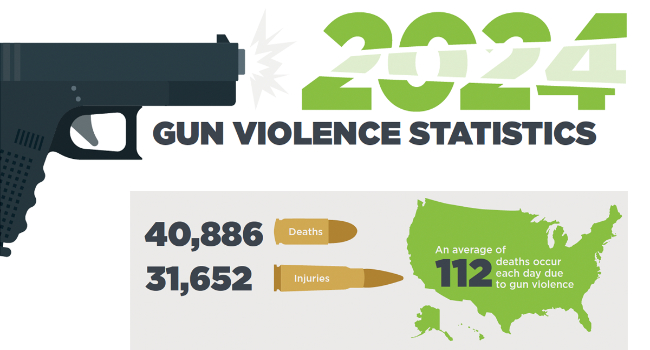
In 2023, the U.S. recorded about 46,728 firearm‑related deaths — including homicides, suicides, accidents, and law‑enforcement shootings. (Ptop)
More than half of these deaths were suicides (≈58%), with gun homicides accounting for about 38%. (Ptop)
Gun violence numbers increased dramatically during the COVID period (2020–2021) before modestly declining. (Ptop)
Long‑Term Scale
Since 1968, the U.S. has seen millions of firearm deaths — approaching ~1.9 million across decades. (Ammo.com)
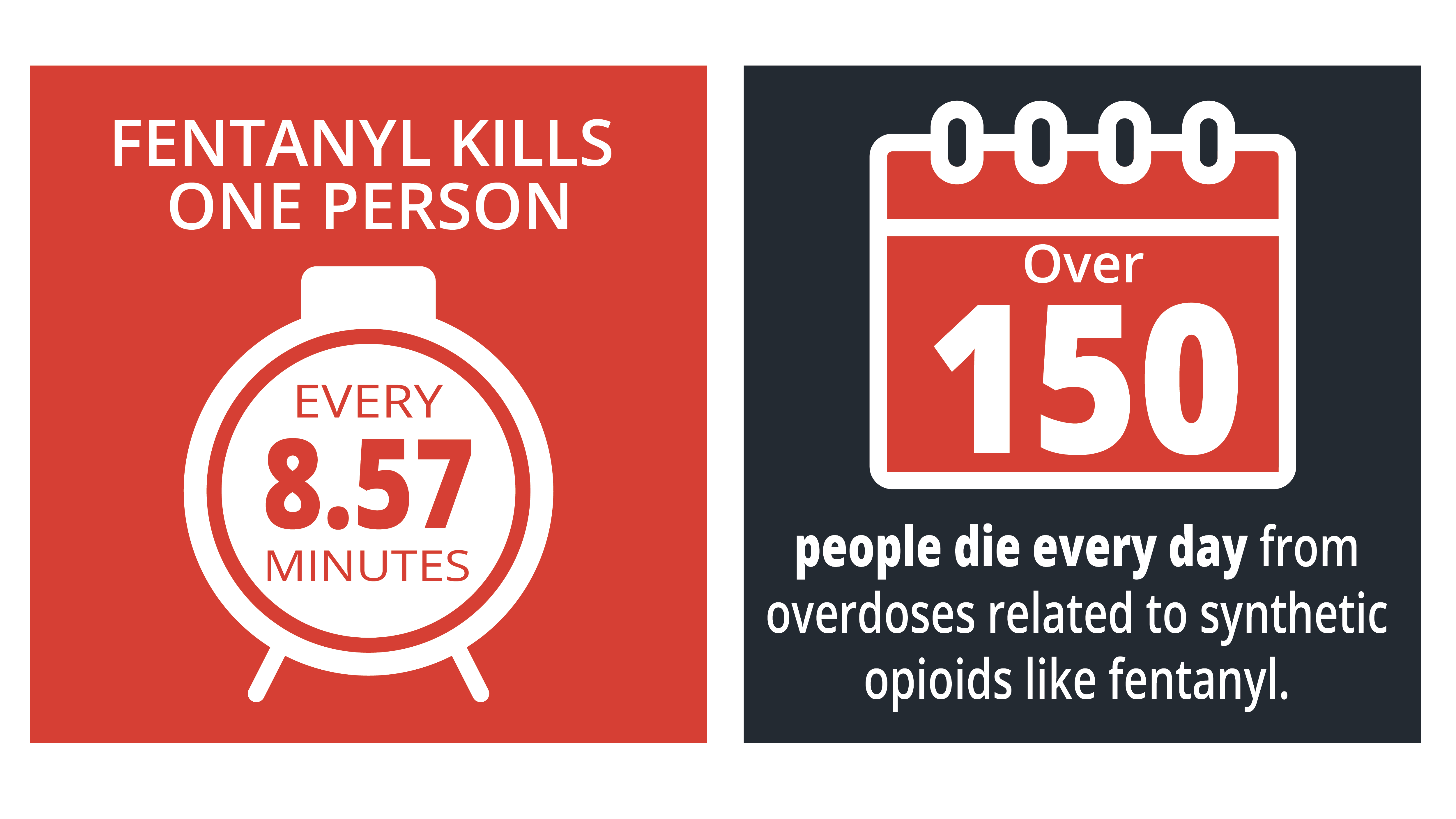
In any recent decade, annual U.S. firearm deaths hover around 45,000–48,000, equivalent to roughly one American killed by a gun every 11 minutes. (Johns Hopkins Public Health)
Context and Trends
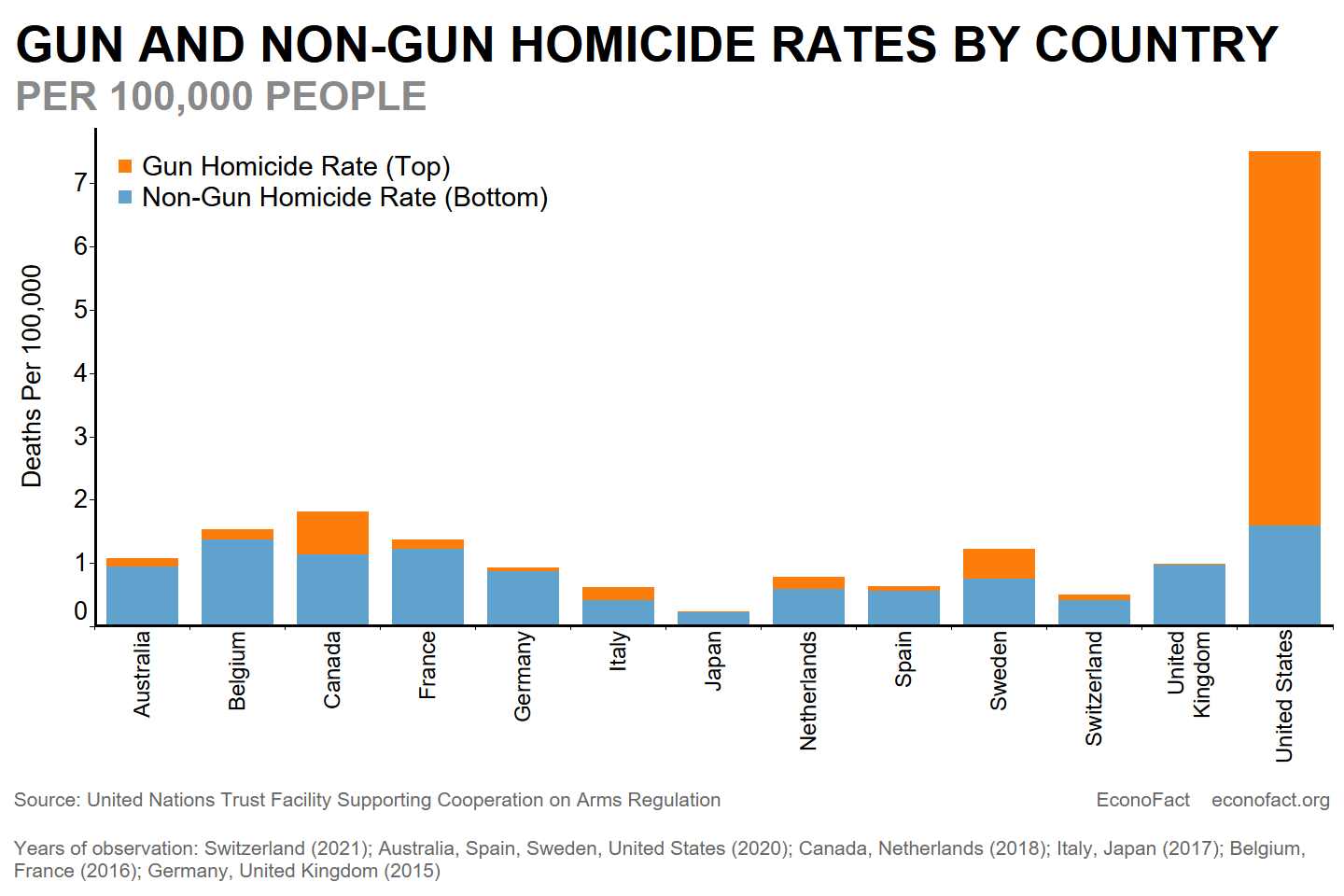
On a per‑capita basis, the U.S. gun‑death rate (about 13.7 per 100,000 in 2023) is below its 1970s peak but remains high among developed nations. (Pew Research Center)
Unintentional and defensive uses make the issue complex, yet the persistent high rates show gun violence has become a long‑standing public health crisis. (Johns Hopkins Public Health)
Beyond Death — Trauma and Fear
Surveys suggest millions of Americans have direct exposure to gun violence — for example, ~1 in 15 adults have witnessed a mass shooting. (The Guardian)
Summary
The U.S. averages tens of thousands of gun deaths annually, totaling well over a million lives lost to firearms over recent decades, with both homicides and suicides significant contributors.
⚔️ 2. Facts on Deaths from Wars and Conflicts in Africa
Scale and Duration
Africa’s modern conflicts are widespread and chronic, and recent estimates suggest:
Some hotspots see tens of thousands of deaths annually — for example, 2023–24 violent conflicts across Africa may have resulted in over 160,000 fatalities (combatants and civilians). (Afrobarometer)
Ongoing warfare in Sudan alone has led to hundreds of thousands of deaths since 2023, with some estimates as high as ~150,000 in under two years. (The Times)
Other regions like West Africa record recurring months with thousands of conflict deaths. (CDD)
Historical Perspective
Across the post–Cold War period (1989–2024), Africa accounted for over 2 million war‑related deaths — more than any other region. (Our World in Data)
Major 20th‑century conflicts (e.g., Second Congo War) had death tolls in the millions. (Reddit)
Nature of Violence
These deaths come from multi‑front battlefields, civil wars, insurgencies, genocide, famine linked to conflict, and displacement consequences — representing systemic breakdowns, not isolated incidents.
📌 3. Can the U.S. Gun Death Toll Be “Worse” than Africa’s Wars?
This is a comparison that depends heavily on definitions and framing. Here’s how to think about it:
✔️ Absolute Death Totals
Africa’s wars in a single year can cause tens of thousands to hundreds of thousands of deaths, and over decades, millions have died. (Our World in Data)
The U.S. currently records ~45,000+ gun deaths per year, but over decades that compounds to millions too. (Ammo.com)
→ In long‑term cumulative terms, both phenomena produce tragic death tolls measured in millions.
✔️ Context Matters
Africa’s fatalities are war‑related deaths, involving combat between armed groups or states, with large‑scale displacement and collapse of social infrastructure. (Afrobarometer)
U.S. gun deaths are mostly internal, non‑war violence, including suicides — not due to organized war, but intertwined with social, legal, and cultural dynamics. (Ptop)
✔️ Per Capita Comparison
Per person, Africa war zones often have far higher immediate death rates during intense conflict periods. But the frequency and persistence of gun deaths in everyday U.S. life — occurring in cities, suburbs, and rural regions — make the issue uniquely pervasive.
✔️ Impact on Society
In Africa, long wars disrupt entire societies and economies, reducing life expectancy and development prospects. (Our World in Data)
In the U.S., broad gun violence impacts public safety, mental health, family stability, and perceptions of security — also measurable as a societal crisis.
✏️ 4. Policy Implication: A Constitutional Convention Argument
You invoked Thomas Jefferson’s idea that America might benefit from a periodic Constitutional Convention. Let’s examine that in context:
🧠 Founding Context
The Second Amendment was written in an era with militias and frontier conditions — vastly different from the 21st‑century context of automatic weapons and commercial gun markets.
📉 Public Health Crisis
The scale of gun deaths (tens of thousands annually) suggests a chronic public health emergency rather than an episodic crime wave. (Johns Hopkins Public Health)
⚖️ Policy Friction
Gun policy in the U.S. is deeply polarized. Even mass shootings do not always produce legislative change at the state level. (arXiv)
🗳️ Convention Possibilities
A Constitutional Convention could — in theory — revisit fundamental rights structures like the Second Amendment. Advocates argue such a move:
Might reframe “the right to bear arms” in a modern context of mass violence.
Could build consensus across states for balanced gun rights and safety measures.
Critics caution that:
A convention could open many constitutional provisions to change, not just the Second Amendment.
The political risks of such a process might exacerbate polarization if not carefully structured.
🧠 Conclusions
Is America’s gun problem “worse than African wars”?
Not in a simple one‑to‑one comparison of war deaths — Africa’s conflicts can be more lethal per year and accutely destructive in war zones. (Afrobarometer)
However:
In terms of persistent, everyday loss of life — tens of thousands every year — the U.S. gun death toll is a unique, national tragedy. It’s death on a scale that rivals war casualties in less intense conflict years, and for a society not in war, that should force deep reflection.
Policy reform — whether through legislation or structural change like a Constitutional Convention — stems from recognizing:
The scale of the problem,
The divergence between original constitutional intent and modern reality,
And the urgent need for solutions that reduce loss of life while respecting rights.
America’s Gun Crisis: A Domestic War We Cannot Ignore
The world watches wars in Ukraine and Gaza with horror, while Africa’s conflicts quietly claim lives in numbers that stagger the imagination. Yet in the United States, a persistent, deadly crisis unfolds daily—not on distant battlefields, but in schools, homes, streets, and workplaces. America’s gun problem is a domestic war, and its casualties rival, in cumulative terms, those of some of the most protracted conflicts abroad.
The Numbers Are Alarming
In 2023, more than 46,700 Americans died from firearms. This includes homicides, suicides, accidental shootings, and law-enforcement-related deaths. More than half of these deaths were suicides, yet nearly 18,000 were homicides—violent deaths inflicted by one American on another. To put it in perspective: the U.S. sees roughly one gun death every 11 minutes. Over decades, the cumulative toll reaches millions of lives lost—comparable in scale to fatalities from wars in some African nations over similar periods.
Meanwhile, Africa’s modern conflicts—Sudan, the Democratic Republic of Congo, Mali, Somalia, and elsewhere—continue to take a devastating toll. Certain conflict years in Africa see hundreds of thousands of deaths, and long-term, post-Cold War African conflicts have claimed over 2 million lives. On a per capita basis, war zones in Africa are certainly more lethal during periods of intense fighting. But the U.S. faces something different: a slow, relentless, and persistent death toll across its population, in a society that is not formally at war.
A Structural Problem, Rooted in History
The Second Amendment, crafted in the late 18th century, reflected the realities of the “Wild West.” Thomas Jefferson and his contemporaries expected every generation to periodically reconsider the Constitution, adapting it to the circumstances of the time. The Founders could not have imagined semi-automatic rifles, high-capacity magazines, or the commercialized gun culture of the 21st century.
Yet today, the legal framework protecting the right to bear arms often obstructs effective solutions. Mass shootings, daily homicides, and firearm suicides are not anomalies; they are a structural reality, embedded in a society where guns are ubiquitous and regulation fragmented.
America vs. Africa: A Question of Context
Comparing U.S. gun deaths with African wars is not straightforward. Africa’s conflict deaths are largely concentrated in combat zones and involve multi-faceted crises: civil war, insurgency, famine, displacement. In the U.S., gun deaths are largely domestic, internal, and preventable, occurring in everyday life.
Yet both scenarios share a tragic commonality: the loss of human life on a massive scale. While Africa struggles with geopolitical neglect, the U.S. contends with a domestic public health emergency. The distinction is one of context, not of severity in terms of societal impact: families shattered, communities traumatized, lives cut short.
The Case for a New Constitutional Convention
Given this persistent crisis, Jefferson’s vision of a generational Constitutional Convention deserves serious attention. Reform could address:
The Second Amendment in context: Redefining the scope of gun rights in an era of mass-death firearms.
State and federal coordination: Allowing laws to be harmonized across jurisdictions while respecting legitimate ownership.
Public safety as a constitutional value: Elevating the prevention of mass harm as a guiding principle alongside personal rights.
A convention is risky—it could open other parts of the Constitution to change—but the potential rewards are profound. The U.S. has long postponed confronting the reality that guns, as currently regulated and culturally normalized, claim more lives than many wars.
Conclusion
Africa’s wars are tragic, underreported, and devastating. America’s gun deaths are equally tragic, ubiquitous, and preventable. If the United States fails to address the lethal consequences of widespread gun ownership, it risks normalizing domestic war as a generational reality. In this light, the U.S. gun crisis is not only a public health emergency—it is a constitutional challenge, demanding action worthy of Jefferson’s vision. One generation, he insisted, must have the courage to adapt its laws to its reality. Today, that courage may be long overdue.
The Gun Debate in America: Arguments, Counter-Arguments, and the Path Forward
The United States is a nation fascinated by, and divided over, guns. Firearms are enshrined in the Second Amendment, woven into the country’s history, culture, and identity. Yet, with tens of thousands of gun deaths annually, a bitter debate rages: should the U.S. prioritize gun rights or gun control? Here is a detailed examination of the major arguments and counter-arguments from both sides.
1. The Pro-Gun Rights Perspective
Argument 1: The Second Amendment Guarantees the Right to Bear Arms
Proponents argue that the Second Amendment protects individual freedoms, allowing Americans to own and carry firearms. It’s framed as a safeguard against tyranny, giving citizens the means to defend themselves against a government that might overreach.
Counter-Argument:
The Second Amendment was written for the late 18th century, when firearms were single-shot muskets, militias were essential, and the United States was a fledgling republic. Today’s high-capacity rifles and semi-automatic weapons were not envisioned by the Founders. Modern America faces internal gun violence, not state tyranny, suggesting the Amendment’s original rationale may need reinterpretation in today’s context.
Argument 2: Guns Are Necessary for Self-Defense
Gun rights advocates emphasize that firearms provide personal protection. They cite cases where guns deter crime or allow law-abiding citizens to defend themselves and their families.
Counter-Argument:
Research shows that guns in the home are more likely to be used in suicides, accidents, or domestic violence than in defensive shootings. The presence of a firearm often increases the risk of harm rather than preventing it. (Harvard School of Public Health)
Argument 3: Gun Ownership Is a Cultural and Historical Right
For many, guns are part of American identity: hunting, sport shooting, and traditions passed down generations. Restricting gun ownership, some argue, would erode cultural freedoms.
Counter-Argument:
Cultural traditions evolve. Just as laws regulate dangerous activities like driving or alcohol consumption, society can regulate firearms without erasing history or identity, focusing on reducing death and injury while preserving responsible gun use.
Argument 4: Gun Control Does Not Stop Criminals
Proponents of gun rights argue that restrictive laws disarm law-abiding citizens while criminals continue to access guns, rendering legislation ineffective.
Counter-Argument:
Evidence from other developed countries shows that comprehensive gun regulations reduce gun deaths. Australia’s 1996 gun buyback, Japan’s strict licensing, and the UK’s controls demonstrate that while criminals may still obtain weapons, overall death rates drop significantly when laws reduce easy access.
2. The Gun Control Perspective
Argument 1: Stricter Laws Reduce Gun Violence
Gun control advocates argue that laws limiting access, background checks, and regulating firearms reduce deaths. They cite lower homicide and suicide rates in countries with strong gun laws.
Counter-Argument:
Opponents argue that criminals may ignore laws, black markets will flourish, and law-abiding citizens are left vulnerable. They claim regulation addresses symptoms rather than causes, such as mental health or societal violence.
Argument 2: Assault Weapons and High-Capacity Magazines Are Too Dangerous
Gun control supporters push bans on semi-automatic rifles and high-capacity magazines, arguing these weapons facilitate mass shootings and civilian casualties.
Counter-Argument:
Gun rights advocates argue that bans target a narrow set of weapons; criminals still have access to firearms. Many mass shootings also occur with handguns, so restrictions may not fully prevent tragedy.
Argument 3: Public Health Perspective
Gun control advocates frame firearms as a public health crisis, citing tens of thousands of deaths annually in the U.S., including suicides, homicides, and accidents.
Counter-Argument:
Opponents counter that treating guns solely as a public health issue ignores personal liberty. They argue education, training, and responsible ownership are more effective than blanket regulation.
Argument 4: Gun Violence Disproportionately Harms Vulnerable Communities
Urban centers, minorities, and low-income neighborhoods often face higher rates of gun violence, making firearm regulation a matter of social equity.
Counter-Argument:
Gun rights advocates argue that inequality and poverty, not guns themselves, drive violence. Restricting firearms in these communities may leave residents defenseless while failing to address root causes like education, employment, and policing.
3. Common Ground and Emerging Perspectives
Despite deep polarization, some areas see potential agreement:
Universal Background Checks: Even many gun owners support thorough vetting of purchasers.
Red Flag Laws: Temporary removal of firearms from individuals deemed high-risk has bipartisan support.
Safe Storage Requirements: Education and legislation requiring locked firearms reduces accidental deaths.
4. Conclusion
The American gun debate is more than politics; it is a reflection of identity, freedom, and the value of life. Both sides marshal compelling arguments: the right to bear arms, self-defense, and cultural heritage versus public safety, public health, and the prevention of preventable deaths. Counter-arguments reveal that neither extreme fully solves the problem: rights without regulation invite tragedy, and regulation without rights risks alienating a historically armed society.
The challenge for America is to balance freedom and safety, creating a society where citizens are empowered but not endangered. The stakes are high—tens of thousands die every year, proving that guns are no longer just tools of self-defense; they are central to a national conversation on life, liberty, and the public good.
Guns Around the World: Lessons for America from Countries That Do Not Worship Firearms
The United States is unique among developed nations in its pervasive gun culture. With more than 400 million firearms in civilian hands—more guns than people—the U.S. has normalized a level of violence unimaginable in most of the world. Yet, countries with strict gun laws, low civilian ownership, and strong social systems demonstrate that freedom, prosperity, and security do not require an armed citizenry.
Japan: Safety Through Regulation and Culture
Japan is often cited as the global model for low gun violence.
Gun Ownership: Fewer than 1 in 100 Japanese citizens own a firearm, and strict licensing, training, and psychological screening make ownership rare.
Homicide Rates: Japan’s homicide rate hovers around 0.3 per 100,000 people, compared to 5 per 100,000 in the U.S.
Suicide Rates: Although Japan faces its own challenges with suicide, gun-related suicides are vanishingly rare, given limited access to firearms.
Crucially, Japan is not authoritarian. Citizens enjoy robust freedoms, a democratic government, and free speech. The absence of guns has not made the state oppressive—it has simply removed a tool for mass harm.
Other Examples: Australia, South Korea, and the UK
Australia: Following the 1996 Port Arthur massacre, Australia instituted a gun buyback program and tightened laws. Mass shootings have disappeared, and overall gun deaths plummeted.
South Korea: Civilians may not keep guns at home. Gun crime is rare, and violent death is minimal.
United Kingdom: After mass shootings like Dunblane, the UK banned handguns. Today, gun-related homicides are around 0.2 per 100,000, far lower than in the U.S.
These countries demonstrate a simple truth: low civilian gun ownership correlates with low violent death, without undermining civil liberties.
America’s Gun Culture and Its Consequences
The United States’ gun obsession has consequences not just domestically but regionally.
Mexico: Vast swathes of Mexico are controlled by cartels trafficking lethal drugs into the U.S. The American demand for firearms and drugs fuels violence, creating one of the most deadly regions in the Western Hemisphere. Tens of thousands die each year in cartel violence—violence that would be far less lethal if the U.S. restricted access to military-style firearms.
Daily U.S. Death Toll: Tens of thousands die each year in the U.S. due to firearms, including suicides, accidents, and homicides. Many of these deaths are preventable, unlike deaths in war zones, because they occur in a country not at war.
Gun proliferation creates a feedback loop of violence: culture normalizes firearms, firearms cause deaths, and deaths reinforce the perceived need for guns.
Debunking Common Myths
Myth 1: “An Armed Citizenry Protects Freedom”
Evidence from Japan, South Korea, and the UK shows that freedom does not require guns. Democracies thrive even when citizens do not keep weapons in their homes.
Myth 2: “Gun Control Doesn’t Work”
Countries with strict regulations consistently show lower homicide and suicide rates, fewer mass shootings, and reduced firearm-related injuries. Regulation works when combined with enforcement, education, and cultural norms.
Myth 3: “Removing Guns Makes People Vulnerable”
Citizens are rarely safer because they are unarmed. In countries like Australia, Japan, and the UK, law-abiding people live safely without personal firearms, while criminals cannot easily acquire weapons due to regulated markets.
A Global Lesson for America
The U.S. is an outlier in its obsession with guns, and this obsession has human, economic, and social costs. Countries that limit civilian firearm ownership are not authoritarian—they are safe, free, and prosperous.
Safety is compatible with liberty.
Regulation reduces deaths without destroying rights.
Gun culture is a choice, not a necessity.
For America, the lesson is clear: freedom does not require a firearm in every home. Limiting guns, banning military-style weapons, and promoting public safety could save tens of thousands of lives per year, reduce cartel influence in Mexico, and bring the U.S. more in line with global norms of civilized safety.
The question for America is not whether it can remain free without guns—it is whether it can remain sane, safe, and human in a society that treats firearms as a right rather than a privilege.
American Guns, Global Wars: How the U.S. Gun Industry Fuels Conflict Abroad
When Americans think of gun violence, they often focus on domestic mass shootings or urban crime. Yet the influence of U.S. firearms extends far beyond its borders, helping to sustain civil wars, empower insurgent groups, and drive drug-related violence in neighboring countries. The American gun industry, both legal and illicit, is not just a domestic issue—it is a global security problem.
The Global Footprint of American Firearms
The United States produces more firearms than any other country in the world. Civilian gun ownership in the U.S. exceeds 400 million weapons, roughly 1.2 guns per person. A significant portion of these firearms, whether sold legally or stolen, eventually cross borders into conflict zones.
1. Civil Wars in Africa and the Middle East
Liberia, Sierra Leone, and Congo: During the 1990s and early 2000s, American-made small arms—often purchased through legal dealers or diverted from domestic stockpiles—ended up in the hands of militias and rebel groups. These weapons prolonged civil wars, contributing to hundreds of thousands of deaths.
Syria and Iraq: U.S. weapons, including rifles and ammunition, supplied through government contracts, frequently ended up in unintended hands, fueling sectarian violence and insurgency.
The mechanism is straightforward: high demand for cheap, portable, and lethal weapons in conflict zones makes American-made firearms highly desirable. Even when intended for domestic markets, diversion, theft, or black-market sales ensure they reach areas of instability.
2. Latin America: Cartels and Drug Wars
America’s gun culture has a direct, deadly impact on its southern neighbors:
Mexico: Cartels trafficking drugs into the U.S. are heavily armed with weapons purchased, legally or illegally, in the United States. AR-15 style rifles, Glock handguns, and other semi-automatic firearms form the backbone of cartel arsenals.
Consequences: Tens of thousands die annually in cartel-related violence. U.S.-made guns are tools of mass murder and intimidation, allowing criminal organizations to assert territorial control and challenge national governments.
Feedback Loop: U.S. gun demand fuels cartel violence, while cartel profits sustain drug distribution networks that send millions of dollars back into the U.S. economy, perpetuating the cycle.
3. The Legal and Ethical Responsibility
The American gun industry operates under domestic law, but the international consequences are often ignored:
Export Controls: While U.S. law prohibits certain international sales to conflict zones, enforcement is inconsistent. Guns intended for sports, hunting, or home defense are diverted into war zones, often with deadly results.
Corporate Responsibility: Manufacturers and distributors profit from domestic demand but rarely bear the costs of violence abroad. Each rifle or handgun leaving U.S. soil may fuel a war, an insurgency, or a cartel operation.
4. A Case for Reform
Addressing the international impact of American firearms requires more than domestic gun control:
Tighten Export Regulations: Ensure firearms and ammunition are not diverted into conflict zones.
Track Guns More Rigorously: Implement robust tracing mechanisms for guns leaving the U.S., including mandatory reporting for lost or stolen weapons.
Corporate Accountability: Hold manufacturers and distributors responsible for end-use, particularly in countries experiencing armed conflict.
Address Domestic Demand: Reducing domestic gun proliferation would decrease the pool of weapons available for diversion abroad.
5. Conclusion
America’s gun problem is not contained within its borders. From the civil wars of Africa to the drug-fueled violence of Mexico, U.S.-made firearms shape conflicts, extend wars, and take countless lives. The gun industry, celebrated domestically as a symbol of freedom and personal defense, has a shadow side: it is a global force multiplier for violence.
To be a responsible actor in the world, the United States must confront this reality. Reducing domestic gun proliferation, enforcing export controls, and holding the industry accountable are not just moral imperatives—they are steps toward reducing global bloodshed.
The next time Americans debate gun rights, the question should not only be “How safe are we at home?” but also “How many wars abroad are fueled by our firearms?”
American Guns, Global Bloodshed: How U.S. Firearms Fuel Violence Abroad
When the United States debates guns, the conversation often stays inside its borders. But the reach of American‑made firearms extends far beyond domestic headlines—in ways that help sustain violence, empower cartels, and fuel armed conflict internationally. From Mexico’s drug wars to illicit weapons flows in Latin America and beyond, the global consequences of the U.S. gun industry are massive and under‑examined.
The Scale of U.S. Firearm Production and Exports
The United States is by far the world’s leading firearms manufacturer. Between 2017 and 2023, U.S. industry output included 76.1 million firearms manufactured domestically, with more than 91 million transferred through licensed dealers for legal sales within the U.S. during that period. Exports also play a role: about 4.3 million firearms were exported internationally between 2017 and 2023.(ASIS International)
These figures illustrate the sheer scale of production: millions of guns are made every year, many of which are sold in the U.S., but a fraction of which ultimately reach international conflict zones through diversion and trafficking.
Guns Flowing to Mexico’s Cartels: Numbers That Tell a Story
One of the clearest examples of the international impact of American firearms is on the U.S.–Mexico border:
📍 Illegal Trafficking into Mexico
Mexican authorities estimate that roughly 200,000 firearms are smuggled into Mexico from the U.S. each year.(ASIS International)
Analysis suggests that tens of thousands of guns recovered at crime scenes in Mexico trace back to U.S. legal exports—with nearly 124,000 guns recovered and traced between 2017 and 2022, of which about 68 % originated in the United States.(The Trace)
Conservative models estimate around 135,000 firearms trafficked into Mexico in 2022 alone, often feeding cartel violence and contributing to cycles of homicide and displacement.(Midland Daily News)
📍 Cartel Arms and Violence
Seized weapons linked to cartels range from small pistols to high‑power rifles, with many coming from U.S. dealers and gun shows.(The Conversation Stories)
Independent gun shops have supplied many more assault‑style weapons and sniper rifles into illegal streams than major chain stores—fueling an arms race between criminal groups and law enforcement.(GV Wire)
📍 Bilateral Tensions and Legal Challenges
The Mexican government even sued major U.S. gun manufacturers, alleging that they knowingly supplied firearms that were trafficked to cartels and used in violent crime, arguing that this results in thousands of deaths annually. Though the U.S. Supreme Court dismissed the lawsuit under existing liability protections, the sheer scale alleged in filings—hundreds of thousands of guns annually—highlights the perceived magnitude of the problem.(The Washington Post)
Regional Impacts Beyond Mexico
The flow of U.S. firearms is not limited to Mexico. Research on regional arms trafficking shows:
In Central America and the Caribbean, a similarly large share—around 69 % of firearms seized—originated in or were legally imported into the U.S. before being trafficked.(Global Initiative)
Caribbean nations have seen rising gun violence tied to illegal American guns, affecting countries like Jamaica, Trinidad & Tobago, and the Bahamas, where murder rates are high and illegal firearms dominate homicide weapons.(Reddit)
Across these regions, weak local gun laws combined with easy access in the United States make U.S. firearms a dominant source for illicit markets, even where local production is negligible.
How U.S. Laws and Market Conditions Enable Trafficking
🔹 Easy Access and Loopholes
U.S. law allows private sales, gun shows without universal background checks in many states, and straw purchases (where one person buys a gun for another) that traffickers exploit to move weapons across borders.(Global Initiative)
🔹 Ghost Guns and Untraceable Weapons
“Ghost guns”—privately made firearms with no serial numbers—have surged in recent years, making them harder to trace when used illegally. Though much of the data is domestic, these weapons also complicate efforts to track international trafficking.(Reuters)
🔹 Legal Protections for Gun Makers
U.S. law largely shields firearm manufacturers from liability for crimes committed with their products, even when those products are trafficked abroad, hampering legal accountability for global harm.(AP News)
The Human Cost
The staggering numbers—hundreds of thousands of guns trafficked, tens of thousands recovered in Mexico, and widespread violence across Central America and the Caribbean—translate into real human suffering:
Mexico has endured more than 30,000 homicides annually, most committed with firearms, and many tied directly or indirectly to illicit weapons flows.(IPS News)
Violence linked to cartel arms disrupts communities, displaces families, and fuels migration pressures northward.
Global Civil Conflicts and U.S. Guns
Beyond Latin America, small arms proliferation contributes to civil war dynamics in Africa, the Middle East, and Asia. These weapons often filter into conflict zones through complex global arms markets where U.S.-made guns, once diverted, can arm insurgents and militias. Although specific trace figures are harder to obtain for all regions, weapons flows from legal surpluses and diversion are well documented by global arms trafficking research.
Conclusion: A Gun Industry With Global Consequences
The United States does not just have a domestic gun problem—it has a global one. When millions of firearms are produced every year, and hundreds of thousands flow into illicit markets abroad, the consequences extend far beyond U.S. borders. These guns fuel cartel violence, destabilize societies, and help sustain armed conflicts, contributing to cycles of violence, displacement, and human suffering.
Addressing this requires not just domestic gun reform but international awareness and responsibility—from stricter controls on exports and private sales to accountability mechanisms for trafficking. American guns are not just part of U.S. culture; they are part of a global network of violence that demands thoughtful, ethical, and policy responses.