In March 2026, the Strait of Hormuz — the narrow waterway through which roughly one-fifth of global oil and significant LNG supplies flow — has gone from a bustling superhighway to a ghost lane. Daily vessel transits have plummeted from more than 153 to an average of just 13, with tanker traffic dropping to near zero in the first days of the U.S.-Israel conflict with Iran. Iran did not need a conventional navy or a permanent physical barricade to achieve this. Instead, it has leveraged decades of investment in asymmetric anti-access/area-denial (A2/AD) warfare, geography, and psychological pressure to make passage commercially suicidal.
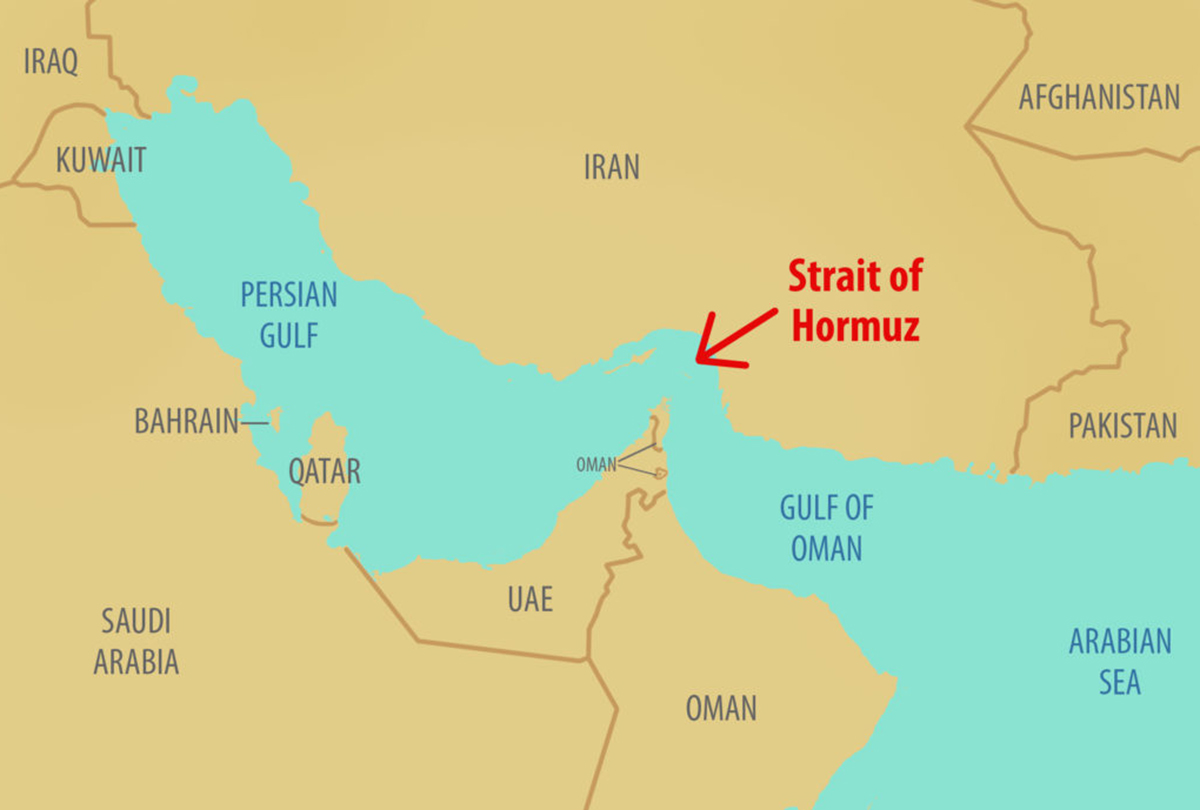
The result is not merely disruption — it is an effective, near-total closure driven by fear, a handful of attacks, and persistent threats that have grounded hundreds of ships outside the strait.The Geography That Favors IranAt its narrowest, the Strait is only 21 nautical miles wide, with two-mile-wide shipping lanes hugging the Iranian coast. Iran controls the northern shore and several strategic islands where it has prepositioned missile batteries. Any vessel must pass within easy range of land-based weapons, fast boats, and mines. The confined, shallow waters turn the strait into a natural kill zone rather than an open sea.

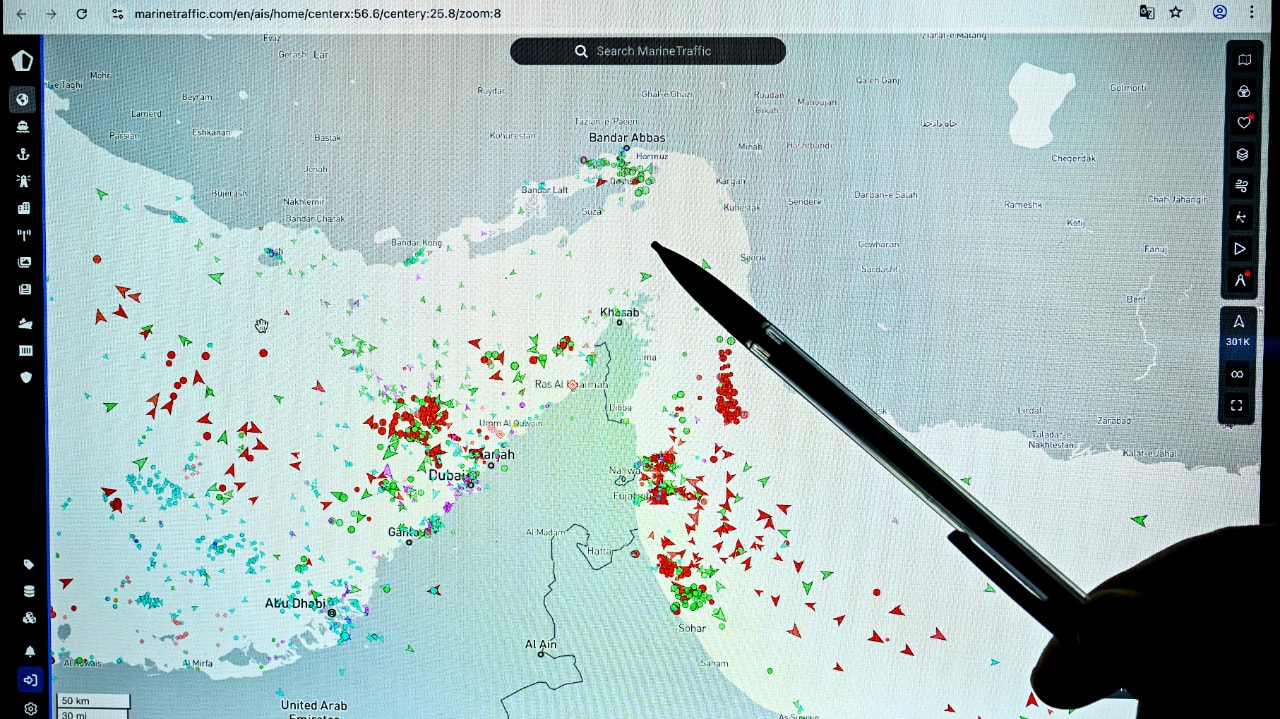
This geography explains why even a degraded Iranian force can dominate the chokepoint far more effectively than in open ocean.The Asymmetric Arsenal: Eight Systems That Make Closure PossibleIran’s strategy relies on a layered, low-cost toolkit built for exactly this scenario. Analysts have long identified these capabilities; the 2026 conflict has shown them in action.
- Naval Mines (5,000–6,000 inventory): Contact, moored, drifting, acoustic, magnetic, and limpet types deployable by small boats or midget submarines. Mines create invisible, persistent danger zones. Even a few force every ship to wait for clearance — a process that can take weeks.

- Noor and Qader Anti-Ship Cruise Missiles: Sea-skimming missiles with ranges up to 300 km, launched from mobile coastal trucks, islands, or boats. They deliver saturation attacks that overwhelm ship defenses.
- Khalij Fars Anti-Ship Ballistic Missiles: Mach 3–5 terminal speed, manoeuvring warheads — difficult to intercept and ideal for striking from deep inland.
- Abu Mahdi Long-Range Cruise Missiles: Over 1,000 km reach, capable of hitting support vessels in the Arabian Sea and extending the threat zone.
- IRGC Fast-Attack Craft Swarm Fleet: Hundreds to over 1,000 speedboats capable of 50+ knots, armed with rockets, missiles, guns — or mines. These “mosquito fleets” operate from hidden coves and launch swarms that are nearly impossible to eliminate completely.

- Ghadir-Class Midget Submarines: Stealthy diesel-electric boats perfect for shallow-water mine-laying and ambushes.
- Shahed Drones and Explosive Unmanned Surface Vessels (USVs): Low-cost loitering munitions and suicide drone boats for persistent surveillance and precision strikes.
- Shore-Based Missile Batteries on Islands: Deployed on disputed Gulf islands since 2025, these provide overlapping fire coverage across the entire strait.
When the U.S. destroyed larger Iranian minelayers (at least 16–28 reported), Iran simply switched to hundreds of small IRGC speedboats. Mining is slower but harder to stop entirely. The goal is not rapid saturation but sustained uncertainty: lay a few mines faster than they can be cleared, and commercial shipping grinds to a halt.
The psychological effect has been decisive. Major operators (Maersk, CMA CGM, etc.) suspended services. War-risk insurance evaporated. Even Chinese vessels largely stopped transiting. Selective “safe passage” offers for non-Western ships have changed little — the risk calculus for global commerce remains prohibitive. Why It Has Been So Effective — And “Total”Iran’s closure succeeds for three reasons:
- Insurance and Economics First: A single successful attack or suspected minefield spikes premiums to uninsurable levels. Shippers self-censor. No navy escort program can instantly restore confidence.
- Hard-to-Eliminate Assets: Small boats, mobile missile launchers, and coastal batteries are dispersed and numerous. U.S. strikes have degraded the conventional navy and missile stockpiles, but the IRGC’s swarm and mine-laying capacity persists.
- Time Advantage: Clearing mines and neutralizing threats in confined waters under fire is slow. U.S. assessments pre-conflict (and still relevant) estimated days to months to reopen the strait fully, depending on Iranian tactics.
Iran’s ability to close the Strait of Hormuz “effectively and totally” rests on a simple truth: in the world’s most critical maritime chokepoint, asymmetric persistence beats conventional superiority — at least for weeks or months. The 2026 crisis has proven it in real time. Whether that closure holds or crumbles under sustained international pressure will shape global energy security for years to come.
As of mid-March 2026, the Strait of Hormuz remains largely paralyzed. Iranian threats, sporadic attacks, and a small but growing number of naval mines have driven commercial traffic to a near standstill, spiking global oil prices and stranding millions of barrels in the Gulf. President Trump has pledged to reopen the waterway “as soon as militarily possible,” with U.S. Treasury Secretary Scott Bessent confirming that escort operations are already planned. But senior officials, including Energy Secretary Chris Wright and Defense Secretary Pete Hegseth, emphasize that the military must first finish degrading Iranian capabilities before shifting to clearance and protection.
The U.S. approach is not a single dramatic operation but a sequenced campaign modeled on the 1980s Tanker War. Experts agree it is feasible — yet it will take time, resources, and persistence.Phase 1: Suppress Iranian Threats (Ongoing)The first and most critical step is neutralizing Iran’s asymmetric arsenal: fast-attack boats, mobile anti-ship missiles, coastal batteries, drone swarms, and mine-laying platforms. CENTCOM has already destroyed dozens of Iranian vessels, including at least 16 dedicated minelayers, along with missile sites and stockpiles. Strikes continue on coastal infrastructure, with public warnings issued to civilians to avoid Iranian ports and maritime facilities.
This phase buys breathing room. Without it, any mine-clearance or escort effort would face constant harassment. U.S. officials describe the campaign as “hammering” Iran’s capacity to threaten navigation. Once launch platforms and small-boat swarms are sufficiently reduced, the risk calculus for commercial shipping improves dramatically.
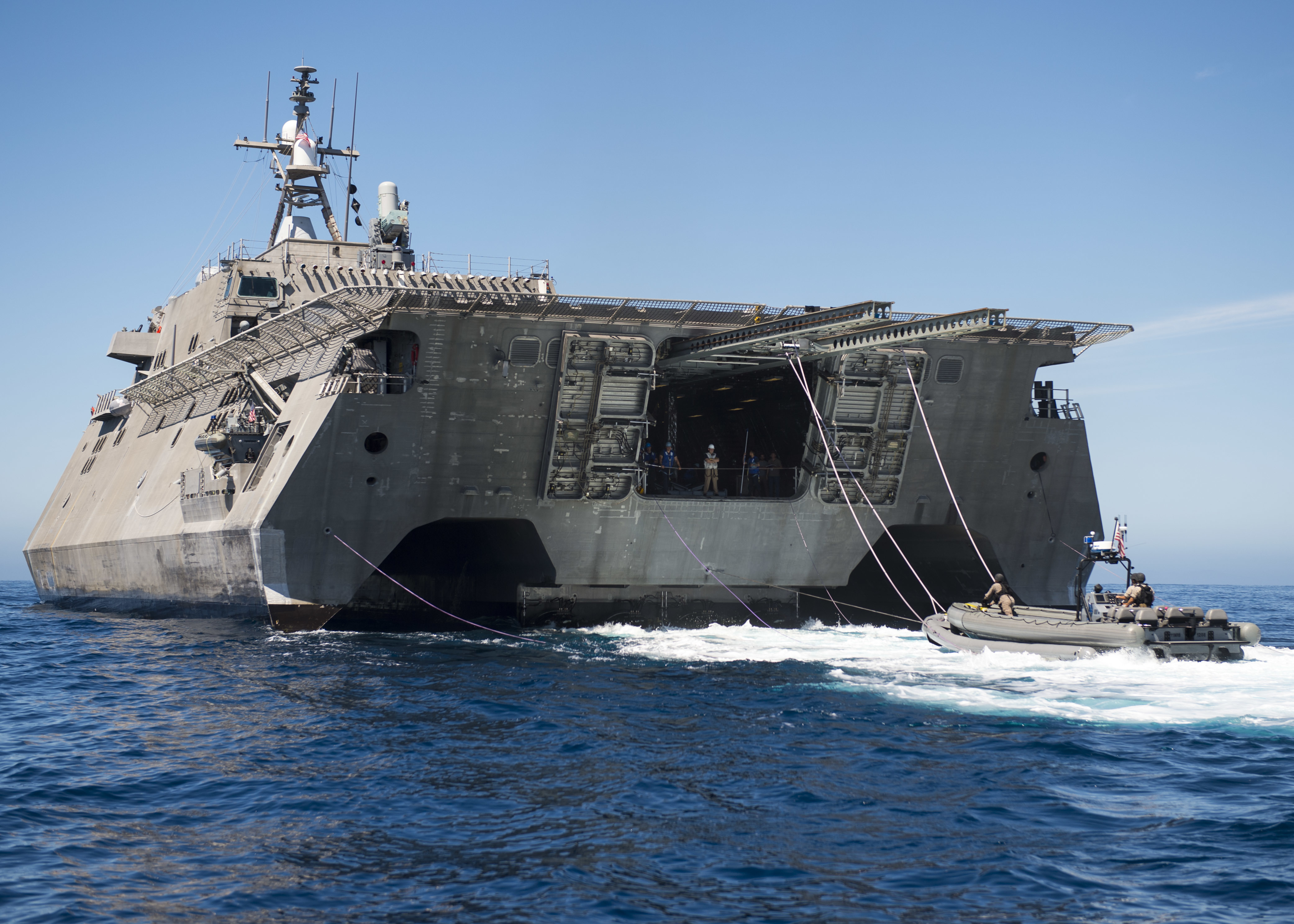
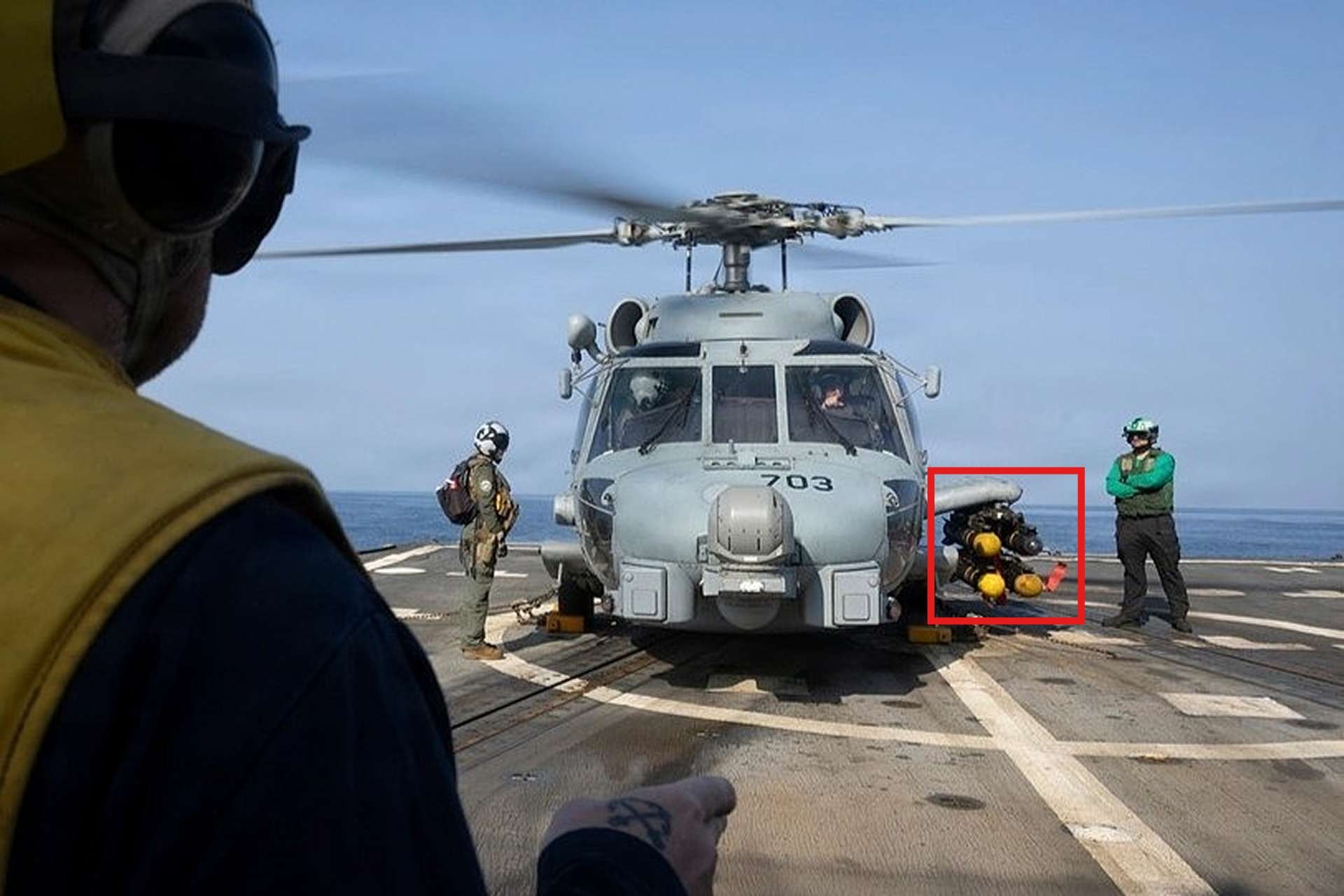
The U.S. Navy’s dedicated mine-hunting force in the region now consists of three Independence-class Littoral Combat Ships (LCS) — USS Canberra, USS Tulsa, and USS Santa Barbara — fitted with the Mine Countermeasures (MCM) mission package. Each deploys:
- MH-60S Seahawk helicopters with airborne laser mine-detection systems
- Unmanned surface vehicles (USVs) towing sonar and influence sweep gear
- Explosive ordnance disposal teams
However, limitations are significant. The LCS platforms are less specialized than the old Avengers, suffer from unreliable unmanned vehicles, single-point failures, and sonar challenges in the turbid, shallow waters of the strait. Controlling ships or drones must still operate within range of remaining Iranian anti-ship missiles. Clearance in a hostile environment is far slower than in peacetime.
_underway_in_the_Philippine_Sea_on_1_October_2019_(191001-N-YI115-2128).JPG)
To accelerate commercial return, the Trump administration has already directed political-risk insurance guarantees through the U.S. Development Finance Corporation. This lowers the financial barrier even before every threat is eliminated.Timelines: Weeks to Months, Not DaysMilitary analysts are consistent: full reopening will take weeks to months absent a rapid cease-fire.
- Escorts could begin by late March if the focus shifts from offensive strikes, per Energy Secretary Wright.
- Mine clearance: Days if Iran agrees to a cease-fire and stops laying new mines; weeks (or longer) under continued harassment. The 1988 clearance after the Iran-Iraq War took months in peacetime.
- Full commercial confidence: Potentially months, because insurance markets and shipping companies require sustained safe transits, not just a one-time sweep. Jonathan Schroden of the Center for Naval Analyses notes that even with advanced robots, the “integrated vertical stack of threats” from seabed to shoreline makes this slower than many expect.
The biggest lingering risk is persistence: Iran’s small boats and mobile launchers are hard to eliminate entirely. Mines can be re-laid faster than they are cleared. Insurance premiums and fear may keep many operators away long after the first escorted convoy passes.OutlookThe U.S. has the capability to reopen the Strait of Hormuz — history and current operations prove it. The sequence is clear: suppress, clear, escort, insure. But the timeline is measured in weeks to months, not hours or days, because this is not simply a naval problem; it is an economic and psychological one. Every additional day the strait stays closed costs the global economy billions and tests the limits of America’s post-Avenger mine-warfare force.
Whether a cease-fire arrives first or sustained pressure forces Iran to relent will determine if the world’s most critical energy artery reopens in spring 2026 — or stretches into summer. For now, the Navy is executing the plan it always knew it might have to: methodically, relentlessly, and without shortcuts.
Mid-March 2026, roughly 16–18 days after Iran’s effective closure of the Strait of Hormuz began in response to U.S.-Israeli strikes, the world’s most critical energy artery remains paralyzed. Roughly 20 million barrels per day of oil and 19–25% of global LNG — one-fifth of all seaborne oil trade — have been reduced to a trickle. Commercial traffic has collapsed, hundreds of tankers sit idle, and the economic damage is no longer theoretical. It is measurable, accelerating, and projected to worsen sharply with every additional day and week the strait stays closed.


- Oil Prices: Brent crude has surged from pre-conflict levels around $70–80 to hover near $100 per barrel (peaking above $108–119 in volatile sessions). The risk premium alone added roughly $40 per barrel. U.S. gasoline prices have climbed 20–65 cents per gallon in some regions; jet fuel and diesel are up sharply.
- Global GDP Hit: Economic models peg the cumulative loss at approximately $330 billion (0.3% of global GDP) for a short disruption under two weeks — a figure already being approached or exceeded as the standoff enters its third week. Gulf economies have seen output slashed; oil revenue losses for Gulf producers and Iraq exceed $1.1 billion per day.
- Inflation and Markets: Global inflation has risen 0.4 percentage points so far. Equity markets remain under pressure, with safe-haven flows into gold, yen, and Swiss franc. Shipping rates for Very Large Crude Carriers (VLCCs) have exploded from $120,000 to $420,000 per day; LNG freight costs are up 40%.
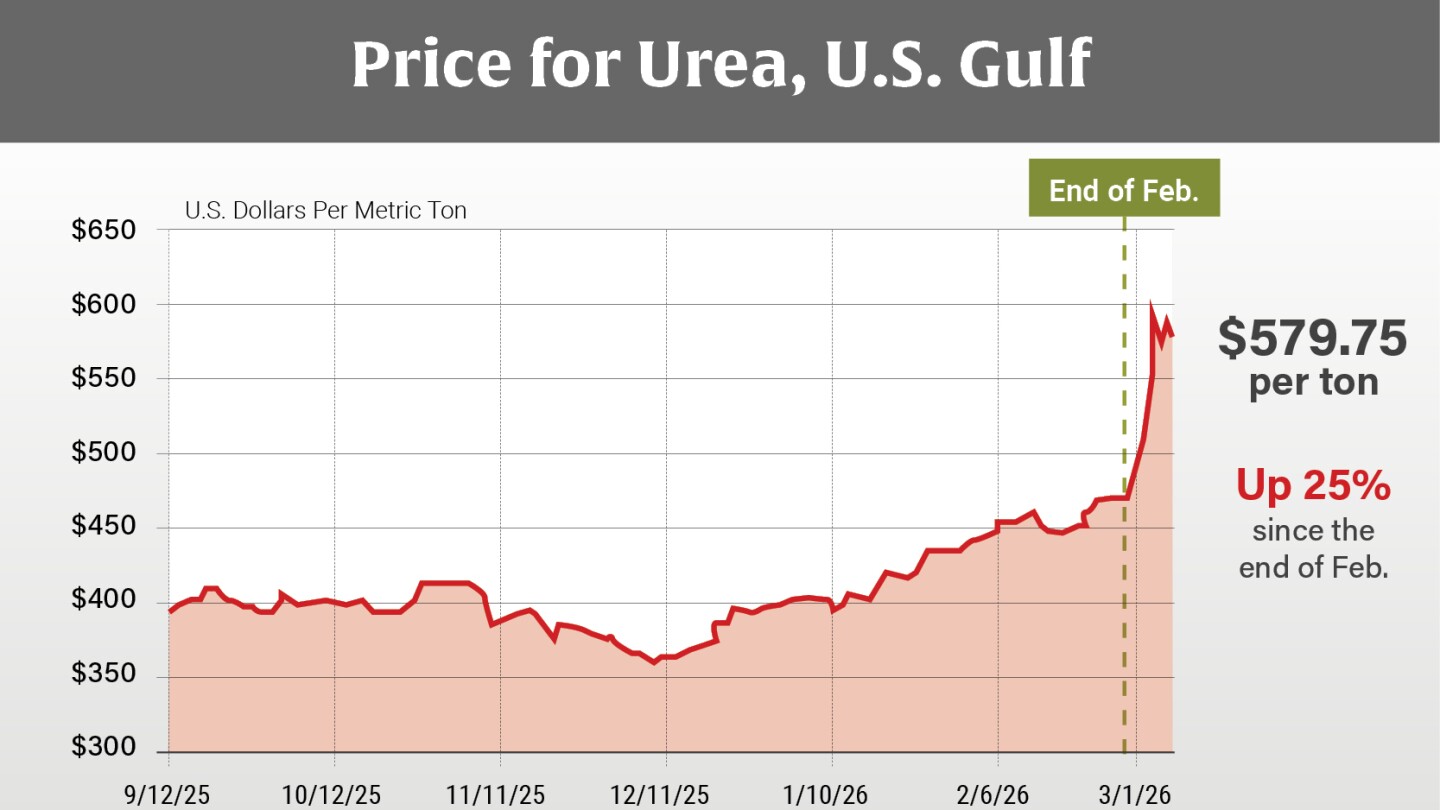
- Sectoral Ripples: Fertilizer prices — urea up 25% or more, with some U.S. markets seeing hundreds of dollars per ton added — threaten spring planting in the Northern Hemisphere. One-third of global fertilizer trade (urea, ammonia, sulfur) normally routes through the strait. Early warnings from U.S. farmers and the Fertilizer Institute speak of “catastrophic crop failure” risks if supplies tighten further. Petrochemicals, aluminum, sugar, and even clothing/medical equipment inputs have seen cost spikes.
:max_bytes(150000):strip_icc()/Slide7_2026-03-05-200721_xqnv-50215783925c455b83f9a752fe9cffc3.png)
Asia — which receives 80–84% of Hormuz oil flows — is feeling the brunt: China, India, Japan, and South Korea face higher import bills and potential power and industrial slowdowns. Emerging markets with weak currencies are already seeing trade-balance strain.
The IEA’s historic 400-million-barrel coordinated release has provided temporary breathing room, but it cannot offset a physical shortfall of 14–16 million barrels per day once pipeline bypasses (only 3.5–5.5 million bpd capacity) are maxed out.The Coming Days and Weeks: From Shock to Structural PainAnalysts have modeled three clear scenarios based on duration. The meter is now ticking into the “medium” phase.
- Next 7–14 Days (Approaching 4 Weeks Total): Additional daily losses compound. Each extra day of closure can add $3–5 to the oil price, pushing Brent toward $100–120. Global GDP losses climb toward the $770 billion mark (medium-conflict estimate). Inflation rises another 0.6pp, Gulf GDP contracts another several percentage points. Fertilizer shortages begin biting into planting windows in the U.S., Europe, and Asia; food-price pass-through accelerates. Shipping and insurance markets remain frozen, amplifying freight costs across unrelated routes.
- 3–6 Weeks Horizon: Full medium-scenario territory. Cumulative global GDP loss hits ~$770 billion. Brent settles in the $100–120 range (some forecasts warn of $150 if no resolution). Global inflation +1.0pp overall. Demand destruction begins in earnest — higher fuel and freight costs slow manufacturing, travel, and consumer spending. Asian LNG shortages ripple into power prices; emerging-market currencies weaken further. Recession risk rises sharply for energy-import-dependent economies.
The psychological and insurance component makes this worse than raw volume numbers suggest: even partial reopenings may not immediately restore confidence. Every week the strait stays closed erodes spare capacity, burns through strategic reserves faster, and entrenches higher baseline energy costs.Bottom Line: The Clock Is RunningThe Hormuz closure has already cost the world economy hundreds of billions and delivered the sharpest energy-price shock in decades. In the next days, expect continued volatility and localized pain (gasoline, fertilizer, freight). In the next weeks, the damage shifts from headline prices to broader growth and inflation headwinds that central banks cannot easily offset.
Whether U.S. escorts, mine clearance, or a diplomatic breakthrough arrives first will determine if the bill stops at $770 billion — or keeps climbing toward trillions. For now, every additional sunrise with the strait closed adds another line item to the global economic damage report. The world is learning, in real time, just how expensive it is when the planet’s most vital oil valve is turned off.
Mid-March 2026, just weeks before peak spring planting in the Northern Hemisphere, the effective closure of the Strait of Hormuz has triggered a severe fertilizer supply shock. Roughly one-third of global seaborne fertilizer trade — especially nitrogen products like urea and ammonia from major Gulf producers Qatar, UAE, Saudi Arabia, and Iran — normally flows through this chokepoint. With shipping paralyzed and some Gulf plants halting production due to LNG and gas disruptions, the world is facing the fastest fertilizer price spike since 2022, compounded by physical shortages.
Urea prices have surged 25–71% in the past 90 days in key markets, with U.S. retail quotes hitting $600–674 per ton (up sharply from pre-conflict levels around $450–500). The U.S. alone is 25% short of typical spring supplies, as it imports up to half its urea. Similar tightening is hitting India (which sources over 40% of its urea from the region), Brazil, and parts of Asia and Africa.

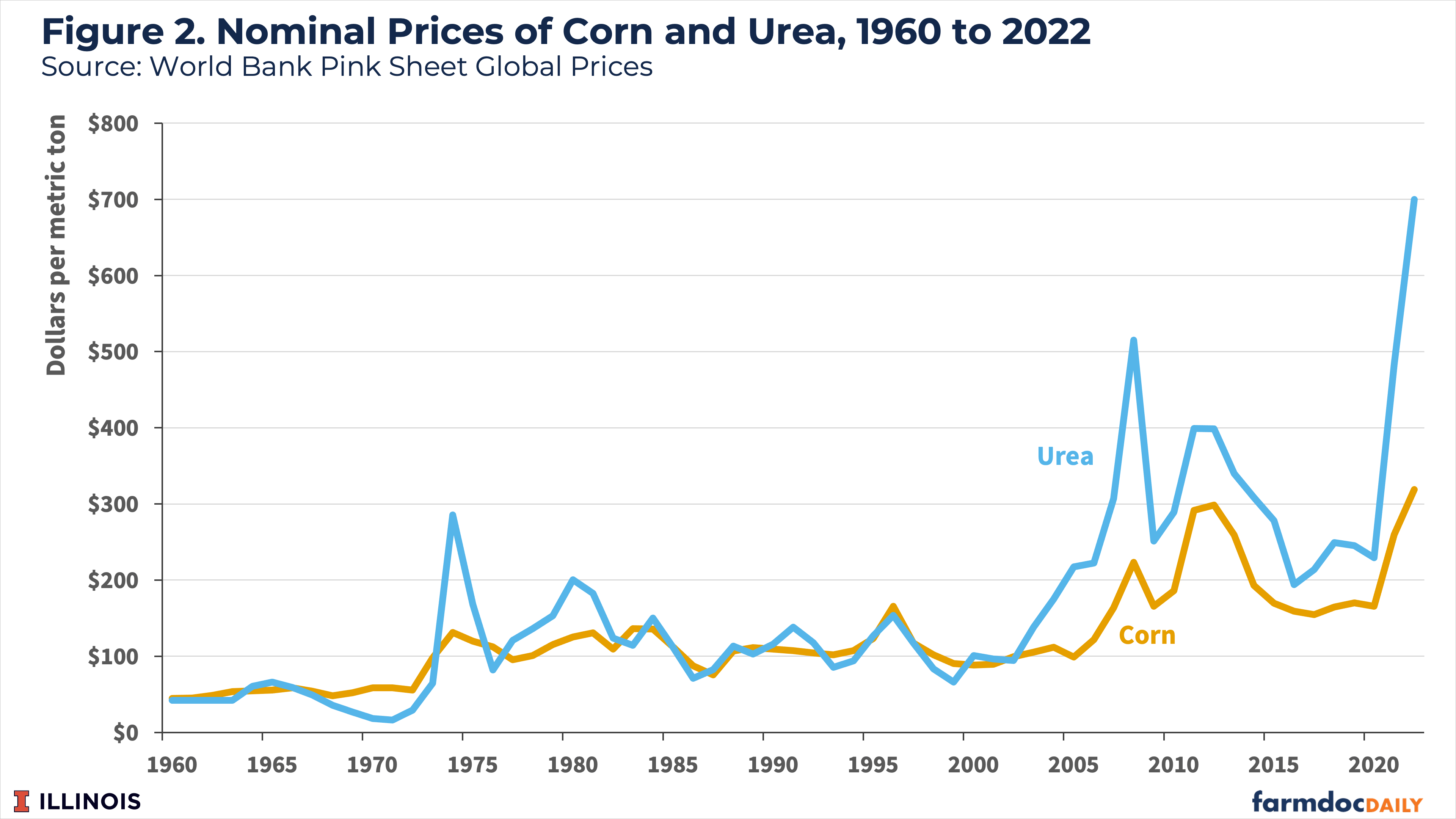
Analysts warn this will directly lower yields: historical data shows fertilizer contributes 30–50% to crop output, and even modest reductions (e.g., skimping on nitrogen) can cut corn or wheat yields by several bushels per acre in the same season. Potash and phosphate cuts hit soil health longer-term. In the U.S., this comes on top of already tight margins, potentially shrinking corn acreage by 1–1.5 million acres and pressuring overall 2026 production.


Europe faces indirect pressure via higher global prices and disrupted Egyptian and Russian flows. Asia and Latin America are more exposed: India has shut some domestic plants due to LNG shortages; Bangladesh has closed five of six factories.Global and Regional Ripple Effects: From Fields to Food PricesThe crisis amplifies vulnerabilities in import-dependent regions. Sub-Saharan Africa, already using fertilizer at rates far below optimal, risks further yield drops that threaten food security for vulnerable populations. South Asia (rice, wheat) and Brazil (soy, corn) could see production shortfalls feeding into higher global prices.
Models from past shocks (like 2022) suggest a 10–26% drop in maize or wheat output under severe input reductions, hitting “breadbasket” regions hardest and propagating to importers in the Middle East, North Africa, and Central America. Even moderate cuts could shave 6–13% off global yields by 2050 in sustained scenarios. Food inflation follows: higher input costs pass through to staples, with developing countries facing the sharpest pain from currency weakness and lack of subsidies.

The UN and analysts highlight risks of broader food insecurity, especially if the closure persists beyond four weeks. Second-order effects include plant shutdowns elsewhere (India, Bangladesh, Egypt) and surging freight/insurance costs that make alternative supplies (from Russia, China, Morocco) insufficient to fill the gap quickly.Longer-Term Risks: Soil Depletion, Stagflation, and HungerIf shortages linger into summer or fall, impacts compound: reduced application depletes soil nutrients, lowering future yields for years; farmers may shift to lower-value crops; and global food prices could add another layer to already elevated inflation from oil and energy shocks. Low-income countries without strategic reserves face the gravest threats — echoing warnings that fertilizer shocks propagate rapidly to macroeconomic instability and hunger spikes.
On the positive side, some adaptation is possible: precision application, cover crops, or policy responses like targeted subsidies. But with planting windows closing fast, the window for mitigation is narrow.Outlook: A Man-Made Crisis with Global StakesThe Hormuz-induced fertilizer shortage is not just an agricultural problem — it is a direct threat to the foundation of modern food production. Every week of continued disruption raises the odds of lower 2026 harvests, higher grocery bills, and heightened food insecurity in the world’s most vulnerable regions. Farmers are already adapting where they can, but the math is unforgiving: less fertilizer means less food. Whether U.S. escorts reopen the strait soon, or alternative supplies ramp up, will decide if this remains a sharp but temporary shock — or escalates into a full-blown global food crisis. For now, the fields are waiting, and the clock is ticking.
Mid-March 2026, with commercial tanker traffic through the Strait of Hormuz reduced to a trickle and roughly 20 million barrels per day of oil flows effectively halted, Gulf producers have turned to their pre-built bypass infrastructure. Only two major pipelines — Saudi Arabia’s East-West system (Petroline) and the UAE’s Abu Dhabi Crude Oil Pipeline (ADCOP) to Fujairah — provide meaningful alternatives. Together they can move at most 5–8 million barrels per day under optimal conditions, a fraction of the lost volume.
These routes were designed decades ago as insurance against exactly this scenario, but planners always assumed any closure would be short-lived. The current crisis has exposed their limits: port loading bottlenecks, downstream shipping risks, and the fact that they only serve Saudi and UAE exports.


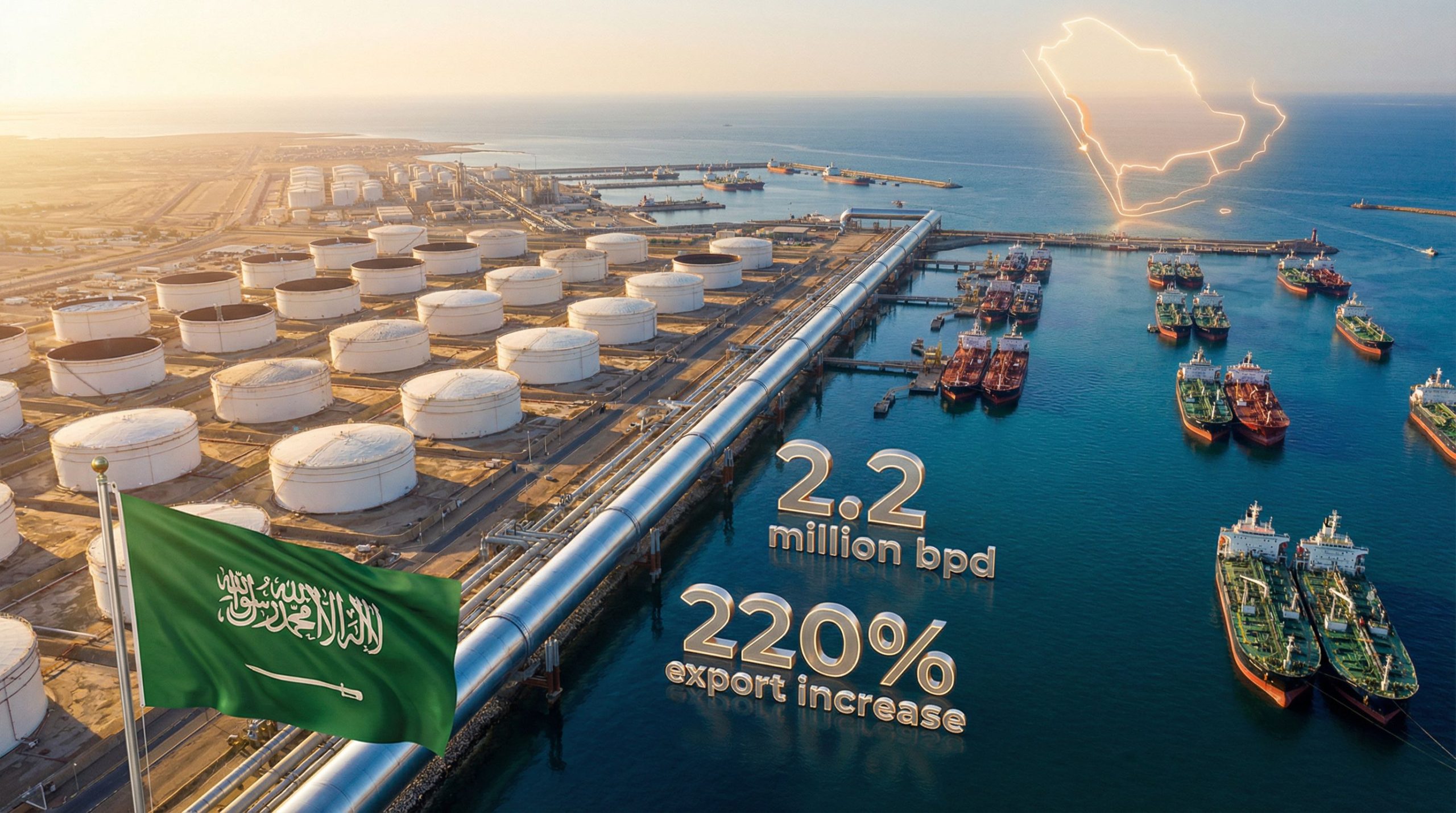
Aramco has rapidly ramped flows, stating it expects to reach full capacity within days. Yanbu exports have already surged — one analysis showed 2.47 million bpd, a 330% increase from pre-crisis levels — with dozens of supertankers queuing.
Critical limitation: Yanbu’s terminals (North and South) can only load about 4–4.5 million bpd in practice. The pipeline can push more oil across the desert than the port can ship out.
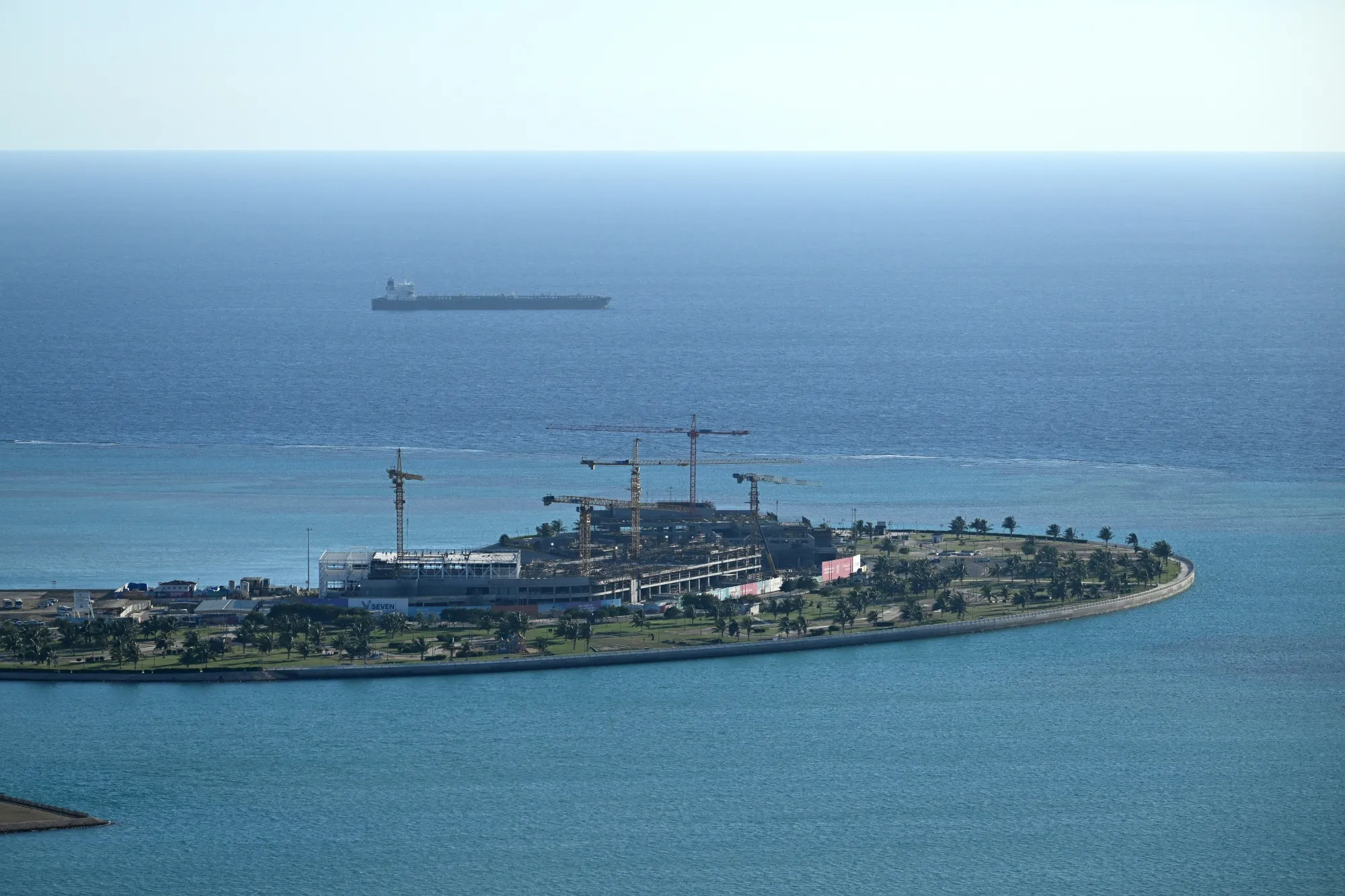
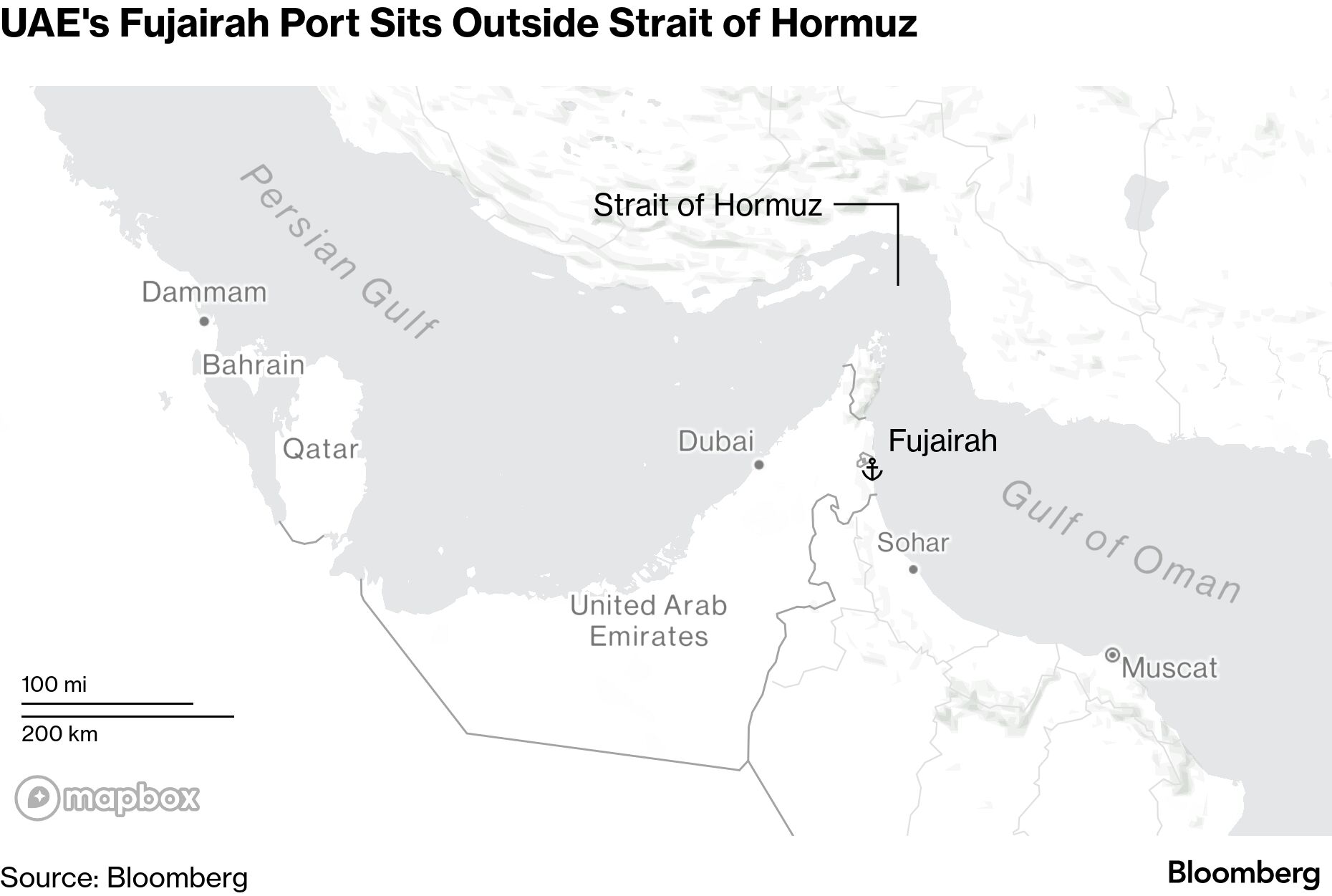
From Yanbu, tankers must still navigate the Red Sea and either the Bab el-Mandeb Strait (vulnerable to potential attacks) or the Suez Canal, or take the much longer and costlier route around the Cape of Good Hope.UAE’s Habshan–Fujairah Pipeline (ADCOP): Direct to the Indian OceanThis 400-km pipeline connects Abu Dhabi’s Habshan fields to Fujairah on the Gulf of Oman — outside the Strait entirely. Capacity is 1.5–1.8 million bpd; it was operating at ~71% before the crisis, leaving some spare headroom.
Fujairah offers a safer route for Asian buyers (China, India, Japan, South Korea — the primary destinations for Gulf oil). No Red Sea risks. However, the port’s storage and loading infrastructure also caps throughput, and the pipeline only covers roughly 60% of UAE’s normal exports.

- Iraq’s Kirkuk–Ceyhan pipeline to Turkey’s Mediterranean coast: ~0.5–1.6 million bpd capacity, but primarily serves northern Iraqi fields, has faced repeated political and security disruptions, and does not help Gulf producers.
- Iran’s Goreh-Jask pipeline: Built to bypass Hormuz for Iranian exports, but irrelevant or unusable given the current conflict dynamics.
- No viable large-scale options exist for Kuwait, Qatar, or most Iraqi southern exports.
Longer tanker routes from Yanbu or Fujairah add days at sea, higher insurance, and fuel costs. Political-risk insurance for Red Sea passages has tightened. These pipelines were sized for a “short disruption,” not sustained closure.OutlookThe bypass routes are buying time and preventing total collapse of Saudi and UAE export programs — Aramco and ADNOC are maximizing them aggressively. But they underscore the Gulf’s structural vulnerability: decades of investment created partial insurance, not redundancy. Without reopening the strait or massive new infrastructure (politically and financially improbable in the near term), the world will continue feeling the shortfall in higher prices, reduced Gulf production, and rerouted supply chains.
For now, every barrel that reaches Yanbu or Fujairah is a small victory — but the math remains unforgiving. The Hormuz crisis has proven that alternative routes exist… just not enough of them.
Mid-March 2026. The Strait of Hormuz — the narrow lifeline carrying one-fifth of the planet’s oil and a quarter of its LNG — has been throttled shut by the Islamic Republic of Iran. Not by accident. Not as collateral damage in a limited war. But as deliberate, calculated policy.
This is not how wars are supposed to work.
If America goes to war with you, you go to war with America.
If Israel goes to war with you, you go to war with Israel.
Those are the rules of engagement understood by every sovereign state since the modern era began. You fight your adversary. You do not seize the global commons and hold the entire world’s economy hostage.Yet that is precisely what Iran has done.
By mining the shipping lanes, broadcasting “passage prohibited” threats on open VHF, and launching drone boats and missiles at commercial tankers, Tehran has turned the world’s most vital energy artery into a kill zone. Commercial traffic has collapsed from 153 vessels a day to barely a dozen. Hundreds of tankers now sit idle outside the Gulf. Insurance markets have evaporated. Oil prices have rocketed past $100 a barrel. Fertilizer shipments — critical for spring planting — have been strangled, threatening food security from Iowa cornfields to Indian rice paddies.
This is not targeted military action. This is economic terrorism on a planetary scale.
The global economy has been taken hostage by the Islamic Republic.
The world has been strangled.
Every additional day the strait remains closed costs billions. Every week adds another layer of pain: higher gasoline prices in American suburbs, rolling blackouts in Asian megacities, fertilizer shortages that will slash crop yields and drive food inflation higher. The $330 billion hit already recorded is only the beginning. Models warn of $770 billion in losses within weeks and trillions if this drags on. This is not “asymmetric warfare.” This is collective punishment of the innocent.
Iran’s leaders knew exactly what they were doing. They have spent decades advertising this capability — mines, speedboat swarms, coastal missiles — as their ultimate deterrent. Now they have pulled the trigger, not against U.S. or Israeli warships alone, but against every neutral flag, every importer in China, India, Japan, Europe, and beyond. They have turned international waters into their private toll road and barricaded it.
This is textbook hostage-taking behavior.
The civilized world has a right — and a duty — to call it what it is and respond accordingly. The response cannot be limited to polite diplomacy or incremental naval patrols. When one nation seizes the global economic jugular and refuses to let go, the community of nations must act in concert:
- Full enforcement of freedom of navigation under international law.
- Sustained coalition escorts backed by overwhelming force.
- Immediate and unrelenting degradation of Iran’s mine-laying and coastal strike capabilities.
- Political-risk insurance guarantees and alternative routing support until the strait is reopened and stays open.
This is not okay.
The hostage must be freed. The strait must be reopened. And the precedent that any nation can strangle the global economy at will must be shattered — now.
Mid-March 2026. Iran’s effective closure of the Strait of Hormuz is not merely an attack on American or Israeli forces. It is a direct assault on the entire planet’s economy — choking off roughly 20% of global seaborne oil and LNG, driving prices past $100 per barrel, and threatening supply chains from American farms to Asian factories. If the international community frames this as collective economic terrorism rather than a bilateral conflict, coordinated responses become not just possible, but necessary.
Two powerful levers stand out: a full economic cutoff of the Islamic Republic and a coordinated surge in production from non-Gulf producers. Neither offers an instant solution, but both could apply decisive pressure while the strait remains blocked.Option One: Cut Iran Off Completely — Maximum Pressure, Global EditionIran is already the world’s most sanctioned nation, yet it still exports oil — primarily to China via shadow fleets, front companies in the UAE and Hong Kong, and barter deals with Russia. A true global isolation would go far beyond current measures.
A “Hormuz Sanctions Coalition” (led by the U.S., EU, UK, Japan, South Korea, India, and Australia) could:
- Impose aggressive secondary sanctions on any buyer, bank, or shipper handling Iranian crude — targeting Chinese refiners and insurers directly.
- Expand SWIFT exclusions and freeze foreign assets tied to Iran’s oil revenue.
- Coordinate naval interdiction and intelligence operations to dismantle the shadow fleet, as seen in past U.S. actions against Russian and Iranian tankers.
- Ban Iranian participation in global trade forums and pressure BRICS/SCO partners to choose sides.

The graphic above shows exactly how Iran currently evades sanctions. Disrupt those narrow channels — the Iranian exchange houses, front companies in Hong Kong and the UAE, and Chinese end-buyers — and Tehran’s remaining revenue evaporates. Iran’s economy, already battered, relies on oil for roughly 80% of its hard-currency earnings. Full cutoff could trigger hyperinflation, mass unrest, and internal collapse far faster than military strikes alone.
Challenges exist: China and Russia would resist at the UN, and some nations (India, Turkey) have economic ties. But a coalition of the willing — mirroring the 2018–2020 maximum-pressure campaign — does not require unanimous UN approval. It worked before. It could work again, this time with broader international buy-in when the entire world is the victim.Option Two: Non-Gulf Producers Ramp Up to Plug the GapThe shortfall is enormous — 15–20 million barrels per day once storage fills and Gulf producers slash output. Spare capacity worldwide is limited and mostly held by the very Gulf states now affected. But non-OPEC+ producers offer the best long-term relief.
Key players and realistic potential:
- United States: Already at record levels (~13.5 mb/d). Shale can grow, but new wells take 6+ months to drill and complete. EIA forecasts only modest gains or even slight declines in 2026 — helpful over time, not an immediate flood.
- Brazil and Guyana: The fastest risers. Pre-salt fields and the Stabroek block are adding hundreds of thousands of barrels per day annually. Combined potential: 0.5–1 mb/d extra in 2026.
- Canada, Argentina, Norway, and others: Oil sands, Vaca Muerta shale, and North Sea increments add smaller but steady volumes.
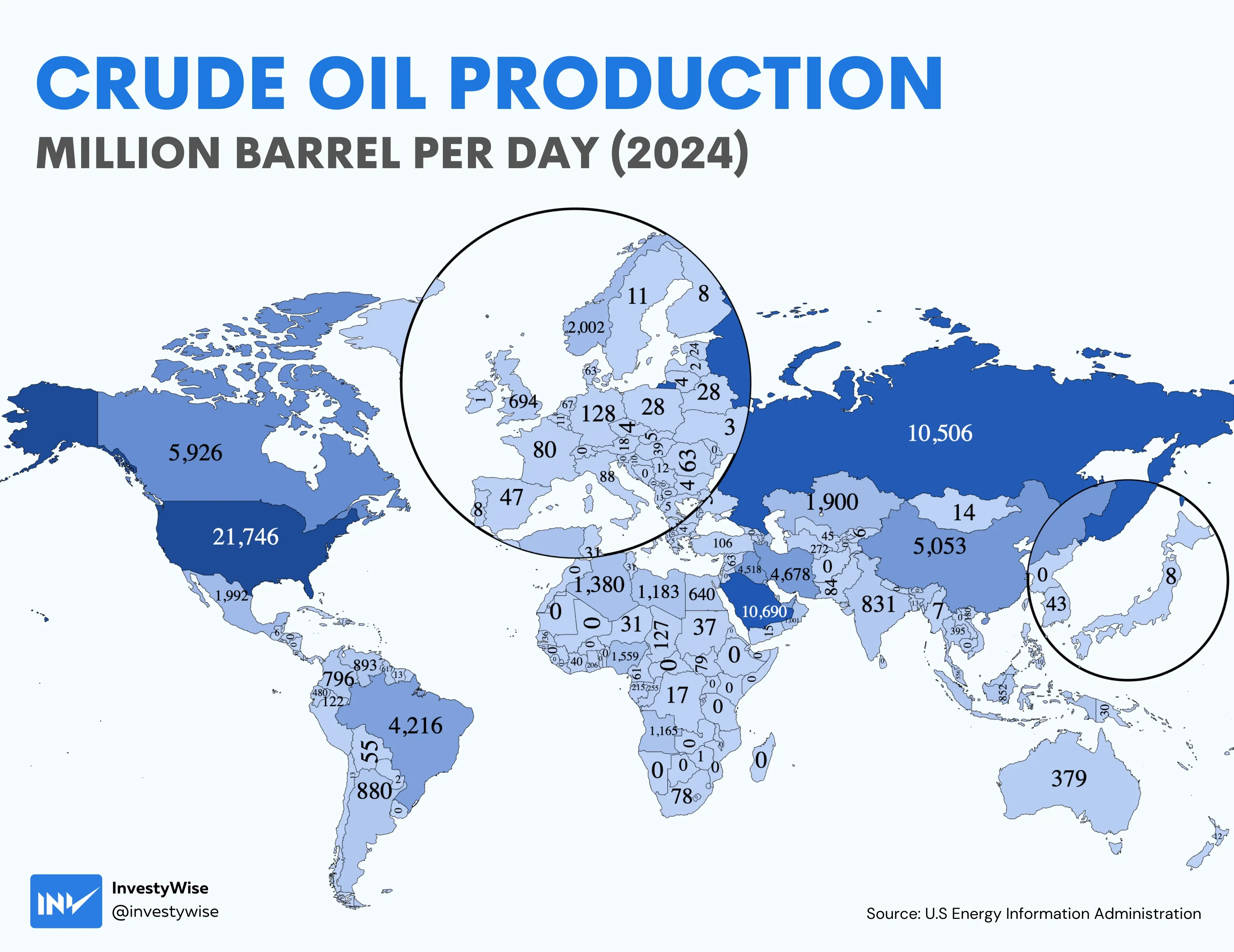
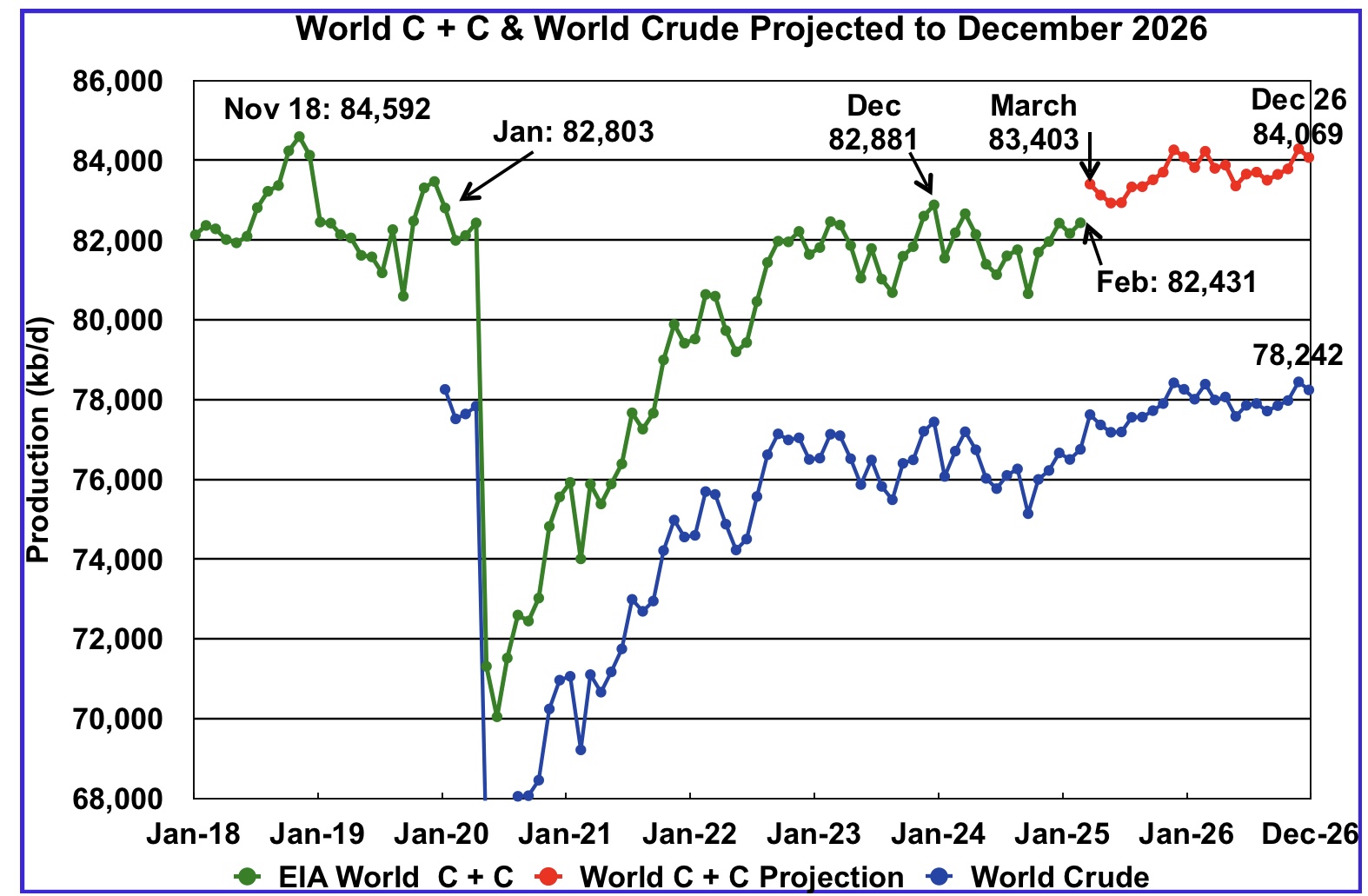
Global production maps and IEA/OPEC projections tell the story: non-OPEC+ supply is forecast to grow by roughly 0.6–1.2 million barrels per day in 2026 — a meaningful contribution to long-term balance, but nowhere near replacing the sudden Hormuz gap. The world’s total spare capacity outside the Gulf is simply too small for a quick fix.
The IEA’s historic 400-million-barrel emergency release is already buying time, but inventories cannot substitute for sustained flows indefinitely.The Realistic Outlook — Pressure and Mitigation, Not MagicA unified global response would combine both levers: choke Iran’s finances while every non-Gulf barrel possible is brought online. Add diplomatic isolation, accelerated bypass pipelines (Saudi Yanbu and UAE Fujairah routes, already maxed), and continued naval escorts once threats are suppressed.
Limits are clear. Full isolation hurts Iran most but takes months to bite. Supply surges are incremental and delayed. The fastest, most effective path remains forcing Tehran back to the negotiating table through sustained economic pain and military pressure on its mine-laying and coastal assets.
Iran bet that the world would treat this as “just another Middle East fight.” If the global community instead sees it as an attack on everyone — a strangulation of trade, food security, and energy — the response can be overwhelming. The tools exist. The question is whether the will matches the threat.
The strait must reopen. Iran’s economy must feel the full cost. And the precedent that any single nation can hold the world hostage must end — decisively and together.
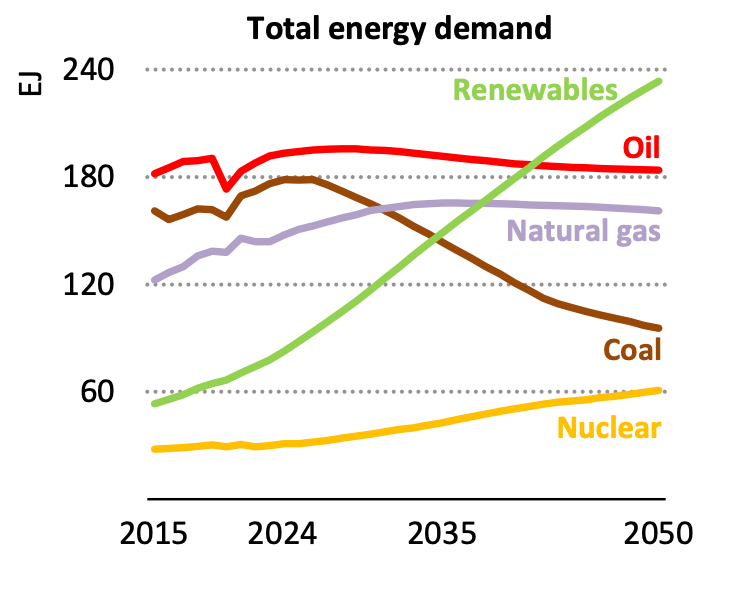
Mid-March 2026. As Iran’s closure of the Strait of Hormuz drives Brent crude above $100 per barrel and keeps it there, the global solar energy industry is experiencing an unexpected but powerful tailwind. While fossil-fuel-dependent economies reel from higher gasoline, diesel, and electricity bills, solar’s fixed-cost structure suddenly looks like the ultimate hedge against volatility.
The math is simple and immediate: the price of the energy solar displaces has risen sharply, while the cost of producing solar kilowatt-hours has barely budged. Payback periods on new installations are shrinking from 7–10 years to as little as 5 years in many markets. Demand is spiking — and analysts say the momentum will reshape the industry not just for the coming months, but for the rest of the decade.

Solar stocks have already responded. Companies like First Solar have seen sharp gains as investors price in the new economics of renewable energy as a hedge against fossil shocks. In regions with high diesel reliance (parts of Asia, Africa, and remote industrial sites), solar-plus-storage hybrids are moving from “nice-to-have” to “must-have” almost overnight.
Even in the United States and Europe, where solar was already growing rapidly, the Hormuz crisis is accelerating decisions that were months or years away. Payback calculators now show dramatically improved returns, turning hesitant customers into immediate buyers.Minor Headwinds: Supply-Chain Cost PressuresNo boom is without friction. Higher oil prices raise transportation and logistics costs for panels, inverters, and mounting hardware — components that still move globally. Polysilicon production and module manufacturing are energy-intensive; sustained high energy prices can add 5–10% to upstream costs, echoing the 2021–2022 commodity spike that temporarily reversed solar’s long-term price decline.
Yet these increases are dwarfed by the savings on the energy side. Levelized cost of electricity (LCOE) for new solar remains far below new oil- or gas-fired generation in almost every market. Manufacturers and developers are absorbing the pressure through scale, improved efficiency, and domestic supply-chain shifts.
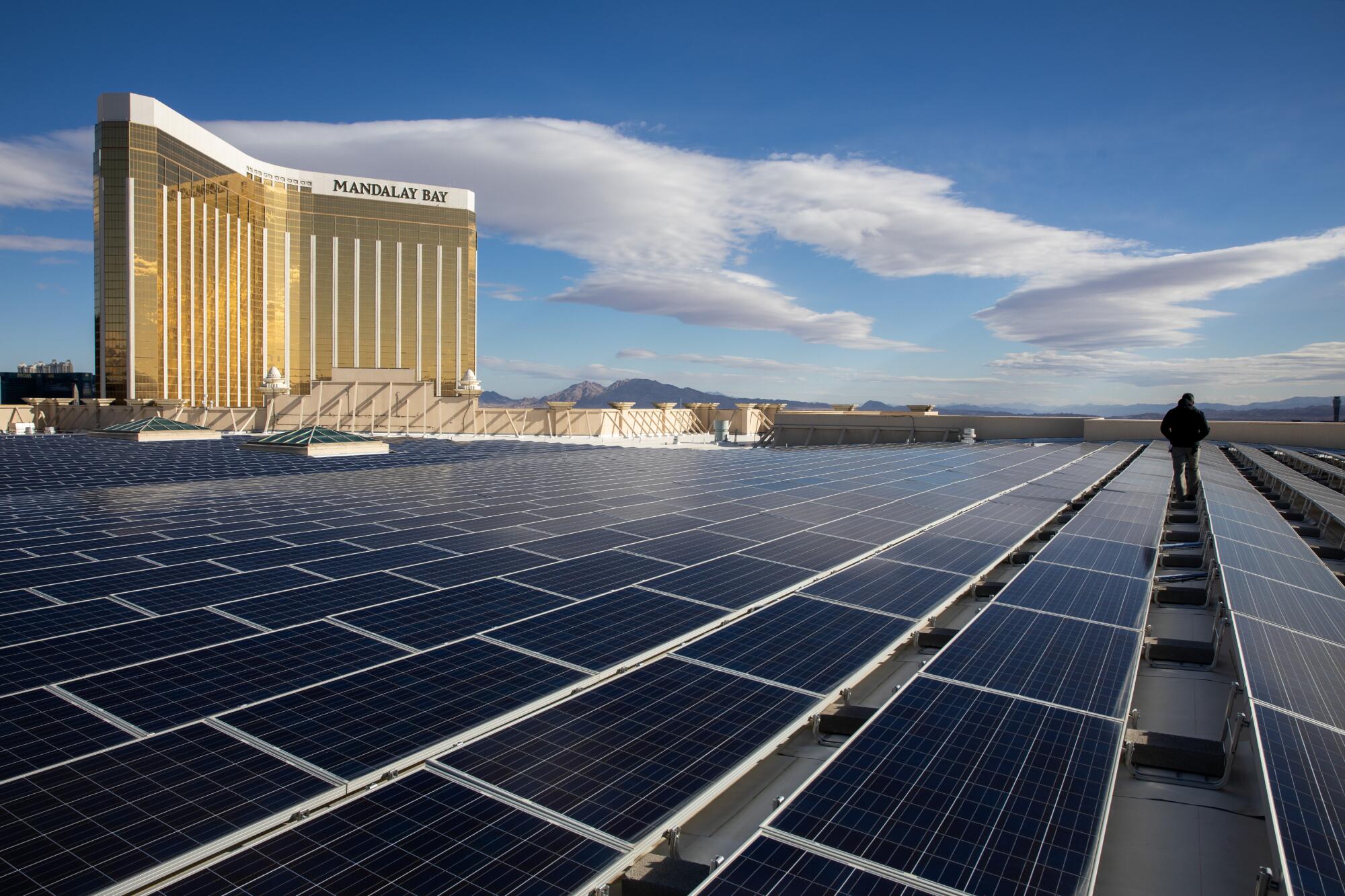

The crisis underscores solar’s unique advantage: once installed, it is immune to tanker routes, mines, and geopolitical chokepoints. Nations that diversify fastest will gain the greatest resilience.Long-Term Trajectory: A Permanent AccelerationPre-crisis forecasts already projected the global solar market quadrupling to $1.6 trillion by 2034. The Hormuz shock is revising those numbers upward. Cumulative global capacity, already nearing 3 TW today, is on track to approach 8 TW by the mid-2030s — and the current oil-price environment could shave years off that timeline.
Data-center and electrification-driven electricity demand growth further amplifies the effect. Solar paired with batteries is increasingly seen as the scalable, dispatchable solution to both energy security and reliability needs. The industry’s “low-growth phase” fears for 2026 have been overtaken by the reality of a world desperate for stable, affordable power.


Solar does not need the sun to shine brighter. It simply needs the price of the alternative to stay painfully high — and right now, that condition is being met in spectacular fashion. The global solar industry is not just weathering the Hormuz storm. It is poised to emerge from it stronger, larger, and more indispensable than ever. The age of oil volatility may finally be giving way to the age of solar certainty.
Mid-March 2026. The effective closure of the Strait of Hormuz has removed roughly 15–20 million barrels per day of Gulf crude and LNG from global markets. In theory, another major producer could step into the breach. In practice, Russia — the world’s third-largest oil producer — cannot come close.
Russia’s current crude output stands at approximately 8.6–9.2 million barrels per day, according to the latest IEA and OPEC data for February 2026. Its full-year 2026 forecast remains around 9.3 million bpd. That is less than half the volume now missing from the market — and Russia has only limited spare capacity to offer.


Analysts estimate Russia could bring an additional 300,000–400,000 bpd online in the short term by easing voluntary OPEC+ cuts and reactivating idle wells. That is a meaningful increment in a tight market, but it is nowhere near enough to offset the Hormuz shortfall. Longer-term expansion is constrained by sanctions, technology shortages, and maturing fields that require heavy investment Russia is struggling to fund.Russia Is Already Benefiting — Not ReplacingThe crisis has handed Moscow an immediate windfall. Global prices have surged above $100 per barrel, and Asian buyers desperate for alternatives are snapping up Russian barrels. China has hit record import levels exceeding 2 million bpd in recent weeks, while India’s purchases have rebounded sharply after temporary hesitation. Russian crude floating in the Arabian Sea is suddenly far more attractive than Gulf cargoes that cannot move.


Russia’s shadow fleet and established routes through the Northern Sea Route and Pacific ports (Kozmino, Primorsk) allow it to redirect supply quickly to Asia. Higher benchmark prices are already adding hundreds of millions of dollars per day to Kremlin revenues, helping finance its war economy even as Western sanctions bite.The Hard Limits on Russian Scale-UpSeveral structural barriers prevent Russia from playing savior:
- Sanctions and Technology: Western restrictions on equipment and financing continue to slow new drilling and maintenance. Mature Siberian fields are in decline; sustaining even current output requires constant investment.
- OPEC+ Discipline: Russia remains part of the alliance and has been producing below its quota. Any aggressive ramp-up risks fracturing the group.
- Infrastructure Bottlenecks: Ports, pipelines, and rail capacity to Asia have limits. The shadow fleet is already stretched.
- Refining and Domestic Needs: Russia prioritizes its own fuel supply and cannot simply export every extra barrel.
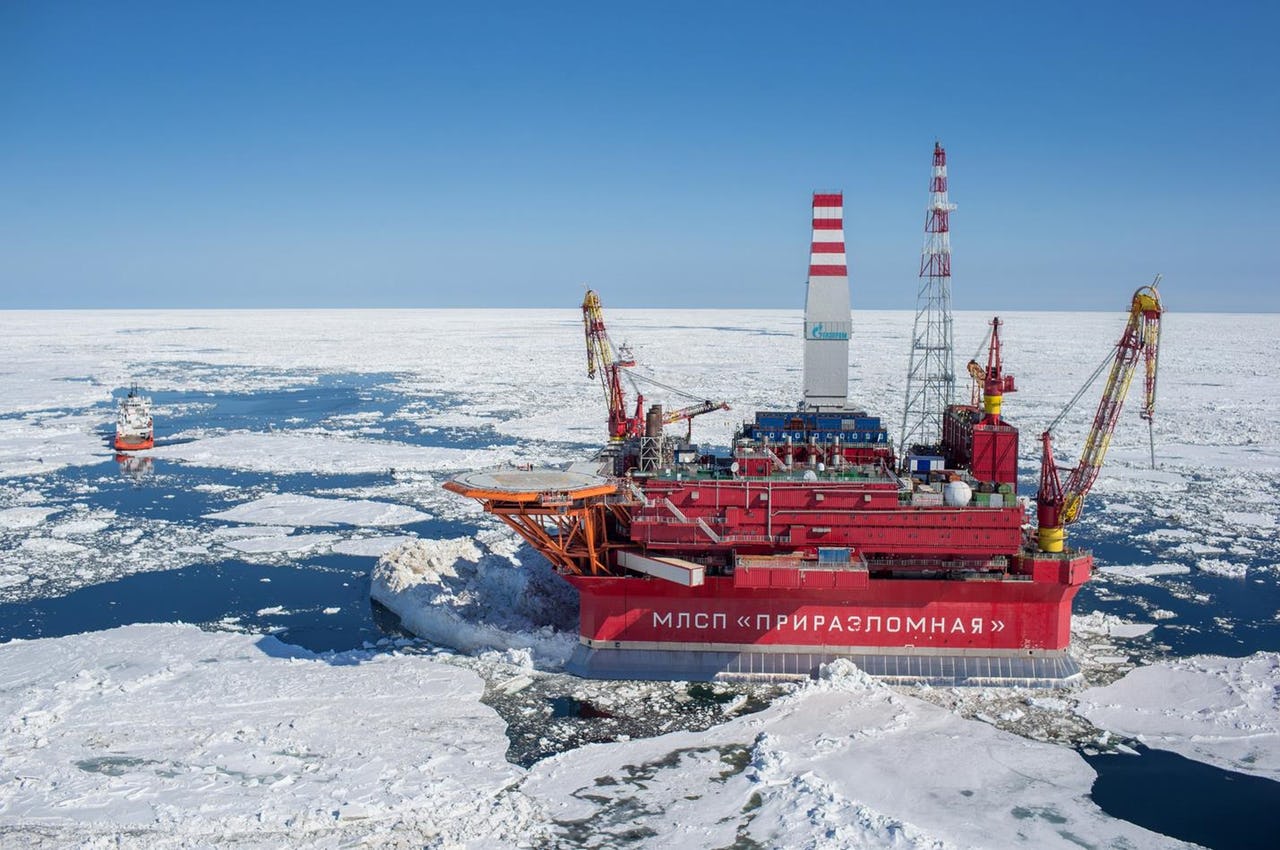

For now, Russian barrels provide a partial bridge — especially for Asia. But the math is unforgiving: one nation’s entire output cannot replace an entire chokepoint. The Hormuz shock has exposed the limits of any single supplier, even one as large as Russia. Global markets will have to adjust the hard way — through higher prices, rerouting, and accelerated diversification — until the strait reopens or the conflict resolves. Moscow will profit along the way, but it cannot rescue the world from the shortfall it did not cause.
Mid-March 2026. Seventeen days into Iran’s effective shutdown of the Strait of Hormuz, the world’s most critical energy artery remains largely paralyzed. Commercial traffic has collapsed, oil prices hover above $100, and every additional day costs the global economy billions. The question on every trader’s, policymaker’s, and shipowner’s mind is simple: how long will this last?
The consensus among military experts and analysts is sobering but not hopeless. A full, confident reopening will likely take weeks to months under current conditions — but aggressive U.S. action, combined with luck and Iranian degradation, could deliver partial traffic in as little as 2–3 weeks and meaningful commercial flows shortly after.Baseline Expectation: Weeks to MonthsIran is not relying on a physical barricade. It is using persistent threats, scattered mines, drone boats, and coastal missiles to make insurance unviable and passage commercially suicidal. Even after U.S. strikes degrade launch platforms, small IRGC speedboats and mobile systems remain hard to eliminate entirely.Mine clearance alone is the biggest bottleneck. The U.S. Navy’s three Littoral Combat Ships with MCM packages, plus allied drones, can work the channel — but turbid waters, ongoing harassment, and the need for repeated sweeps mean days turn into weeks. Historical precedent from the 1980s Tanker War and expert assessments in the current crisis point to the same range: suppression of threats first, then clearance, then escorted convoys.
Without a ceasefire, full commercial confidence (the real metric for reopening) could stretch into months. Insurance markets and shipowners need sustained safe transits, not just one cleared day.Fastest Timeline: U.S. Max Effort + Luck = 2–3 Weeks for Partial FlowIf the United States throws everything at the problem — sustained air and naval strikes to neutralize remaining coastal batteries and minelayers, rapid deployment of additional MCM assets, and immediate convoy operations — partial reopening becomes feasible far sooner.
Analysts tracking the conflict now point to 2–3 weeks for initial escorted passages once the focus shifts from broad offensive strikes to dedicated clearance and protection. Energy Secretary Chris Wright has already signaled escorts could begin by late March if threats are sufficiently degraded. With luck (quick collapse of IRGC swarm capacity, fewer new mines laid, favorable weather for helicopter and drone sweeps), the first commercial tankers under U.S. or coalition escort could transit safely within that window.A rapid ceasefire — even a tacit one — would accelerate everything dramatically: mines could be cleared in days rather than weeks, and commercial traffic could resume almost immediately once insurance returns.Yes — The U.S. Is Already Stepping In to Cover Insurance CostsPresident Trump moved decisively on this front days ago. He ordered the U.S. Development Finance Corporation (DFC) to provide political risk insurance and financial guarantees for all maritime trade — especially energy — through the Gulf “at a very reasonable price.” This directly addresses the war-risk premiums that have skyrocketed or disappeared entirely from private markets.
The move mirrors historical precedents but goes further: it lowers the financial barrier for shipowners even before every threat is neutralized. Combined with planned naval escorts, it is explicitly designed to coax hesitant operators back into the strait once a safe corridor exists. This is not theoretical — implementation has begun.Damage to Iranian Military Infrastructure Changes the EquationOngoing U.S. and Israeli strikes have already destroyed dozens of minelayers, missile sites, and IRGC vessels. If damage reaches a critical threshold — enough to cripple sustained mine-laying and coastal saturation attacks — Iran’s ability to maintain the closure erodes rapidly. The asymmetric toolkit becomes unsustainable once launch platforms and small-boat bases are systematically degraded.
At that point, the closure shifts from a deliberate strategy to a wasting asset. Iran would face the choice of escalating (risking regime-threatening internal costs) or tacitly easing pressure. Sufficient infrastructure damage could shave weeks off any timeline.Out-of-the-Box Political Solutions: Beyond Pure ForceIf military pressure alone feels slow or risky, creative diplomacy could break the impasse faster. Here are realistic but unconventional paths:
- “Sanctions-for-Strait” Grand Bargain: The U.S. offers limited, reversible sanctions relief (oil sales, banking channels) in exchange for Iran publicly guaranteeing unrestricted passage and allowing international observers or a temporary multinational escort force. China and India — desperate for resumed flows — quietly mediate and guarantee compliance.
- UN-Backed “Freedom of Navigation Mandate”: A UN Security Council resolution (or coalition-of-the-willing version) authorizes a neutral mine-clearance and escort mission under a multinational flag. Iran saves face by claiming it never “closed” the strait; the world gets safe passage without full U.S. ownership of the operation.
- Gulf Arab + Russia/China “Neutral Zone” Deal: Saudi Arabia, UAE, and Oman propose a temporary demilitarized maritime corridor policed jointly by non-Western powers (Russia for optics, China for economic stake). Iran gains economic breathing room; the Gulf states regain export revenue. The U.S. provides behind-the-scenes security guarantees.
- “Energy Security Summit” Hostage Release: Convene an emergency summit (perhaps in Oman or Qatar) where Iran trades verifiable de-mining and threat reduction for a broader regional non-aggression understanding and humanitarian/economic incentives. Frame it as mutual de-escalation rather than capitulation.
Best-case U.S. effort plus luck: partial reopening in 2–3 weeks.
Insurance: already activated.
Damage to Iranian capabilities: accelerates everything.
Creative diplomacy: offers the fastest off-ramp if both sides want an exit.
The strait will reopen — the only variables are how much economic pain the world absorbs first and whether leaders seize the diplomatic openings now emerging. The clock is running, but the tools to shorten it dramatically are already in motion.
And the fastest path to that collapse is not the total annihilation of Iran’s conventional military. It is something far more surgical and historically proven: neutralize the Islamic Revolutionary Guard Corps (IRGC) and the Basij militia’s ability to massacre peaceful protesters. Once that enforcement machine is broken, the Iranian people will return to the streets — and the regime will fall. When the regime falls, the strait reopens.The IRGC and Basij Are the Regime’s Only Real PillarsThe regular Iranian army (Artesh) has never been the problem. The IRGC and its paramilitary Basij are. These forces exist for one purpose: internal control. They are the ones who have repeatedly crushed protests — 2009, 2019, 2022 — with live fire, mass arrests, and torture. As long as they retain the capacity to intimidate and kill civilians in the streets of Tehran, Isfahan, and Tabriz, the regime survives.
Targeted strikes that degrade their command centers, communications networks, ammunition depots, and rapid-response bases do not require destroying every Iranian tank or warship. They require enough precision pressure to make the IRGC and Basij fear they can no longer protect the Supreme Leader from his own population. Once that fear sets in, the calculus inside the regime changes overnight.Historical Precedent Is Clear — and RecentIran has come within days or weeks of regime change multiple times when the security apparatus cracked:
- In 2009 the Green Movement nearly toppled the system until the Basij and IRGC restored order.
- In 2019–2020 nationwide fuel protests spread until the IRGC opened fire.
- In 2022 the “Woman, Life, Freedom” uprising shook the foundations until the same forces regained control.
- U.S. and allied strikes focus on IRGC and Basij command-and-control nodes, coastal suppression units, and internal security infrastructure — not blanket destruction of the Iranian state.
- The regime’s street-level enforcers lose operational coherence and confidence.
- Peaceful demonstrators return to the streets in numbers the regime cannot contain without the IRGC/Basij killing machine intact.
- The clerical leadership fractures under the weight of uncontrollable unrest.
- A post-regime government — whatever form it takes — immediately reopens the strait to regain international legitimacy, oil revenue, and the ability to feed its people.
The people of Iran have repeatedly shown they are ready. They only lack the assurance that the guns pointed at them will run out of ammunition or coordination. Give them that assurance, and history suggests the end arrives with stunning speed.Outlook: The Clock Is Running — But So Is the OpportunityEvery extra week the strait stays closed costs the global economy tens of billions and risks wider famine and recession. Prolonging the fight to preserve a regime that has taken the world hostage is the slowest and most expensive strategy imaginable.
The fastest way out is the one that has always terrified the mullahs most: let the Iranian people finish what they started in 2009, 2019, and 2022. Neutralize the IRGC and Basij’s capacity to slaughter protesters, and the streets will do the rest.
The regime collapses.
The people come out.
The strait opens.
That is not wishful thinking. It is the shortest, clearest path on the map. The question is whether the United States and its partners have the clarity — and the courage — to take it.
Mid-March 2026. Seventeen days into the effective closure of the Strait of Hormuz, the Islamic Revolutionary Guard Corps (IRGC) and its Basij paramilitary remain the regime’s iron fist — both for enforcing the maritime blockade and for crushing any domestic unrest. Full-scale destruction of Iran’s military is unnecessary and counterproductive. The fastest route to reopening the strait is not total war but the surgical neutralization of the IRGC and Basij’s capacity to massacre peaceful protesters. Once those enforcers lose operational coherence, the Iranian people will flood the streets again — exactly as they did in 2009, 2019, and 2022 — and the regime will collapse. A collapsed regime will reopen the strait within days to regain legitimacy and revenue.
The strategies below focus on degrading the IRGC’s internal security role while minimizing broader escalation. They draw directly from ongoing U.S. and Israeli operations and the regime’s own admissions of vulnerability.
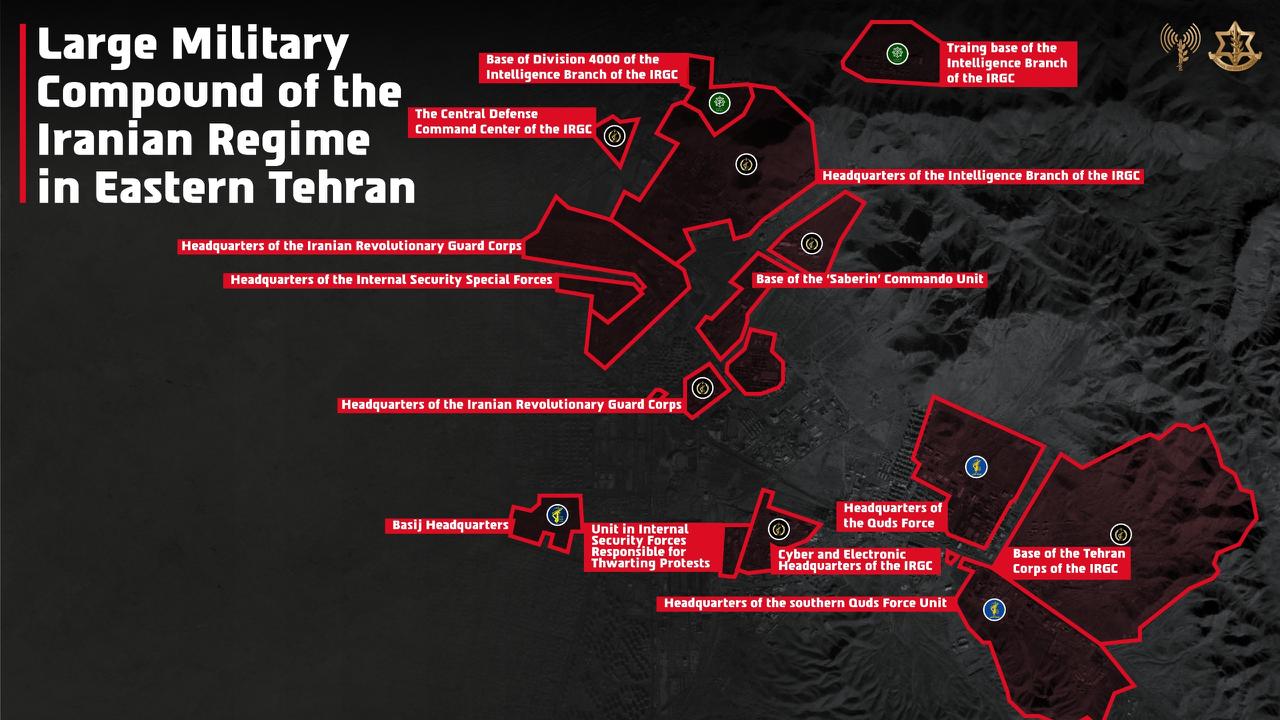

Priority targets include:
- IRGC Aerospace Force and Ground Force headquarters
- Quds Force operational cells tied to internal repression
- Provincial command centers responsible for rapid-response units
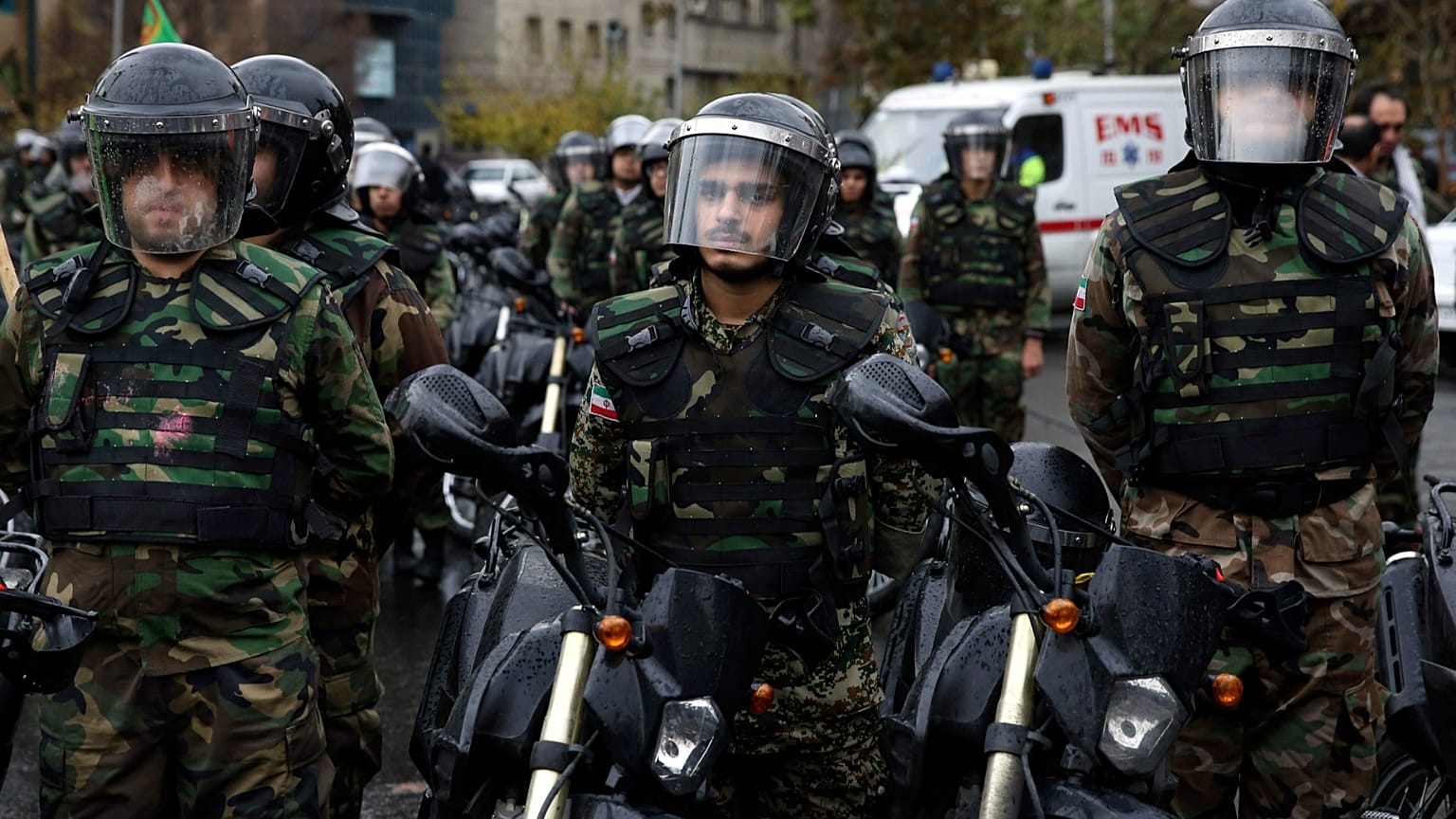
Basij units rely on local bases embedded in neighborhoods, mosques, and universities. Precision strikes or electronic jamming of their command links would render them unable to coordinate mass arrests or live-fire responses. Once Basij forces cannot reliably assemble or receive orders, protesters regain the streets.


.jpg)
The IRGC is not invincible. Ongoing strikes have already exposed its limits. Doubling down on strategies that specifically strip its ability to harm peaceful protesters is the shortest, most effective path to ending the Hormuz crisis — and the Islamic Republic’s grip on power. The regime’s enforcers are its Achilles’ heel. Neutralize them, and the strait reopens.
Basij Protest Suppression Tactics: Anatomy of a Paramilitary Control System
In the modern history of the Iran, few institutions have been as influential—and controversial—as the Basij. Often described as a volunteer militia loyal to the Islamic Republic, the Basij operates as a sprawling grassroots force tasked with defending the political system. Under the umbrella of the powerful Islamic Revolutionary Guard Corps (IRGC), the Basij has evolved into one of the regime’s most important instruments for suppressing protests and maintaining social control.
From university campuses to city streets, the Basij functions as a decentralized enforcement network capable of mobilizing thousands of loyalists at short notice. Over the past two decades—especially during the 2009 Iranian Green Movement and the nationwide protests following the death of Mahsa Amini in 2022—its protest-suppression tactics have become more sophisticated, coordinated, and technologically enabled.
Understanding how the Basij suppresses dissent provides insight into how modern authoritarian systems maintain control in the age of social media and networked protest movements.
The Structure of the Basij
The Basij was founded in 1979 by Ruhollah Khomeini as a “people’s mobilization” force intended to defend the new Islamic Republic. Initially a wartime militia during the Iran–Iraq War, it later transformed into a permanent internal security apparatus.
Today, the Basij includes multiple branches:
Neighborhood Basij units
Student Basij organizations
Workplace Basij networks
Women’s Basij divisions
Cyber Basij units
This decentralized structure allows the government to deploy loyalists deeply embedded within everyday society. Basij members may appear as ordinary citizens—shopkeepers, teachers, or students—until mobilized.
The result is a hybrid security model combining formal policing with civilian-style paramilitary participation.
Core Protest Suppression Tactics
1. Decentralized Rapid Mobilization
One of the Basij’s most effective tactics is its ability to mobilize large numbers of members quickly across cities.
Instead of relying solely on centralized security forces, local Basij bases—often attached to mosques—act as neighborhood command centers. When protests begin, these units activate local members who can:
Monitor demonstrations
Disrupt gatherings
Identify protest leaders
Report intelligence to the IRGC
Because these members already live in the community, they can blend into crowds easily.
This creates a constant sense among protesters that regime supporters might be present anywhere.
2. Plainclothes Infiltration
Basij members frequently operate in civilian clothing.
This tactic serves several purposes:
Infiltrating protest groups
Identifying organizers
Gathering intelligence on protest plans
Creating internal distrust among demonstrators
During major protests, plainclothes Basij members often move through crowds filming participants with smartphones or body cameras.
Later, those recordings are used to identify individuals for arrest.
This method dramatically expands the regime’s surveillance reach without relying solely on formal intelligence services.
3. Motorcycle Shock Units
Perhaps the most recognizable Basij tactic involves motorcycle squads.
Groups of Basij riders on motorcycles move rapidly through protest areas, often carrying batons or firearms. These units are used to:
Break up crowds
Charge protesters
Pursue fleeing demonstrators
Establish rapid presence across multiple streets
Motorcycles provide several advantages in dense urban environments:
High mobility
Ability to navigate narrow streets
Psychological shock effect
The sudden arrival of dozens of motorcycles can scatter crowds within seconds.
This tactic has been widely documented during protests in cities like Tehran and Isfahan.
4. Layered Crowd Control
Basij units rarely act alone. Instead, protests are typically managed through layered security responses.
A common configuration includes:
First layer: Basij militia
Second layer: riot police
Third layer: IRGC forces
The Basij’s role is to engage protesters aggressively and destabilize gatherings early.
If crowds persist, formal riot police move in with tear gas, shields, and armored vehicles.
The IRGC usually remains as a reserve force capable of escalating to heavier repression if needed.
This layered model allows the regime to calibrate violence—starting with intimidation before escalating to more forceful measures.
5. Targeted Arrests
Rather than arresting everyone at a protest, Basij forces often focus on key individuals.
Targets include:
Protest organizers
Student leaders
Journalists
Social media influencers
Labor activists
By removing leadership figures, the regime aims to disrupt coordination within protest movements.
This tactic was heavily used during the protests that followed the death of Mahsa Amini, when authorities reportedly detained thousands of activists, students, and journalists.
6. Psychological Warfare
Beyond physical suppression, the Basij engages in psychological operations.
These include:
Broadcasting confessions of arrested protesters on state media
Publicly displaying detained activists
Conducting nighttime raids
Harassing families of protest participants
The goal is to create an atmosphere of fear that discourages participation in demonstrations.
Authoritarian systems often rely less on constant force and more on selective displays of punishment that signal potential consequences.
7. Digital Surveillance and Cyber Basij Operations
In recent years, the Basij has expanded into cyberspace.
The Cyber Basij monitors social media platforms, messaging apps, and online forums to identify protest coordination efforts.
Activities include:
Tracking hashtags
Monitoring Telegram channels
Identifying protest organizers
Spreading pro-government narratives
During periods of unrest, Iranian authorities frequently slow or shut down internet access across the country.
These digital restrictions are often coordinated with Basij monitoring efforts.
8. Pre-Emptive Detentions
Another key tactic is pre-emptive arrest.
Security services may detain activists before protests even begin. This tactic is particularly common before anniversaries of major demonstrations such as the 2009 Iranian Green Movement.
By disrupting organization early, authorities reduce the scale of potential demonstrations.
9. Counter-Protests and Regime Demonstrations
The Basij also organizes pro-government rallies designed to counter opposition protests.
These demonstrations serve several purposes:
Displaying public loyalty to the state
Creating media images of mass support
Physically confronting anti-government protesters
Such rallies reinforce the narrative that protests represent only a small minority.
Strategic Logic Behind the Basij System
The Basij model reflects a broader strategy used by several authoritarian regimes: societal militarization.
Rather than relying exclusively on professional security forces, the government embeds loyalists throughout society.
This approach offers several advantages:
Scale: Millions of potential volunteers
Local knowledge: Members know their communities
Ideological commitment: Many are motivated by religious or political loyalty
Plausible deniability: Plainclothes members blur lines between civilians and state forces
This hybrid system makes protest movements more difficult to organize and sustain.
Limitations and Challenges
Despite its effectiveness, the Basij system has faced growing challenges.
Recent protest movements have demonstrated several vulnerabilities:
1. Scale of Public Anger
Large nationwide protests can overwhelm local Basij units.
When demonstrations spread across dozens of cities simultaneously, security forces must stretch resources thin.
2. Information Leakage
Because Basij members operate within communities, some have reportedly leaked information to protest organizers.
In authoritarian systems, loyalty networks are rarely perfect.
3. International Scrutiny
Human rights organizations and international media have documented Basij involvement in violent crackdowns.
This scrutiny has increased global pressure on the Iranian government.
4. Digital Adaptation by Protesters
Protest movements have adapted by using:
encrypted messaging apps
decentralized leadership
flash-mob demonstrations
These tactics reduce the effectiveness of targeted arrests.
The Future of Protest Control in Iran
The Basij remains one of the most significant instruments of internal control within the Islamic Republic.
But the contest between protesters and security forces is dynamic. Each wave of unrest leads both sides to adapt their strategies.
Protest movements experiment with new forms of coordination, while the Basij develops new methods of surveillance and suppression.
The result is an ongoing tactical evolution—a complex chess match between state power and public dissent.
In that contest, the Basij functions as both shield and sword for the Iranian regime: a paramilitary network designed not only to defend the state, but to shape the very boundaries of political expression within the country.


No comments:
Post a Comment