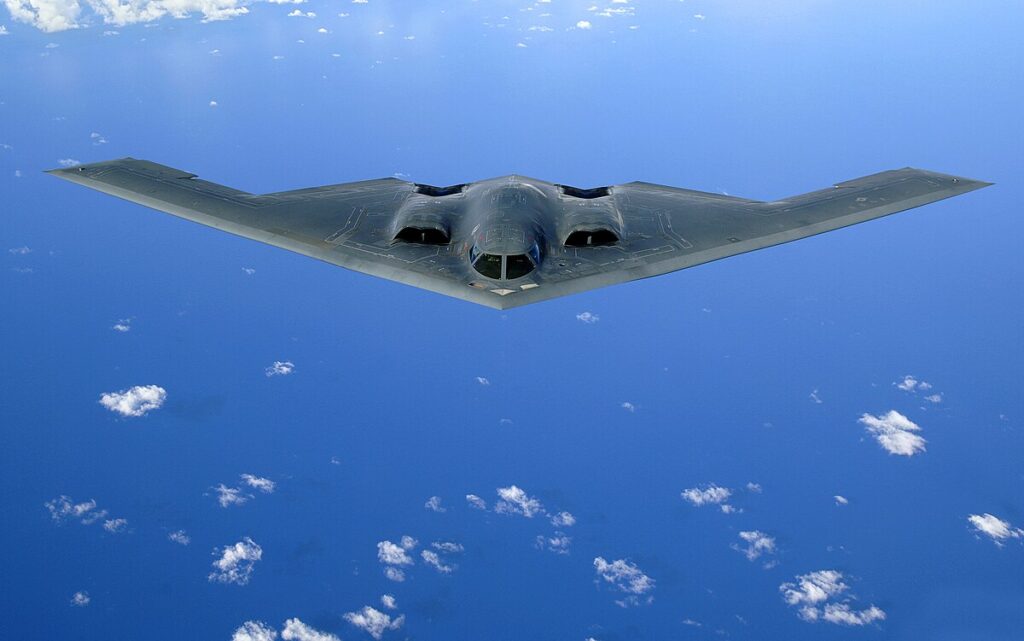
Scenario: Operation Silent Strike
Background
In 2025, escalating tensions between Iran and Israel reach a critical juncture. Iran’s Fordow Fuel Enrichment Plant, a heavily fortified underground facility, continues to produce highly enriched uranium, raising fears of an imminent nuclear breakout. Intelligence reports confirm Iran is months away from weaponizing its nuclear capabilities. The United States, under pressure from Israel and domestic political forces, decides to provide Israel with the means to neutralize Fordow, aiming to delay Iran’s nuclear ambitions without triggering a full-scale regional war. Israel, wary of prolonged conflict, agrees to a one-strike policy, contingent on Iran’s restraint.
In 2025, escalating tensions between Iran and Israel reach a critical juncture. Iran’s Fordow Fuel Enrichment Plant, a heavily fortified underground facility, continues to produce highly enriched uranium, raising fears of an imminent nuclear breakout. Intelligence reports confirm Iran is months away from weaponizing its nuclear capabilities. The United States, under pressure from Israel and domestic political forces, decides to provide Israel with the means to neutralize Fordow, aiming to delay Iran’s nuclear ambitions without triggering a full-scale regional war. Israel, wary of prolonged conflict, agrees to a one-strike policy, contingent on Iran’s restraint.
Phase 1: The Decision
In a classified meeting in Washington, D.C., U.S. officials agree to supply Israel with advanced bunker-busting munitions, including the GBU-57 Massive Ordnance Penetrator (MOP), tailored to penetrate Fordow’s deep underground fortifications. The U.S. also provides real-time satellite intelligence and cyberwarfare support to disrupt Iran’s air defenses temporarily. The operation is codenamed “Silent Strike.” The U.S. imposes strict conditions: Israel must limit the attack to Fordow, avoid civilian casualties, and cease further strikes unless Iran retaliates. Israel’s leadership, led by a pragmatic coalition, accepts, seeing this as a chance to reset the regional balance without committing to a broader war.
In a classified meeting in Washington, D.C., U.S. officials agree to supply Israel with advanced bunker-busting munitions, including the GBU-57 Massive Ordnance Penetrator (MOP), tailored to penetrate Fordow’s deep underground fortifications. The U.S. also provides real-time satellite intelligence and cyberwarfare support to disrupt Iran’s air defenses temporarily. The operation is codenamed “Silent Strike.” The U.S. imposes strict conditions: Israel must limit the attack to Fordow, avoid civilian casualties, and cease further strikes unless Iran retaliates. Israel’s leadership, led by a pragmatic coalition, accepts, seeing this as a chance to reset the regional balance without committing to a broader war.
Phase 2: The Strike
On a moonless night in July 2025, Israeli F-35I stealth fighters, escorted by electronic warfare aircraft, take off from Nevatim Airbase. U.S.-provided cyber tools briefly disable Iran’s radar network around Qom, creating a window for the strike. Four GBU-57 bombs, delivered with precision, penetrate Fordow’s reinforced structure, collapsing key enrichment halls and destroying critical centrifuge cascades. The attack is surgical, avoiding nearby civilian infrastructure. Iran’s air defenses, caught off-guard, and largely disabled by Israeli strikes prior, fail to intercept the jets, which return to Israel undetected.
On a moonless night in July 2025, Israeli F-35I stealth fighters, escorted by electronic warfare aircraft, take off from Nevatim Airbase. U.S.-provided cyber tools briefly disable Iran’s radar network around Qom, creating a window for the strike. Four GBU-57 bombs, delivered with precision, penetrate Fordow’s reinforced structure, collapsing key enrichment halls and destroying critical centrifuge cascades. The attack is surgical, avoiding nearby civilian infrastructure. Iran’s air defenses, caught off-guard, and largely disabled by Israeli strikes prior, fail to intercept the jets, which return to Israel undetected.
Phase 3: Israel’s Message and Step-Back
Hours after the strike, Israel broadcasts a public message via international media and diplomatic channels: “The Fordow facility, a direct threat to global security, has been neutralized. Israel seeks no further conflict. If Iran refrains from retaliation, we will take no further action.” Israel deploys its Arrow missile defense system and mobilizes reserves as a precaution but avoids additional strikes. The message is clear: Israel has drawn a line but is offering Iran a chance to de-escalate.
Hours after the strike, Israel broadcasts a public message via international media and diplomatic channels: “The Fordow facility, a direct threat to global security, has been neutralized. Israel seeks no further conflict. If Iran refrains from retaliation, we will take no further action.” Israel deploys its Arrow missile defense system and mobilizes reserves as a precaution but avoids additional strikes. The message is clear: Israel has drawn a line but is offering Iran a chance to de-escalate.
Phase 4: Iran’s Response and Internal Dynamics
In Tehran, the regime is stunned. Fordow’s destruction sets Iran’s nuclear program back years, with key infrastructure buried under rubble and critical scientists killed in the strike. Publicly, hardliners call for retaliation, but Iran’s leadership faces a dilemma. Satellite imagery, leaked by U.S. intelligence, confirms the precision of the strike, undermining claims of civilian casualties. Iran’s economy, already strained by sanctions, cannot sustain a prolonged conflict. Internal dissent grows as reformists argue that escalation risks regime collapse. After heated debates, Iran opts for a limited response: a salvo of ballistic missiles targeting unpopulated areas of the Negev Desert, accompanied by fiery rhetoric but no direct attacks on Israeli cities.
In Tehran, the regime is stunned. Fordow’s destruction sets Iran’s nuclear program back years, with key infrastructure buried under rubble and critical scientists killed in the strike. Publicly, hardliners call for retaliation, but Iran’s leadership faces a dilemma. Satellite imagery, leaked by U.S. intelligence, confirms the precision of the strike, undermining claims of civilian casualties. Iran’s economy, already strained by sanctions, cannot sustain a prolonged conflict. Internal dissent grows as reformists argue that escalation risks regime collapse. After heated debates, Iran opts for a limited response: a salvo of ballistic missiles targeting unpopulated areas of the Negev Desert, accompanied by fiery rhetoric but no direct attacks on Israeli cities.
Phase 5: Stalemate and a Weakened Regime
Israel, adhering to its commitment, does not retaliate, as Iran’s response causes no significant damage. The U.S. and European allies intensify diplomatic pressure, offering Iran sanctions relief in exchange for halting enrichment activities and allowing IAEA inspections. Iran, weakened but intact, agrees to negotiations, fearing further isolation. The regime’s credibility is battered—hardliners lose face for failing to protect Fordow, while moderates gain traction, pushing for economic stabilization over nuclear ambitions. Protests flare in Tehran, but the regime suppresses them, clinging to power.
Israel, adhering to its commitment, does not retaliate, as Iran’s response causes no significant damage. The U.S. and European allies intensify diplomatic pressure, offering Iran sanctions relief in exchange for halting enrichment activities and allowing IAEA inspections. Iran, weakened but intact, agrees to negotiations, fearing further isolation. The regime’s credibility is battered—hardliners lose face for failing to protect Fordow, while moderates gain traction, pushing for economic stabilization over nuclear ambitions. Protests flare in Tehran, but the regime suppresses them, clinging to power.
Outcome
Fordow’s destruction delays Iran’s nuclear program by an estimated 5–7 years. Israel achieves its strategic goal without sparking a wider war. Iran’s regime survives but is weakened, facing internal divisions and economic strain. The U.S. avoids direct involvement, preserving its regional influence while bolstering Israel’s security. A tense stalemate emerges, with both sides stepping back from the brink, though underlying tensions persist, setting the stage for future negotiations or conflict.
Fordow’s destruction delays Iran’s nuclear program by an estimated 5–7 years. Israel achieves its strategic goal without sparking a wider war. Iran’s regime survives but is weakened, facing internal divisions and economic strain. The U.S. avoids direct involvement, preserving its regional influence while bolstering Israel’s security. A tense stalemate emerges, with both sides stepping back from the brink, though underlying tensions persist, setting the stage for future negotiations or conflict.
Key Implications
- Israel: Strengthens its deterrence but remains vigilant, knowing Iran’s nuclear ambitions are delayed, not eliminated.
- Iran: The regime’s weakened position fuels internal power struggles, with reformists gaining ground but hardliners still influential.
- U.S.: Successfully balances support for Israel with avoiding direct conflict, though relations with Iran remain strained.
- Region: A temporary de-escalation reduces the risk of immediate war, but proxies like Hezbollah remain potential flashpoints.
This scenario hinges on precise execution, mutual restraint, and external diplomatic pressure to prevent escalation, creating a fragile but viable pause in the Iran-Israel conflict.
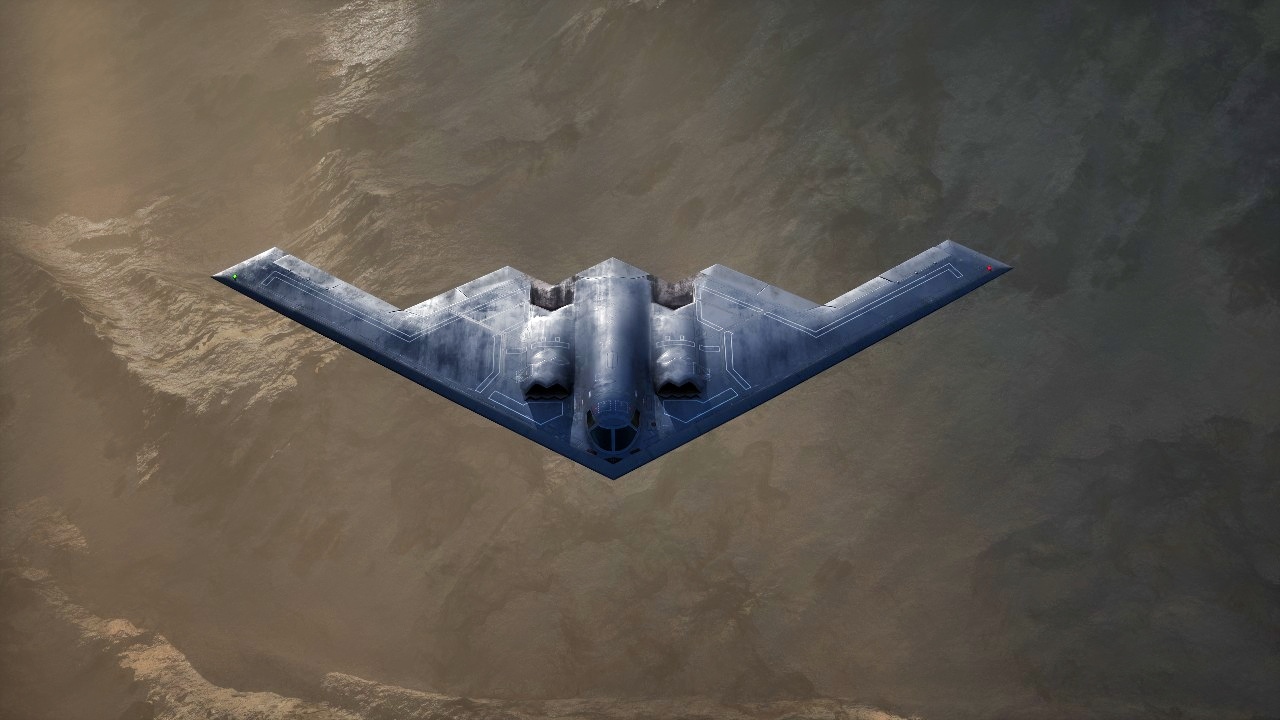
Thread: Operation Silent Strike - A Hypothetical Scenario https://t.co/UzSm6MUA2s 🧵
— Paramendra Kumar Bhagat (@paramendra) June 18, 2025
Fair point.
— Paramendra Kumar Bhagat (@paramendra) June 18, 2025

