there are fears that a rise in imported cases could spark a second wave of Covid-19 - especially among Chinese citizens returning from abroad
....... Authorities counted 108 new coronavirus infections over the past day, including 98 cases among travellers returning from abroad ....... There are 70 coronavirus vaccines in development globally, with three candidates already being tested in human trials ........ North Korea claims the coronavirus has not made inroads into the country, with travel to and from China and Russia having been shut down since earlier this year. It has tested at least 700 people and has put more than 500 in quarantine, but has no confirmed cases of the new coronavirus, according to the World Health Organisation.Coronavirus: what’s behind Vietnam’s containment success?
Over half of US retail space closed
CDC, Fauci see peak in US contagion

I’ve read the plans to reopen the economy. They’re scary. There is no plan to return to normal.
Trump: It's my decision when to reopen U.S. economy
Pelosi, Schumer double down on calls for 'interim' coronavirus relief bill
TRUMP SAYS U.S. ECONOMY AFTER COVID-19 WILL SOAR 'LIKE A ROCKET SHIP'
Trump retweets call to fire Fauci amid coronavirus criticism
Trump says he’ll decide on easing guidelines, not governors
Virus may dash Trump's plan for a 'big bang' economic opening
Unchecked Global Warming Could Collapse Whole Ecosystems, Maybe Within 10 Years
Trump Spends Easter Asking Confidants: ‘What Do You Think of Fauci?’ The president called various friends and allies over the weekend to ask for their opinion
on the doctor he says he made a “star”
—and even retweeted a call for his firing.Fauci confirms New York Times report Trump rebuffed social distancing advice Health adviser says on CNN ‘you could logically say if you started mitigation earlier, you could have saved lives’
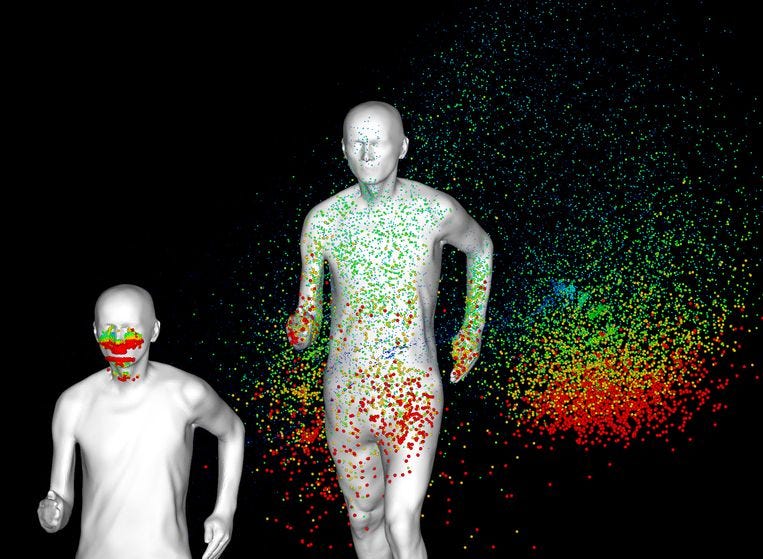
Belgian-Dutch Study: Why in times of COVID-19 you should not walk/run/bike close behind each other.
Cuomo says he will meet with NJ, Conn. govs to help reopen 'as soon as possible'
Coronavirus: Boris Johnson says 'it could have gone either way'
China's border with Russia new front line in coronavirus fight The government has imposed restrictions similar to those in Wuhan city to prevent a second wave from imported cases.
Italy And Spain Ease Lockdown Restrictions As The U.S. Watches For Repercussions
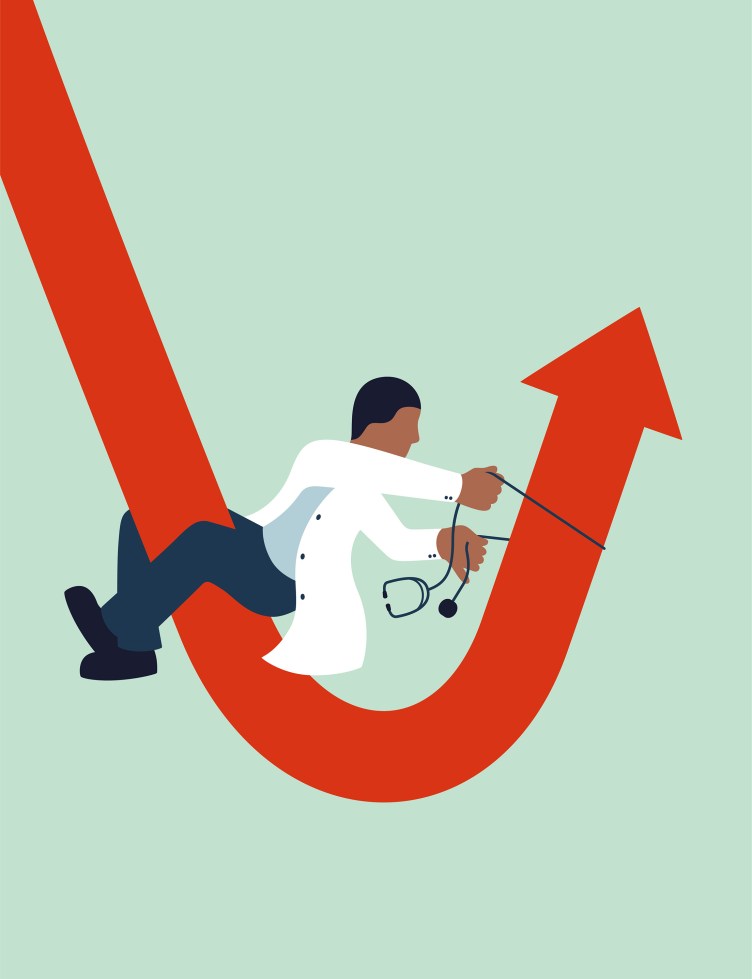
Stop covid or save the economy? We can do both
shutting down the country is also the quickest way to get it started back up again
....... US GDP will drop as much as 30% to 50% by summer. ........ “an optimistic projection” for the cost of closing nonessential businesses until July was almost $10,000 per American household. ........ letting the virus spread unchecked could kill as many as 2.2 million Americans ....... his essential argument remained: that in the coronavirus pandemic, there is an agonizing trade-off between saving the economy and saving lives. .......a false dichotomy
. The best way to limit the economic damage will be to save as many lives as possible. ...... the situation is unprecedented in living memory. ........ “It isn’t like anything we’ve seen in a hundred years.” In any past recession or depression, the economic solution has always been to stimulate demand for labor—to get workers back on the job. But in this case, we’re purposely shutting down economic activity and telling people to stay at home. “It’s not just the depth of the recession,” Autor says. “It’s qualitatively different.” ......... those least able to withstand the downturn will be hit hardest—low-wage service workers in restaurants and hotels, and the growing number of people in the gig economy ......... Each adult earning less than $75,000 will be given $1,200, and for the first time, gig workers and self-employed people will qualify for unemployment benefits. Hundreds of billions of dollars will also go to helping businesses stay afloat. ........ any region with a large service economy is vulnerable ...... many of these places never recovered from the 2008 financial crisis. ......... The people losing these low-wage service jobs were already experiencing skyrocketing mortality rates from what economists have begun calling “deaths of despair,” caused by alcoholism, drug abuse, and suicide. The coming crash could make things much worse. ....... shutting down businesses is the only real choice, given that an unchecked pandemic would itself be hugely destructive to economic activity. If tens of millions of people become sick and millions die, the economy suffers, and not just because the workforce is being depleted. Widespread fear is bad for business: consumers won’t flock back to restaurants, book air travel, or spend on activities that might put them at risk of getting sick. ........ In a recent survey of leading economists by Chicago’s Booth School, 88% believed that “a comprehensive policy response” will need to involve tolerating “a very large contraction in economic activity” to get the outbreak under control.Some 80% thought that “abandoning severe lockdowns” too early will lead to even greater economic damage.
......... even moderate social distancing will save 1.7 million lives between March 1 and October 1 ...... Avoiding those deaths translates into a benefit of around $8 trillion to the economy, or about one-third of the US GDP, ....... “Our choice is whether we intervene—and the economy will be really bad now and will be better in the future—versus doing nothing and the pandemic goes out of control and really destroys the economy.” ........ the 1918 pandemic reduced national manufacturing output in the US by 18%; but cities that implemented restrictions earlier and for longer had much better economic outcomes in the year after the outbreak. .......... Cleveland and Philadelphia. Cleveland acted aggressively, closing schools and banning gatherings early in the outbreak and keeping the restrictions in place for far longer. Philadelphia was slower to react and maintained restrictions for about half as long. Not only did far fewer people die in Cleveland (600 per 100,000, compared with 900 per 100,000 in Philadelphia), but its economy fared better and was much stronger in the year after the outbreak. By 1919 job growth was 5% there, while in Philadelphia it was around 2%. .........“A pandemic is so destructive,” he says. “Ultimately any policy to mitigate it is going to be good for the economy.”
......The cure, then, isn’t worse than the disease.
........ there’s a way to get America quickly back in business while preserving public safety. ..... repeatedly testing everyone without symptoms to identify who is infected. (People with symptoms should just be assumed to have covid-19 and treated accordingly.) All those who test positive should isolate themselves; those who test negative can return to work, traveling, and socializing, but they should be tested every two weeks or so. .......... some might resist it or resist isolating themselves if positive ...... Each of Roche’s best machines can handle 4,200 tests a day; build five thousand of those machines, and you can test 20 million people a day. ........ “We just need to bend some metal and make some machines.” If you can identify and isolate those infected with the virus, you can let the rest of the population go back to business. .......... 93% of the economists agreed that “a massive increase in testing” is required for “an economic restart.” ....... ramping up testing and then isolating those infected rather shutting in the entire population. .......widespread testing of various sorts to know who is vulnerable and who isn’t before we risk going back to business.
......... Many hospitals and doctors complain they can’t get needed tests; and Roche’s CEO said at the end of March that it will be “weeks, if not months” before there is widespread coronavirus testing in the US. ....... He calls the $2 trillion legislation passed by Congress “palliative care” for the economy. If you took $100 billion and put it into testing, he says, we would “be far better off.” .......... The idea that one day you will be able to restart the economy without massive testing to see if the outbreak is under control is just “magical thinking.” ........ without testing .. we will in fact be left with the Trumpian choice: between salvaging the economy and risking countless deaths.Amazon Puts New Grocery-Delivery Customers On Hold As Demand Explodes
Ford expects coronavirus shutdown to cause $600 million quarterly loss
Apple Maps is working to display coronavirus testing locations 'as quickly as possible'
Test and trace: How the U.S. could emerge from coronavirus lockdowns Epidemiologists believe that if properly employed, testing and tracing can allow the U.S. to open some businesses and relax social distancing requirements.
Nursing home deaths soar past 3,600 in alarming surge
Whistleblower nursing home worker, 59, dies from coronavirus after she accused Massachusetts facility where 10 residents have died from the virus of a cover-up and claimed they failed to test staff
Coronavirus News (40) https://t.co/U4jnJNUy31 #FireFauci #FireTrump #FireTrumpNotFauci #SaveFauci #coronavirus #CoronavirusOutbreak #Corona
— Paramendra Kumar Bhagat (@paramendra) April 13, 2020
I wrote a piece about how this situation is going to jerk us towards certain changes to our society.https://t.co/95dO0xKmmb
— ᴅᴀɴɪᴇʟ ᴍɪᴇssʟᴇʀ (@DanielMiessler) April 13, 2020
It's a trap that health and national security officials know too well: Prepare too early and you’re called Chicken Little. Act too late — and millions may die. https://t.co/j6Yo8JDmqC
— POLITICO Magazine (@POLITICOMag) April 13, 2020
A machine that gives out free rice -- it sounds too good to be true. But these "rice ATMs" have been set up around Vietnam to help those who need it most during the coronavirus pandemic. https://t.co/ny9IL7XWvI
— CNN (@CNN) April 13, 2020
We must end violence everywhere, from war zones to people’s homes, as we work to beat #COVID19. https://t.co/4vkEFqLuXV
— António Guterres (@antonioguterres) April 13, 2020
Jobs often filled by African-Americans are considered part of the critical workforce. https://t.co/8LG1WIYNmb
— Science News (@ScienceNews) April 13, 2020
‘God is with us’: Many in Pakistan flout the #coronavirus ban in mosqueshttps://t.co/vjVOBPXVEh pic.twitter.com/E5aLgvBAoh
— Hindustan Times (@htTweets) April 13, 2020
Knowledge does not come to us in details, but in flashes of light from heaven. - Henry David Thoreau
— The Quote (@thequote) April 13, 2020
Jacinda Ardern’s coronavirus plan is working because, unlike others, she’s behaving like a true leader https://t.co/YAxnooCiZl
— Guy Kawasaki (@GuyKawasaki) April 13, 2020