Pages

Saturday, May 10, 2025

10: Masood Azhar & Jaish-e-Mohammed

Trump’s Trade War
Peace For Taiwan Is Possible
The Last Age of War, The First Age of Peace: Lord Kalki, Prophecies, and the Path to Global Redemption
AOC 2028: : The Future of American Progressivism

Trump’s Trade War
Peace For Taiwan Is Possible
The Last Age of War, The First Age of Peace: Lord Kalki, Prophecies, and the Path to Global Redemption
AOC 2028: : The Future of American Progressivism

Beyond Motion: How Robots Will Redefine The Art Of Movement
ChatGPT For Business: A Workbook
Becoming an AI-First Organization
Quantum Computing: Applications And Implications
Challenges In AI Safety
AI-Era Social Network: Reimagined for Truth, Trust & Transformation

Beyond Motion: How Robots Will Redefine The Art Of Movement
ChatGPT For Business: A Workbook
Becoming an AI-First Organization
Quantum Computing: Applications And Implications
Challenges In AI Safety
AI-Era Social Network: Reimagined for Truth, Trust & Transformation

The Last Age of War, The First Age of Peace: Lord Kalki, Prophecies, and the Path to Global Redemption
Prophecies Are Proof Of God
The Most Awaited Person In Human History Is Here
Nepal: The Vishwa Guru Of A New Economic Era (English and Hindi)

Trump’s Trade War
Peace For Taiwan Is Possible
The Last Age of War, The First Age of Peace: Lord Kalki, Prophecies, and the Path to Global Redemption
AOC 2028: : The Future of American Progressivism

Trump’s Trade War
Peace For Taiwan Is Possible
The Last Age of War, The First Age of Peace: Lord Kalki, Prophecies, and the Path to Global Redemption
AOC 2028: : The Future of American Progressivism

Ceasefire Violations Are No Reason To Restart War

Islam's Theological Divergences with Christianity, Judaism, and Hinduism: A Comparative Overview
Countries That Are Predominantly Muslim And Democratic
India Should Focus On Prosperity, War Is A Distraction
India And Pakistan Now Must Move Towards Lasting Peace
India Pakistan Ceasefire: Most Welcome Step


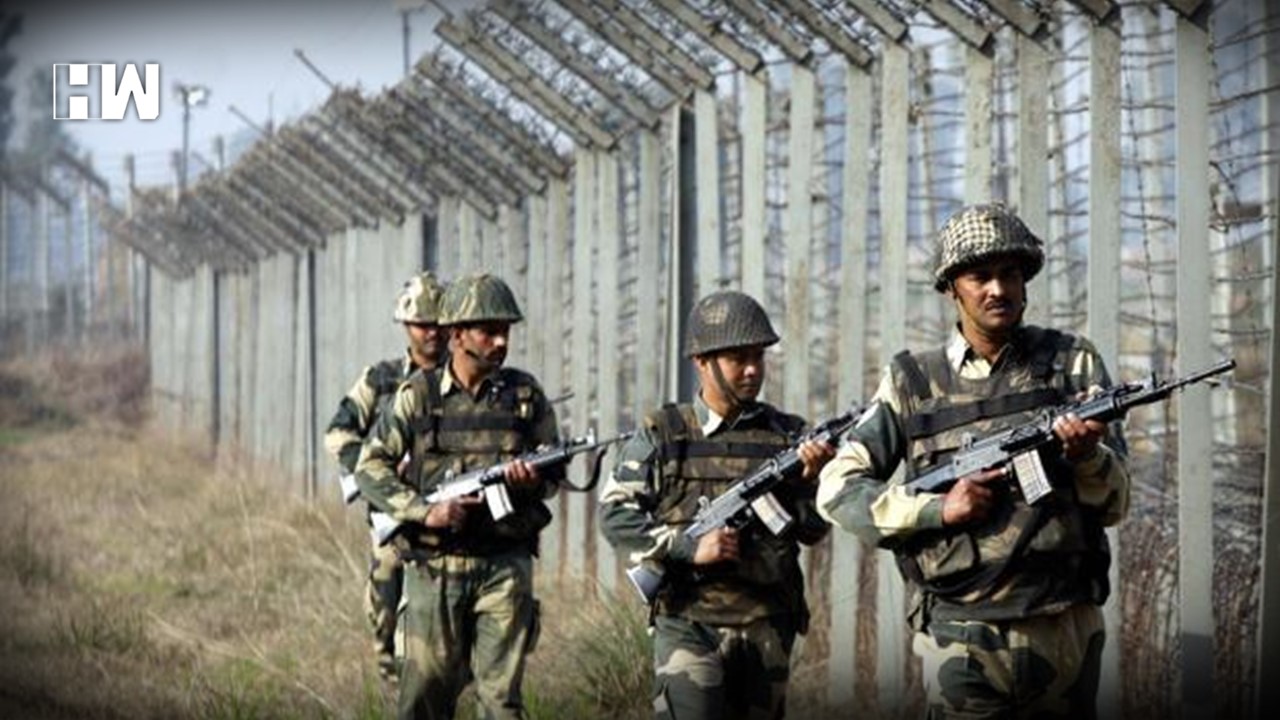
The recent ceasefire agreement between India and Pakistan, announced on May 10, 2025, marks a critical step toward de-escalating tensions in the volatile Jammu and Kashmir region. Despite reports of violations from the Pakistani side, including drone incursions and artillery shelling in areas like Srinagar, Jammu, and Akhnoor, India should refrain from immediate retaliation. This restraint, while challenging, aligns with the broader goal of fostering peace and stability in a region scarred by decades of conflict. The argument for non-retaliation rests on three key points: the gradual nature of ceasefires, the inevitability of mistakes in fragile truces, and the overriding imperative to prioritize long-term peace.

First, ceasefires are rarely instantaneous in their effectiveness; they are gradual processes requiring time to solidify. The India-Pakistan ceasefire followed intense cross-border hostilities sparked by a terror attack in Pahalgam on April 22, 2025, which killed 26 civilians. The agreement, mediated by international actors like the United States and the United Kingdom, was a response to days of missile strikes, drone attacks, and artillery exchanges. Given this backdrop, immediate compliance is unrealistic. Reports indicate that Pakistan violated the truce within hours, with drones spotted over Srinagar and shelling in multiple sectors. However, such incidents may reflect operational lags, miscommunications, or actions by rogue elements within Pakistan’s military or militant groups. India’s restraint allows time for diplomatic channels, including scheduled talks between the Directors General of Military Operations on May 12, to address these breaches and reinforce the ceasefire’s terms. Retaliation risks derailing this delicate process, escalating tensions back to the brink of war.
Second, mistakes are an inherent part of fragile ceasefires, especially in a region as complex as Jammu and Kashmir. The Line of Control (LoC) is a hotbed of mistrust, with both sides accusing each other of violations. Pakistan’s Foreign Ministry has denied some allegations, claiming India initiated breaches, while Indian officials, including Foreign Secretary Vikram Misri, have condemned Pakistan’s actions. This mutual blame underscores the fog of conflict, where miscalculations or unauthorized actions can occur. For instance, the drone sightings in Srinagar and Punjab could stem from non-state actors or miscoordinated military units rather than deliberate policy. India’s history of restraint, as seen in past ceasefire agreements like the 2021 truce, shows that absorbing initial violations can prevent escalation. By not retaliating, India avoids playing into the hands of hardliners who may seek to provoke a broader conflict, instead signaling a commitment to dialogue over destruction.
Finally, the pursuit of peace must remain the overriding priority, even in the face of provocation. The people of Jammu and Kashmir, who have endured decades of violence, stand to gain the most from a sustained ceasefire. Celebrations in Uri and other border towns after the truce announcement reflect a deep public yearning for normalcy. Retaliation, while tempting to assert strength, risks reigniting a cycle of violence that could claim more civilian lives and deepen economic and social instability. India, with its larger military and economic capacity, holds a strategic advantage in choosing de-escalation, projecting itself as a responsible regional power. Moreover, international support from the U.S., U.K., and others provides diplomatic leverage to pressure Pakistan into compliance. By maintaining restraint, India strengthens its case for global backing and isolates Pakistan if violations persist.
Critics may argue that non-retaliation signals weakness, emboldening Pakistan or militant groups to exploit the ceasefire. However, strength lies in strategic patience. India’s armed forces remain on high alert, capable of responding decisively if violations escalate beyond isolated incidents. The government’s actions, such as enforcing blackouts and intercepting drones, demonstrate vigilance without breaking the truce. Meanwhile, diplomatic efforts, including Saudi Arabia’s outreach and planned talks, offer pathways to resolve underlying issues like Kashmir and water-sharing disputes.
In conclusion, India should not retaliate against reported Pakistani ceasefire violations in Jammu and Kashmir. Ceasefires are gradual, mistakes are inevitable, and peace remains the ultimate goal. By exercising restraint, India buys time for diplomacy, avoids escalation, and keeps the hope of stability alive for a region long burdened by conflict.



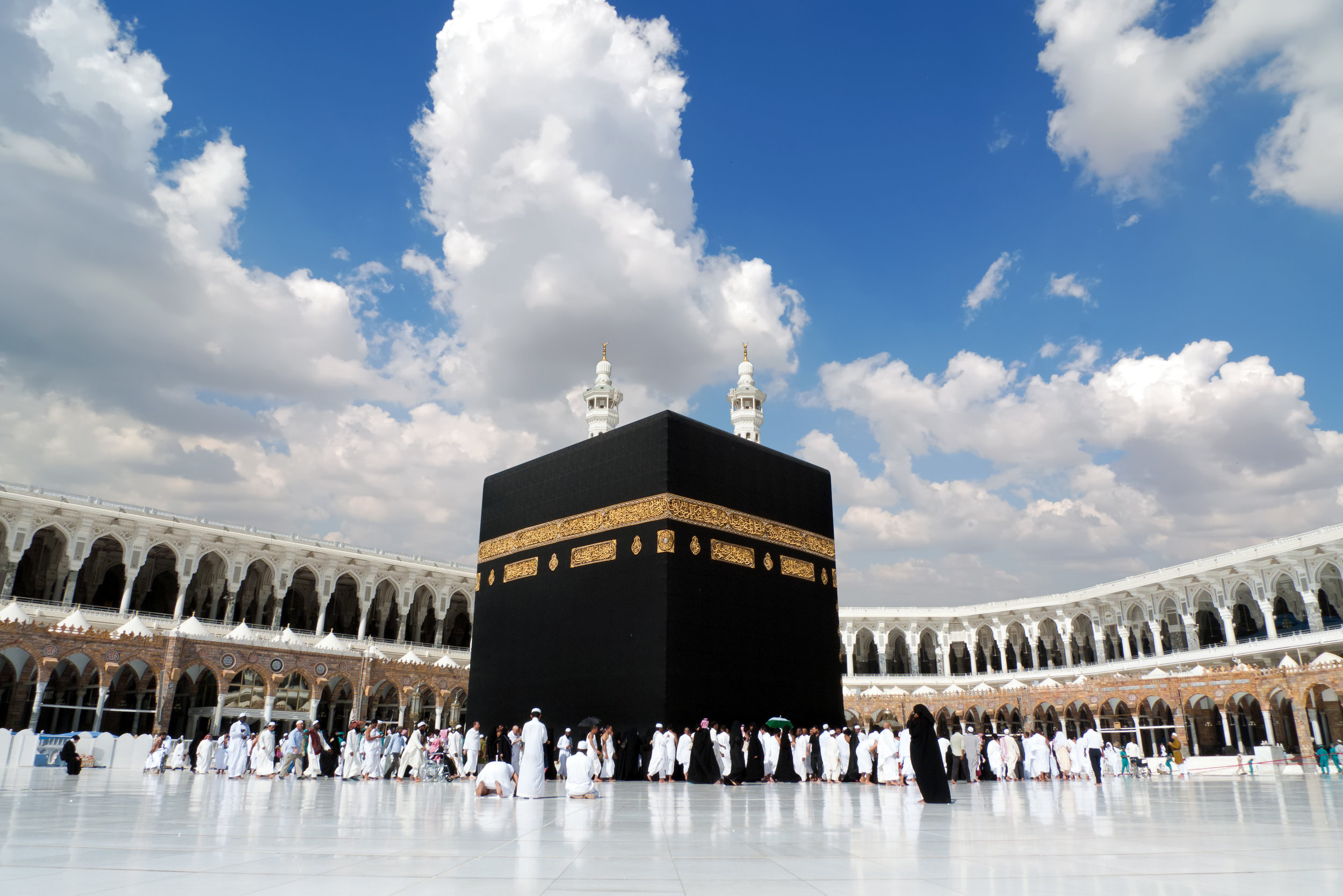
Islam's Theological Divergences with Christianity, Judaism, and Hinduism: A Comparative Overview


Theological Divergences with Christianity, Judaism, and Hinduism: A Comparative Overview

Religion, at its core, seeks to answer questions of existence, purpose, and the divine. While Islam shares historical and cultural ties with both Christianity and Judaism—its Abrahamic siblings—it also engages in theological dialogue and disagreement with religions outside that family, such as Hinduism. Understanding these disagreements is crucial for interfaith respect and global religious literacy.


🕌 Islam vs. Christianity: Theological Divergences

  1. Nature of God and the Trinity
    Islam is uncompromisingly monotheistic. It rejects the Christian concept of the Trinity (Father, Son, Holy Spirit) as a violation of Tawhid, the absolute oneness of God. For Muslims, associating partners with God (shirk) is the gravest sin.

  2. Jesus Christ’s Identity
    Islam acknowledges Jesus (Isa) as a prophet, born of the Virgin Mary and the Messiah to the Children of Israel. However, it emphatically denies:

    • His divinity,

    • That he is the "Son of God",

    • The crucifixion and resurrection (Islam teaches he was not crucified but was taken up by God),

    • The concept of original sin and vicarious atonement through Jesus’ sacrifice.

  3. Scripture and Revelation
    Muslims regard the Qur’an as the final and uncorrupted revelation from God, superseding earlier scriptures such as the Bible, which Islam considers altered over time.

  4. Salvation and Intercession
    Islam teaches that salvation comes through belief in God, righteous deeds, prayer, fasting, charity, and God's mercy—not through the intercession of any savior.


🕌 Islam vs. Judaism: Theological Divergences

  1. Prophethood and Revelation
    While both believe in many of the same prophets (Abraham, Moses, David, etc.), Islam believes Muhammad is the final prophet, the "Seal of the Prophets," and that the Qur’an is God's final word. Judaism does not accept Muhammad’s prophethood or the divine origin of the Qur’an.

  2. Jesus and Muhammad
    Jews reject Jesus as the Messiah and divine figure, as do Muslims (in terms of divinity). However, Muslims also affirm Jesus' prophethood, which Judaism does not. More critically, Judaism completely rejects Muhammad’s role as a prophet, while this is central to Islam.

  3. Law and Continuity
    Judaism holds the Torah and Jewish law (halakha) as binding. Islam believes that the Jewish scriptures were originally divine but were altered, and thus have been abrogated by the Qur’an and Islamic law (sharia).

  4. Chosen People vs. Ummah
    Judaism emphasizes a covenant with a particular people—Israel. Islam universalizes the message and considers the global Muslim community (ummah) as God's chosen path, emphasizing unity beyond ethnicity.


🕌 Islam vs. Hinduism: Theological Divergences

  1. Monotheism vs. Polytheism (or Monism)
    Islam is strictly monotheistic and iconoclastic. It opposes the worship of idols or images. Hinduism, though more complex, includes polytheistic traditions, monistic philosophies (Advaita Vedanta), and idol worship (Murti Puja), all of which Islam strongly rejects.

  2. Concept of God
    In Islam, God (Allah) is a singular, personal, transcendent creator. In Hinduism, God can be:

    • Personal (Krishna, Shiva),

    • Impersonal (Brahman),

    • Manifest in multiple forms simultaneously.

    Islam sees this multiplicity as theological error and shirk (association with God).

  3. Reincarnation and Karma
    Islam teaches a linear view of life: one life, followed by judgment, then paradise or hell. Hinduism teaches cyclical rebirth (samsara) governed by karma. Islam flatly rejects reincarnation.

  4. Scriptural and Ritual Differences
    Islamic scripture is centered on the Qur’an and Hadith, with a focus on strict monotheism and prophetic traditions. Hindu scriptures include the Vedas, Upanishads, Bhagavad Gita, and epics like the Ramayana—none of which Islam recognizes as divine.

  5. Caste vs. Equality
    Islam promotes the idea that all humans are equal before God, regardless of lineage or social class. While many reformist Hindus oppose casteism today, traditional Hindu society was deeply stratified, which Islam critiques as unjust.


🌍 Conclusion: Unity Through Understanding

Islam’s theological disagreements with Christianity, Judaism, and Hinduism reflect deep, principled distinctions about the nature of God, scripture, human destiny, and religious authority. Yet, alongside these divergences, there are shared values: devotion, ethics, community, and the quest for meaning. Understanding these differences not to win arguments but to build mutual respect is essential in a pluralistic world.

In an age of rising polarization, such theological clarity—rooted in knowledge, not prejudice—is a prerequisite for coexistence.


Countries That Are Predominantly Muslim And Democratic


Countries that are predominantly Muslim and function as modern democracies, though the strength and quality of democracy vary. Here are a few prominent examples:


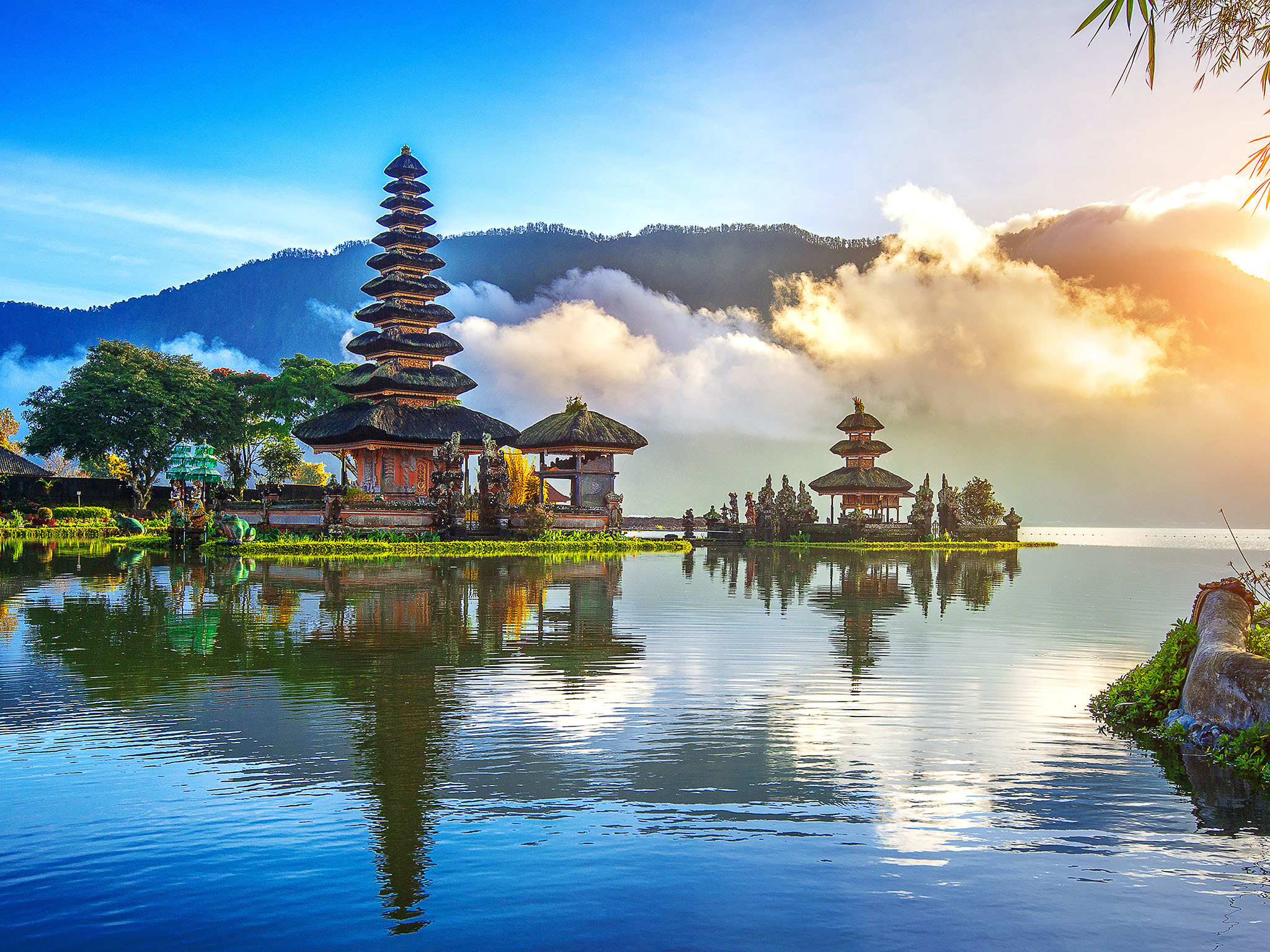
1. Indonesia

  • Population: ~87% Muslim (largest Muslim population in the world)

  • Democracy: Yes – Indonesia is a functioning multiparty democracy.

  • Government Structure: Presidential system with regular elections, vibrant civil society, and a free press (though some limitations exist).

  • Challenges: Issues with corruption, religious intolerance, and regional autonomy tensions.


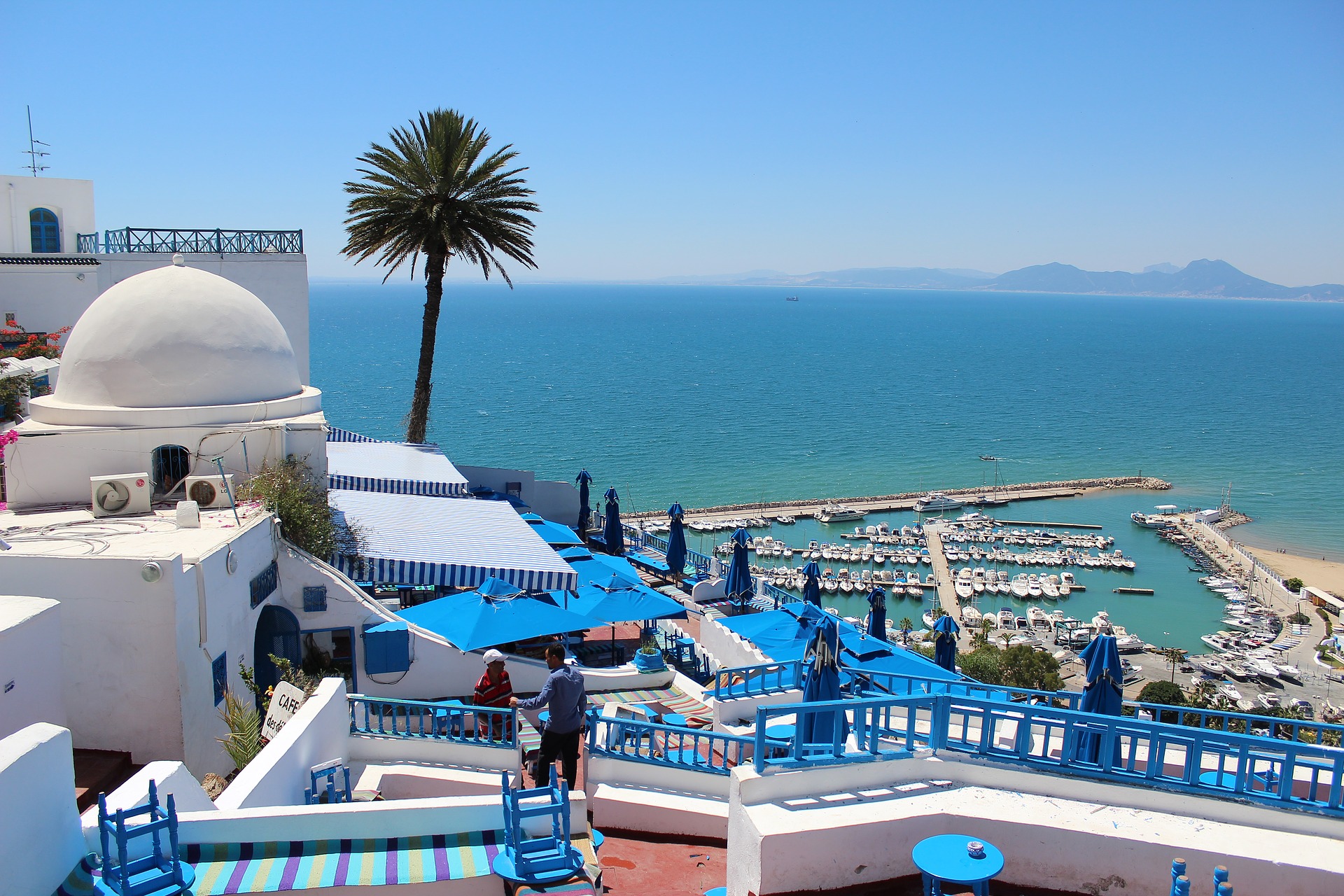
2. Tunisia

  • Population: ~99% Muslim

  • Democracy: Yes – since the 2011 Arab Spring, Tunisia has made significant democratic strides.

  • Government Structure: Semi-presidential system with elections and a new progressive constitution (2014).

  • Challenges: Political instability in recent years, especially post-2021 with executive power consolidation.


3. Senegal

  • Population: ~95% Muslim

  • Democracy: Yes – long-standing democracy with peaceful transitions of power.

  • Government Structure: Presidential republic.

  • Strengths: Vibrant political culture, strong civil liberties compared to many neighbors.

  • Challenges: Some concerns over press freedom and opposition rights in recent years.


4. Malaysia

  • Population: ~60% Muslim (Malay majority)

  • Democracy: Yes – parliamentary democracy with a constitutional monarchy.

  • Strengths: Regular elections, coalition politics, judicial review.

  • Challenges: Ethnic and religious preferential policies, media restrictions, and recent political instability.


Summary:

While no country is a "perfect" democracy (including Western ones), Indonesia, Tunisia, Senegal, and Malaysia are credible examples of predominantly Muslim countries that practice modern democratic governance. Others like Turkey have democratic institutions but face significant backsliding in recent years.


Indonesia Democracy | Hallmark Research Initiative


Here's a comparative overview of four predominantly Muslim countries—Indonesia, Tunisia, Senegal, and Malaysia—evaluated based on three key democratic indicators: political rights, press freedom, and electoral integrity. These assessments draw from reputable sources such as Freedom House, Reporters Without Borders (RSF), and the Economist Intelligence Unit (EIU).


🗳️ Comparative Democracy Indicators (2024–2025)

Country Freedom House Score (2024) Press Freedom Rank (2025) EIU Democracy Index (2024)
Senegal 68/100 – Partly Free 74/180 6.13 – Flawed Democracy
Indonesia 56/100 – Partly Free 111/180 6.71 – Flawed Democracy
Malaysia 53/100 – Partly Free 107/180 7.16 – Flawed Democracy
Tunisia 44/100 – Partly Free 121/180 4.04 – Hybrid Regime

🌐 Country Highlights

🇸🇳 Senegal

  • Democratic Strengths: Noted for peaceful power transitions and robust civic engagement. In 2024, citizens successfully opposed an attempt by the incumbent president to delay elections, leading to a democratic change in leadership.

  • Press Freedom: Ranked 74th globally, indicating relatively strong media independence. 

🇮🇩 Indonesia

  • Democratic Strengths: The world's largest Muslim-majority democracy with regular elections and active civil society participation.

  • Press Freedom: Ranked 111th, reflecting challenges such as incidents of violence against journalists. 

🇲🇾 Malaysia

  • Democratic Strengths: Operates under a constitutional monarchy with a parliamentary system. Recent elections have seen increased political competition.

  • Press Freedom: Ranked 107th, showing moderate media freedom with some government influence.

🇹🇳 Tunisia

  • Democratic Challenges: Once hailed as a success story post-Arab Spring, Tunisia has faced democratic backsliding, with increased executive power and suppression of opposition.

  • Press Freedom: Ranked 121st, indicating significant restrictions on media operations.


📊 Summary

Country Political Rights Press Freedom Electoral Integrity
Senegal Moderate Strong Strong
Indonesia Moderate Moderate Moderate
Malaysia Moderate Moderate Moderate
Tunisia Weak Weak Weak

✅ Conclusion

Among these nations, Senegal currently exemplifies the most robust democratic practices, with active citizen participation and relatively free media. Indonesia and Malaysia maintain functional democracies with areas for improvement, particularly in press freedom. Tunisia, however, has experienced notable democratic erosion in recent years.


10: Lashkar-e-Taiba, Jaish-e-Mohammad

Trump’s Trade War
Peace For Taiwan Is Possible
The Last Age of War, The First Age of Peace: Lord Kalki, Prophecies, and the Path to Global Redemption
AOC 2028: : The Future of American Progressivism

Trump’s Trade War
Peace For Taiwan Is Possible
The Last Age of War, The First Age of Peace: Lord Kalki, Prophecies, and the Path to Global Redemption
AOC 2028: : The Future of American Progressivism

Beyond Motion: How Robots Will Redefine The Art Of Movement
ChatGPT For Business: A Workbook
Becoming an AI-First Organization
Quantum Computing: Applications And Implications
Challenges In AI Safety
AI-Era Social Network: Reimagined for Truth, Trust & Transformation

Beyond Motion: How Robots Will Redefine The Art Of Movement
ChatGPT For Business: A Workbook
Becoming an AI-First Organization
Quantum Computing: Applications And Implications
Challenges In AI Safety
AI-Era Social Network: Reimagined for Truth, Trust & Transformation

Trump’s Trade War
Peace For Taiwan Is Possible
The Last Age of War, The First Age of Peace: Lord Kalki, Prophecies, and the Path to Global Redemption
AOC 2028: : The Future of American Progressivism

Trump’s Trade War
Peace For Taiwan Is Possible
The Last Age of War, The First Age of Peace: Lord Kalki, Prophecies, and the Path to Global Redemption
AOC 2028: : The Future of American Progressivism

10: Azhar Masood

Trump’s Trade War
Peace For Taiwan Is Possible
The Last Age of War, The First Age of Peace: Lord Kalki, Prophecies, and the Path to Global Redemption
AOC 2028: : The Future of American Progressivism

Trump’s Trade War
Peace For Taiwan Is Possible
The Last Age of War, The First Age of Peace: Lord Kalki, Prophecies, and the Path to Global Redemption
AOC 2028: : The Future of American Progressivism

Beyond Motion: How Robots Will Redefine The Art Of Movement
ChatGPT For Business: A Workbook
Becoming an AI-First Organization
Quantum Computing: Applications And Implications
Challenges In AI Safety
AI-Era Social Network: Reimagined for Truth, Trust & Transformation

Beyond Motion: How Robots Will Redefine The Art Of Movement
ChatGPT For Business: A Workbook
Becoming an AI-First Organization
Quantum Computing: Applications And Implications
Challenges In AI Safety
AI-Era Social Network: Reimagined for Truth, Trust & Transformation

Trump’s Trade War
Peace For Taiwan Is Possible
The Last Age of War, The First Age of Peace: Lord Kalki, Prophecies, and the Path to Global Redemption
AOC 2028: : The Future of American Progressivism

10: Islam, Christianity

Trump’s Trade War
Peace For Taiwan Is Possible
The Last Age of War, The First Age of Peace: Lord Kalki, Prophecies, and the Path to Global Redemption
AOC 2028: : The Future of American Progressivism

Trump’s Trade War
Peace For Taiwan Is Possible
The Last Age of War, The First Age of Peace: Lord Kalki, Prophecies, and the Path to Global Redemption
AOC 2028: : The Future of American Progressivism

Beyond Motion: How Robots Will Redefine The Art Of Movement
ChatGPT For Business: A Workbook
Becoming an AI-First Organization
Quantum Computing: Applications And Implications
Challenges In AI Safety
AI-Era Social Network: Reimagined for Truth, Trust & Transformation

Beyond Motion: How Robots Will Redefine The Art Of Movement
ChatGPT For Business: A Workbook
Becoming an AI-First Organization
Quantum Computing: Applications And Implications
Challenges In AI Safety
AI-Era Social Network: Reimagined for Truth, Trust & Transformation

The Last Age of War, The First Age of Peace: Lord Kalki, Prophecies, and the Path to Global Redemption
Prophecies Are Proof Of God
The Most Awaited Person In Human History Is Here
Nepal: The Vishwa Guru Of A New Economic Era (English and Hindi)

Trump’s Trade War
Peace For Taiwan Is Possible
The Last Age of War, The First Age of Peace: Lord Kalki, Prophecies, and the Path to Global Redemption
AOC 2028: : The Future of American Progressivism

Trump’s Trade War
Peace For Taiwan Is Possible
The Last Age of War, The First Age of Peace: Lord Kalki, Prophecies, and the Path to Global Redemption
AOC 2028: : The Future of American Progressivism

10: Ceasefire Violations

View on Threads