
Scenario: Operation Silent Hammer
Date: July 2025
Location: Fordow Fuel Enrichment Plant, near Qom, Iran
Context: Iran has steadfastly refused to halt uranium enrichment, achieving 60% enriched uranium at the heavily fortified Fordow facility, buried deep under a mountain. The United States, wary of escalation and regional fallout, has ruled out deploying bunker-busting bombs due to diplomatic pressures and the risk of radioactive fallout. Israel, having secured temporary air superiority over Iran through a combination of cyberattacks, satellite jamming, and precision airstrikes on Iranian air defenses, faces the critical task of neutralizing Fordow. With airstrikes insufficient to penetrate the facility’s subterranean defenses, Israel opts for a high-risk ground operation involving elite commandos to infiltrate and destroy the enrichment infrastructure.
Location: Fordow Fuel Enrichment Plant, near Qom, Iran
Context: Iran has steadfastly refused to halt uranium enrichment, achieving 60% enriched uranium at the heavily fortified Fordow facility, buried deep under a mountain. The United States, wary of escalation and regional fallout, has ruled out deploying bunker-busting bombs due to diplomatic pressures and the risk of radioactive fallout. Israel, having secured temporary air superiority over Iran through a combination of cyberattacks, satellite jamming, and precision airstrikes on Iranian air defenses, faces the critical task of neutralizing Fordow. With airstrikes insufficient to penetrate the facility’s subterranean defenses, Israel opts for a high-risk ground operation involving elite commandos to infiltrate and destroy the enrichment infrastructure.
The Setup
Israeli intelligence, leveraging Mossad operatives and signals intelligence, confirms that Fordow’s enrichment cascades are operational, producing 60% enriched uranium—a threshold dangerously close to weapons-grade. The facility’s location, tunneled into a mountain and reinforced with layers of concrete and steel, renders it impervious to conventional airstrikes. Israel’s control over Iranian airspace, achieved through a 48-hour window of disrupted Iranian radar and missile systems, provides a narrow opportunity for a surgical operation. The Israeli Defense Forces (IDF) greenlight Operation Silent Hammer, a covert mission to insert a commando unit into Fordow, sabotage the enrichment cascades, and exfiltrate before Iranian forces can respond.
Israeli intelligence, leveraging Mossad operatives and signals intelligence, confirms that Fordow’s enrichment cascades are operational, producing 60% enriched uranium—a threshold dangerously close to weapons-grade. The facility’s location, tunneled into a mountain and reinforced with layers of concrete and steel, renders it impervious to conventional airstrikes. Israel’s control over Iranian airspace, achieved through a 48-hour window of disrupted Iranian radar and missile systems, provides a narrow opportunity for a surgical operation. The Israeli Defense Forces (IDF) greenlight Operation Silent Hammer, a covert mission to insert a commando unit into Fordow, sabotage the enrichment cascades, and exfiltrate before Iranian forces can respond.
The Plan
The operation hinges on the IDF’s elite Sayeret Matkal unit, supported by Shayetet 13 naval commandos for extraction. The mission objectives are:
The operation hinges on the IDF’s elite Sayeret Matkal unit, supported by Shayetet 13 naval commandos for extraction. The mission objectives are:
- Infiltrate Fordow via a combination of air insertion and subterranean access.
- Plant specialized low-yield, non-nuclear explosive charges to destroy the centrifuge cascades and critical infrastructure.
- Exfiltrate via a coastal extraction point on the Persian Gulf, supported by Israeli naval assets positioned in international waters.
Execution
At 0200 hours, under the cover of darkness, two stealth-modified Black Hawk helicopters, equipped with radar-evading technology, depart from a forward operating base in Iraq’s Kurdish region, where Israel has secured temporary landing rights through covert negotiations. The helicopters, flying nap-of-the-earth to avoid residual Iranian defenses, carry a 24-man Sayeret Matkal team equipped with cutting-edge gear: silenced weapons, night-vision goggles, portable EMP devices, and compact explosive charges designed to maximize damage to precision machinery without triggering a radiological disaster.
At 0200 hours, under the cover of darkness, two stealth-modified Black Hawk helicopters, equipped with radar-evading technology, depart from a forward operating base in Iraq’s Kurdish region, where Israel has secured temporary landing rights through covert negotiations. The helicopters, flying nap-of-the-earth to avoid residual Iranian defenses, carry a 24-man Sayeret Matkal team equipped with cutting-edge gear: silenced weapons, night-vision goggles, portable EMP devices, and compact explosive charges designed to maximize damage to precision machinery without triggering a radiological disaster.
The team’s intelligence package, compiled from satellite imagery and defectors’ accounts, indicates a little-known ventilation shaft on Fordow’s eastern slope, used for cooling the underground facility. This shaft, though heavily guarded, is the least fortified entry point. At 0345 hours, the helicopters hover briefly near the shaft’s external vent, 10 kilometers from Fordow’s main entrance to avoid detection. The commandos fast-rope down, neutralize a four-man Iranian guard post with silenced weapons, and access the shaft using laser-cutting tools to breach a reinforced grate.
Inside, the team navigates a labyrinth of tunnels, guided by a 3D map reconstructed from seismic data and insider reports. Iranian security systems, partially disabled by a preemptive Israeli cyberattack, fail to detect the intrusion, but the commandos encounter a patrol of Revolutionary Guard Corps (IRGC) soldiers. A brief, silent firefight ensues, with the commandos using suppressed submachine guns to eliminate the threat without raising alarms.
At 0515 hours, the team reaches the centrifuge chamber—a vast underground hall housing thousands of spinning centrifuges. Engineers among the commandos identify critical junctions in the cascade system and plant timed explosive charges, designed to implode the centrifuges and render the facility inoperable for years. To ensure deniability, the charges are unmarked, and the team deploys EMP devices to fry Fordow’s control systems, delaying Iran’s ability to assess the damage.
Exfiltration and Complications
As the team retreats to the ventilation shaft, an Iranian quick-reaction force, alerted by a manual alarm triggered by a surviving guard, converges on Fordow. The commandos, now racing against time, emerge from the shaft to find their extraction helicopters under fire from Iranian reinforcements equipped with shoulder-launched MANPADS. Israeli F-35s, maintaining air superiority, provide close air support, neutralizing the Iranian positions with precision strikes.
As the team retreats to the ventilation shaft, an Iranian quick-reaction force, alerted by a manual alarm triggered by a surviving guard, converges on Fordow. The commandos, now racing against time, emerge from the shaft to find their extraction helicopters under fire from Iranian reinforcements equipped with shoulder-launched MANPADS. Israeli F-35s, maintaining air superiority, provide close air support, neutralizing the Iranian positions with precision strikes.
The commandos board the helicopters, which take heavy ground fire but manage to lift off. One helicopter sustains damage, forcing an emergency landing 50 kilometers south. The second helicopter relays coordinates to a Shayetet 13 team waiting in Zodiac boats off Iran’s coast. The stranded commandos, pursued by IRGC forces, engage in a running firefight through rugged terrain, losing two men but holding off the enemy until a backup extraction team arrives via CH-53 Sea Stallion helicopters.
By 0900 hours, both teams reach the Persian Gulf, where Israeli naval vessels, supported by U.S. Navy assets maintaining plausible deniability, escort them to safety. Fordow’s centrifuge hall is confirmed destroyed via satellite imagery, with seismic data indicating multiple internal explosions. Iran’s nuclear program suffers a severe setback, though Tehran vows retaliation.
Aftermath
Israel denies direct responsibility, attributing the attack to “internal sabotage.” Iran, unable to prove Israeli involvement conclusively, faces international pressure to allow IAEA inspections of the damaged facility. The operation, while successful, strains U.S.-Israel relations due to Washington’s exclusion from the planning, though covert channels suggest tacit approval. The mission’s success hinges on Israel’s temporary air dominance and the commandos’ ability to operate beneath the earth’s surface, proving that boots on the ground, though risky, can achieve what airstrikes cannot.
Israel denies direct responsibility, attributing the attack to “internal sabotage.” Iran, unable to prove Israeli involvement conclusively, faces international pressure to allow IAEA inspections of the damaged facility. The operation, while successful, strains U.S.-Israel relations due to Washington’s exclusion from the planning, though covert channels suggest tacit approval. The mission’s success hinges on Israel’s temporary air dominance and the commandos’ ability to operate beneath the earth’s surface, proving that boots on the ground, though risky, can achieve what airstrikes cannot.
Analysis
This scenario assumes Israel’s willingness to undertake a high-stakes ground operation, leveraging its technological edge and elite forces. The absence of U.S. bunker busters and Iran’s refusal to halt enrichment force Israel into an unconventional approach. The operation’s success depends on precise intelligence, cyber warfare, and air superiority, but the risks—potential capture of commandos, regional escalation, or Iranian retaliation—remain significant. The use of a ventilation shaft as an entry point reflects real-world tactics seen in operations like the 1976 Entebbe raid, adapted to Fordow’s unique subterranean challenges.
This scenario assumes Israel’s willingness to undertake a high-stakes ground operation, leveraging its technological edge and elite forces. The absence of U.S. bunker busters and Iran’s refusal to halt enrichment force Israel into an unconventional approach. The operation’s success depends on precise intelligence, cyber warfare, and air superiority, but the risks—potential capture of commandos, regional escalation, or Iranian retaliation—remain significant. The use of a ventilation shaft as an entry point reflects real-world tactics seen in operations like the 1976 Entebbe raid, adapted to Fordow’s unique subterranean challenges.
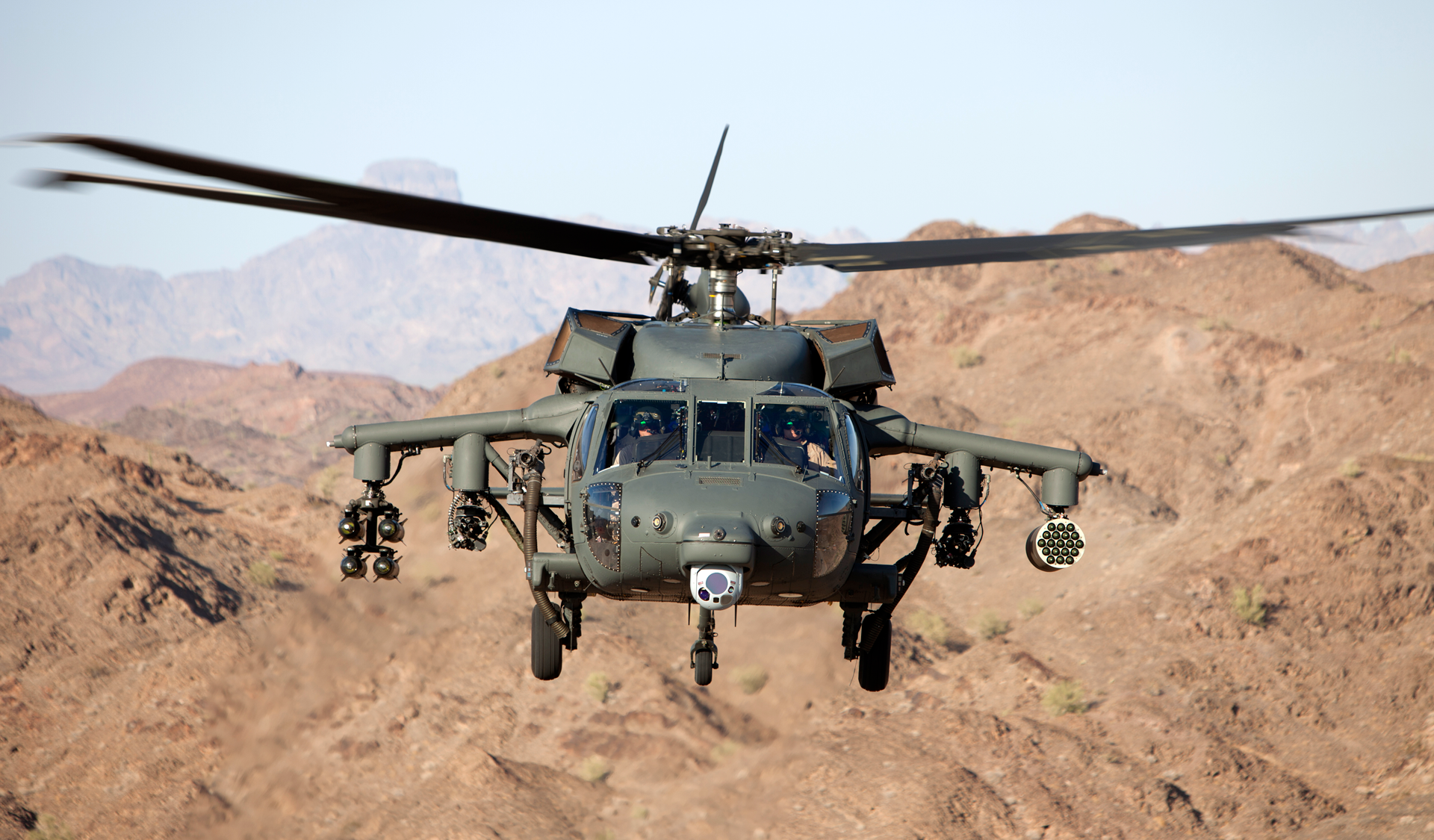
Operation Silent Hammer: A hypothetical scenario where Israel destroys Iran’s Fordow nuclear facility with commandos, not airstrikes. Here’s how it could unfold. #Iran #Israel #Nuclear 👇
— Paramendra Kumar Bhagat (@paramendra) June 18, 2025

