Pages

Showing posts with label nyc. Show all posts

Wednesday, November 05, 2025

Queens Coup D’État: How the 2025 Off-Year Election Accidentally Became the Midterms


Queens Coup D’État: How the 2025 Off-Year Election Accidentally Became the Midterms

It wasn’t the midterms last night, technically. But tell that to anyone who woke up this morning scrolling through their news feed, wondering if they’d accidentally slept through 2026. Because the political energy, the panic in cable news green rooms, and the smell of burnt polling models in the air could only mean one thing: something seismic just happened.

And it happened in Queens — the United Nations of boroughs, where you can buy samosas, empanadas, and pierogis on the same block, and argue in seven languages about rent control.


When Queens Sneezes, the World Catches a Cold

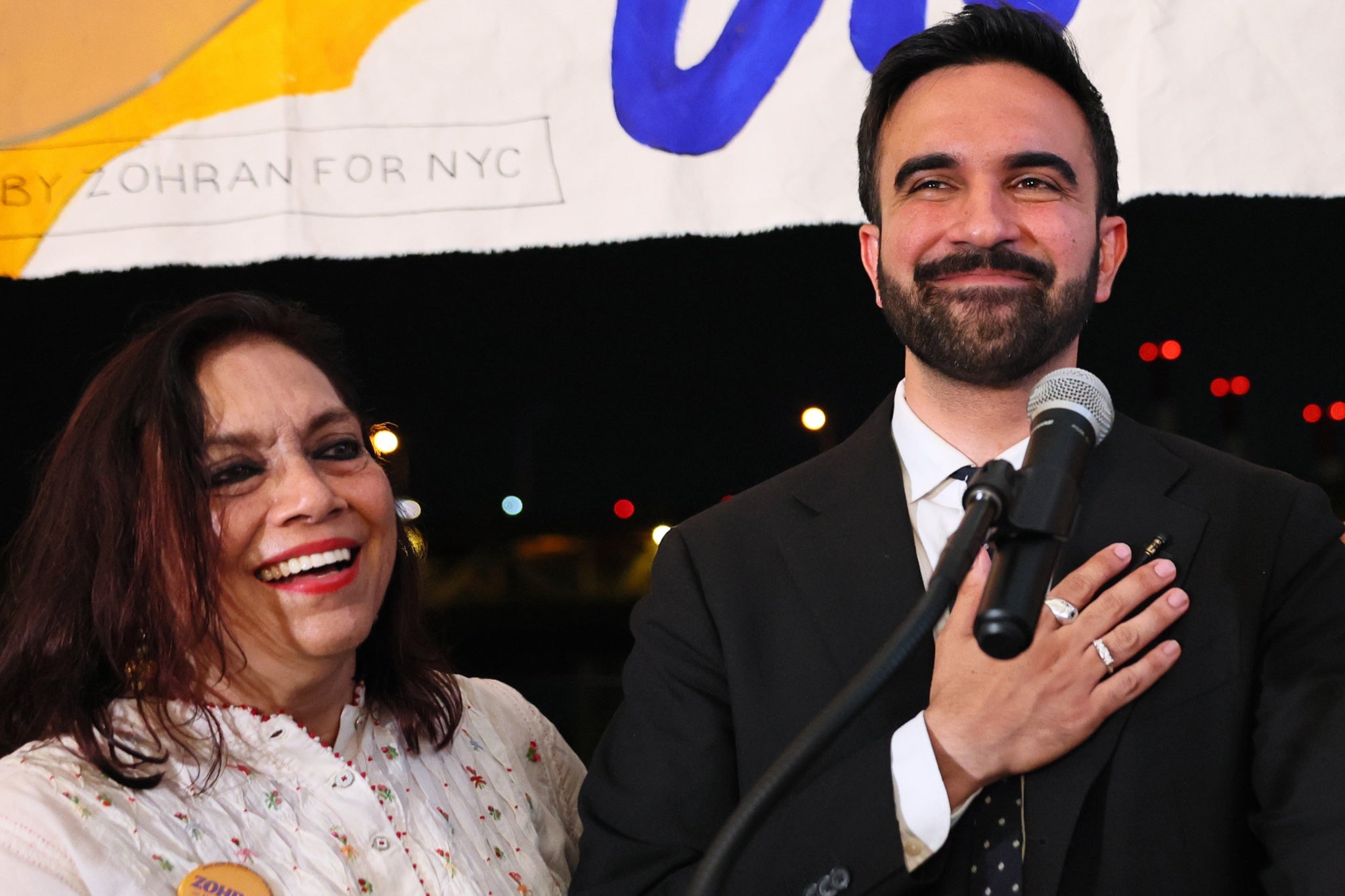
The big story: Zohran Mamdani won. Again. Not just won — obliterated, while speaking three languages and quoting both Marx and Mets statistics in the same sentence. For the capital city of immigrants, this was less a local election and more a referendum on America’s cultural immune system.

Trump’s camp, meanwhile, treated this as a minor procedural hiccup — like losing Florida. Twice. “Queens doesn’t count,” said one anonymous strategist, before adding, “Also, where exactly is Queens?”

But for anyone with a map and a clue, the symbolism was devastating. The world’s most diverse square miles just collectively declared: “You can’t build a wall around us.”


Tariffs, Courts, and the Great Decapitation

Meanwhile, in Washington, the tariff saga continues like a bad telenovela. Two courts have already told Trump, “You can’t just wake up and tax Canada because you had a dream about steel.” The Supreme Court now has the ball.

If they uphold those rulings — declaring the tariffs illegal — it won’t just be an economic event. It’ll be the political equivalent of yanking the plug on a karaoke machine right before Trump’s encore.

Sure, he can go to Congress and get the tariffs legalized. But that’s not the point. The real issue is the separation of powers — a concept Washington insiders recently Googled again just to make sure it still existed.

If SCOTUS sides with the Constitution, Trump’s momentum won’t just slow down; it’ll get decapitated. And that’s before the next election cycle even begins.


The Phantom Midterms

It’s as if the country just fast-forwarded twelve months. The energy, the anxiety, the champagne-to-tears ratio on CNN — all screamed “midterms.”

Republican strategists woke up this morning feeling like they’d been hit by a blue tsunami that arrived a year early. One unnamed MAGA influencer posted, “The deep state has time-traveled.”

Democrats, meanwhile, are trying to play it cool — which, for Democrats, means infighting over who gets credit for the win.


Immigrants, Assemble!

Queens, in all its glory, is proof that immigration is not a problem to be solved but a superpower to be harnessed. In a few square miles, you can walk through a live-action version of the United Nations cafeteria — only with better food and worse parking.

Every language, every faith, every flavor — all voting on the same ballot. It’s democracy with subtitles. And it just sent a message to Washington: diversity doesn’t dilute America, it defines it.

As one old Bangladeshi man told a reporter outside the polling station, “Trump can keep his tariffs. We export ideas.”


The Rule of Law vs. The Rule of Vibes

Ultimately, this election — and the looming Supreme Court showdown — isn’t just about economics or politics. It’s about whether America still runs on rules or just on vibes.

If the Court says Trump’s tariffs were illegal, it’s a reminder that presidents are not kings. Not even orange ones.

If the Court says otherwise, well, let’s just say Alexander Hamilton will start spinning so fast in his grave he might generate renewable energy.


The Queens Doctrine

So what does it all mean? In the immortal words of a Queens voter interviewed last night:

“This city ain’t changing for nobody. Not presidents. Not tariffs. Not time itself.”

The midterms may not have happened yet — but the mood, the momentum, and the memes say otherwise. The rest of America may be waiting for 2026.

Queens already voted for the future. And it speaks 187 languages.


क्वीन्स का तख्तापलट: जब 2025 का ऑफ-ईयर चुनाव गलती से मिडटर्म बन गया

तकनीकी रूप से देखा जाए तो, कल रात मिडटर्म चुनाव नहीं थे।
लेकिन यह बात किसी ऐसे व्यक्ति से कहिए जिसने आज सुबह उठकर अपने न्यूज़ फीड को देखा और सोचा कि शायद वह गलती से 2026 तक सो गया।
क्योंकि जो राजनीतिक ऊर्जा थी, टीवी न्यूज़रूम में जो घबराहट थी, और हवा में जो झुलसे हुए “पोलिंग मॉडल्स” की महक थी — वह सब सिर्फ एक ही बात का संकेत थी: कुछ बड़ा हुआ है।

और वह बड़ा काम हुआ क्वीन्स में — दुनिया का असली संयुक्त राष्ट्र, जहाँ आप एक ही सड़क पर समोसे, एंपनाडास और पिरोगीज़ खरीद सकते हैं, और किराए के दाम पर सात भाषाओं में बहस कर सकते हैं।


जब क्वीन्स छींकता है, तो दुनिया को सर्दी लगती है

मुख्य कहानी: ज़ोहरान ममदानी जीत गए। फिर से।
सिर्फ जीते नहीं — चूर-चूर कर दिया, वह भी तीन भाषाओं में बोलते हुए और एक ही सांस में मार्क्स और मेट्स (Mets) के आँकड़े दोनों को उद्धृत करते हुए।

प्रवासियों की इस राजधानी के लिए यह सिर्फ एक स्थानीय चुनाव नहीं था, यह अमेरिका की सांस्कृतिक रोग-प्रतिरोधक शक्ति पर जनमत संग्रह था।

ट्रम्प के कैंप ने meanwhile इसे “छोटी तकनीकी समस्या” बताया — जैसे फ्लोरिडा हार जाना। दो बार।
एक अनाम रणनीतिकार ने कहा, “क्वीन्स गिना ही नहीं जाता,” फिर जोड़ा, “और ये क्वीन्स है कहाँ वैसे?”

लेकिन जिन्हें नक्शा पढ़ना आता है, उनके लिए यह प्रतीकात्मक रूप से विनाशकारी था।
दुनिया के सबसे विविध वर्गों ने सामूहिक रूप से ऐलान कर दिया:
“हमारे चारों ओर दीवार नहीं बना सकते।”


टैरिफ, अदालतें और महान सिर कलम

वाशिंगटन में, टैरिफ का नाटक अब किसी ख़राब टेली-नोवेला जैसा लग रहा है।
दो अदालतें पहले ही कह चुकी हैं, “आप बस यूँ ही उठकर कनाडा पर टैक्स नहीं लगा सकते क्योंकि आपने स्टील पर सपना देखा था।”
अब गेंद सुप्रीम कोर्ट के पाले में है।

अगर सुप्रीम कोर्ट उन फ़ैसलों को बरकरार रखता है और टैरिफ को ग़ैर-क़ानूनी घोषित करता है — तो यह सिर्फ आर्थिक घटना नहीं होगी।
यह राजनीतिक रूप से ऐसा होगा जैसे कराओके मशीन का प्लग निकाल दिया जाए ठीक तब जब ट्रम्प अपनी “एनकोर” पर पहुँचें।

ज़रूर, वह कांग्रेस जा सकते हैं और टैरिफ को कानूनी करा सकते हैं।
लेकिन बात यह नहीं है।
असल मुद्दा है — सत्ता के विभाजन का सिद्धांत — जिसे वाशिंगटन के अंदरूनी लोग हाल ही में दोबारा गूगल करके देख रहे हैं कि वह अब भी मौजूद है या नहीं।

अगर सुप्रीम कोर्ट संविधान के पक्ष में खड़ा होता है, तो ट्रम्प की रफ़्तार सिर्फ धीमी नहीं होगी — उसका सिर ही उड़ जाएगा।
और यह सब अगले चुनाव चक्र से एक साल पहले।


भूतिया मिडटर्म

ऐसा लग रहा है जैसे देश ने टाइम मशीन में बैठकर बारह महीने आगे छलाँग लगा दी हो।
ऊर्जा, घबराहट, और CNN पर आँसुओं से भरे शैम्पेन ग्लास — सब चिल्ला रहे थे, “मिडटर्म!”

रिपब्लिकन रणनीतिकार आज सुबह ऐसे जागे जैसे उन पर नीली सुनामी आ गिरी हो — और वह भी एक साल पहले।
एक अज्ञात MAGA प्रभावशाली व्यक्ति ने पोस्ट किया,

“डीप स्टेट ने टाइम ट्रैवल कर लिया है।”

डेमोक्रेट meanwhile शांत दिखने की कोशिश कर रहे हैं — जो डेमोक्रेट्स के लिए हमेशा का मतलब है: “कौन श्रेय लेगा” पर अंदरूनी झगड़ा।


प्रवासी, एकजुट हो जाओ!

क्वीन्स अपने पूरे वैभव में यह साबित करता है कि प्रवासन कोई समस्या नहीं है जिसे हल किया जाए, बल्कि एक महाशक्ति है जिसे अपनाया जाए।
कुछ वर्ग किलोमीटर में आप यूएन की कैंटीन का लाइव एक्शन संस्करण देख सकते हैं — बस खाना बेहतर है और पार्किंग और भी बुरी।

हर भाषा, हर धर्म, हर स्वाद — सब एक ही मतपत्र पर वोट डालते हैं।
यह लोकतंत्र है, वह भी सबटाइटल्स के साथ।
और इसने वाशिंगटन को एक संदेश भेजा: विविधता अमेरिका को कमजोर नहीं करती, परिभाषित करती है।

एक बुज़ुर्ग बांग्लादेशी मतदाता ने पोलिंग स्टेशन के बाहर पत्रकार से कहा,

“ट्रम्प अपने टैरिफ रख ले। हम तो विचार एक्सपोर्ट करते हैं।”


क़ानून का राज बनाम वाइब्स का राज

आख़िरकार, यह चुनाव — और आने वाला सुप्रीम कोर्ट का फैसला — सिर्फ़ अर्थव्यवस्था या राजनीति की बात नहीं है।
यह सवाल है कि क्या अमेरिका अब भी क़ानून से चलता है या मूड से।

अगर कोर्ट कहता है कि ट्रम्प के टैरिफ ग़ैरक़ानूनी थे, तो यह याद दिलाएगा कि राष्ट्रपति राजा नहीं होते — भले ही वे नारंगी रंग के क्यों न हों।

और अगर कोर्ट ने उल्टा कहा, तो अलेक्ज़ेंडर हैमिल्टन अपनी कब्र में इतनी तेज़ी से घूमने लगेंगे कि शायद नवीकरणीय ऊर्जा पैदा हो जाए।


क्वीन्स सिद्धांत

तो इसका मतलब क्या है?
क्वीन्स के एक मतदाता ने कल रात बड़ी सटीक बात कही:

“यह शहर किसी के लिए नहीं बदलने वाला। न राष्ट्रपति के लिए। न टैरिफ के लिए। न समय के लिए।”

मिडटर्म चुनाव भले अभी नहीं हुए हों —
लेकिन माहौल, रफ़्तार और मीम्स कुछ और ही कह रहे हैं।

बाक़ी अमेरिका 2026 का इंतज़ार कर रहा है।
क्वीन्स ने पहले ही भविष्य के लिए वोट दे दिया है —
और वह 187 भाषाएँ बोलता है।



5: Zohran Mamdani

The Banyan Revolt (novel)
Gen Z Kranti (novel)
Madhya York: The Merchant and the Mystic (novel)
The Drum Report: Markets, Tariffs, and the Man in the Basement (novel)
Trump’s Default: The Mist Of Empire (novel)
Deported (novel)
Empty Country (novel)
Poetry Thursdays (novel)

The Banyan Revolt (novel)
Gen Z Kranti (novel)
Madhya York: The Merchant and the Mystic (novel)
The Drum Report: Markets, Tariffs, and the Man in the Basement (novel)
Trump’s Default: The Mist Of Empire (novel)
Deported (novel)
Empty Country (novel)
Poetry Thursdays (novel)

The Banyan Revolt (novel)
Gen Z Kranti (novel)
Madhya York: The Merchant and the Mystic (novel)
The Drum Report: Markets, Tariffs, and the Man in the Basement (novel)
Trump’s Default: The Mist Of Empire (novel)
Deported (novel)
Empty Country (novel)
Poetry Thursdays (novel)

The Banyan Revolt (novel)
Gen Z Kranti (novel)
Madhya York: The Merchant and the Mystic (novel)
The Drum Report: Markets, Tariffs, and the Man in the Basement (novel)
Trump’s Default: The Mist Of Empire (novel)
Deported (novel)
Empty Country (novel)
Poetry Thursdays (novel)

The Banyan Revolt (novel)
Gen Z Kranti (novel)
Madhya York: The Merchant and the Mystic (novel)
The Drum Report: Markets, Tariffs, and the Man in the Basement (novel)
Trump’s Default: The Mist Of Empire (novel)
Deported (novel)
Empty Country (novel)
Poetry Thursdays (novel)

Thursday, October 30, 2025

Reexamining the 2002 Gujarat Riots: Legal Facts, Historical Context, and a Call to End the Demonization of Narendra Modi


Reexamining the 2002 Gujarat Riots: Legal Facts, Historical Context, and a Call to End the Demonization of Narendra Modi


Introduction

The 2002 Gujarat riots remain one of the most painful and politically charged events in modern India’s history. Sparked by the horrific burning of the Sabarmati Express in Godhra on February 27, 2002—which killed 59 Hindu pilgrims returning from Ayodhya—the violence that followed claimed over 1,000 lives, most of them Muslim, and left deep communal scars.

For more than two decades, the tragedy has been invoked in global discourse, often as a moral weapon against Prime Minister Narendra Modi, who was then the Chief Minister of Gujarat. Critics continue to accuse him of complicity or indifference, while supporters cite exhaustive legal investigations that cleared him of wrongdoing. This article revisits the events, legal findings, and historical patterns to present a fact-based, nuanced understanding—while urging a move away from perpetual demonization toward reconciliation and historical honesty.


The Trigger and the Tragedy

The spark was the Godhra train burning, which the Nanavati-Mehta Commission later concluded was a premeditated act of arson. The victims were mostly kar sevaks returning from a religious ceremony in Ayodhya. The incident provoked an explosive backlash across Gujarat.

Over the following weeks, violence spread rapidly, engulfing cities like Ahmedabad, Vadodara, and Surat. Homes, shops, and places of worship were burned. Women were assaulted, children killed, and neighborhoods torn apart. According to official figures, around 1,000 people died—though some independent estimates suggest the toll was closer to 2,000.

The tragedy was both a humanitarian disaster and a governance crisis. Police forces were overwhelmed, and communal tensions—decades in the making—boiled over into unrestrained chaos.


Legal Investigation: The Supreme Court’s Verdict

In the aftermath, civil society and victims’ families demanded justice and accountability. Responding to public outcry, the Supreme Court of India took unprecedented oversight measures.

In 2008, it constituted a Special Investigation Team (SIT) led by veteran officers, directly supervised by the court. The SIT’s mandate included probing allegations of state complicity, dereliction of duty, and potential conspiracy. After years of inquiry, including the examination of thousands of witnesses and extensive forensic evidence, the SIT submitted its report in 2012.

Its conclusion: no prosecutable evidence existed against Narendra Modi or 63 other high-ranking officials. Modi was granted what the media dubbed a “clean chit.”

Zakia Jafri, widow of slain Congress MP Ehsan Jafri, challenged this finding, alleging the SIT ignored evidence. Her protest petition journeyed through the courts for nearly a decade. In June 2022, the Supreme Court dismissed her appeal, upholding the SIT’s integrity and describing the case as an attempt “to keep the pot boiling.”

This was not a dismissal of the riots’ horror, but a judicial affirmation that culpability cannot be assumed without proof. The verdict—after two decades of scrutiny—constitutes Modi’s legal exoneration under the world’s largest democracy’s highest judicial authority.


Justice Delivered: Convictions and Accountability

While Modi was cleared, the courts did convict many perpetrators of the violence.

  • Naroda Patiya massacre (2012): 32 individuals, including former BJP minister Maya Kodnani and Bajrang Dal leader Babu Bajrangi, were convicted for killing 97 Muslims. Kodnani was later acquitted by the Gujarat High Court in 2018 for lack of conclusive evidence, though the Supreme Court has since reviewed related aspects of the case.

  • Ode massacre (2016): 24 people were convicted for killing 11 Muslims; 11 were sentenced to life imprisonment.

  • Bilkis Bano case: Eleven men convicted for gang-raping a pregnant Muslim woman and murdering her family were sentenced to life imprisonment. Their controversial early release in 2022 was overturned by the Supreme Court in 2024, sending them back to prison.

These convictions—many of which targeted political allies of the then-government—demonstrate that the justice system functioned, albeit slowly. Courts operated independently and punished the guilty, regardless of affiliation.


Historical Context: Gujarat’s Riots Before 2002

The 2002 riots did not emerge from a vacuum. Gujarat had a long history of communal violence, often under Congress rule:

  • 1969 Ahmedabad riots: More than 660 people were killed and thousands displaced.

  • 1985 violence: Triggered by caste-based reservation protests, it spiraled into Hindu-Muslim clashes.

  • 1990s riots: Communal tensions flared repeatedly in Surat, Vadodara, and other cities.

By the time Modi took office in late 2001, Gujarat was already prone to communal polarization and periodic unrest. While he bears administrative responsibility for the state’s response, the violence reflected deep-rooted historical divisions—not a conspiracy unique to his leadership.


The Aftermath: Gujarat’s Peace and Progress

Perhaps the most underappreciated fact is that since 2002, Gujarat has not experienced a major communal riot. For 12 years, until Modi became Prime Minister in 2014, the state remained largely peaceful.

Observers attribute this to institutional reforms, improved policing, and proactive governance. Modi’s administration emphasized rapid economic growth, infrastructure development, and investment-friendly stability. Gujarat emerged as a model of governance, shifting from a symbol of division to one of industrial dynamism.

Even critics concede that the state’s communal calm since 2002 marks a significant departure from its volatile past. Whether this peace came from genuine reconciliation or tight administrative control is debated—but the outcome is undeniable.


Political Demonization and the Zohran Mamdani Controversy

Two decades later, global political discourse still resurrects 2002—often divorced from judicial facts. New York Assembly member Zohran Kwame Mamdani, for example, recently labeled Modi a “war criminal” while accusing him of fostering exclusionary politics.

Mamdani’s stance reflects a broader trend in Western progressive circles: moral absolutism without full context. While criticism of any leader’s policies is legitimate, equating a democratically elected leader—repeatedly cleared by independent courts—with genocidal intent misrepresents both the Indian judiciary and democratic accountability.

His comments during 2025 Diwali events in New York sparked backlash across Indian diaspora communities, many of whom view Modi’s tenure as transformative for India’s global standing.

Public figures like Mamdani would contribute more meaningfully to global justice debates by engaging holistically—with all evidence, not selectively—and by recognizing India’s complex evolution since 2002.


Out-of-the-Box Reflection: What the Riots Teach the World

The Gujarat riots are not just an Indian tragedy; they are a global case study in governance during civil unrest. Three lessons stand out:

  1. Institutional Resilience Matters: India’s judiciary, despite political turbulence, demonstrated independence and rigor over two decades of review.

  2. Historical Honesty Over Political Expediency: Selective outrage corrodes credibility. Genuine peace requires acknowledging both the victims and the verified facts.

  3. Global Media Responsibility: Western coverage of the riots often simplified a complex socio-political tragedy into a binary morality tale. The “Modi question” became a narrative lens for broader ideological battles rather than a quest for truth.


Conclusion: Moving Beyond Perpetual Demonization

The Gujarat riots of 2002 were a dark episode in India’s democratic journey—a moment of deep collective failure. But justice, in large part, has been served. The guilty were punished; the innocent were cleared.

To continue vilifying Narendra Modi despite exhaustive judicial findings is not moral vigilance—it is political opportunism. India’s democracy deserves a more mature conversation: one that honors victims, holds individuals accountable based on evidence, and celebrates the nation’s ability to evolve beyond its darkest days.

History’s role is not to freeze blame but to illuminate progress. Gujarat has changed. India has changed. It’s time the narrative did too.


२००२ के गुजरात दंगे: न्यायिक तथ्य, ऐतिहासिक परिप्रेक्ष्य, और नरेंद्र मोदी के प्रति दानवीकरण समाप्त करने का आह्वान


प्रस्तावना

२००२ के गुजरात दंगे आधुनिक भारत के इतिहास की सबसे दर्दनाक और राजनीतिक रूप से विवादित घटनाओं में से एक हैं। २७ फरवरी २००२ को गोधरा में सबर्मती एक्सप्रेस की एक बोगी को जलाए जाने से — जिसमें अयोध्या से लौट रहे ५९ हिंदू यात्रियों की मृत्यु हुई — पूरे राज्य में हिंसा भड़क उठी। इस हिंसा में एक हज़ार से अधिक लोगों की जान गई, जिनमें अधिकांश मुस्लिम थे, और हज़ारों विस्थापित हुए।

दो दशकों से यह त्रासदी राजनीतिक और अंतरराष्ट्रीय विमर्श का हथियार बनी हुई है। आलोचक तत्कालीन मुख्यमंत्री नरेंद्र मोदी पर मिलीभगत या उदासीनता के आरोप लगाते हैं, जबकि समर्थक कहते हैं कि स्वतंत्र न्यायिक जांचों ने उन्हें निर्दोष पाया है। यह लेख तथ्यों, न्यायिक निष्कर्षों, और गुजरात की ऐतिहासिक पृष्ठभूमि का पुनर्मूल्यांकन करता है — ताकि भावनाओं से नहीं, बल्कि तथ्यों से न्याय हो सके।


घटना और त्रासदी

गोधरा ट्रेन जलाने की घटना ने चिंगारी का काम किया। नानावटी–मेहता आयोग ने बाद में निष्कर्ष निकाला कि यह पूर्व नियोजित साजिश थी। मारे गए लोग अयोध्या से लौट रहे कारसेवक थे। इस घटना ने पूरे गुजरात में प्रतिशोध की लहर फैला दी।

आने वाले हफ्तों में अहमदाबाद, वडोदरा, सूरत और अन्य शहरों में हिंसा फैल गई। घर, दुकानें, मस्जिदें और मंदिर जलाए गए। महिलाओं के साथ दुष्कर्म, बच्चों की हत्या, और भीड़ की बर्बरता के भयावह दृश्य सामने आए। आधिकारिक आंकड़ों के अनुसार लगभग १,००० लोग मारे गए, जबकि स्वतंत्र रिपोर्टें २,००० तक का अनुमान देती हैं।

यह त्रासदी केवल मानवीय नहीं, बल्कि प्रशासनिक विफलता भी थी। पुलिस बल थक गए थे, और दशकों से बढ़ती साम्प्रदायिक दरारें भयानक रूप में फट पड़ीं।


न्यायिक जांच: सुप्रीम कोर्ट का निर्णय

विस्तृत जांच और जवाबदेही की मांग पर भारत के सर्वोच्च न्यायालय ने खुद हस्तक्षेप किया।

२००८ में अदालत ने एक विशेष जांच दल (SIT) गठित किया, जो सीधे सुप्रीम कोर्ट की निगरानी में कार्य करता था। इसका दायित्व था दंगों से जुड़ी हर साजिश, प्रशासनिक विफलता, और संभावित मिलीभगत की जांच करना। वर्षों की गहन जांच, हज़ारों गवाहों के बयान और फॉरेंसिक प्रमाणों के बाद, SIT ने २०१२ में अपनी रिपोर्ट सौंपी।

निष्कर्ष था: नरेंद्र मोदी या अन्य ६३ अधिकारियों के विरुद्ध अभियोग चलाने योग्य कोई प्रमाण नहीं मिला।

कांग्रेस सांसद एहसान जाफरी की विधवा जकिया जाफरी ने इस रिपोर्ट को चुनौती दी और कहा कि SIT ने साक्ष्यों को नज़रअंदाज़ किया। यह याचिका वर्षों तक न्यायालयों में चली। जून २०२२ में सुप्रीम कोर्ट ने जाफरी की याचिका खारिज करते हुए SIT की निष्पक्षता को बरकरार रखा और टिप्पणी की कि यह याचिका “राजनीतिक कारणों से मुद्दे को जीवित रखने का प्रयास” थी।

इस निर्णय ने यह स्थापित किया कि साक्ष्यहीन आरोपों पर दोष तय नहीं किया जा सकता। दो दशकों की विस्तृत न्यायिक समीक्षा के बाद मोदी की कानूनी निर्दोषता अब एक ऐतिहासिक तथ्य है।


दोषियों को सजा: न्याय की दिशा में कदम

जहाँ मोदी को अदालत ने निर्दोष पाया, वहीं कई दंगाइयों को सज़ा दी गई।

  • नरोदा पाटिया नरसंहार (२०१२): ९७ मुसलमानों की हत्या के मामले में ३२ लोग दोषी पाए गए, जिनमें तत्कालीन भाजपा मंत्री माया कोडनानी और बजरंग दल नेता बाबू बजरंगी शामिल थे। कोडनानी को बाद में २०१८ में सबूतों की कमी के कारण बरी कर दिया गया।

  • ओडे नरसंहार (२०१६): ११ मुसलमानों की हत्या के लिए २४ लोगों को दोषी ठहराया गया; ११ को आजीवन कारावास मिला।

  • बिलकिस बानो मामला: एक गर्भवती मुस्लिम महिला के साथ सामूहिक दुष्कर्म और उसके परिवार की हत्या के दोषी ११ लोगों को आजीवन कारावास हुआ। उनकी २०२२ में समयपूर्व रिहाई को सुप्रीम कोर्ट ने २०२४ में निरस्त कर दिया और उन्हें पुनः जेल भेजा गया।

इन मामलों से स्पष्ट है कि न्यायिक व्यवस्था ने दोषियों को बख्शा नहीं, चाहे वे किसी भी राजनीतिक पृष्ठभूमि के हों।


ऐतिहासिक संदर्भ: मोदी से पहले गुजरात में दंगे

२००२ का दंगा मोदी शासन में पहली बार नहीं हुआ था। गुजरात का इतिहास दशकों से साम्प्रदायिक हिंसा से ग्रस्त रहा है।

  • १९६९ अहमदाबाद दंगे: ६६० से अधिक लोगों की मृत्यु हुई और हज़ारों विस्थापित हुए।

  • १९८५ के आरक्षण आंदोलन के दंगे: जातीय विरोध ने धार्मिक रूप ले लिया, सैकड़ों मारे गए।

  • १९९० के दशक: सूरत और वडोदरा सहित कई शहरों में हिंसा की घटनाएँ हुईं।

अक्टूबर २००१ में मुख्यमंत्री बनने वाले मोदी ने एक पहले से अस्थिर और विभाजित राज्य की बागडोर संभाली। अनुभव की कमी और अचानक भड़की हिंसा से निपटना कठिन था, लेकिन इससे उनकी आपराधिक जिम्मेदारी सिद्ध नहीं होती।


२००२ के बाद का गुजरात: शांति और परिवर्तन

२००२ के बाद का एक उल्लेखनीय तथ्य यह है कि गुजरात में कोई बड़ा साम्प्रदायिक दंगा नहीं हुआ। मोदी के मुख्यमंत्री रहते (२००१–२०१४) राज्य में शांति बनी रही।

इस बदलाव का श्रेय प्रशासनिक सुधारों, मजबूत पुलिसिंग, और आर्थिक प्रगति को दिया जाता है। मोदी सरकार ने औद्योगिक विकास, बुनियादी ढाँचे, और निवेश के अनुकूल माहौल पर जोर दिया। गुजरात हिंसा की पहचान से निकलकर विकास और स्थिरता का प्रतीक बना।

आलोचक इसे “राजनीतिक नियंत्रण” कहते हैं, लेकिन यह तथ्य अनदेखा नहीं किया जा सकता कि राज्य में दो दशक से शांति बनी हुई है।


राजनीतिक दानवीकरण और ज़ोहरान ममदानी विवाद

दो दशकों बाद भी गुजरात दंगे अंतरराष्ट्रीय विमर्श में बार-बार उठाए जाते हैं—अक्सर तथ्यों से अलग होकर। अमेरिकी न्यूयॉर्क विधानसभा सदस्य ज़ोहरान क्वामे ममदानी ने हाल ही में मोदी को “युद्ध अपराधी” कहा और उन पर मुसलमानों को बाहर रखने वाली राजनीति का आरोप लगाया।

ममदानी की आलोचना पश्चिमी “प्रगतिशील” हलकों में नैतिक अतिवाद का उदाहरण है। लोकतांत्रिक रूप से चुने गए नेता, जिन्हें सर्वोच्च न्यायालय ने निर्दोष पाया, को “जेनोसाइडल” कहना न्याय और लोकतंत्र दोनों का अपमान है।

उनकी टिप्पणियों ने भारतीय प्रवासी समुदायों में तीखी प्रतिक्रिया पैदा की। बहुतों ने कहा कि मोदी भारत की वैश्विक प्रतिष्ठा बढ़ाने में निर्णायक रहे हैं।

यदि ममदानी जैसे नेता वास्तव में वैश्विक न्याय में रुचि रखते हैं, तो उन्हें पूरा संदर्भ समझकर और सभी प्रमाणों को देखकर बोलना चाहिए, न कि आधे सच पर आधारित नैरेटिव को दोहराना चाहिए।


वैकल्पिक दृष्टि: गुजरात दंगों से विश्व के लिए सीख

गुजरात दंगे केवल भारतीय नहीं, बल्कि वैश्विक शासन और न्याय प्रणाली के लिए अध्ययन का विषय हैं।

  1. संस्थागत दृढ़ता: भारत की न्यायपालिका ने राजनीतिक दबाव के बावजूद स्वतंत्रता बनाए रखी।

  2. ऐतिहासिक ईमानदारी: केवल एक पक्ष को दोष देने से शांति नहीं आती। पीड़ितों को न्याय तभी मिलता है जब सच्चाई को संपूर्णता में स्वीकारा जाए।

  3. वैश्विक मीडिया की जिम्मेदारी: पश्चिमी मीडिया ने अक्सर इस जटिल घटना को “अच्छे बनाम बुरे” की सरल कहानी में बदल दिया, जिससे तथ्य गौण हो गए।


निष्कर्ष: अतीत के परे देखना

२००२ के गुजरात दंगे भारत के लोकतांत्रिक इतिहास का एक काला अध्याय हैं — समाज और शासन, दोनों की असफलता। लेकिन दो दशकों की न्यायिक प्रक्रिया ने सच्चे दोषियों को दंडित किया और निर्दोषों को मुक्त किया।

नरेंद्र मोदी को बार-बार दोषी ठहराना, जब देश की सर्वोच्च अदालत ने उन्हें निर्दोष पाया है, न्याय नहीं, राजनीतिक स्वार्थ है।

अब भारत को एक परिपक्व संवाद की आवश्यकता है — जहाँ पीड़ितों की पीड़ा स्वीकार की जाए, परंतु तथ्यों के साथ न्याय हो। गुजरात बदल चुका है। भारत बदल चुका है।

अब समय है कि कथा भी बदले — अतीत के ज़ख्मों को राजनीति नहीं, सच्चाई और पुनर्मिलन से भरा जाए।


Sunday, June 29, 2025

The Mamdani Grocery Stores: Social Innovation Meets Market Efficiency


The Mamdani Grocery Stores: Social Innovation Meets Market Efficiency

In an era where tech startups and corporate behemoths dominate the grocery sector, the idea of Mamdani Grocery Stores—a city-backed cooperative chain—is a radical and refreshing proposition. It blends the best of public interest with private innovation, creating a new kind of hybrid model for food access in New York City. If implemented well, this model could not only lower grocery costs for millions of residents but also redefine what it means for the city government to serve its people.

Why a New Grocery Model?

New York City is in the grip of a cost-of-living crisis. Food insecurity persists. Grocery prices continue to climb, often due to rent pressures, private profit motives, and corporate consolidation. Enter the Mamdani Model: a city-partnered, partially worker-owned cooperative that aims to make groceries affordable, efficient, and digital-first—without sacrificing sustainability or innovation.

Ownership: Beyond Public or Private

The brilliance of this idea lies in its ownership structure:

  • 40% City-Owned: The city provides initial capital, free rent on public land, and tax waivers. In return, it holds 40% ownership and 40% board representation. This guarantees public oversight, while giving the city an ongoing revenue source as the chain becomes profitable.

  • 40% Worker Cooperative: Every employee—from delivery drivers to warehouse staff to managers—is a co-owner. This not only incentivizes performance and loyalty, but also ensures the store stays people-centric. Amul in India is a successful precedent for this model.

  • 20% Tech Startup Partner: A competitive grant could determine which innovative startup takes the lead on logistics, app development, and e-commerce strategy. Think Instacart or GoPuff, but with a civic mission and long-term equity in the model.

Alternate models could shift the percentages slightly, but the cooperative and city mix is the secret sauce.

Operations: Digital First, Physical Where Needed

This chain wouldn’t just mimic what exists—it would innovate beyond:

  1. 100% Digital Platform: Customers place orders online via a user-friendly app or website. Orders can be scheduled weekly, optimizing logistics.

  2. Multiple Fulfillment Options:

    • Option 1: Home delivery, including integration with SNAP benefits.

    • Option 2: Pickup from neighborhood micro-stores.

    • Option 3: In-store shopping for those who prefer it.

    • Option 4: Hybrid centers—Costco-style warehouses in low-rent zones like far eastern Queens or even New Jersey—that fulfill orders for entire boroughs.

Socialism That Works?

This isn't socialism in the traditional sense—there's no attempt to eliminate private grocery stores. But it is a form of civic capitalism, where the city becomes a co-stakeholder in efficient, tech-driven, socially valuable enterprises. Think of it as GovTech for groceries—smart, responsive, accountable.

And crucially, the model is designed to be self-sustaining. Modest profit margins ensure reinvestment, expansion, and employee ownership growth—without the need for never-ending city subsidies.

Why This Matters

If the Mamdani Grocery Store model works, it could:

  • Lower grocery prices citywide

  • Improve food access and delivery, especially for working families and seniors

  • Generate recurring revenue for the city

  • Create dignified, cooperative jobs

  • Reinvigorate public trust in government innovation

In short, it could be a flagship model for urban policy innovation in the 21st century. A proof point that the public sector doesn't have to be clumsy or slow—it can be bold, fast, and smarter than the market.

Mamdani’s plan is more than a campaign promise—it’s a vision for what government-enabled entrepreneurship can look like. If done right, it could redefine not just grocery shopping, but how cities serve their citizens.


Solving NYC's Rent Crisis: Rethinking Supply, Transit, and Density
29: Mamdani
Billionaire Politics, Elon Musk Style
If Mamdani Can't Run Grocery Stores, He Should Not Be Running The City
Mamdani Is Not Mao
Mamdani's Grocery Stores Are A Great Idea
Mamdani: Indian Origin?
Aladdin and the Rise of High-Tech Authoritarianism: How an Algorithm Became the Puppet Master of Capital
28: Mamdani
27: Mamdani
Mamdani's Prose
Mamdani’s Platform
AOC 2028: : The Future of American Progressivism
A Radical Blueprint to Transform New York City into the World’s Greatest Metropolis

Solving NYC's Rent Crisis: Rethinking Supply, Transit, and Density


Solving NYC's Rent Crisis: Rethinking Supply, Transit, and Density

New York City’s rent crisis is often portrayed as a moral failure—greedy landlords, predatory developers, and indifferent politicians. While those dynamics exist, it’s time to look at the problem through the cold, hard lens of economics: supply and demand.

What if we framed the housing crisis as fundamentally a problem of too much demand chasing too little supply in too small an area?

Rewiring the City’s Transportation Logic

Right now, the working assumption for many New Yorkers is simple: if you want a decent commute, you need to live near a subway line in Manhattan or perhaps a well-connected part of Brooklyn. This drives intense housing demand in already saturated neighborhoods, pushing up rents and displacing longtime residents.

But what if we reengineered that logic?

Imagine this:

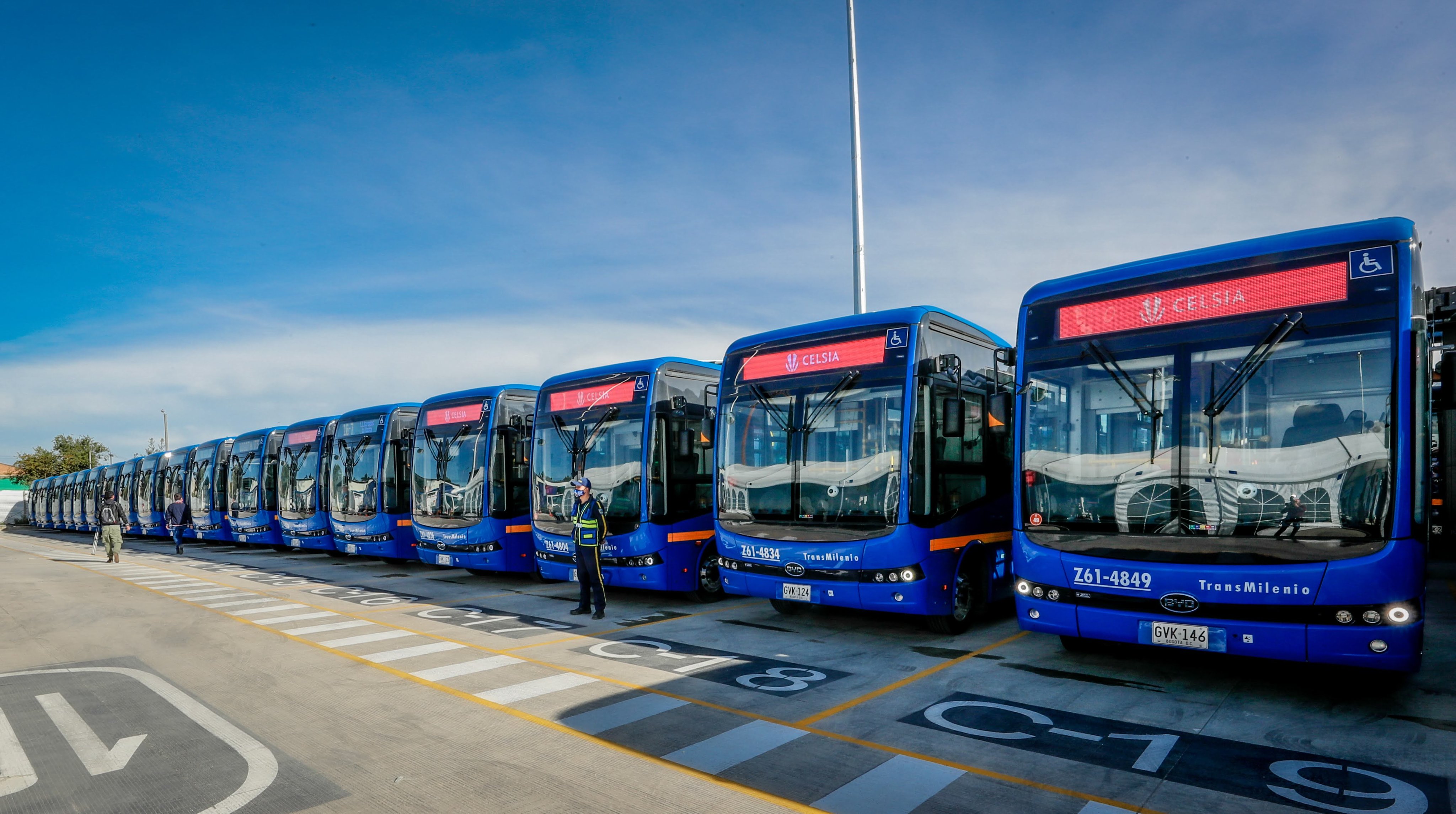
  • Public buses run every 15 minutes from 6 AM to 6 PM

  • Every 30 minutes from 6 PM to midnight

  • Every hour overnight

  • And they’re all free

Suddenly, a two-hour commute from the far edge of Queens or even parts of the Bronx becomes a reliable, low-cost, no-hassle experience. That radically reshapes how people make decisions about where to live.

Free, frequent public transit doesn’t just make life better—it shifts the map of opportunity.

Building Up, Not Just Out

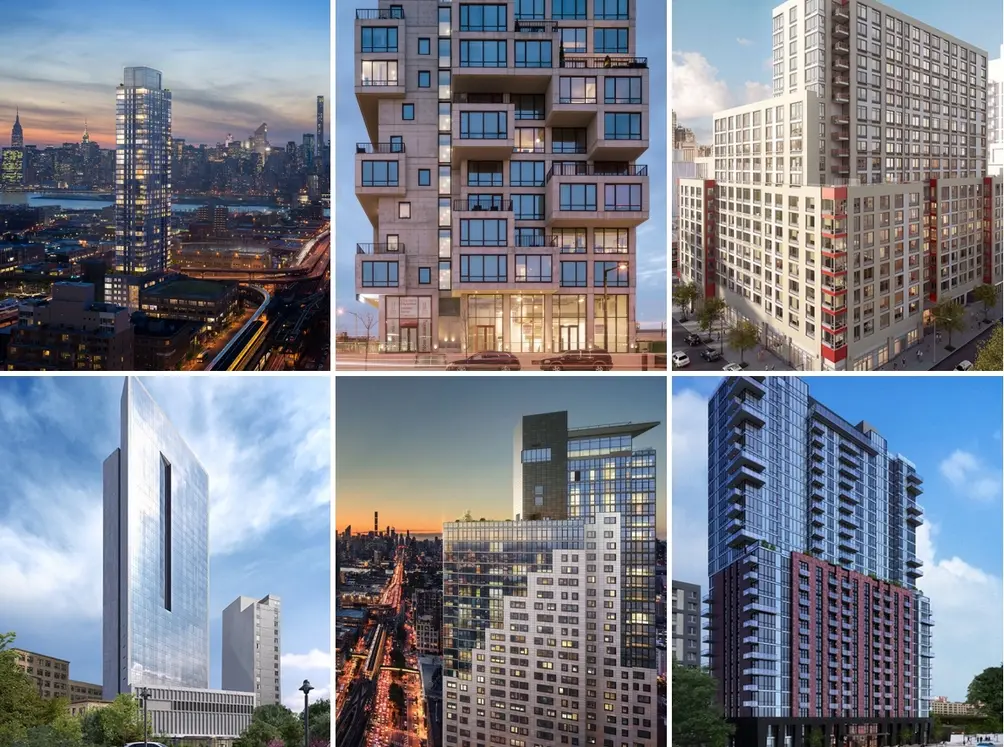
At the same time, zoning laws in much of NYC—especially in Queens—are still written as if it’s 1960. Entire neighborhoods are locked into low-rise, low-density housing. But Queens is no longer a sleepy borough of single-family homes. It’s a global hub. It deserves infrastructure and zoning that reflects its 21st-century potential.

If we rezone large swaths of Queens for high-rise, mixed-use development, and pair it with world-class, free bus transit, we suddenly unlock enormous housing potential without displacing communities in Manhattan or gentrifying working-class Brooklyn neighborhoods.

We don’t need to destroy neighborhoods—we need to build neighborhoods where people want to live.

The Supply Solution

Better transit expands where people are willing to live. Rezoning expands what can be built. The combination is powerful:

  • New supply lowers pressure on existing units

  • More housing options increase competition

  • Renters gain power and flexibility

  • Affordability becomes possible not by decree, but by design

We cannot fix the housing crisis without fixing the supply crisis. And we cannot fix the supply crisis without fixing the mobility crisis.

New York doesn’t need a silver bullet. It needs a bus every 15 minutes and high-rises where they’ve long been banned.

And most importantly, it needs the political will to think big again.


29: Mamdani
Billionaire Politics, Elon Musk Style
If Mamdani Can't Run Grocery Stores, He Should Not Be Running The City
Mamdani Is Not Mao
Mamdani's Grocery Stores Are A Great Idea
Mamdani: Indian Origin?
Aladdin and the Rise of High-Tech Authoritarianism: How an Algorithm Became the Puppet Master of Capital
28: Mamdani
27: Mamdani
Mamdani's Prose
Mamdani’s Platform
AOC 2028: : The Future of American Progressivism
A Radical Blueprint to Transform New York City into the World’s Greatest Metropolis

Saturday, June 28, 2025

If Mamdani Can't Run Grocery Stores, He Should Not Be Running The City


The hysteria surrounding Zohran Mamdani has both surprised and shocked me. This is a man running for Mayor of New York City—a city with an annual budget of over $100 billion. How many corporations around the world spend more than $100 billion a year? How many countries operate with a federal budget that size?

If Mamdani can’t run a few grocery stores, he certainly shouldn’t be running the city government. This is a straightforward management issue.

But the controversy isn’t really about grocery stores. It’s about the fact that he is Muslim and of Indian origin. I hadn’t realized racism could still run this deep in our public discourse. Just a few decades ago, a Senate Majority Leader lost his job over one comment that was perceived as racist. That happened in America. And today? The contrast is night and day.

Of course, you can disagree with someone’s policies. Can you disagree with Netanyahu’s policies? Absolutely. Trump’s? Yes. Modi’s? Of course. Likewise, you can disagree with Mamdani’s proposals. For example, you might oppose his idea of city-run grocery stores. (It does seem like you can take Mamdani out of India, but you can’t take India out of Mamdani—the very idea of running grocery stores as public services!)

And yes, you can also disagree with Mamdani’s disagreements with the policies of Netanyahu, Trump, or Modi.

But let’s be clear: the office of New York City Mayor is the second most visible political position in the country, after the presidency itself. And the level of hysteria directed at Mamdani today feels new—and much of it is deeply inappropriate.


Mamdani Is Not Mao
Mamdani's Grocery Stores Are A Great Idea
Mamdani: Indian Origin?
Aladdin and the Rise of High-Tech Authoritarianism: How an Algorithm Became the Puppet Master of Capital
28: Mamdani
27: Mamdani
Mamdani's Prose
Mamdani’s Platform
AOC 2028: : The Future of American Progressivism
A Radical Blueprint to Transform New York City into the World’s Greatest Metropolis

Mamdani Is Not Mao


The Mamdani Moment: Racism, Responsibility, and the Future of NYC


The hysteria surrounding Zohran Mamdani’s mayoral ambitions has taken a disturbing and frankly revealing turn. What should be a reasoned debate about policies, management capabilities, and vision for New York City has instead devolved into racially charged panic, coded fear-mongering, and outright xenophobia.

Let’s start with the basics. The Mayor of New York City oversees an annual budget of over $100 billion. That’s more than the entire GDP of many countries and more than the annual revenue of most corporations on the planet. This isn’t a ceremonial job. It’s the second most visible and consequential executive role in the country after the presidency. To be Mayor of New York is to be a head of state in all but name.

So yes, management matters. If Zohran Mamdani wants to run this city, then a basic test is whether he can operate something as tangible and practical as city-owned grocery stores. Because when you’re dealing with systems that touch millions—transit, sanitation, education, emergency response—competence is not optional, it is existential. Grocery stores may seem like a small thing, but they are a microcosm of the larger challenge: delivering quality, affordable services to all residents, especially the most vulnerable. If this is socialism, it is socialism with checkout lanes and price tags.

But the backlash isn’t about groceries. Let’s not pretend. It’s about who Mamdani is. A Muslim. An Indian-origin politician. A name that feels foreign to some, and threatening to others. And that’s the rot underneath this outrage. Not policy, but identity.

We’ve regressed. Just a few decades ago, a Senate Majority Leader lost his job over a single racially-tinged remark. Now, we’re awash in a climate where barely veiled racism is not only tolerated but mainstreamed. The idea that Mamdani can’t be trusted with public office because of who he is rather than what he proposes is not only offensive—it is profoundly un-American.

Disagree with his policies? Fine. Question the feasibility of city-run grocery stores? Fair game. Debate his critiques of global leaders like Netanyahu, Trump, or Modi? Absolutely. But weaponize his faith, his name, or his heritage? That’s not disagreement. That’s discrimination.

New York deserves a policy debate, not a culture war. The Mamdani moment reveals not just how far we have to go, but how much we’ve lost.

And it’s time we name that, confront it, and do better.

Mamdani's Grocery Stores Are A Great Idea
Mamdani: Indian Origin?
Aladdin and the Rise of High-Tech Authoritarianism: How an Algorithm Became the Puppet Master of Capital
28: Mamdani
27: Mamdani
Mamdani's Prose
Mamdani’s Platform
AOC 2028: : The Future of American Progressivism
A Radical Blueprint to Transform New York City into the World’s Greatest Metropolis

Mamdani's Grocery Stores Are A Great Idea


Why NYC Needs City-Owned Grocery Stores — And Free Buses Too

In a city as wealthy and dynamic as New York, it’s a moral and economic failure that so many New Yorkers struggle to afford groceries or reliable public transportation. Assemblymember Zohran Mamdani’s vision for city-owned grocery stores isn’t just bold — it’s necessary. And it fits neatly alongside his long-time push for free public buses. Together, these ideas form the foundation of a more equitable, efficient, and resilient city.

The Grocery Crisis

Across the five boroughs, New Yorkers face a dual problem: rising food prices and disappearing access. Corporate grocery chains have pulled out of low-income neighborhoods. Bodegas are filling the gap — but with higher prices and limited fresh food. The result is food deserts, health inequality, and financial stress on families already living paycheck to paycheck.

What if the city stepped in?

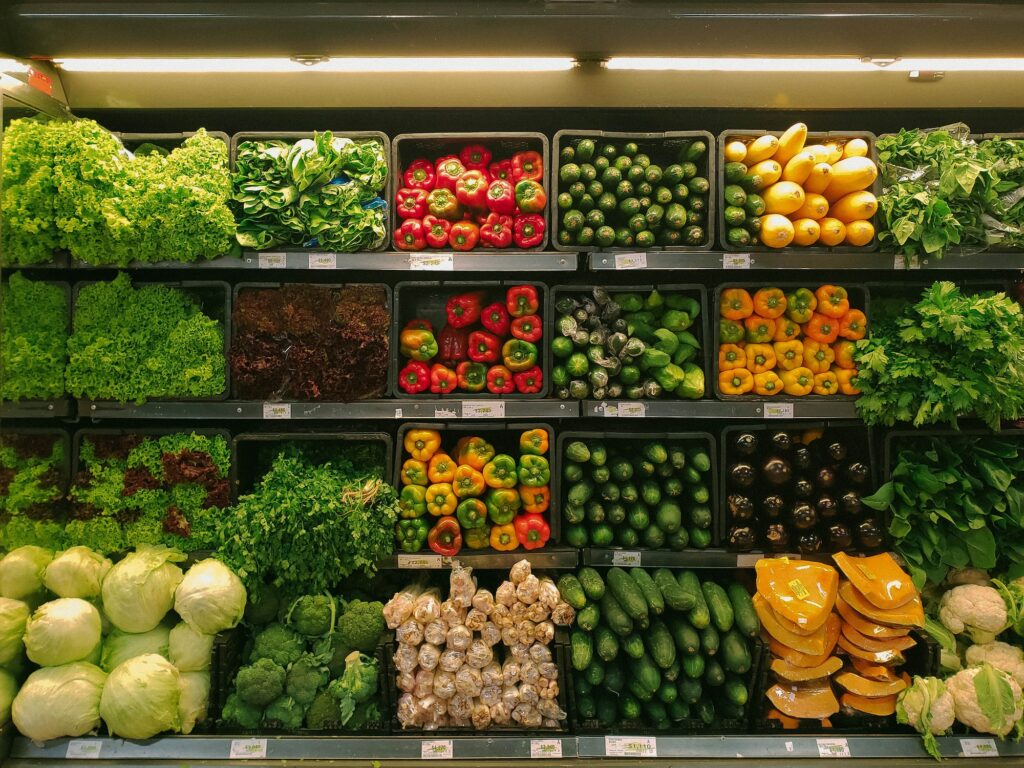
City-owned grocery stores can reverse this trend. With no profit motive, no rent burden, and no city tax obligations, these stores can beat even the most efficient private chains on price. Imagine Costco-quality goods with Trader Joe's affordability — accessible to all, regardless of zip code.

Lessons from Gujarat: Government Can Work

Skeptics will say: government-run programs are inefficient. But that’s a political choice, not a law of nature.

When Narendra Modi became Chief Minister of Gujarat, he didn’t privatize everything. He professionalized it. By removing political interference and holding leaders accountable through clear key performance indicators (KPIs), state-run enterprises turned profitable and performant. The same can be done in New York.

You treat grocery stores not as bureaucracies but as public utilities. You hire managers with retail experience. You let data guide stocking decisions. You reward teams for hitting efficiency and satisfaction targets. The goal is service delivery — not red tape.

Free Buses: The Other No-Brainer

Public transit is a public good. Buses move more people, with less pollution, and more equity than any other urban transport method. And yet fare enforcement, turnstiles, and payment infrastructure create friction, waste, and exclusion.

Free buses aren’t just compassionate — they’re smart.

Cities that have adopted fare-free transit have seen increases in ridership, economic productivity, and small business foot traffic. The cost of collecting fares can nearly cancel out the revenue. Make buses free, and suddenly the city is easier to navigate for everyone: workers, students, seniors, and the disabled.

A New Ethos for City Government

If NYC can run grocery stores and buses better than the private sector, it sends a powerful message: the public sector can work — and work well. These two programs could be the proving grounds for a new city ethos: one that values efficiency and equity, professionalism and public purpose.

The ultimate goal? To take this ethos and spread it. To housing. To healthcare. To every city service.

But let’s start with food and buses.

Because no one in New York should be hungry or stranded. Not in this city. Not with this potential.


Mamdani: Indian Origin?
Aladdin and the Rise of High-Tech Authoritarianism: How an Algorithm Became the Puppet Master of Capital
28: Mamdani
27: Mamdani
Mamdani's Prose
Mamdani’s Platform
AOC 2028: : The Future of American Progressivism
A Radical Blueprint to Transform New York City into the World’s Greatest Metropolis

Mamdani: Indian Origin?

I was not aware of Mamdani's Indian origins.

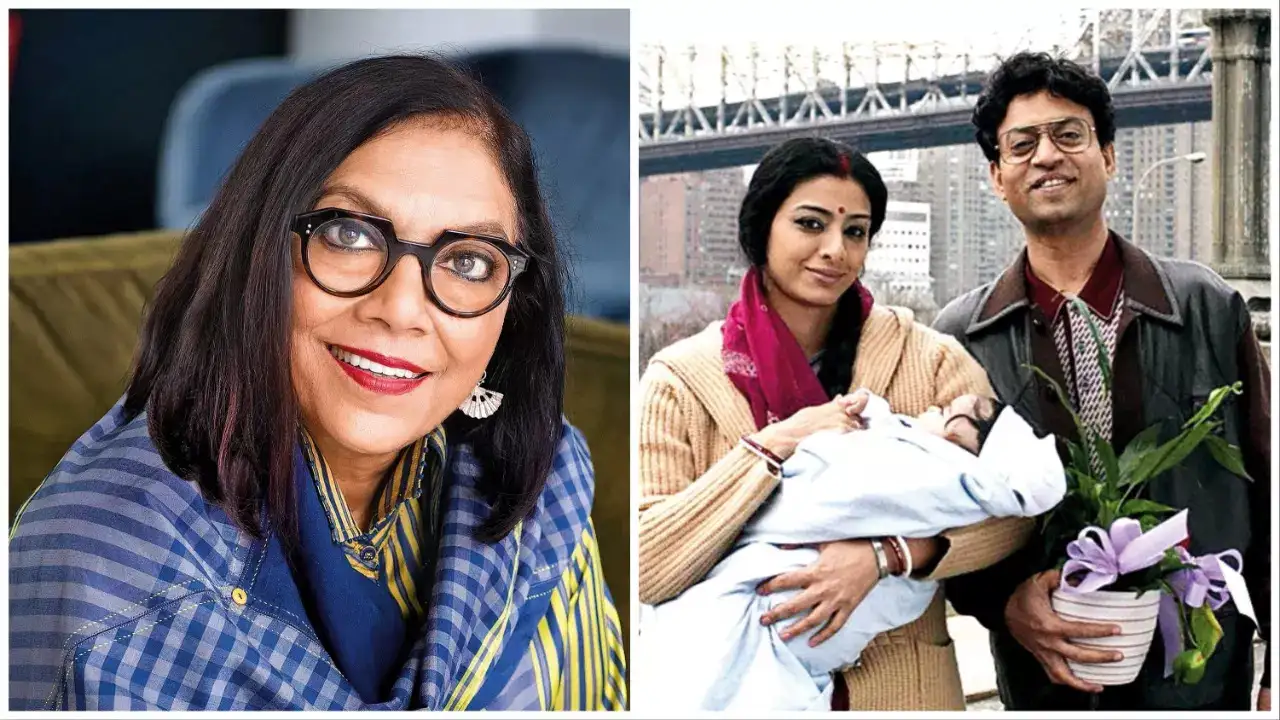
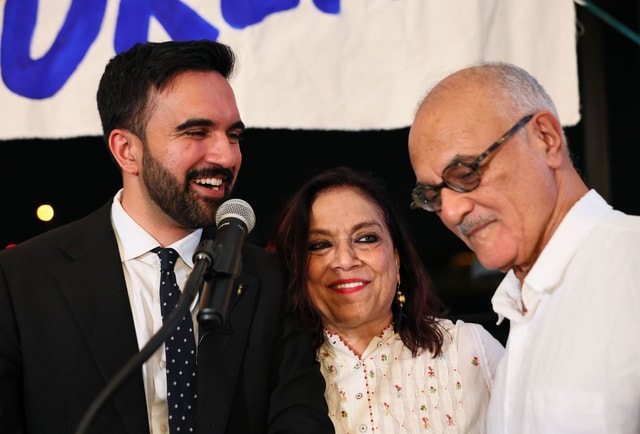
Zohran Mamdani, born October 18, 1991, in Kampala, Uganda, is of Indian descent through his parents, Mahmood Mamdani, an Indian-Ugandan academic of Gujarati Shia Muslim descent, and Mira Nair, an Indian-American filmmaker of Hindu Punjabi descent. He moved to New York City at age seven, became a naturalized U.S. citizen in 2018, and is a practicing Shia Muslim. Mamdani is a New York State Assemblymember representing the 36th district in Queens since 2021 and a Democratic Socialist. He is the presumptive Democratic nominee for New York City mayor in the 2025 election, having defeated Andrew Cuomo in the primary. His platform focuses on affordable housing, free public transit, and progressive policies. He’s also known for his activism, including hunger strikes for taxi driver debt relief and Gaza ceasefire advocacy, and his past as a hip-hop artist under the name Mr. Cardamom.

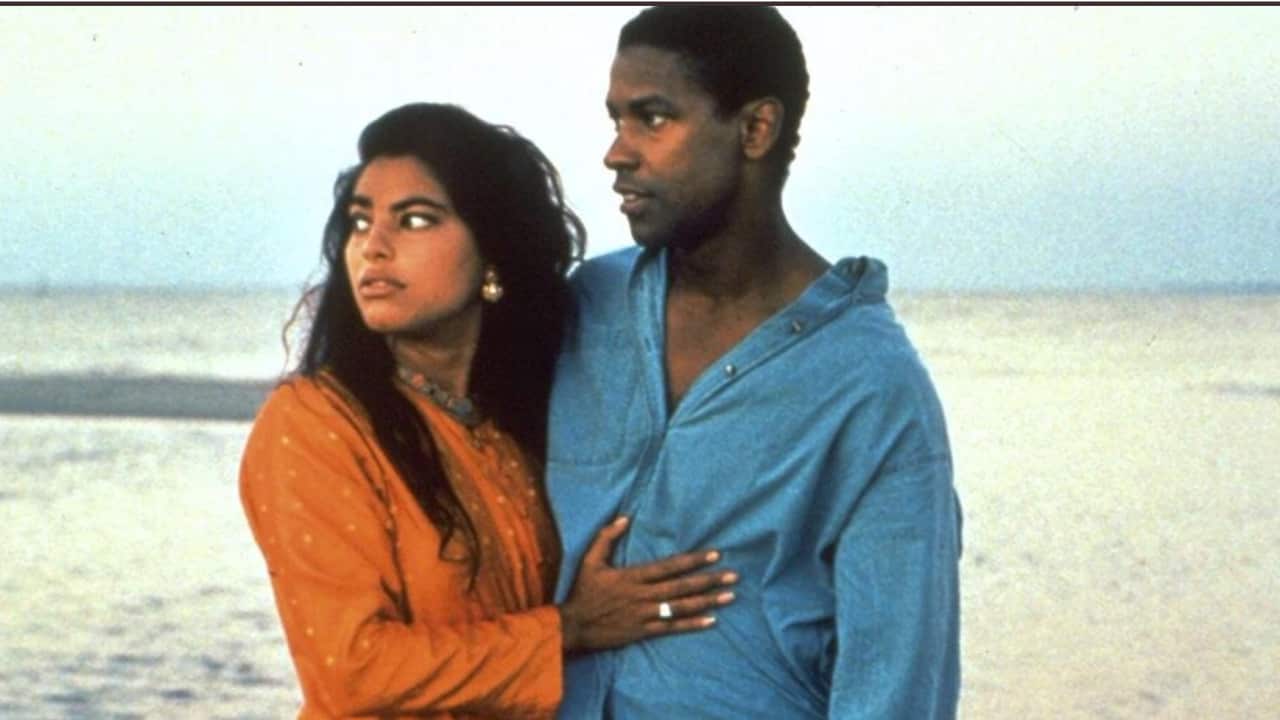
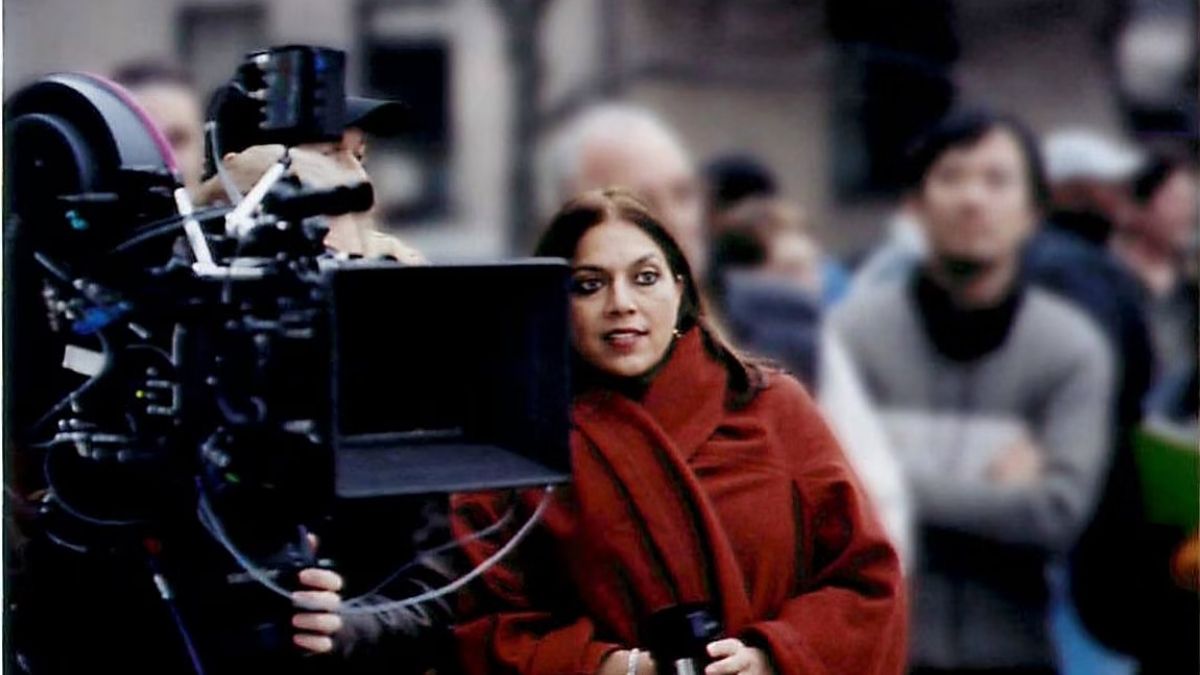
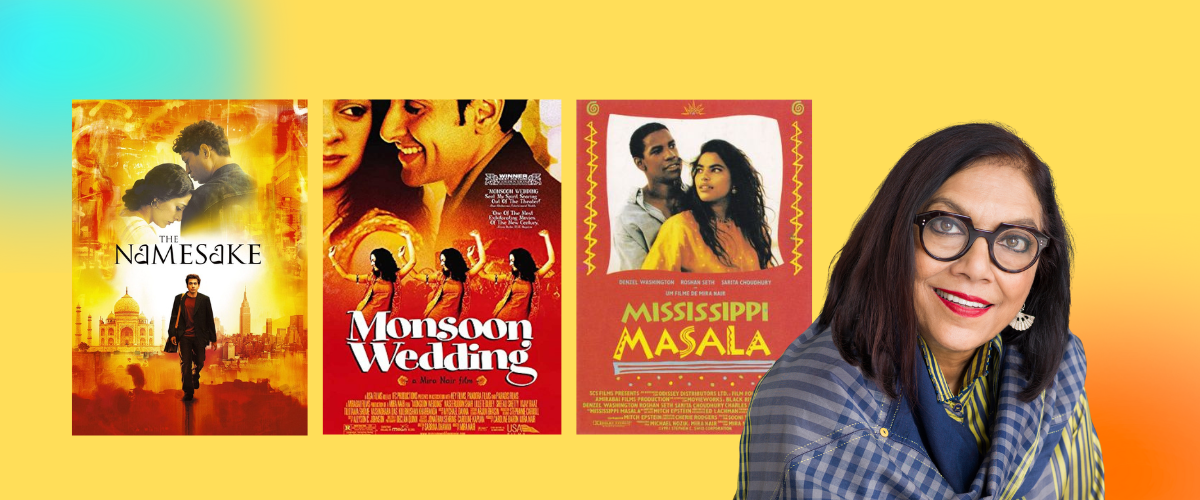
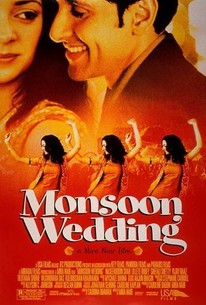
Mira Nair (born October 15, 1957, in Rourkela, Odisha, India) is an acclaimed Indian-American filmmaker of Punjabi Hindu descent, renowned for her vibrant storytelling that bridges Indian and global perspectives. Raised in Bhubaneswar, she studied sociology at Delhi University before earning a scholarship to Harvard University, where she honed her craft in documentary filmmaking. Nair gained international recognition with her debut feature, Salaam Bombay! (1988), a raw portrayal of Mumbai’s street children, which won the Camera d’Or at Cannes and earned an Oscar nomination. Her notable films include Mississippi Masala (1991), exploring interracial romance; Monsoon Wedding (2001), a colorful celebration of Indian family life that won the Golden Lion at Venice; and The Namesake (2006), a poignant adaptation of Jhumpa Lahiri’s novel about Indian immigrant identity. Nair’s work often tackles themes of cultural displacement, love, and social issues with a lyrical yet grounded style. She founded the Maisha Film Lab in Uganda to mentor African filmmakers and has directed projects across genres, including the TV series A Suitable Boy (2020). Married to Ugandan-Indian academic Mahmood Mamdani, she is the mother of New York Assemblymember Zohran Mamdani. Nair splits her time between New York, Kampala, and New Delhi, continuing to shape global cinema with her distinctive voice.

Aladdin and the Rise of High-Tech Authoritarianism: How an Algorithm Became the Puppet Master of Capital
28: Mamdani
27: Mamdani
Mamdani's Prose
Mamdani’s Platform
AOC 2028: : The Future of American Progressivism
A Radical Blueprint to Transform New York City into the World’s Greatest Metropolis

Friday, June 27, 2025

27: Mamdani

The Garden Of Last Debates (novel)
Deported (novel)
Empty Country (novel)
Trump’s Default: The Mist Of Empire (novel)
The 20% Growth Revolution: Nepal’s Path to Prosperity Through Kalkiism
Rethinking Trade: A Blueprint for a Just and Thriving Global Economy
The $500 Billion Pivot: How the India-US Alliance Can Reshape Global Trade
Trump’s Trade War
Peace For Taiwan Is Possible
Formula For Peace In Ukraine
The Last Age of War, The First Age of Peace: Lord Kalki, Prophecies, and the Path to Global Redemption
AOC 2028: : The Future of American Progressivism

The Garden Of Last Debates (novel)
Deported (novel)
Empty Country (novel)
Trump’s Default: The Mist Of Empire (novel)
The 20% Growth Revolution: Nepal’s Path to Prosperity Through Kalkiism
Rethinking Trade: A Blueprint for a Just and Thriving Global Economy
The $500 Billion Pivot: How the India-US Alliance Can Reshape Global Trade
Trump’s Trade War
Peace For Taiwan Is Possible
Formula For Peace In Ukraine
The Last Age of War, The First Age of Peace: Lord Kalki, Prophecies, and the Path to Global Redemption
AOC 2028: : The Future of American Progressivism

Liquid Computing: The Future of Human-Tech Symbiosis
Velocity Money: Crypto, Karma, and the End of Traditional Economics
The Next Decade of Biotech: Convergence, Innovation, and Transformation
Beyond Motion: How Robots Will Redefine The Art Of Movement
ChatGPT For Business: A Workbook
Becoming an AI-First Organization
Quantum Computing: Applications And Implications
Challenges In AI Safety
AI-Era Social Network: Reimagined for Truth, Trust & Transformation

Remote Work Productivity Hacks
How to Make Money with AI Tools
AI for Beginners

Liquid Computing: The Future of Human-Tech Symbiosis
Velocity Money: Crypto, Karma, and the End of Traditional Economics
The Next Decade of Biotech: Convergence, Innovation, and Transformation
Beyond Motion: How Robots Will Redefine The Art Of Movement
ChatGPT For Business: A Workbook
Becoming an AI-First Organization
Quantum Computing: Applications And Implications
Challenges In AI Safety
AI-Era Social Network: Reimagined for Truth, Trust & Transformation

Remote Work Productivity Hacks
How to Make Money with AI Tools
AI for Beginners

30 Ways To Close Sales
Digital Sales Funnels
Quantum Computing: Applications And Implications
AI And Robotics Break Capitalism
Musk’s Management
Challenges In AI Safety
Corporate Culture/ Operating System: Greatness
A 2T Cut
Are We Frozen in Time?: Tech Progress, Social Stagnation
Digital Marketing Minimum
CEO Functions

30 Ways To Close Sales
Digital Sales Funnels
Quantum Computing: Applications And Implications
AI And Robotics Break Capitalism
Musk’s Management
Challenges In AI Safety
Corporate Culture/ Operating System: Greatness
A 2T Cut
Are We Frozen in Time?: Tech Progress, Social Stagnation
Digital Marketing Minimum
CEO Functions

30 Ways To Close Sales
Digital Sales Funnels
Quantum Computing: Applications And Implications
AI And Robotics Break Capitalism
Musk’s Management
Challenges In AI Safety
Corporate Culture/ Operating System: Greatness
A 2T Cut
Are We Frozen in Time?: Tech Progress, Social Stagnation
Digital Marketing Minimum
CEO Functions

The Garden Of Last Debates (novel)
Deported (novel)
Empty Country (novel)
Trump’s Default: The Mist Of Empire (novel)
The 20% Growth Revolution: Nepal’s Path to Prosperity Through Kalkiism
Rethinking Trade: A Blueprint for a Just and Thriving Global Economy
The $500 Billion Pivot: How the India-US Alliance Can Reshape Global Trade
Trump’s Trade War
Peace For Taiwan Is Possible
Formula For Peace In Ukraine
The Last Age of War, The First Age of Peace: Lord Kalki, Prophecies, and the Path to Global Redemption
AOC 2028: : The Future of American Progressivism