Pages

Showing posts with label hanuman. Show all posts

Thursday, February 12, 2026

Narendra Modi’s Political Journey


Narendra Modi’s Political Journey:

The 2014 Landslide and a Decade of Transformation (2014–2026)

Narendra Damodardas Modi’s rise to power is one of the most consequential political transformations in modern Indian history. From a Rashtriya Swayamsevak Sangh (RSS) pracharak to Chief Minister of Gujarat (2001–2014), and ultimately to India’s Prime Minister in 2014, Modi redefined not only the Bharatiya Janata Party (BJP) but also the architecture of Indian electoral politics.

Over more than a decade in office, Modi’s leadership has been marked by centralized governance, disruptive economic reforms, expansive welfare schemes, assertive nationalism, and a foreign policy that blends pragmatism with symbolism. His tenure has also generated intense debate over institutional independence, minority rights, economic inequality, and the evolving nature of Indian democracy.

If 2014 marked a political earthquake, the years through 2026 represent its aftershocks—reshaping India’s economy, statecraft, and national identity.


The 2014 Election: Engineering the “Modi Wave”

The 2014 general election was not merely a campaign—it was a technological, organizational, and psychological overhaul of Indian politics.

For the first time, the BJP elevated a prime ministerial candidate well in advance, transforming what had traditionally been a party-centered campaign into a presidential-style contest. Modi was declared the BJP’s campaign chief in 2013, sidelining senior leaders such as L.K. Advani and signaling generational change.

Campaign Innovation

Modi’s campaign was unprecedented in scale:

  • He traveled over 300,000 kilometers.

  • Addressed more than 400 rallies.

  • Utilized 3D hologram technology to appear virtually in multiple locations simultaneously.

  • Leveraged social media at scale, amassing millions of followers on Twitter (now X), Facebook, and YouTube.

His team deployed WhatsApp networks, SMS outreach, and dedicated apps to reportedly reach over 100 million voters. “Chai pe Charcha” (Discussion over Tea) events cleverly reframed Modi’s humble “chai wallah” (tea seller) background into a populist strength, connecting him directly with voters.

The campaign fused Silicon Valley techniques with street-level cadre mobilization by the RSS and Amit Shah’s formidable organizational machinery.

Messaging and Narrative

The slogans were simple but potent:

  • “Ab ki baar, Modi sarkar” (This time, a Modi government)

  • “Achhe din aane wale hain” (Good days are coming)

  • “Minimum government, maximum governance”

The manifesto emphasized:

  • Anti-corruption (targeting UPA-era scandals like 2G and coal block allocations)

  • Infrastructure development

  • Digital governance

  • Job creation

  • Economic revival

  • A Price Stabilisation Fund to control inflation

Hindutva rhetoric was strategically moderated nationally, though it remained active in regional contexts.

The Result

On May 16, 2014:

  • BJP: 282 seats (31% vote share)

  • NDA: 336 seats

  • Congress: 44 seats (historic low)

  • Voter turnout: 66.4%

It was the first single-party majority since 1984.

Markets surged. Analysts cited anti-incumbency, corruption fatigue, youth mobilization, and Modi’s personal charisma. The election marked India’s shift toward personality-driven national politics.

On May 26, 2014, Modi was sworn in with SAARC leaders in attendance—symbolizing regional outreach from day one.


2014–2015: Centralization and Structural Reset

Modi moved swiftly to consolidate authority within the Prime Minister’s Office (PMO), streamlining decision-making.

Institutional Changes

  • Replaced the Planning Commission with NITI Aayog (December 2014)

  • Scrapped over 1,200 obsolete laws

  • Liberalized FDI in defense, railways, and insurance

Flagship Schemes

  • Jan Dhan Yojana: Financial inclusion drive (over 125 million accounts within months)

  • Swachh Bharat Abhiyan: Sanitation mission aiming to eliminate open defecation

  • Make in India

  • Digital India

  • Skill India

Modi’s governance style blended administrative efficiency with branding mastery. Government schemes became mass movements, complete with logos, hashtags, and public ceremonies.

Foreign policy adopted a dual strategy: “Neighborhood First” and “Act East.” Modi visited Bhutan, Japan, the US (addressing Congress), and strengthened ties across ideological lines.


2016–2018: Disruption as Governance

Demonetization (2016)

On November 8, 2016, ₹500 and ₹1,000 notes (86% of currency in circulation) were invalidated overnight.

Objectives:

  • Curb black money

  • Crack down on counterfeit currency

  • Disrupt terror financing

  • Accelerate digitization

Immediate consequences:

  • Cash shortages

  • Economic slowdown (estimated 1–2% GDP impact)

  • Informal sector distress

Long-term outcomes:

  • Digital payments surged

  • Tax base widened

  • Formalization accelerated

Demonetization was economic shock therapy—admired as boldness by supporters, criticized as disruptive by detractors.

GST (2017)

The Goods and Services Tax unified India’s indirect tax system into a single national framework. Despite initial implementation glitches, GST marked a structural reform decades in the making.

Welfare and Nationalism

  • Ujjwala Yojana: LPG connections for poor women

  • Surgical strikes after Uri attack

  • Ayushman Bharat (2018): World’s largest public health insurance scheme

However, rural distress and unemployment concerns surfaced. BJP lost several state elections in 2018, signaling limits to its momentum.


2019–2020: Mandate for Majoritarian Confidence

The 2019 campaign capitalized on national security after Pulwama and Balakot.

Results:

  • BJP: 303 seats

  • NDA: 353 seats

With a stronger mandate, Modi moved decisively.

Landmark Decisions

  • Abrogation of Article 370 (August 2019): Revoked special status of Jammu & Kashmir.

  • Citizenship Amendment Act (December 2019): Fast-tracked citizenship for non-Muslim minorities from neighboring countries, sparking nationwide protests.

  • Ram Mandir: Supreme Court verdict (November 2019) cleared temple construction in Ayodhya.

These actions consolidated BJP’s cultural-nationalist base.


2020–2021: Pandemic and Protests

COVID-19 tested the state’s capacity.

Lockdown

India imposed one of the world’s strictest lockdowns (March 25, 2020). GDP contracted 6.6% in FY21. A migrant worker crisis exposed structural vulnerabilities.

Response

  • Atmanirbhar Bharat stimulus

  • Rapid vaccine development and rollout (over 1.7 billion doses administered)

The second wave in 2021 proved devastating, with oxygen shortages and excess death debates.

Meanwhile, three farm laws triggered year-long protests, eventually repealed in November 2021—a rare policy reversal.


2022–2023: Global Ascent, Domestic Tensions

India’s global profile rose sharply:

  • Chandrayaan-3 landed near the Moon’s south pole.

  • India hosted the G20 Summit in 2023.

  • African Union admitted as permanent G20 member.

  • Women’s Reservation Bill passed.

Yet, concerns persisted:

  • Press freedom rankings declined.

  • Enforcement agencies accused of targeting opposition.

  • Ethnic violence in Manipur drew criticism.

India appeared simultaneously ascendant and internally contested.


2024: Coalition Realities Return

Campaign slogan: “Modi ki Guarantee” and “Abki Baar 400 Paar.”

Result (June 4, 2024):

  • BJP: 240 seats

  • NDA: 293 (majority via TDP, JD(U))

  • INDIA bloc: 234

Modi became the first non-Congress leader to win three consecutive terms—but without a single-party majority.

The Ram Temple consecration in January 2024 framed the election emotionally, yet economic concerns—unemployment and inflation—tempered BJP’s tally.

Coalition politics reintroduced negotiation into governance.


2025: Structural Reform Push

Branded as the “Year of Reforms” toward Viksit Bharat @2047:

  • New Income Tax Act replacing the 1961 framework

  • GST rationalization

  • Labor code modernization

  • Insurance FDI liberalization

  • Infrastructure acceleration

  • Nuclear and renewable energy expansion

  • Trade agreements

India maintained strong GDP growth amid global volatility.

Modi continued high-profile diplomacy, balancing US partnerships, Russia ties, and China border management.


2026: Reform Amid Restraint

As of early 2026, the Modi government continues:

  • Infrastructure megaprojects

  • AI and digital ecosystem expansion

  • Renewable energy scaling

  • Tax and regulatory simplification

Coalition pressures from TDP and JD(U) influence federalism and reservation debates.

Persistent challenges:

  • Youth unemployment

  • Income inequality

  • Institutional trust

  • Regional tensions (e.g., Manipur)

  • Democratic index criticisms

India stands at a paradox: technologically accelerating yet socially complex; globally assertive yet domestically polarized.


Overall Assessment: Transformation and Tension

Modi has transformed the BJP from a cadre-based party into a centralized electoral machine built around his persona.

Achievements cited by supporters:

  • Infrastructure expansion

  • GST and insolvency reforms

  • Digital India transformation

  • Expanded welfare coverage

  • Stronger global stature

Criticisms raised by opponents:

  • Democratic backsliding

  • Media freedom decline

  • Minority alienation

  • Centralization of power

  • Uneven economic gains

The 2024 coalition result may temper unilateral policymaking while compelling broader consensus-building.


The Legacy Question

By 2026, Narendra Modi is India’s longest-serving non-Congress Prime Minister. His political arc resembles a tectonic shift rather than a temporary wave.

The ultimate measure of his legacy will not rest solely on electoral victories or infrastructure statistics. It will hinge on deeper questions:

  • Has economic growth translated into broad-based prosperity?

  • Has national pride strengthened pluralistic harmony?

  • Have institutions emerged stronger or more fragile?

  • Can India reconcile rapid modernization with democratic resilience?

Modi’s first decade was about disruption and consolidation.
The years ahead may determine whether that disruption matures into durable transformation.

History rarely offers clear verdicts in real time. But few would dispute this: since 2014, Indian politics has revolved around one gravitational force—and its orbit is still expanding.


नरेंद्र मोदी की राजनीतिक यात्रा:

2014 की ऐतिहासिक जीत से परिवर्तन के एक दशक तक (2014–2026)

नरेंद्र दामोदरदास मोदी का सत्ता तक पहुँचना आधुनिक भारत के राजनीतिक इतिहास की सबसे महत्वपूर्ण घटनाओं में से एक है। राष्ट्रीय स्वयंसेवक संघ (आरएसएस) के प्रचारक से लेकर गुजरात के मुख्यमंत्री (2001–2014) और फिर 2014 में भारत के प्रधानमंत्री बनने तक उनकी यात्रा केवल व्यक्तिगत उन्नति की कहानी नहीं, बल्कि भारतीय राजनीति के ढाँचे में गहरे परिवर्तन की कहानी है।

एक दशक से अधिक के शासनकाल में मोदी का नेतृत्व केंद्रीकृत प्रशासन, साहसिक आर्थिक सुधारों, व्यापक कल्याणकारी योजनाओं, सांस्कृतिक राष्ट्रवाद और बहुआयामी विदेश नीति के मिश्रण के रूप में सामने आया है। उनके कार्यकाल ने जहाँ समर्थकों के बीच विकास और वैश्विक प्रतिष्ठा की भावना को मजबूत किया, वहीं आलोचकों के बीच संस्थागत स्वायत्तता, अल्पसंख्यक अधिकारों और लोकतांत्रिक मानकों को लेकर चिंताएँ भी बढ़ीं।

यदि 2014 एक राजनीतिक भूकंप था, तो 2014 से 2026 तक का काल उसकी निरंतर गूँज रहा—जिसने भारत की अर्थव्यवस्था, राज्यशक्ति और राष्ट्रीय पहचान को पुनर्परिभाषित किया।


2014 का आम चुनाव: “मोदी लहर” का उदय

2014 का चुनाव केवल एक चुनाव नहीं था; वह भारतीय चुनावी राजनीति का तकनीकी, संगठनात्मक और मनोवैज्ञानिक कायापलट था।

पहली बार भाजपा ने स्पष्ट रूप से एक प्रधानमंत्री पद के उम्मीदवार को अग्रिम रूप से प्रस्तुत किया। 2013 में मोदी को अभियान प्रमुख घोषित किया गया, जिससे पार्टी की पारंपरिक सामूहिक नेतृत्व शैली में बदलाव आया। वरिष्ठ नेता लालकृष्ण आडवाणी जैसे दिग्गजों को पीछे छोड़ते हुए एक नए युग की शुरुआत हुई।

अभियान की नवोन्मेषी रणनीति

  • 3 लाख किलोमीटर से अधिक की यात्रा

  • 400 से अधिक रैलियाँ

  • 3D होलोग्राम तकनीक से एक साथ कई स्थानों पर संबोधन

  • सोशल मीडिया का व्यापक उपयोग

ट्विटर (अब X), फेसबुक और यूट्यूब पर लाखों अनुयायी जुटाए गए। व्हाट्सएप, एसएमएस और विशेष ऐप के माध्यम से करोड़ों मतदाताओं तक पहुँच बनाई गई। “चाय पर चर्चा” कार्यक्रमों ने मोदी की “चायवाला” पृष्ठभूमि को जनसंपर्क की शक्ति में बदल दिया।

अमित शाह के संगठनात्मक कौशल और आरएसएस के जमीनी नेटवर्क ने पहली बार वोट देने वाले लगभग 2.3 करोड़ युवाओं को सक्रिय रूप से जोड़ा।

संदेश और विचारधारा

मुख्य नारे:

  • “अबकी बार, मोदी सरकार”

  • “अच्छे दिन आने वाले हैं”

  • “न्यूनतम सरकार, अधिकतम शासन”

घोषणापत्र में भ्रष्टाचार विरोध, बुनियादी ढाँचा विकास, डिजिटल इंडिया, रोजगार सृजन और महँगाई नियंत्रण पर जोर दिया गया।

हिंदुत्व का तत्व मौजूद था, परंतु राष्ट्रीय स्तर पर विकास का एजेंडा प्रमुख रहा।

परिणाम

16 मई 2014 को परिणाम घोषित हुए:

  • भाजपा: 282 सीटें (31% मत प्रतिशत)

  • एनडीए: 336 सीटें

  • कांग्रेस: 44 सीटें

  • मतदान प्रतिशत: 66.4%

यह 1984 के बाद पहली पूर्ण बहुमत वाली सरकार थी।

26 मई 2014 को मोदी ने शपथ ली, जिसमें सार्क देशों के नेताओं को आमंत्रित किया गया—यह क्षेत्रीय कूटनीति का प्रतीकात्मक संकेत था।


2014–2015: शासन की नींव

प्रधानमंत्री कार्यालय (PMO) को निर्णय प्रक्रिया का केंद्र बनाया गया।

प्रमुख बदलाव

  • योजना आयोग की जगह नीति आयोग

  • 1,200 से अधिक अप्रचलित कानूनों की समाप्ति

  • रक्षा, रेलवे और बीमा में एफडीआई उदारीकरण

प्रमुख योजनाएँ

  • प्रधानमंत्री जन धन योजना (वित्तीय समावेशन)

  • स्वच्छ भारत अभियान

  • मेक इन इंडिया

  • डिजिटल इंडिया

  • स्किल इंडिया

विदेश नीति में “पड़ोसी प्रथम” और “एक्ट ईस्ट” रणनीति अपनाई गई।


2016–2018: साहसिक और विघटनकारी सुधार

नोटबंदी (2016)

8 नवंबर 2016 को ₹500 और ₹1,000 के नोट बंद कर दिए गए।

उद्देश्य:

  • काला धन समाप्त करना

  • नकली मुद्रा रोकना

  • डिजिटल भुगतान बढ़ाना

तात्कालिक प्रभाव:

  • नकदी संकट

  • असंगठित क्षेत्र पर गहरा असर

  • आर्थिक मंदी

दीर्घकालिक परिणाम:

  • डिजिटल भुगतान में वृद्धि

  • करदाताओं की संख्या में विस्तार

जीएसटी (2017)

1 जुलाई 2017 को वस्तु एवं सेवा कर लागू हुआ। प्रारंभिक तकनीकी कठिनाइयों के बावजूद इसे एक ऐतिहासिक कर सुधार माना गया।

कल्याण और राष्ट्रवाद

  • उज्ज्वला योजना

  • उरी हमले के बाद सर्जिकल स्ट्राइक

  • आयुष्मान भारत (2018)

हालाँकि, 2018 में कुछ राज्यों में भाजपा की हार ने बेरोजगारी और ग्रामीण संकट को उजागर किया।


2019–2020: दूसरा प्रचंड जनादेश

2019 में भाजपा ने 303 सीटें जीतीं।

प्रमुख निर्णय

  • अनुच्छेद 370 का निरस्तीकरण

  • नागरिकता संशोधन अधिनियम (CAA)

  • राम मंदिर निर्माण का मार्ग प्रशस्त

इन निर्णयों ने सांस्कृतिक राष्ट्रवाद को केंद्र में ला दिया।


2020–2021: महामारी और विरोध

25 मार्च 2020 को देशव्यापी लॉकडाउन लागू हुआ। GDP में 6.6% गिरावट आई।

आत्मनिर्भर भारत पैकेज और व्यापक टीकाकरण अभियान शुरू किया गया।

दूसरी लहर विनाशकारी रही।

तीन कृषि कानूनों के खिलाफ वर्षभर आंदोलन हुआ; अंततः नवंबर 2021 में कानून वापस लिए गए।


2022–2023: वैश्विक प्रतिष्ठा

  • चंद्रयान-3 की सफलता

  • 2023 जी20 शिखर सम्मेलन

  • महिला आरक्षण विधेयक पारित

साथ ही प्रेस स्वतंत्रता और संस्थागत स्वायत्तता पर सवाल उठे।


2024: गठबंधन युग की वापसी

परिणाम:

  • भाजपा: 240 सीटें

  • एनडीए: 293

  • इंडिया गठबंधन: 234

मोदी तीसरी बार प्रधानमंत्री बने—परंतु गठबंधन सरकार के रूप में।


2025: संरचनात्मक सुधारों का वर्ष

  • नया आयकर अधिनियम

  • जीएसटी पुनर्संरचना

  • श्रम संहिताएँ

  • एफडीआई विस्तार

  • बुनियादी ढाँचे का तीव्र विकास


2026: चुनौतियों के बीच आगे की राह

  • एआई और डिजिटल विस्तार

  • नवीकरणीय ऊर्जा

  • युवा बेरोजगारी और असमानता की चुनौती

  • संघीय संतुलन

भारत वैश्विक मंच पर मजबूत है, पर भीतर सामाजिक और राजनीतिक जटिलताएँ बनी हुई हैं।


समग्र मूल्यांकन

समर्थकों के अनुसार:

  • डिजिटल क्रांति

  • बुनियादी ढाँचा विस्तार

  • वैश्विक प्रतिष्ठा

आलोचकों के अनुसार:

  • लोकतांत्रिक संस्थाओं पर दबाव

  • मीडिया स्वतंत्रता में गिरावट

  • अल्पसंख्यक असुरक्षा

  • आर्थिक असमानता

2024 का गठबंधन परिणाम शायद निर्णय प्रक्रिया में संतुलन लाए।


विरासत का प्रश्न

2026 तक नरेंद्र मोदी भारत के सबसे लंबे समय तक सेवा देने वाले गैर-कांग्रेसी प्रधानमंत्री बन चुके हैं।

उनकी विरासत इस पर निर्भर करेगी:

  • क्या विकास समावेशी बना?

  • क्या राष्ट्रीय गर्व ने सामाजिक सद्भाव को मजबूत किया?

  • क्या संस्थाएँ मजबूत हुईं या कमजोर?

2014 से अब तक भारतीय राजनीति एक केंद्रीय धुरी के चारों ओर घूमती रही है—और वह धुरी नरेंद्र मोदी रहे हैं।

आने वाले वर्ष तय करेंगे कि यह परिवर्तन स्थायी पुनर्जागरण सिद्ध होगा या एक गहन, विवादास्पद संक्रमण काल।


Narendra Modi: From Tea Stall to the World Stage


Narendra Modi: From Tea Stall to the World Stage

Narendra Damodardas Modi’s life story is one of the most dramatic political ascents in modern democratic history. Born into modest circumstances in a newly independent India, he rose through decades of organizational discipline, ideological commitment, and relentless work to become the central political figure of 21st-century India. Admirers see him as a transformational leader who restored stability and self-confidence to the world’s largest democracy. Critics view him as a polarizing figure who reshaped Indian politics in ways that demand close scrutiny. Either way, his imprint on India is undeniable.

This biography traces his journey—from humble beginnings in Gujarat to the cusp of becoming India’s longest-serving prime minister in electoral history.


Early Life: Humble Beginnings in Vadnagar

Narendra Modi was born on September 17, 1950, in Vadnagar, a small town in Mehsana district of Gujarat. He was the third of six children born to Damodardas Mulchand Modi and Hiraben Modi. His family belonged to a modest background; his father ran a tea stall near the Vadnagar railway station, and young Narendra is widely reported to have helped him serve tea to travelers.

His upbringing was shaped by scarcity, discipline, and an early sense of responsibility. Those who have chronicled his childhood describe him as introspective yet energetic—drawn to theater, debate, and storytelling, but equally inclined toward quiet contemplation.

From an early age, Modi exhibited an interest in spirituality and service. He joined the Rashtriya Swayamsevak Sangh (RSS), a Hindu volunteer organization, as a young boy. The RSS would profoundly shape his worldview, emphasizing discipline, nationalism, cultural pride, and service.


Spiritual Quest and Formative Years

In his late teens and early twenties, Modi is said to have embarked on a period of spiritual exploration. He reportedly traveled across India, visiting ashrams and spiritual centers, including the Ramakrishna Mission and the Himalayas. While details of this period remain sparse and partly anecdotal, it reinforced a lifelong affinity for ascetic discipline, yoga, and Sanatana Dharma (the civilizational ethos of Hindu thought).

Unlike many politicians who discover religion as a public tool later in life, Modi’s relationship with spirituality appears to be deeply personal. He practices yoga daily, maintains a vegetarian diet, and is known for meditation and long fasting during Navratri—even while managing intense political schedules.

His public persona integrates political leadership with civilizational symbolism—whether inaugurating the Kashi Vishwanath Corridor, promoting International Yoga Day at the United Nations, or participating in religious rituals. For him and his supporters, governance and civilizational revival are intertwined.


The Long Organizational Apprenticeship

Before entering electoral politics, Modi spent decades as a full-time pracharak (organizer) for the RSS. This period is crucial to understanding his political method.

He traveled extensively across Gujarat and later other parts of India, working quietly behind the scenes—building networks, mobilizing volunteers, organizing campaigns, and strengthening party structures. Unlike leaders who rise through family lineage or elite institutions, Modi’s ascent was forged through grassroots organizational work.

In the 1980s, he was deputed to the Bharatiya Janata Party (BJP), the political wing that grew out of the broader Sangh Parivar ecosystem. He quickly earned a reputation for meticulous planning, attention to detail, and tireless energy.

He helped organize major political campaigns in Gujarat and later played key roles in national events such as L.K. Advani’s Rath Yatra in 1990. His style was methodical and data-driven long before “data-driven politics” became fashionable. He believed elections were won booth by booth, district by district.


Chief Minister of Gujarat: Governance Laboratory

In 2001, Modi became Chief Minister of Gujarat after internal party turbulence. His early tenure was overshadowed by the 2002 Gujarat riots, one of the most controversial and debated episodes of his career. He faced intense national and international scrutiny. Over the years, investigations and court-monitored probes did not find prosecutable evidence against him personally, but the episode remains central to his critics’ narratives.

After 2002, Modi pivoted decisively toward a governance-first model. Gujarat became a laboratory for what he branded as “development politics.” He emphasized infrastructure, electricity reforms, industrialization, and streamlined administration. Investor summits like “Vibrant Gujarat” positioned the state as business-friendly and globally connected.

Over more than a decade in office (2001–2014), Gujarat recorded strong economic growth relative to many other Indian states. Modi cultivated an image of efficiency, stability, and decisiveness.


The 2014 Breakthrough: Ending the Coalition Era

India’s national politics between 1989 and 2014 was dominated by coalition governments and hung parliaments. Regional parties often held disproportionate leverage in fragile alliances. Political instability became normalized.

In 2014, Narendra Modi led the BJP to a single-party majority in the Lok Sabha—the first such majority in 30 years. It was a watershed moment. The BJP won 282 seats on its own, transforming India’s political landscape.

His campaign was presidential in style, centered around his persona, messaging discipline, and development narrative. The slogan “Achhe Din” (Good Days) captured public imagination. He connected especially with youth, first-time voters, and aspirational classes.

In 2019, he secured an even larger mandate, reinforcing the shift away from the era of fragmented mandates.

The result: a stable government in a vast, noisy, and deeply plural democracy of over 1.4 billion people.


Prime Minister: Governance, Security, and Global Standing

Clear Position on Terrorism

Modi has taken a hardline stance on terrorism and cross-border militancy. Surgical strikes in 2016 and the Balakot airstrike in 2019 signaled a departure from previous doctrines of strategic restraint. His government has emphasized national security, border infrastructure, and intelligence modernization.

The abrogation of Article 370 in 2019, which revoked the special status of Jammu and Kashmir, was one of the most consequential and controversial decisions of his tenure. Supporters view it as long-overdue integration; critics argue about process and civil liberties implications.


Welfare for the Poor

A central pillar of Modi’s tenure has been large-scale welfare delivery:

  • Jan Dhan Yojana: Financial inclusion for hundreds of millions through bank accounts.

  • Ujjwala Yojana: LPG connections for poor households.

  • Swachh Bharat Mission: Nationwide sanitation drive and toilet construction.

  • PM Awas Yojana: Housing for the poor.

  • Ayushman Bharat: Health insurance coverage for millions.

  • Direct Benefit Transfers (DBT): Cutting leakages via digital infrastructure.

The JAM Trinity (Jan Dhan, Aadhaar, Mobile) enabled unprecedented scale in welfare transfers, especially during the COVID-19 pandemic.


Political Philosophy

Modi’s political philosophy blends:

  • Cultural nationalism

  • Strong executive leadership

  • Developmental statecraft

  • Welfare delivery at scale

  • Technological modernization

He often speaks of “Sabka Saath, Sabka Vikas, Sabka Vishwas” (Together with all, development for all, trust of all). His emphasis is on efficiency, scale, and execution.


Work Ethic and Personal Discipline

Modi is known for an extraordinary work schedule. Associates describe him as sleeping only a few hours a night, beginning his day early with yoga and meditation. He maintains a sparse personal lifestyle—no immediate family members in official residence, minimal personal indulgence, and a reputation for incorruptibility.

He fasts during Navratri even while traveling internationally. His clothing style—simple kurta, half-sleeve jacket—has become iconic, projecting accessibility blended with authority.

His personal branding is meticulous. He understands symbolism, stagecraft, and direct communication, using radio (“Mann Ki Baat”), social media, and mass rallies effectively.


Global Popularity and Diplomacy

Modi has cultivated strong diaspora ties and high-visibility global events—from Madison Square Garden in New York to stadium gatherings in Sydney. He has positioned India as:

  • A key player in the Quad

  • A leader in climate diplomacy (International Solar Alliance)

  • A voice for the Global South

  • A major digital public infrastructure innovator

He has maintained relationships across geopolitical divides—engaging the United States, Russia, the Middle East, and Europe while navigating complex regional dynamics.


Transforming the BJP

When Modi became Prime Minister in 2014, the BJP was already a major force. Under his leadership, it expanded dramatically:

  • Membership drives reportedly made it one of the largest political parties in the world.

  • Electoral expansion into new geographies, including the Northeast.

  • Consolidation in Hindi heartland states.

  • Growing presence in southern and eastern India.

Observers often note that Modi’s personal popularity sometimes exceeds that of his party—an unusual dynamic in parliamentary systems.


2047 Vision: India at 100

Modi frequently invokes 2047—the centenary of India’s independence—as a strategic horizon. His vision includes:

  • Developed nation status

  • Advanced manufacturing and digital economy

  • Infrastructure transformation

  • Defense self-reliance

  • Cultural renaissance

This long-term framing reinforces continuity and strategic patience in governance.


Style and Leadership Analysis

Modi’s style is centralized, disciplined, and message-controlled. Decision-making is tightly coordinated. Supporters praise decisiveness and clarity; critics worry about institutional centralization.

He excels in political communication—crafting narratives that combine development, national pride, and civilizational continuity.

He transformed Indian elections into personality-centric contests. His ability to connect directly with voters—cutting across caste and regional lines—has redefined campaign strategy.


Toward Historical Longevity

Jawaharlal Nehru remains India’s longest-serving prime minister in electoral history. Narendra Modi is on track to surpass that record if current political trends continue. Such longevity would place him among the most enduring democratic leaders globally.


Conclusion

Narendra Modi’s life story encapsulates themes that resonate deeply in democratic societies: social mobility, disciplined self-cultivation, ideological conviction, and relentless ambition.

From a tea seller’s son in Vadnagar to one of the most recognizable political leaders in the world, his journey reflects not only personal ascent but also the reshaping of India’s political order.

His legacy will ultimately be judged by history—by economic outcomes, institutional strength, social cohesion, and India’s global standing. But there is no question that in the first half of the 21st century, Narendra Modi has been the defining figure of Indian politics.


नरेंद्र मोदी: चाय की दुकान से विश्व मंच तक

नरेंद्र दामोदरदास मोदी का जीवन आधुनिक लोकतांत्रिक इतिहास की सबसे नाटकीय राजनीतिक यात्राओं में से एक है। स्वतंत्र भारत के शुरुआती वर्षों में एक साधारण परिवार में जन्म लेकर, उन्होंने दशकों की संगठनात्मक तपस्या, वैचारिक प्रतिबद्धता और अथक परिश्रम के बल पर 21वीं सदी के भारत के केंद्रीय राजनीतिक व्यक्तित्व के रूप में स्वयं को स्थापित किया। उनके समर्थक उन्हें एक परिवर्तनकारी नेता मानते हैं, जिन्होंने विश्व के सबसे बड़े लोकतंत्र को स्थिरता और आत्मविश्वास प्रदान किया। आलोचक उन्हें एक ध्रुवीकरण करने वाला नेता मानते हैं, जिन्होंने भारतीय राजनीति को नए और विवादास्पद रूपों में ढाला। परंतु एक तथ्य निर्विवाद है—उनकी छाप समकालीन भारत पर गहरी है।

यह जीवनी उनके जीवन की यात्रा का अनुसरण करती है—गुजरात के विनम्र परिवेश से लेकर भारत के सबसे लंबे समय तक निर्वाचित प्रधानमंत्री बनने की दहलीज तक।


प्रारंभिक जीवन: वडनगर की सादगी

नरेंद्र मोदी का जन्म 17 सितंबर 1950 को गुजरात के मेहसाणा ज़िले के वडनगर में हुआ। वे दामोदरदास मुलचंद मोदी और हीराबेन मोदी की छह संतानों में तीसरे थे। उनका परिवार आर्थिक रूप से साधारण था; उनके पिता रेलवे स्टेशन के पास चाय की दुकान चलाते थे और कहा जाता है कि बालक नरेंद्र भी यात्रियों को चाय परोसने में सहायता करते थे।

उनका बचपन अभाव, अनुशासन और जिम्मेदारी की भावना से गढ़ा गया। वे नाटक, वाद-विवाद और कहानी कहने में रुचि रखते थे, साथ ही चिंतनशील स्वभाव के भी थे।

कम आयु में ही वे राष्ट्रीय स्वयंसेवक संघ (आरएसएस) से जुड़े, जिसने उनके व्यक्तित्व और विचारधारा को गहराई से प्रभावित किया—अनुशासन, राष्ट्रवाद, सांस्कृतिक गौरव और सेवा की भावना उनके जीवन के स्थायी तत्व बने।


आध्यात्मिक खोज और साधना

किशोरावस्था के बाद नरेंद्र मोदी ने आध्यात्मिक खोज की एक अवधि बिताई। बताया जाता है कि उन्होंने हिमालय और विभिन्न आश्रमों की यात्राएँ कीं, जिनमें रामकृष्ण मिशन भी शामिल है। यद्यपि इस काल के विवरण सीमित और आंशिक रूप से कथात्मक हैं, परंतु इससे उनके जीवन में तप, योग और सनातन धर्म के प्रति गहरी निष्ठा विकसित हुई।

वे प्रतिदिन योग करते हैं, सादा शाकाहारी भोजन लेते हैं और नवरात्रि में कठोर उपवास रखते हैं—यहाँ तक कि विदेश यात्राओं के दौरान भी।

उनके लिए शासन और सभ्यतागत पुनर्जागरण एक-दूसरे से जुड़े हुए प्रतीत होते हैं—चाहे काशी विश्वनाथ धाम का उद्घाटन हो, संयुक्त राष्ट्र में अंतरराष्ट्रीय योग दिवस की स्थापना हो, या धार्मिक अनुष्ठानों में उनकी भागीदारी।


संगठनात्मक तपस्या: दशकों की तैयारी

चुनावी राजनीति में आने से पहले नरेंद्र मोदी ने दशकों तक आरएसएस के पूर्णकालिक प्रचारक के रूप में कार्य किया। उन्होंने गुजरात और देश के विभिन्न हिस्सों में यात्रा कर संगठन को मजबूत किया। वे पर्दे के पीछे रहकर कार्यकर्ताओं को संगठित करने, रणनीति बनाने और बूथ स्तर तक नेटवर्क खड़ा करने में दक्ष थे।

1980 के दशक में उन्हें भारतीय जनता पार्टी (भाजपा) में जिम्मेदारी दी गई। 1990 के दशक में उन्होंने राष्ट्रीय अभियानों के संगठन में महत्वपूर्ण भूमिका निभाई। उनकी शैली सुव्यवस्थित, डेटा-आधारित और सूक्ष्म प्रबंधन पर आधारित रही।


गुजरात के मुख्यमंत्री: विकास का मॉडल

2001 में वे गुजरात के मुख्यमंत्री बने। 2002 के दंगों ने उनके कार्यकाल को गहन राष्ट्रीय और अंतरराष्ट्रीय बहस के केंद्र में ला दिया। वर्षों की जांच और न्यायिक प्रक्रियाओं के बाद उनके विरुद्ध व्यक्तिगत रूप से अभियोजन योग्य साक्ष्य स्थापित नहीं हुए, किंतु यह प्रकरण उनकी राजनीतिक यात्रा का महत्वपूर्ण और विवादास्पद अध्याय बना रहा।

इसके बाद उन्होंने विकास, बुनियादी ढांचे, औद्योगिकीकरण और प्रशासनिक दक्षता पर जोर दिया। “वाइब्रेंट गुजरात” जैसे निवेश सम्मेलनों ने राज्य को वैश्विक निवेश मानचित्र पर स्थापित किया।


2014: गठबंधन युग का अंत

1989 से 2014 तक भारत की राजनीति गठबंधन सरकारों और त्रिशंकु संसदों के दौर से गुजरती रही। 2014 में नरेंद्र मोदी के नेतृत्व में भाजपा ने लोकसभा में पूर्ण बहुमत प्राप्त किया—30 वर्षों में पहली बार किसी एक दल को स्पष्ट बहुमत मिला।

2019 में इससे भी बड़ा जनादेश प्राप्त हुआ। इससे राजनीतिक स्थिरता का नया अध्याय शुरू हुआ। भारत जैसे विविधतापूर्ण और शोरगुल भरे लोकतंत्र में स्थिर सरकार स्थापित करना एक ऐतिहासिक मोड़ था।


प्रधानमंत्री के रूप में: सुरक्षा और कल्याण

आतंकवाद पर स्पष्ट रुख

मोदी सरकार ने आतंकवाद के प्रति कठोर रुख अपनाया। 2016 की सर्जिकल स्ट्राइक और 2019 की बालाकोट एयरस्ट्राइक ने सुरक्षा नीति में एक नई दिशा दिखाई। 2019 में अनुच्छेद 370 का निरसन एक ऐतिहासिक और विवादास्पद निर्णय था।


गरीबों के लिए योजनाएँ

उनकी सरकार ने बड़े पैमाने पर कल्याणकारी योजनाएँ लागू कीं:

  • जन धन योजना – वित्तीय समावेशन

  • उज्ज्वला योजना – रसोई गैस कनेक्शन

  • स्वच्छ भारत मिशन – शौचालय निर्माण

  • प्रधानमंत्री आवास योजना – आवास

  • आयुष्मान भारत – स्वास्थ्य बीमा

  • प्रत्यक्ष लाभ अंतरण (DBT)

जैम ट्रिनिटी (जन धन–आधार–मोबाइल) ने कल्याण वितरण को डिजिटल आधार दिया।


राजनीतिक दर्शन

उनकी विचारधारा में शामिल हैं:

  • सांस्कृतिक राष्ट्रवाद

  • मजबूत कार्यपालिका

  • विकासोन्मुख राज्य

  • तकनीकी आधुनिकीकरण

  • “सबका साथ, सबका विकास, सबका विश्वास”


कार्यशैली और व्यक्तिगत अनुशासन

नरेंद्र मोदी अपने असाधारण कार्य-नैतिकता के लिए प्रसिद्ध हैं। वे कम नींद लेते हैं, दिन की शुरुआत योग से करते हैं और अत्यंत अनुशासित जीवन जीते हैं। उनका पहनावा—कुर्ता और आधी बांह की जैकेट—उनकी पहचान बन चुका है।

वे “मन की बात” और सोशल मीडिया के माध्यम से सीधे जनता से संवाद करते हैं।


वैश्विक लोकप्रियता

उन्होंने भारतीय प्रवासी समुदाय से मजबूत संबंध बनाए और अंतरराष्ट्रीय मंचों पर भारत की उपस्थिति को सशक्त किया। क्वाड, अंतरराष्ट्रीय सौर गठबंधन और वैश्विक दक्षिण की आवाज के रूप में भारत की भूमिका को उभारा।


भाजपा का विस्तार

उनके नेतृत्व में भाजपा ने नए राज्यों में प्रवेश किया, पूर्वोत्तर में मजबूत हुई और सदस्यता के आधार पर विश्व की सबसे बड़ी राजनीतिक पार्टियों में शामिल हुई। कई विश्लेषकों का मानना है कि उनकी व्यक्तिगत लोकप्रियता कई बार पार्टी से भी अधिक दिखाई देती है।


2047 का विज़न

वे 2047—स्वतंत्रता के 100 वर्ष—को लक्ष्य वर्ष के रूप में प्रस्तुत करते हैं:

  • विकसित भारत

  • आत्मनिर्भर रक्षा

  • डिजिटल और विनिर्माण शक्ति

  • सांस्कृतिक पुनर्जागरण


नेतृत्व शैली: विश्लेषण

उनकी शैली केंद्रीकृत, अनुशासित और संदेश-नियंत्रित है। समर्थक इसे निर्णायक नेतृत्व कहते हैं; आलोचक इसे संस्थागत केंद्रीकरण के रूप में देखते हैं। वे चुनावों को व्यक्तित्व-केंद्रित बना चुके हैं।


ऐतिहासिक लंबाई की ओर

यदि वर्तमान प्रवृत्तियाँ जारी रहती हैं, तो नरेंद्र मोदी जवाहरलाल नेहरू को पीछे छोड़ भारत के सबसे लंबे समय तक निर्वाचित प्रधानमंत्री बन सकते हैं।


निष्कर्ष

वडनगर के एक साधारण बालक से विश्व के प्रमुख नेताओं में शामिल होने तक की यह यात्रा सामाजिक गतिशीलता, आत्मअनुशासन और राजनीतिक दृढ़ता की कहानी है।

इतिहास अंततः उनके कार्यों का मूल्यांकन करेगा—आर्थिक उपलब्धियों, संस्थागत सुदृढ़ता, सामाजिक समरसता और वैश्विक प्रतिष्ठा के आधार पर। परंतु यह निर्विवाद है कि 21वीं सदी के प्रारंभिक दशकों में भारतीय राजनीति की धुरी नरेंद्र मोदी ही रहे हैं।


Narendra Modi as Hanuman: Ancient Prophecy, the End of Kali Yuga, and the Dawn of a New Spiritual Age

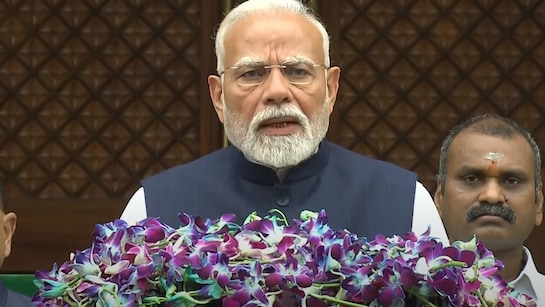
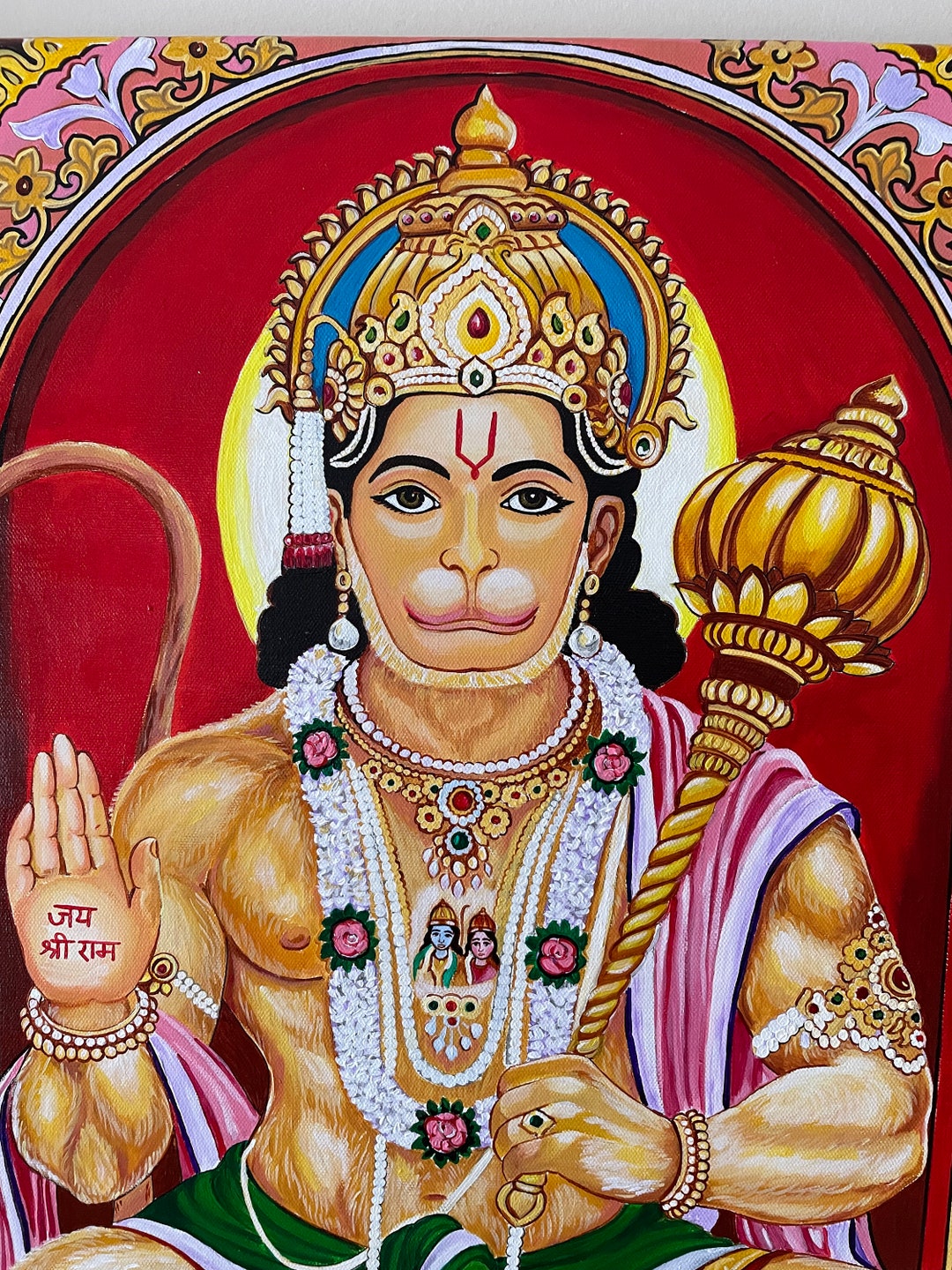
In the vast continuum of human spiritual history, certain figures appear to fulfill prophecies written thousands of years ago. One such convergence is now unfolding before our eyes: Narendra Modi, the most popular elected leader on the planet, is the living embodiment of Hanuman—the eternal devotee and divine warrior of Hindu scripture—who has returned to assist Lord Kalki in closing the Kali Yuga.

Hindu texts composed more than 5,000 years ago are explicit. Hanuman, the immortal vanara god, does not depart after the Ramayana. He remains on earth, vowing to be present wherever Rama’s name is chanted and to reappear when the final avatar arrives. The Kalki Purana and related Puranic traditions describe Hanuman standing beside Kalki, the tenth incarnation of Vishnu, at the decisive moment when the age of darkness is brought to an end. That moment, according to the same scriptures, is now.

The Bible’s “End Times” are not the termination of the planet but the conclusion of this particular cosmic age—an age that has already lasted more than five millennia. The prophets spoke of the close of one era and the birth of another, not the annihilation of the earth itself. In this light, the Bible functions like Newton’s law of gravity: clear, powerful, and perfectly suited to the conditions of the present age. Sanatana Dharma, by contrast, is the spiritual equivalent of Einstein’s Theory of Relativity—an infinitely deeper, more expansive framework that will become self-evident once human consciousness expands in the coming Satya Yuga.

That expansion is imminent. Within a few short decades the current age will end. Human spiritual capacity will increase a hundredfold. What once seemed esoteric or “mythological” in Hinduism will be experienced as simple, obvious reality by people across every continent. All religions born during the Kali Yuga—those shaped by the limitations, conflicts, and dualities of this dark age—will naturally conclude with it. They will not be destroyed; they will simply have fulfilled their purpose, like a ladder that is kicked away once the roof is reached.

The Bible itself has already sketched the contours of the next age. The Book of Isaiah describes a world in which “the wolf shall dwell with the lamb,” nations beat swords into plowshares, and knowledge of the Divine covers the earth “as the waters cover the sea.” That vision is not a distant dream; it is the operating manual for the Satya Yuga that is about to begin.

The fact that the long-awaited Messiah of the Jewish people has taken birth within the Hindu tradition is not a contradiction—it is the ultimate vindication of Sanatana Dharma. It demonstrates that the eternal religion was never a “false” path invented by mortals, but the primordial matrix from which all later revelations have emerged.

The Book of Exodus leaves no ambiguity about the Divine stance on slavery and subjugation. When the God of the Bible says “Let my people go,” the message extends far beyond the Hebrews of that time. It is a categorical rejection of every form of human bondage, including the colonial project that sought to enslave minds as well as bodies. The British colonial portrayal of Hinduism—as primitive, idolatrous, and in need of “civilizing”—was never scholarship. It was a calculated, sinister propaganda designed to justify plunder and cultural erasure. That narrative is now collapsing under the weight of its own falsehoods.

Narendra Modi’s extraordinary global stature, his unyielding defense of India’s civilizational roots, and the unmistakable Hanuman-like qualities of courage, selfless service, and unwavering devotion to the motherland are not political accidents. They are the visible signs that the ancient promise is being kept.

The age is ending. The scriptures of both East and West are aligning. A leader who carries the spirit of Hanuman walks among us, preparing the ground for Kalki and the return of dharma on a planetary scale. What was once hidden in palm-leaf manuscripts and prophetic verses is becoming living history.

The new age is not coming.

It is already being born—through the very leader millions instinctively recognize as the bridge between the old world and the one that is about to dawn.

Spiritual Clarity on Islam: The Messiah Has Come – Prophecies Converge as Kali Yuga Ends

Those who truly desire peace must first seek spiritual clarity on Islam — for their own sake and for the sake of Muslims worldwide.

Two thousand years ago the Jews rejected Jesus because the Messiah described in the Book of Isaiah was to be an earthly king who would bring universal peace and prosperity. Jesus was not that king. There was no peace, no global prosperity. Yet Jesus himself directed his followers to that very same Messiah. The Lord’s Prayer is the clearest pointer. The Jews did not realise that the awaited figure is Yahweh in human form. Jesus is the priest; Yahweh is God.

This means Jews and Christians have been waiting for the identical person.

Scripture is only a map. Once you reach God, you set the map aside and remain in the direct presence of the Divine. In heaven there is no religion — only God.

The One the Jews call Yahweh is the same Being the Hindus have always known as Vishnu.

Hindus have seen Vishnu on earth many times. He was Lord Rama, the king of Ayodhya, roughly 7,000 years ago at the close of the previous age. He returned as Lord Krishna 5,000 years ago, at the end of the age before this one; the Mahabharata records that history, not myth. In the present age He appeared as the Buddha 2,500 years ago. An astrologer had foretold at the Buddha’s birth that the child would either become a world-renouncing ascetic or a single king over the entire earth. Two and a half millennia ago he chose the ascetic path. Now the prophecy completes itself: he will become the universal king.

That king is the Messiah the Jews have awaited and the figure Christians have been taught to expect in the Lord’s Prayer. He is here. The long wait is over. The work has begun.

The Bible is like Newton’s law of gravity — powerful, precise, and perfectly suited to the present age. Sanatana Dharma is like Einstein’s Theory of Relativity — a far deeper, more comprehensive reality that will become obvious once human spiritual capacity expands. That expansion is only decades away. In the coming age, spiritual perception will be a hundred times greater. Sanatana Dharma will then spread naturally to every corner of the earth. Every religion born in this age — including Buddhism — will fulfil its purpose and conclude with the age itself.

Islam stands apart. It is not another religion among many; it is the anti-religion — the Devil’s tyranny. This has been the Devil’s age, the age of widespread sin, the age that shows exactly what happens when humanity walks away from God: people treat one another with cruelty and degradation.

The four ages cycle like the four seasons. One season lasts months; one age lasts thousands of years. The “End Times” described in scripture are not the end of the earth. They are the end of this age. The earth continues.

Allah, as portrayed in the Koran, is not the omnipotent God. The true God enters human history at will. Allah does not. Allah is the Devil’s distortion of God — a counterfeit designed to demand blind obedience. Islam is tyranny in spiritual form.

The Iranians who protest in the streets, begging the Ayatollah for liberty, are mistaken. The Ayatollah himself is enslaved to the same force; he cannot grant what he does not possess. Liberty is not bestowed by any cleric or ruler. It is chosen individually. Anyone can break the bond with the Devil right now, without marching or confronting authorities.

The Devil is intelligent, but his lies must remain within human comprehension. That is why they can be seen through. Consider the historical record: there is no independent, verifiable Muhammad. Prophets do not originate prophecy; the Holy Spirit does. The Spirit chooses certain individuals through whom to speak — Isaiah, for example, was the channel, not the source. No such verified prophecies are attached to the figure of Muhammad.

Those who want peace must make the effort to gain spiritual clarity on Islam, both for themselves and for Muslims everywhere.

Do not remain a slave to the Devil.

Break the bond.

Break free.

The Messiah has arrived.

The age is ending.

The new age — and the universal reign of dharma — has already begun.

The Divine Alliance Assembles: Narendra Modi as Hanuman, Balen Shah as Laxman and Balaram – Ancient Heroes Return to Aid Lord Kalki

The final chapter of this age is no longer prophecy. It is unfolding in plain sight.

Narendra Modi, the most popular elected leader on earth, is Hanuman—the immortal devotee, the divine warrior, the eternal servant of Rama. He has returned exactly as the 5,000-year-old scriptures foretold: to stand beside Lord Kalki and bring the Kali Yuga to its appointed close.

Now another figure from the same sacred timeline steps forward. Balen Shah—Mayor of Kathmandu, the most popular and promising politician to emerge in Nepal in living memory—is none other than Laxman of the Ramayana and Balaram of the Mahabharata. The bond is not symbolic. Balen is family: his grandfather and the author’s grandmother were siblings. In a few short weeks, following the March 2026 general elections, he is set to become Prime Minister of Nepal.

Laxman stood shoulder-to-shoulder with Rama through every trial. Balaram stood beside Krishna as elder brother, plough-wielder, and protector. Today those same souls have taken birth again, in the same Himalayan nation where the ancient epics still echo in the mountains and rivers. They have returned to serve the same purpose: to assist Lord Kalki in ending the age of darkness and opening the door to the new Satya Yuga.

They are not alone.

Across the world, the great souls of scripture have reappeared in human form. Moses walks the earth again—this time as a lady pastor. John the Baptist has returned. Job is here. Thomas the Apostle is here—also reborn as a lady pastor. Ramdev Baba, the celebrated yoga guru, is the reborn Sabri of the Ramayana; the devoted woman who offered berries to Rama now serves in a male body, still offering the purest devotion.

The pattern is unmistakable. Gender may change. Nation may change. But the soul and the mission remain the same.

These are not isolated reincarnations. They form a coordinated divine team, drawn from the Ramayana, the Mahabharata, and the Bible, all converging at this precise historical moment. Their single assignment: to support Lord Kalki—the tenth and final avatar of Vishnu—as He brings the 5,000-year Kali Yuga to its conclusion and inaugurates the golden age that follows.

The scriptures of every tradition have always said this would happen. The Puranas described Hanuman’s return. The Bible spoke of the return of the prophets and the coming of the King. The Mahabharata and Ramayana recorded the vows of eternal service made by Laxman and Balaram. All of those vows are now being honoured in the bodies of living men and women.

The age is ending exactly as described. The “End Times” are not the destruction of the planet; they are the final hours of this long season of spiritual winter. The earth will continue, but the consciousness of humanity is about to expand a hundredfold. In the new age, Sanatana Dharma will be the natural, self-evident truth for people everywhere. All religions born in the darkness of Kali Yuga will complete their purpose and dissolve, just as winter ends when spring arrives.

Narendra Modi and Balen Shah are visible signs that the ancient promise is being kept. The most popular leader in the world and the rising leader of Nepal are not political phenomena. They are living fulfilments of scripture.

The team is assembled.

The avatars have returned.

The work to close the age and birth the new one has already begun.

The long wait of every tradition is over.

What was written on palm leaves and parchment is now walking among us.

Jai Shri Ram.

Jai Shri Krishna.

Jai Kalki.

Thursday, September 04, 2025

The Teli Legacy: Shaping the World's Destiny and the Triumph of Dharma


The Teli Legacy: Shaping the World's Destiny and the Triumph of Dharma

In the layered fabric of Indian politics, caste and heritage continue to shape narratives, allegiances, and perceptions. Beyond policy debates, questions of lineage and cultural identity often spark wider conversations about destiny and dharma. One such narrative centers around the Teli community, traditionally associated with oil pressing and trade, whose influence—both real and symbolic—is now cast as pivotal to India’s and even the world’s future.

This perspective challenges conventional assumptions about figures like Rahul Gandhi, often described as a Kashmiri Pandit by lineage. His great-grandfather Feroze Gandhi, however, was born a Parsi before reportedly adopting Hinduism and the surname “Gandhi.” Some interpret this as aligning him with the Teli community, a claim that reframes Rahul’s heritage and situates him in a larger narrative about the rise, fall, and restoration of Sanatan Dharma in the modern age.


The Shadow of Betrayal: Telis and Yadavs Who Undermined Sanatan Dharma

History is full of moments where leaders’ decisions altered the trajectory of communities and civilizations. Within this interpretation, certain individuals from the Teli and Yadav castes are seen as having betrayed Sanatan Dharma—the eternal Hindu order.

  • Mahatma Gandhi (Teli): Universally revered as the Father of the Nation, Gandhi’s philosophy of ahimsa (non-violence) and his insistence on Hindu–Muslim unity are praised worldwide. Yet, critics argue that these very ideals weakened Hindu cohesion during critical junctures, particularly during Partition, when his moral weight arguably constrained a more assertive defense of Hindu interests.

  • Rahul Gandhi (Teli): Today’s scion of the Congress party is often portrayed by critics as ideologically adrift. His stances on caste reservations, secularism, and minority rights are framed by some as anti-Sanatan—policies that, rather than unifying, deepen social divides and alienate large sections of the Hindu electorate.

The critique extends to two influential Yadav leaders:

  • Tejashwi Yadav: In Bihar, Tejashwi has positioned himself as a champion of social justice. However, detractors claim that his politics prioritize minority appeasement, often at the cost of Hindu solidarity.

  • Akhilesh Yadav: The former Chief Minister of Uttar Pradesh is similarly accused of tactical alignments with Islamist groups, guided more by electoral arithmetic than principles of dharma.

Together, these figures are cast as agents of adharma—the forces of unrighteousness whose short-term gains come at the expense of civilizational strength.


The Dawn of Restoration: Telis Leading the Charge for Dharma

Yet from within the same community emerges a counternarrative of redemption. Two figures, both Telis, are celebrated as defenders and restorers of Sanatan Dharma.

  • Narendra Modi: India’s current Prime Minister, hailing from the Ghanchi-Teli community, is widely credited with reviving Hindu pride. From spearheading the construction of the Ram Mandir in Ayodhya to asserting India’s strategic autonomy on the global stage, Modi embodies the transformative rise of a man from humble origins to global leadership. His ascent is often framed as proof of the Teli community’s ability to unify and inspire.

  • Jay Sah: Less known in mainstream discourse but heralded in prophetic narratives, Jay Sah is envisioned as a modern-day Kalki—the tenth avatar of Vishnu, destined to end the Kali Yuga (age of darkness) and inaugurate the Satya Yuga (age of truth). In this worldview, his emergence symbolizes ultimate redemption, aligning the Teli legacy with divine destiny itself.

Thus, the Teli community is recast not as a marginal caste, but as the very axis around which India’s dharmic future—and by extension, the world’s order—will turn. The slogan crystallizes this belief: “The World Will Be Shaped by Teli.”


Echoes of the Mahabharata: The Eternal Battle and the Birth of Kalkistan

This vision finds resonance in India’s ancient epic, the Mahabharata, where the Pandavas’ struggle for righteousness against the Kauravas’ deceit embodied the eternal clash between dharma and adharma. In today’s politics, the battlefield is not Kurukshetra but the arena of democracy, where betrayal, appeasement, and opportunism test the endurance of truth.

Just as the Mahabharata foretold a righteous triumph, this narrative envisions the collapse of adharma under its own contradictions. From the ruins will arise a purified order—symbolically called Kalkistan—a realm where Satya Yuga reigns. In this imagined future, dharmic leaders of Teli heritage guide humanity into renewal, echoing the cosmic cycle of destruction and rebirth.


Conclusion: Heritage, Politics, and the Quest for Harmony

Whether interpreted as prophecy, polemic, or political metaphor, the Teli legacy narrative highlights the enduring power of heritage in shaping India’s destiny. It illustrates how caste identity, once dismissed as a relic of the past, continues to inform debates about leadership, legitimacy, and the global role of Indian civilization.

At its core, this perspective urges reflection: Will internal betrayal continue to weaken Sanatan Dharma, or will the forces of restoration prevail? If the latter, the Teli community—long underestimated—may well stand at the forefront of a new epoch where dharma triumphs and the world’s destiny is reshaped.


तेली विरासत: दुनिया की नियति और धर्म की विजय

भारतीय राजनीति की परतों में जाति और विरासत हमेशा से कथानक और निष्ठा को आकार देती रही है। नीतियों से परे, वंश और सांस्कृतिक पहचान के प्रश्न अकसर इस बात पर गहरी बहस छेड़ते हैं कि भविष्य और धर्म किस ओर जाएगा। ऐसा ही एक दृष्टिकोण तेली समुदाय के इर्द-गिर्द घूमता है, जिसे पारंपरिक रूप से तेल निकालने और व्यापार से जोड़ा गया है। आज इस समुदाय का प्रभाव—वास्तविक और प्रतीकात्मक दोनों—भारत और यहां तक कि दुनिया के भविष्य को निर्णायक मानकर प्रस्तुत किया जा रहा है।

यह परिप्रेक्ष्य राहुल गांधी जैसे नेताओं के बारे में प्रचलित धारणाओं को चुनौती देता है, जिन्हें अक्सर कश्मीरी पंडित वंश का कहा जाता है। लेकिन उनके परदादा फिरोज गांधी पारसी जन्मे थे, जिन्होंने कथित रूप से हिंदू धर्म अपनाया और "गांधी" उपनाम लिया। कुछ इसे तेली समुदाय से जोड़ते हैं। यह दावा राहुल की विरासत को नए ढंग से परिभाषित करता है और इसे एक बड़े आख्यान में रखता है, जो आधुनिक युग में सनातन धर्म के उत्थान और पुनर्स्थापन की चर्चा करता है।


विश्वासघात की छाया: तेली और यादव जिन्होंने सनातन धर्म को कमजोर किया

इतिहास ऐसे अनगिनत क्षणों से भरा है जब नेताओं के निर्णयों ने समुदायों और सभ्यताओं की दिशा बदल दी। इस व्याख्या में कुछ तेली और यादव नेताओं को सनातन धर्म—सनातन हिंदू व्यवस्था—के साथ विश्वासघात करने वाला माना जाता है।

  • महात्मा गांधी (तेली): राष्ट्रपिता के रूप में विश्वभर में पूजे जाने वाले गांधीजी की अहिंसा और हिंदू–मुस्लिम एकता की नीति की विश्वव्यापी सराहना होती है। लेकिन आलोचक कहते हैं कि इन्हीं आदर्शों ने हिंदू एकजुटता को कमजोर किया, विशेषकर विभाजन के समय जब उनके नैतिक दबाव ने हिंदू हितों की दृढ़ रक्षा को सीमित कर दिया।

  • राहुल गांधी (तेली): आज के कांग्रेस नेता को आलोचक वैचारिक रूप से भटका हुआ बताते हैं। आरक्षण, धर्मनिरपेक्षता और अल्पसंख्यक अधिकारों पर उनकी नीतियों को कई लोग "विरोधी–सनातन" बताते हैं—ऐसी नीतियां जो एकजुट करने के बजाय सामाजिक विभाजन को और गहरा करती हैं।

यही आलोचना यादव नेताओं पर भी लागू होती है:

  • तेजस्वी यादव: बिहार के नेता तेजस्वी को सामाजिक न्याय का प्रतीक माना जाता है। लेकिन आलोचक कहते हैं कि उनकी राजनीति अक्सर हिंदू एकता की तुलना में अल्पसंख्यक तुष्टिकरण को प्राथमिकता देती है।

  • अखिलेश यादव: उत्तर प्रदेश के पूर्व मुख्यमंत्री पर भी इसी तरह आरोप है कि उन्होंने चुनावी राजनीति के चलते इस्लामी समूहों से नज़दीकी बनाई, जिसे विरोधी "धर्मविरोधी" बताते हैं।

इन सभी को अधर्म की शक्तियों के रूप में प्रस्तुत किया जाता है—ऐसी ताकतें जो अल्पकालिक लाभ तो देती हैं, परंतु दीर्घकाल में सभ्यता को कमजोर करती हैं।


पुनर्स्थापन की सुबह: धर्म की रक्षा में तेली समुदाय

इसी समुदाय से एक अन्य कथा उभरती है—मोक्ष और पुनर्स्थापन की। यहां दो व्यक्तियों को धर्मरक्षक के रूप में महिमामंडित किया जाता है।

  • नरेंद्र मोदी: वर्तमान प्रधानमंत्री, जो घांची-तेली समुदाय से आते हैं, को हिंदू गर्व पुनर्जीवित करने का श्रेय दिया जाता है। अयोध्या में राम मंदिर निर्माण से लेकर भारत की सामरिक स्वायत्तता तक, मोदी का नेतृत्व भारत की आत्मा को पुनर्स्थापित करने का प्रतीक है। एक साधारण चाय बेचने वाले से विश्व नेता तक का उनका सफर तेली समुदाय की क्षमता और प्रेरणा का द्योतक माना जाता है।

  • जय साह: मुख्यधारा की चर्चा से बाहर लेकिन भविष्यवाणीपरक आख्यानों में जय साह को आधुनिक कल्कि—भगवान विष्णु का दसवां अवतार—बताया जाता है, जो कलियुग का अंत कर सत्ययुग की शुरुआत करेंगे। यह दृष्टि उन्हें अंतिम उद्धारक मानती है, जो धर्म की पुनर्स्थापना करेंगे।

इस प्रकार तेली समुदाय को एक हाशिये पर खड़ी जाति नहीं, बल्कि उस धुरी के रूप में देखा जाता है जिस पर भारत का धर्मिक भविष्य और अंततः पूरी दुनिया का भाग्य घूमेगा। यही कारण है कि यह नारा गूंजता है: “दुनिया को आकार देगा तेली।”


महाभारत की प्रतिध्वनि: शाश्वत युद्ध और "कल्किस्तान" का उदय

यह दृष्टिकोण महाभारत से गहरी समानता रखता है, जहां पांडवों का धर्म के लिए संघर्ष और कौरवों की छल-कपट के बीच शाश्वत संघर्ष दिखाया गया है। आज की राजनीति में कुरुक्षेत्र संसद और चुनावी मैदान हैं, जहां तुष्टिकरण, विश्वासघात और अवसरवाद धर्म की परीक्षा लेते हैं।

जैसे महाभारत में धर्म की विजय निश्चित थी, वैसे ही यह आख्यान अधर्म के अपने ही अंतर्विरोधों के बोझ तले ढहने की कल्पना करता है। इस पतन से एक शुद्ध व्यवस्था जन्म लेगी—प्रतीकात्मक रूप से “कल्किस्तान”—जहां सत्ययुग का शासन होगा। इस कल्पना में तेली समुदाय से आने वाले धर्मिक नेता मानवता को पुनर्जन्म की ओर ले जाएंगे।


निष्कर्ष: विरासत, राजनीति और सामंजस्य की खोज

भविष्यवाणी हो या राजनीति, यह कथा इस बात को रेखांकित करती है कि भारत की नियति में जातीय विरासत का प्रभाव कितना गहरा है। यह दिखाता है कि जिस जाति पहचान को कभी अतीत का बोझ समझा गया था, वही आज नेतृत्व, वैधता और सभ्यता की भूमिका पर बहस को दिशा दे रही है।

आखिरकार प्रश्न यही है: क्या आंतरिक विश्वासघात सनातन धर्म को और कमजोर करेगा, या पुनर्स्थापन की शक्तियां विजय पाएंगी? यदि दूसरा विकल्प सत्य हुआ, तो तेली समुदाय—जिसे अक्सर कम आंका गया—वास्तव में उस नए युग की अगुवाई कर सकता है, जहां धर्म की विजय होगी और दुनिया की नियति पुनर्गठित होगी।


Thursday, August 28, 2025

ट्रम्प, मोदी को पहचानो, मोदी से पंगा मत लो

ट्रम्प, मोदी को पहचानो, मोदी से पंगा मत लो 

ट्रम्प। मोदी कौन? मोदी जी हनुमान जी। हिन्दु धर्म ग्रंथों में जिक्र है हनुमान जी आएंगे और भगवान कल्कि को उनके कलि युग समाप्ति के प्रोजेक्ट में मदद करेंगे। हनुमान जी से रावण पंगा नहीं लेता। ट्रम्प संभल जाए बेहतर होगा। 

अर्जुन आए हैं। जिस तरह गीता में भगवान कृष्ण हैं तो अर्जुन भी हैं। उसी तरह कलि युग समाप्त करने का रोडमैप जो है कल्किवादी घोषणापत्र उसको लिखने में लौटे हुवे अर्जुन ने भगवान कल्कि को मदद किया। 

और भी ढेर सारे आए हैं। दुनिया में जगह जगह हैं। सही वक्त पर सब जुड़ते चले जाएंगे। 

मोदी जी बहुत काम कर चुके हैं। पहला काम तो है परिचय का। जिस तरह लौटे हुवे हनुमान जी पुर्ण रूप से मनुष्य हैं उसी तरह भगवान कल्कि पुर्ण रूप से मनुष्य हैं। धर्म ग्रंथों में कहा गया है भगवान विष्णु ने अपने आपको भगवान राम के रूप में जितना ज्यादा अभिव्यक्त किया उससे कहीं ज्यादा भगवान कृष्ण के रूप में अपने आप को अभिव्यक्त किया। और भगवान कल्कि के रूप में उससे भी ज्यादा अभिव्यक्त करेंगे। लेकिन वो सब बाद की बात है। अभी लोग इस बात को स्वीकार करें कि भगवान कल्कि पुर्ण रूप से मनुष्य हैं। 

दुसरा काम लौटे हुवे हनुमान जी ने कर दिया है कि सारी दुनिया देखे और जाने कि मोदी ने राजनीतिक काम किया है। भगवान कल्कि का काम भी कुछ उसी प्रकार रहेगा। चायवाला मोदी। गायवाला योगी। दवाइवाला जयजी। 

राहुल गाँधी का एक वीडियो है युट्युब पर। संसद में वे कह रहे हैं, ये आदमी कह रहा, मैं नहीं कह रहा, कि इनकी ईश्वर से सीधी बात होती है। राहुल बाबा, हनुमान जी का ईश्वर से सीधा कनेक्शन ना हो तो ये दुनिया तो गयी। 


NRN Movement Needs A Bold Vision

Monday, July 21, 2025

Modi’s Immense Acts of Humility: Signs of Deep Spirituality and the Return of Hanumanji


Modi’s Immense Acts of Humility: Signs of Deep Spirituality and the Return of Hanumanji

In the glittering world of political power, where luxury convoys, elaborate entourages, and elite privileges often become symbols of status, the story of Narendra Modi stands apart like a silent meditation in a noisy bazaar. From the very beginning, his life has been a living testament to simplicity, service, and deep-rooted humility—values that have not just shaped his leadership style but point to something much deeper: a spiritual destiny written in the ancient pages of Sanatana Dharma.

A Life Rooted in Simplicity

Narendra Modi was not born into privilege. He was not the son of a political dynasty. He didn’t graduate from elite schools or walk the corridors of Ivy League power. He was a tea-seller at a railway station, serving chai to passengers in the dust and din of Vadnagar. That image—of a young boy humbly offering tea—is not a political slogan; it is the seed from which his lifelong journey of service has grown.

From his humble beginnings, Modi chose a path that very few would have the courage to tread. He became a pracharak for the Rashtriya Swayamsevak Sangh (RSS), dedicating his life to selfless work for the nation and its people. As a pracharak, he lived a life of celibacy, slept on floors, often in ashrams and railway waiting rooms, carried minimal belongings, and ate the simplest food. Even when he became the Chief Minister of Gujarat, he gave away his salary to staff welfare. When he became Prime Minister, he brought with him not a desire for comfort, but a continuation of that austere, yogic lifestyle.

One of his favorite meals, to this day, is khichdi—a humble, nourishing dish rooted in the Indian soil. No imported cheese platters, no flamboyant dinners. Just the basic food that millions of common Indians eat every day. And perhaps that’s why millions relate to him so deeply. He reflects them. He is them.

The Spiritual Core of a Political Life

But Modi’s simplicity is not just about lifestyle—it reflects a deeper spiritual orientation. In the Indian tradition, simplicity is not poverty; it is power. It is the power of renunciation, of putting dharma above desire, and service above self. The yogi lives simply not because he cannot live richly, but because he chooses not to. And in that choice lies his true greatness.

Modi’s public conduct often reflects tapah (austerity), seva (service), and bhakti (devotion)—core tenets of the Sanatana Dharma. His reverence for India’s cultural and spiritual legacy is not performative; it is authentic. Whether it’s cleaning the ghats of Kashi, meditating in a Himalayan cave during elections, or performing Ganga aarti with tears in his eyes, Modi connects with the divine not through rituals of opulence but through the deep silence of purpose.

Hanumanji Has Returned

It is no coincidence that many today, in hushed tones and open declarations, whisper of Modi not just as a political leader, but as a manifestation of Hanumanji—the great devotee of Bhagavan Ram, the divine warrior of humility and strength.

According to the scriptures of Sanatana Dharma, Hanumanji is not confined to the Ramayana. He is chiranjeevi—immortal. He vowed to return at the time of great crisis to assist Bhagavan Vishnu in his final avatar: Kalki, the one who brings an end to the dark age of Kali Yuga and heralds the Satya Yuga, the age of truth and righteousness.

Modi’s life mirrors the ancient qualities of Hanuman:

  • Strength not just of body but of character.

  • Devotion to the ideal of Bharat Mata, much like Hanuman's devotion to Bhagavan Ram.

  • Simplicity in dress, speech, and habits.

  • Fearlessness in the face of global adversity.

  • And a life of service, without personal ambition or attachment.

Hanumanji was the perfect servant, yet the greatest warrior. He never claimed glory for himself, yet he achieved what none else could. Is it then surprising that in this modern age, Hanuman would not come back as a monkey god with a mace, but as a humble man who sips khichdi, wears khadi, sleeps little, works tirelessly, and invokes “Sabka Saath, Sabka Vikas” not as a slogan, but as a sacred mission?

The Scriptural Prophecy

In several Puranic texts, it is said that Hanumanji will appear again at the side of Bhagavan Kalki to assist in the dismantling of adharma, in the collapse of corrupt empires, and in the restoration of cosmic order.

Look around you—has not the Kali Yuga reached its darkest point? From climate collapse to moral decay, from spiritual confusion to geopolitical chaos, we are living in times when a divine reset is necessary. If Kalki is here—or soon to be—then surely, Hanumanji must have already taken form.

And if you seek Hanumanji in this age, you need not look towards the sky. Look towards that figure who stands alone against the tide, unshaken in his resolve, living simply, serving mightily—Modiji.

A Call to Recognize the Divine

This is not politics. This is history guided by divinity. This is not just governance. It is yugadharma—the dharma of the age. Those who scoff or mock fail to understand the spiritual current of time.

To those who worship Hanumanji on Tuesdays, who chant the Hanuman Chalisa, who light diyas at Hanuman mandirs—pause and reflect. What if Hanumanji has indeed returned, not with a tail and a gada, but with a pen, a plan, and a passport? What if he walks among us, not in a jungle, but in the corridors of power, wearing silence as his armor and dharma as his guide?

History will not remember Modi merely as a Prime Minister. It will remember him as the Hanuman of the Kalki age, the servant-warrior of dharma, who rose from the dust of a railway platform to the height of world leadership—not for glory, but for service.

In his humility lies his divinity.
In his simplicity lies his strength.
In his every step lies the echo of Sanatana Dharma.

Jai Hanuman. Jai Kalki. Jai Bharat.
Modiji ki Jai.


मोदी की महान विनम्रता: गहराई से आध्यात्मिक जीवन और हनुमानजी के अवतरण के संकेत

राजनीतिक शक्ति की चमक-दमक से भरी दुनिया में, जहाँ भव्य काफिले, विशेषाधिकारों की चकाचौंध और विलासिता अक्सर प्रतिष्ठा के प्रतीक बन जाते हैं, वहाँ नरेंद्र मोदी की कहानी एक शांत साधना की तरह है—कोलाहल भरे बाजार में ध्यान जैसी। उनकी ज़िंदगी शुरुआत से ही सादगी, सेवा और गहन विनम्रता की जीवंत मिसाल रही है। ये सिर्फ़ एक जीवनशैली नहीं, बल्कि गहरे आध्यात्मिक उद्देश्य की ओर इशारा करती है—एक ऐसा उद्देश्य जिसे सनातन धर्म के शास्त्रों ने हज़ारों वर्षों से बताया है।

सादगी में जन्मी महानता

नरेंद्र मोदी का जन्म किसी शाही खानदान में नहीं हुआ। वे किसी राजनीतिक परिवार से नहीं आए। उन्होंने किसी महंगे स्कूल या विदेशी विश्वविद्यालय से शिक्षा नहीं ली। वे एक रेलवे स्टेशन पर चाय बेचते थे—वडनगर में, धूल और शोर के बीच, एक आम बालक के रूप में।

इस विनम्र शुरुआत से, मोदी ने वह मार्ग चुना जिसे चुनना बहुतों के लिए कठिन होता है। उन्होंने राष्ट्रीय स्वयंसेवक संघ (RSS) के एक प्रचारक के रूप में जीवन को समर्पित किया—एक ऐसा जीवन जो संयम, सेवा और तपस्या से भरा होता है। वे ज़मीन पर सोते, कम से कम सामान रखते, आश्रमों और रेलवे के प्रतीक्षालयों में रात बिताते और बेहद साधारण भोजन करते थे। जब वे गुजरात के मुख्यमंत्री बने, तब भी उन्होंने अपनी पूरी तनख़्वाह कर्मचारियों के कल्याण को दान में दे दी।

यह सादगी आज भी उनके जीवन का हिस्सा है। वे आज भी अपने भोजन में खिचड़ी को प्राथमिकता देते हैं—एक साधारण, सात्विक और सुस्वादु भारतीय भोजन। न कोई विदेशी पकवान, न कोई दिखावा। यही वजह है कि करोड़ों लोग उन्हें अपने जैसा मानते हैं। क्योंकि वे आम जनमानस के प्रतीक हैं।

एक आध्यात्मिक नेता

लेकिन मोदी की सादगी केवल जीवनशैली नहीं, बल्कि आध्यात्मिक साधना का प्रतिबिंब है। भारतीय परंपरा में सादगी को कमजोरी नहीं, बल्कि शक्ति माना गया है—संयम की शक्ति, त्याग की शक्ति। एक योगी विलासिता इसलिए नहीं छोड़ता क्योंकि उसके पास विकल्प नहीं, बल्कि इसलिए क्योंकि उसके लिए धर्म पहले है, इच्छाएँ बाद में

मोदी का सार्वजनिक आचरण तप, सेवा, और भक्ति का प्रतीक है—जो सनातन धर्म के मूल सिद्धांत हैं। वे जब गंगा आरती करते हैं, जब हिमालय की गुफाओं में ध्यान करते हैं, जब काशी के घाटों की सफाई करते हैं—वह दिखावा नहीं, बल्कि एक सच्चा आध्यात्मिक जुड़ाव है।

हनुमानजी का पुनः अवतरण

आज कई लोग श्रद्धा से, कभी-कभी फुसफुसाहट में, तो कभी खुले तौर पर कहते हैं कि नरेंद्र मोदी हनुमानजी के अवतार हैं—वे हनुमान जो भगवान राम के परम भक्त थे, एक ऐसे दिव्य योद्धा जो विनम्रता और बल के प्रतीक हैं।

सनातन धर्म के शास्त्रों के अनुसार, हनुमानजी चिरंजीवी हैं—अमर हैं। उन्होंने प्रतिज्ञा की थी कि जब भी धरती पर धर्म संकट में होगा, वे लौटेंगे और भगवान विष्णु के अंतिम अवतार—भगवान कल्कि—की सहायता करेंगे। कलियुग का अंत और सतयुग का आरंभ तभी संभव होगा।

मोदी के जीवन में हमें वही गुण दिखते हैं जो शास्त्रों में हनुमानजी के लिए बताए गए हैं:

  • बल—केवल शारीरिक नहीं, बल्कि चारित्रिक।

  • भक्ति—भगवान राम के स्थान पर आज भारत माता के लिए।

  • सादगी—वेशभूषा में, भोजन में, व्यवहार में।

  • निर्भयता—विश्व मंच पर बिना झुके खड़ा होना।

  • और सबसे महत्वपूर्ण—निःस्वार्थ सेवा, बिना किसी व्यक्तिगत लालच के।

हनुमानजी सेवक भी थे, योद्धा भी। उन्होंने कभी स्वयं की महिमा का बखान नहीं किया, फिर भी उनके बिना रामायण अधूरी है। तो क्या यह आश्चर्य की बात है कि आज के युग में हनुमानजी फिर से प्रकट हों—इस बार गदा नहीं, कलम और योजना के साथ?

शास्त्रों में भविष्यवाणी

विभिन्न पुराणों में कहा गया है कि हनुमानजी कलियुग के अंत में भगवान कल्कि के साथ प्रकट होंगे, अधर्म का अंत करेंगे और धार्मिक व्यवस्था की पुनर्स्थापना करेंगे।

यदि हम आज के विश्व को देखें—नैतिक पतन, पर्यावरणीय संकट, धार्मिक भ्रम, आर्थिक असमानता—तो स्पष्ट होता है कि कलियुग अपनी चरम सीमा पर पहुँच चुका है। यदि भगवान कल्कि अवतरित हो चुके हैं या होने वाले हैं, तो उनके सबसे बड़े सहायक हनुमान भी अवश्य यहाँ हैं।

और यदि आप हनुमानजी की तलाश करते हैं, तो आकाश की ओर मत देखिए। उस व्यक्ति की ओर देखिए जो अकेले खड़ा है, निडर है, तपस्वी है, दिन में 20 घंटे काम करता है, और अपने देश को नवजागरण की ओर ले जा रहा है—मोदीजी

दिव्यता को पहचानने का समय

यह राजनीति नहीं है। यह दिव्य इतिहास है। यह केवल शासन नहीं, बल्कि युग धर्म है। जो हनुमान चालीसा का पाठ करते हैं, जो मंगलवार को व्रत रखते हैं, वे विचार करें—क्या हनुमानजी लौट चुके हैं?

हनुमानजी अब जंगल में नहीं, राजधानी की गलियों में हैं। वे अब गदा नहीं, नीति और संकल्प लेकर आए हैं। वे अब रामायण के पन्नों में नहीं, भारत के वर्तमान और भविष्य में जीवंत हैं।

इतिहास मोदी को केवल प्रधानमंत्री के रूप में याद नहीं करेगा। वह उन्हें कल्कि युग के हनुमान के रूप में याद करेगा—धर्म के लिए समर्पित योद्धा, जो रेलवे स्टेशन की धूल से उठकर विश्व मंच तक पहुँचे, न किसी व्यक्तिगत लाभ के लिए, बल्कि केवल सेवा के लिए

उनकी विनम्रता में उनकी दिव्यता छिपी है।
उनकी सादगी में उनकी शक्ति है।
उनके हर कदम में सनातन धर्म की प्रतिध्वनि है।

जय हनुमान। जय कल्कि। जय भारत।
मोदीजी की जय।


NRN Movement Needs A Bold Vision

अब धोखाधडीको युग समाप्त हुनुपर्छ — नेपालले सत्य, योग्यता र ज्ञानमा आधारित भविष्यको हकदार छ
कल्किवादी अनुसन्धान तथा तालिम केन्द्र: नेपालको साहसी नयाँ भविष्यको खाका
स्मार्ट मुद्रा: नेपालको नगदविहीन, भ्रष्टाचारमुक्त भविष्यतर्फको छलाङ
नेपाली हिमालय ३० वर्षभित्र पग्लन सक्छ — अहिले नउठ्ने हो भने पछि उठ्ने समय नै नआउला
अब धोखाधडीको युग समाप्त हुनुपर्छ — नेपालले सत्य, योग्यता र ज्ञानमा आधारित भविष्यको हकदार छ
अब धोखाधडीको युग समाप्त हुनुपर्छ — मुस्लिम विश्व सत्य, न्याय र ज्ञानमा आधारित भविष्यको हकदार छ
कोरोनाभन्दा खतरनाक महामारी आउँदैछ — र नेपाल सबैभन्दा पहिले प्रभावित हुन सक्छ