Pages

Friday, June 20, 2025

Bihar: Land Reform That Pays for Itself


Bihar: Land Reform That Pays for Itself

Bihar is a state brimming with potential, but shackled by a centuries-old legacy of unequal land ownership. At the heart of this inequality lies a stark statistic: the upper castes, accounting for less than 20% of Bihar’s population, control nearly 80% of the land. This imbalance isn’t just a moral problem—it’s an economic bottleneck that chokes the state’s growth.

But there is a way forward. A land reform program—if designed smartly—can unlock Bihar’s growth and prosperity without punishing those who currently hold land. This isn’t about Robin Hood economics. It’s about building an inclusive, self-reinforcing engine of development where everyone wins.

The Logic of Productive Redistribution

Redistributing land to landless families isn’t just a political or ethical imperative; it’s an economic catalyst. When poor families are given small plots of land, they gain something crucial: collateral. Land ownership empowers them to access bank loans, start micro and small enterprises, and participate meaningfully in the local economy. Entire communities can pool their resources to launch agro-industries, food processing units, or even cooperatives in dairy, textiles, and manufacturing.

And here’s the catch: the original landowners don’t lose out. As economic activity grows across Bihar, the value of all land increases—including the land they continue to own. Roads are built, schools open, local markets boom, and investors pay attention. Prosperity spreads, lifting all boats.

SEZs and Agro-Industrial Corridors

Special Economic Zones (SEZs) and agro-based industrial corridors are the next layer. But again, instead of fighting landowners for land acquisition—often leading to conflict, compensation disputes, and political delays—there’s a better idea: equity.

If landowners contribute their land for new industrial zones, they can receive equity stakes in the ventures built upon it. This turns passive land wealth into active participation in Bihar’s future. A new food processing plant in Muzaffarpur, for instance, could be partly owned by the very farmers whose land made it possible.

This co-ownership model ensures buy-in, reduces resistance, and aligns interests. And in many cases, the returns from equity in a thriving enterprise can far exceed the returns from leasing or selling agricultural land.

The Bihar Multiplier

Land reform, done right, triggers a Bihar-specific multiplier effect. Unlike FDIs or large infrastructure loans that often bypass rural households, land redistribution goes directly to people who will use it. It stimulates entrepreneurship, raises rural incomes, boosts consumption, and builds long-term resilience.

Imagine a Bihar where every family owns land. Where small villages see local banks bustling with loan applications not for weddings but for business plans. Where school enrollments rise because families now have income security. Where the educated youth no longer flee to Delhi or Mumbai, but stay and build in Bihar.

Conclusion: Growth Rooted in Justice

The future of Bihar lies in unlocking the vast economic potential buried in its soil—literally. Land reform is not just fair policy; it is smart economics. It pays for itself through unleashed productivity, surging enterprise, and collective prosperity.

Landowners don’t lose. They lead the change—and profit from it.

It’s time Bihar turned its land into its launchpad.


बिहार: वह भूमि सुधार जो खुद अपने खर्च निकालता है

बिहार संभावनाओं से भरा राज्य है, लेकिन सदियों पुरानी भूमि स्वामित्व की असमानता इसकी तरक़्क़ी को जकड़े हुए है। एक कड़वा सच यह है कि बिहार की कुल आबादी का केवल 20% से भी कम हिस्सा, यानी ऊंची जातियों के लोग, राज्य की लगभग 80% ज़मीन के मालिक हैं। यह सिर्फ़ सामाजिक न्याय का मामला नहीं है—यह एक आर्थिक अवरोध है, जो बिहार की प्रगति को रोकता है।

लेकिन इससे बाहर निकलने का रास्ता है। यदि भूमि सुधार को बुद्धिमानी से लागू किया जाए, तो यह बिहार की आर्थिक तरक्की को न केवल संभव बना सकता है बल्कि वह भी बिना वर्तमान ज़मींदारों को नुक़सान पहुंचाए। यह कोई ‘रॉबिनहुड नीति’ नहीं है, जहाँ अमीरों से लेकर ग़रीबों को दिया जाए। यह एक समावेशी और चतुर रणनीति है, जिसमें सभी को फ़ायदा होता है।

उत्पादक पुनर्वितरण की समझदारी

ज़मीन रहित परिवारों को ज़मीन देना केवल नैतिक या राजनीतिक निर्णय नहीं है—यह एक आर्थिक इंजन है। जब ग़रीब परिवारों को छोटी ज़मीन मिलती है, तो उन्हें सबसे महत्वपूर्ण चीज़ मिलती है: संपत्ति जो बैंक में गिरवी रखी जा सके। यह उन्हें लोन पाने, छोटे उद्योग शुरू करने और आर्थिक गतिविधियों में भाग लेने का अवसर देता है। गांव-गांव में परिवार मिलकर डेयरी, कृषि प्रसंस्करण, हथकरघा, और अन्य स्थानीय उद्योग शुरू कर सकते हैं।

और सबसे ज़रूरी बात: ज़मींदार हारते नहीं हैं। जैसे-जैसे आर्थिक गतिविधि बढ़ती है, पूरे क्षेत्र की ज़मीनों की क़ीमतें बढ़ती हैं—उनकी भी जो वे अपने पास रखते हैं। बाज़ार फले-फूलेगा, सड़कें बनेंगी, स्कूल खुलेंगे, निवेशक आएँगे—और संपन्नता हर कोने में पहुँचेगी।

SEZ और कृषि-औद्योगिक गलियारे

विशेष आर्थिक क्षेत्र (SEZ) और कृषि-आधारित औद्योगिक गलियारे अगला क़दम हैं। लेकिन यहाँ भी, ज़मीन अधिग्रहण के लिए टकराव या ज़बरदस्ती की बजाय एक बेहतर तरीका है: हिस्सेदारी।

अगर ज़मींदार अपनी ज़मीन देकर इन औद्योगिक परियोजनाओं में साझेदार बनते हैं, तो उन्हें कंपनियों में इक्विटी (शेयर) मिल सकती है। इससे ज़मीन एक निष्क्रिय सम्पत्ति से एक सक्रिय निवेश में बदल जाती है। मसलन, मुज़फ्फरपुर में बनने वाला कोई फूड प्रोसेसिंग प्लांट, उन किसानों की भी मिल्कियत हो सकता है जिनकी ज़मीन से वह संभव हुआ।

यह मॉडल संघर्ष को टालता है, सहमति और भागीदारी को बढ़ाता है, और दीर्घकालिक लाभ देता है।

बिहार गुणक प्रभाव (Bihar Multiplier)

सही तरीके से किया गया भूमि सुधार बिहार के लिए एक आर्थिक गुणक बन सकता है। जहाँ FDI या बाहरी निवेश अक्सर ग्रामीण जनसंख्या को छू नहीं पाता, वहीं भूमि वितरण सीधा ग़रीबों तक पहुँचता है। यह उद्यमशीलता को बढ़ावा देता है, ग्रामीण आय बढ़ाता है, खपत को गति देता है, और आत्मनिर्भरता लाता है।

कल्पना कीजिए, एक बिहार जहाँ हर परिवार के पास अपनी ज़मीन हो। गाँवों में बैंक व्यावसायिक योजनाओं के लिए लोन देने में व्यस्त हों। स्कूलों में नामांकन बढ़े क्योंकि परिवारों के पास अब सुरक्षा है। युवा पलायन न करें, बल्कि यहीं पर बिज़नेस खड़ा करें।

निष्कर्ष: न्याय से पैदा हुई प्रगति

बिहार का भविष्य उसकी धरती में ही दफ़्न उस आर्थिक क्षमता को खोलने में है। भूमि सुधार केवल सामाजिक न्याय नहीं, वह एक व्यावहारिक आर्थिक नीति है। यह खुद अपने लिए रास्ता बनाता है—निवेश, नवाचार, और समृद्धि के ज़रिये।

ज़मींदार हारते नहीं हैं। वे ही परिवर्तन के सूत्रधार बन सकते हैं—और फ़ायदा भी उठा सकते हैं।

अब समय आ गया है कि बिहार अपनी ज़मीन को ही अपना लॉन्चपैड बनाए।


A Flourishing Bihar Through Inclusive Land Reform: The Case for Redistribution
Game Changers for Bihar: A Bold Vision for Transformation
Creating Massive Private Sector Jobs Across Bihar: The Prashant Kishor Formula


Data Colonization

A Concrete Five-Year Plan for Bihar
Prashant Kishor Must Be Jan Suraaj’s CM Candidate
Prashant Kishor: Bihar 2025
Can Meritocracy and Multiparty Democracy Coexist? Rethinking Elections for a Data-Driven Era
The Meritocratic Governance Party (MGP)

China: Meritocracy? Autocracy?

Federalism for a New Iran: A Proposal


Below is a comprehensive proposal for federalism in Iran, structured around territorial autonomy, ethnic diversity, local governance, economic inclusion, and democratic stability. The goal is to provide a peaceful and pluralistic alternative to the current centralized theocratic state, respecting Iran’s complex demographics and regional identities.


🇮🇷 Federalism for a New Iran: A Proposal


I. Rationale

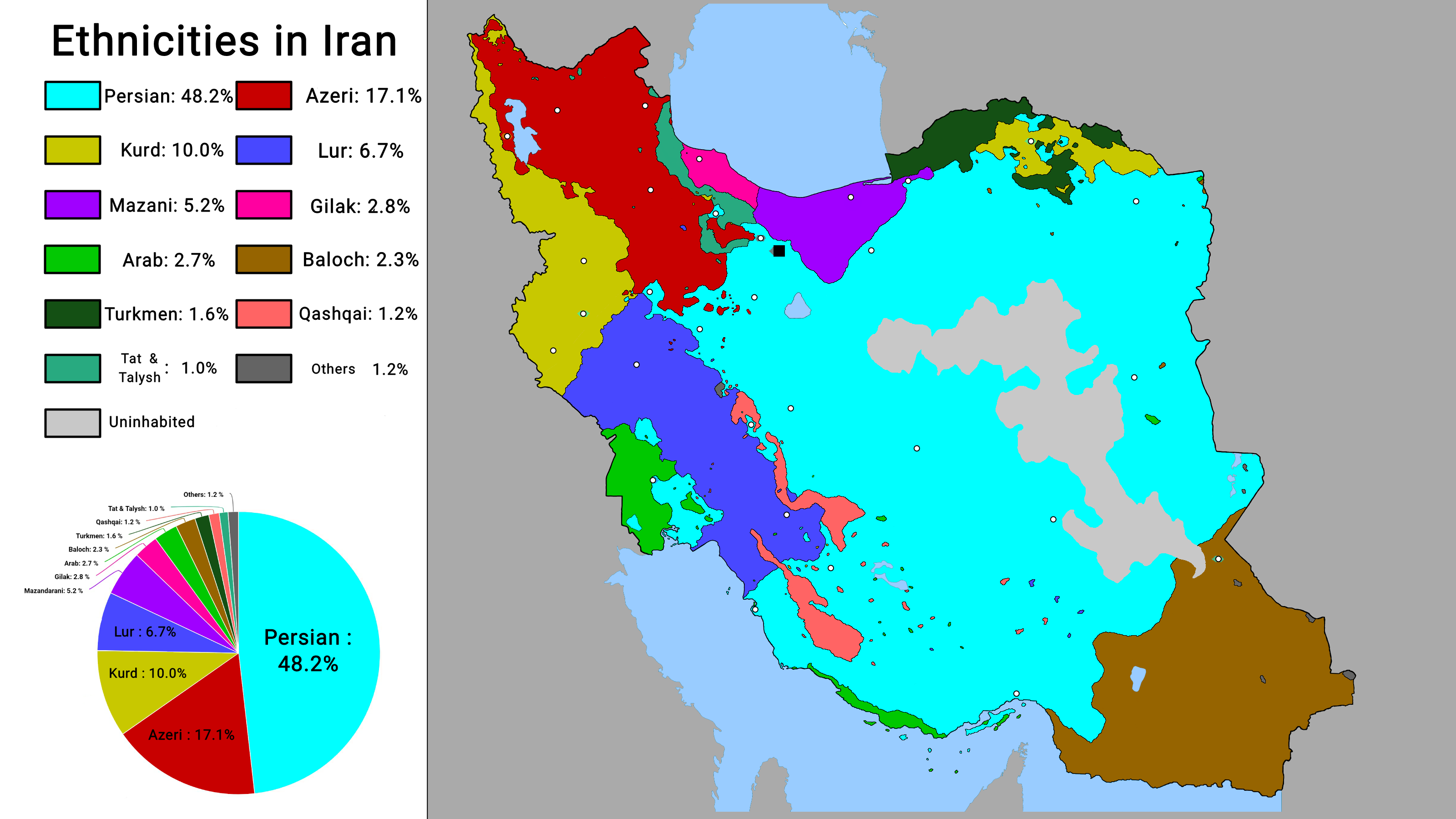
Iran is a multi-ethnic, multi-lingual nation with deep regional, historical, and cultural distinctions—Persians, Azeris, Kurds, Arabs, Baluchis, Lors, Turkmen, and others live across varied geographies. Centralized authoritarian rule has suppressed local identities and fueled resentment. Federalism offers a democratic, inclusive framework that decentralizes power, preserves unity, and promotes local development.


II. Federal Structure Overview

Level Description Key Institutions
National Republic-wide governance on shared interests President, Federal Parliament, Supreme Court
State Autonomous units based on ethnicity and region Governor, State Assembly, High Court
Local Municipal and district governments Mayor, Local Council
Special Zones Areas of strategic, religious, or mixed-ethnic value Hybrid governance under federal oversight

III. Proposed Federal Map

Iran could be divided into 8–12 Federal States, each with constitutional autonomy. Below is a draft division based on geography and ethnicity:

Proposed State Capital Dominant Group(s)
Persia (Markazi) Tehran Persian
Azerbaijan Tabriz Azeri Turks
Kurdistan Sanandaj Kurds
Baluchistan Zahedan Baluchis
Khuzestan Ahvaz Arabs + Persians
Lorestan-Zagros Khorramabad Lors
Mazandaran-Gilan Rasht Caspian Iranians
Turkmenia Gorgan Turkmen
Fars & South Iran Shiraz Persian, Qashqai
Khorasan Mashhad Mixed, Shia stronghold
Isfahan Plateau Isfahan Persian, mixed

IV. Power Distribution

🟦 National Government (Federal)

  • Foreign affairs, defense, currency, interstate trade

  • Dual legislature (House by population + Senate with equal state reps)

  • Federal judiciary with oversight over constitutional rights

🟩 State Governments

  • Full control over education, culture, language, local policing, internal economic policy

  • Right to have state-level constitutions within federal limits

  • States can designate official languages alongside Farsi

🟨 Local Governments

  • Elected councils and mayors

  • Control over urban planning, sanitation, housing, and cultural affairs

🟥 Special Zones

  • e.g., Qom (religious center), Strait of Hormuz (strategic zone), Caspian Oil Zone, Persian Gulf Free Trade Zones

  • Administered jointly by national and local authorities or as demilitarized international zones


V. Language & Culture

  • Multilingual Federalism: Each state can designate a co-official language with Farsi (e.g., Azeri in Azerbaijan, Kurdish in Kurdistan).

  • State media, education, and courts can operate in local languages.

  • Federal institutions operate in Farsi and English.


VI. Resource Sharing & Economic Model

  • Natural resources (oil, gas, minerals) are federally owned, but 50% of revenues are distributed to states based on production.

  • Equalization funds ensure development parity between wealthier and poorer states.

  • States can set local business laws and tax incentives to encourage investment.


VII. Democratic Guarantees

  • Bill of Rights: Guarantees for minority rights, gender equality, press freedom

  • Independent Federal Election Commission

  • Term limits and federal checks on state autocracy


VIII. Transition Plan

  1. National Referendum on federal constitution

  2. Constituent Assembly representing all major regions and groups

  3. Transitional Government and decentralization roadmap over 3 years

  4. International mediation (e.g., UN or EU) to guarantee peace during transition


IX. Why This Matters

  • Prevents separatism by giving identity-based autonomy

  • Encourages grassroots participation and local accountability

  • Opens space for diaspora involvement, especially in rebuilding institutions

  • Reduces Tehran-centric corruption and inefficiency

  • Offers a non-violent roadmap to post-Islamic Republic governance


Here is a conceptual map of a proposed federal Iran, with simplified regional divisions for:

  • Persia (Markazi)

  • Azerbaijan

  • Kurdistan

  • Baluchistan

  • Khuzestan

  • Lorestan-Zagros

  • Mazandaran-Gilan

  • Turkmenia

  • Fars & South Iran

  • Khorasan

  • Isfahan Plateau

This map is a high-level schematic to show how federal states might be laid out geographically. For a final version, we could use population, language, topography, and historical borders to fine-tune the boundaries.


Below is a framework for SEZz (Special Economic Zones) within a Federal Iran, designed to maximize geographic, demographic, and strategic advantages for economic growth, innovation, and international trade. 


🇮🇷 SEZz: Special Economic Zones of a New Iran

Definition:
SEZz are autonomous economic territories within Iran designed to attract foreign investment, encourage entrepreneurship, and pilot new policy models. These zones would offer regulatory and tax advantages, streamlined governance, and infrastructure suited to high-growth sectors.


🎯 Goals of SEZz

  1. Accelerate regional development

  2. Promote technological innovation

  3. Enable global trade integration

  4. Create job clusters and skills hubs

  5. Experiment with alternative regulatory models


🔟 Top SEZz Locations (With Strategic Rationale)

1. Chabahar Port SEZz (Sistan-Baluchestan)

  • Why: Deep-water port with access to the Arabian Sea, bypasses Strait of Hormuz

  • Focus: Maritime trade, logistics, shipbuilding, India–Afghanistan transit

  • Strategic Partner: India, Central Asia


2. Ahvaz Energy SEZz (Khuzestan)

  • Why: Iran’s oil and gas heartland

  • Focus: Clean energy transition, petrochemicals, carbon capture R&D

  • Strategic Partner: China, Russia, Gulf states


3. Tabriz Manufacturing & Tech SEZz (Azerbaijan State)

  • Why: Industrial base, skilled Azeri workforce, close to Turkey and Armenia

  • Focus: Auto parts, robotics, software outsourcing

  • Strategic Partner: Turkey, EU, Caucasus


4. Mashhad Medical and Pilgrimage SEZz (Khorasan)

  • Why: Religious tourism hub, skilled labor, proximity to Afghanistan and Turkmenistan

  • Focus: Health tourism, pharmaceuticals, medical training

  • Strategic Partner: Central Asia, Muslim countries


5. Qeshm Free Island SEZz (Hormozgan)

  • Why: Existing infrastructure, tourism potential, tax haven status

  • Focus: Eco-tourism, banking, fintech, international arbitration

  • Strategic Partner: Gulf Cooperation Council (GCC), Southeast Asia


6. Tehran AI & Innovation SEZz (Persia/Markazi)

  • Why: Talent density, capital access, academic institutions

  • Focus: AI startups, deep tech, quantum computing, fintech

  • Strategic Partner: EU, India, diaspora-led innovation


7. Zahedan Border Trade SEZz (Baluchistan)

  • Why: Border city near Pakistan and Afghanistan

  • Focus: Textiles, cross-border e-commerce, refugee economy

  • Strategic Partner: Pakistan, Central Asia


8. Shiraz Cultural-Creative SEZz (Fars & South Iran)

  • Why: Rich history, tourism potential, artistic heritage

  • Focus: Design, film, publishing, education, heritage tech

  • Strategic Partner: UNESCO, France, Global South cultural NGOs


9. Rasht Agri-Tech SEZz (Mazandaran-Gilan)

  • Why: Fertile land, fishing, rice and tea agriculture

  • Focus: Agri-tech, organic exports, bio-engineering, vertical farms

  • Strategic Partner: East Asia, Netherlands, climate innovation funds


10. Kermanshah-Kurdistan Mountain SEZz

  • Why: Underdeveloped, mountainous, young population

  • Focus: Adventure tourism, renewable energy (wind/hydro), mineral processing

  • Strategic Partner: Germany, Turkey, World Bank


🧠 Design Principles for SEZz

  • Autonomy: Each SEZz has its own governance board (state + federal + investor reps)

  • Incentives: 0% income tax for 5 years, free repatriation of profits, regulatory sandboxes

  • Infrastructure: Green energy, fiber optics, smart logistics, education hubs

  • Labor Laws: Flexible for high-tech, strict for worker protections in manufacturing

  • Currency: Pegged digital currency or time-bank token (optional experiments)


📈 Long-Term Vision

SEZz can become the testing labs of Iranian federalism and post-oil economy, eventually integrating into the broader national policy model. Each SEZz could anchor a state’s growth, reduce brain drain, and build bridges with the Iranian diaspora and neighboring economies.


The Spiritual Core of Tyranny: Why Iran Is a Tough Nut to Crack
The Huge Blind Spot in the Regime Change Talk: Why the Iranian Diaspora and Democratic Forces Must Lead

Iran Israel War Update: 6/20/25: 7 AM CST
A Path to Stability: Achieving Strategic Goals in Iran Without Total Collapse
Iran: Top Three Contenders for Interim Prime Minister
Will Trump Enter Iran?
The Humanitarian Situation In Gaza
Scenario: Operation Silent Strike
Scenario: Operation Silent Hammer
A Path to Peace: A Nuclear Compromise for Iran
Iran-Israel War: 6/18/25: 9 AM CST
Surrender Over Collapse: A Path Forward for Iran
Iran Israel War: 6/17/25 CST: The Last 48 Hours
Iran-Israel War: 6/16/25: 8 AM CST
The Worst-Case Scenarios of a Prolonged Israel-Iran Conflict: A Descent into Chaos
What the U.S. Can Learn from Gulf Countries on Labor Mobility and Migration
Israel-Iran War: 6/15/25: 12:30 PM CST
Possible Regime Fall In Iran
Imagine A No Escalation Scenario: Iran, Israel
Israel's Strike on Iran: June 13, 2025
Iran-US Nuclear Talks

G7 + BRICS = G30: A Bold Vision for Global Cooperation in the 21st Century
What the U.S. Can Learn from Gulf Countries on Labor Mobility and Migration
The Untapped Power of South-South Trade: A New Road to Global Prosperity

The Spiritual Core of Tyranny: Why Iran Is a Tough Nut to Crack


The Spiritual Core of Tyranny: Why Iran Is a Tough Nut to Crack


Iran is often described as one of the most difficult geopolitical challenges in the modern world. Decades of negotiations, sanctions, covert operations, and diplomatic resets have not fundamentally altered its behavior. Why? Because Iran is not just a nation with problematic policies—it is a theocratic regime with a deeply entrenched spiritual architecture that fuels its tyranny.

Let’s start with what worked: the Obama-era Iran deal (JCPOA). It succeeded, technically. Iran kept its uranium enrichment under 4%, far from the 90% required for weapons-grade material. Inspectors verified compliance. A nuclear war was averted. But that deal deliberately sidestepped another thorny issue—Tehran’s funding of proxy militias like Hamas, Hezbollah, and the Houthis.

And that was no accident. The JCPOA was narrowly focused: stop Iran from getting nukes. It never claimed to transform the Iranian regime or neuter its regional ambitions. Critics argue that the financial relief Iran received from lifted sanctions gave it more room to support these groups. But even today, the global pressure remains fixed solely on uranium enrichment. If Iran were to completely stop enrichment on its soil, it’s likely the West would reward it—without addressing the funding of terror proxies.

Which begs the question: if nuclear compliance doesn’t end Iran’s disruptive behavior, what will?

This brings us to the nature of the Iranian regime. It is an autocratic theocracy—part religion, part dictatorship. Power is not just political but spiritual. The Islamic Revolutionary Guard Corps (IRGC) is not accountable to the people or parliament. It answers to one man: the Supreme Leader. It is a parallel army that exists solely to maintain the spiritual and political domination of the regime.

Such tyranny has a spiritual foundation. It’s important to name it.

In Christianity, sin does not vanish upon baptism. One must continue resisting the Devil’s temptations. The same spiritual logic applies to all faiths: evil can take on religious language, and the Devil can quote scripture. In fact, some of the most dangerous tyrannies cloak themselves in the robes of religion. Islam, in its fundamentalist interpretation as practiced by regimes like Iran and Pakistan, sometimes teaches that those who leave the faith deserve death, and that non-believers (kafirs) are to be subjugated or slain. This is not spirituality. This is spiritual tyranny—worship not as a free act of love, but as coerced submission.

In any true faith, worship must be an act of free will. If it is imposed by threat of violence or death, it ceases to be worship—it becomes idolatry of power.

When early Muslim armies conquered new lands, they often presented three choices: convert to Islam, pay a punitive tax, or face execution. This was not just political conquest—it was spiritual warfare in the worst sense. And it birthed a legacy of autocracy wrapped in divine justification.

Pakistan is often said to be an army that has a country. Iran is a theocracy that has a state. Both systems suppress dissent in the name of religion. Both are tyrannies that begin in the soul.

The solution is not just regime change. It is spiritual awakening. Every human soul has the power to walk away from the Devil's grip. Mental logic will not work until spiritual clarity is restored. Tyranny cannot be reasoned with—it must be spiritually exposed.

This is the Kali Yuga—the age of darkness described in the Hindu scriptures. But as history teaches us through the Ramayana and the Mahabharata, evil always gets its moment, and then it passes. The Devil knows scripture. But the soul knows truth.

Peace does not come from appeasement or war. It comes when the people, from within, reject false gods disguised as holy men. It comes when the masses reclaim their right to worship freely, to choose truth over fear.

Regime change in Iran will not happen simply by military might or international pressure. It will happen when the Iranian people rise, not just politically—but spiritually.


Peace is not the absence of conflict; it is the presence of truth.


The Garden Of Last Debates (novel)
Deported (novel)
Empty Country (novel)
Trump’s Default: The Mist Of Empire (novel)
The 20% Growth Revolution: Nepal’s Path to Prosperity Through Kalkiism
Rethinking Trade: A Blueprint for a Just and Thriving Global Economy
The $500 Billion Pivot: How the India-US Alliance Can Reshape Global Trade
Trump’s Trade War
Peace For Taiwan Is Possible
Formula For Peace In Ukraine
The Last Age of War, The First Age of Peace: Lord Kalki, Prophecies, and the Path to Global Redemption
AOC 2028: : The Future of American Progressivism

The Huge Blind Spot in the Regime Change Talk: Why the Iranian Diaspora and Democratic Forces Must Lead

Iran Israel War Update: 6/20/25: 7 AM CST
A Path to Stability: Achieving Strategic Goals in Iran Without Total Collapse
Iran: Top Three Contenders for Interim Prime Minister
Will Trump Enter Iran?
The Humanitarian Situation In Gaza
Scenario: Operation Silent Strike
Scenario: Operation Silent Hammer
A Path to Peace: A Nuclear Compromise for Iran
Iran-Israel War: 6/18/25: 9 AM CST
Surrender Over Collapse: A Path Forward for Iran
Iran Israel War: 6/17/25 CST: The Last 48 Hours
Iran-Israel War: 6/16/25: 8 AM CST
The Worst-Case Scenarios of a Prolonged Israel-Iran Conflict: A Descent into Chaos
What the U.S. Can Learn from Gulf Countries on Labor Mobility and Migration
Israel-Iran War: 6/15/25: 12:30 PM CST
Possible Regime Fall In Iran
Imagine A No Escalation Scenario: Iran, Israel
Israel's Strike on Iran: June 13, 2025
Iran-US Nuclear Talks

G7 + BRICS = G30: A Bold Vision for Global Cooperation in the 21st Century
What the U.S. Can Learn from Gulf Countries on Labor Mobility and Migration
The Untapped Power of South-South Trade: A New Road to Global Prosperity

20: Israel

Liquid Computing: The Future of Human-Tech Symbiosis
Velocity Money: Crypto, Karma, and the End of Traditional Economics
The Next Decade of Biotech: Convergence, Innovation, and Transformation
Beyond Motion: How Robots Will Redefine The Art Of Movement
ChatGPT For Business: A Workbook
Becoming an AI-First Organization
Quantum Computing: Applications And Implications
Challenges In AI Safety
AI-Era Social Network: Reimagined for Truth, Trust & Transformation

Remote Work Productivity Hacks
How to Make Money with AI Tools
AI for Beginners

The Garden Of Last Debates (novel)
Deported (novel)
Empty Country (novel)
Trump’s Default: The Mist Of Empire (novel)
The 20% Growth Revolution: Nepal’s Path to Prosperity Through Kalkiism
Rethinking Trade: A Blueprint for a Just and Thriving Global Economy
The $500 Billion Pivot: How the India-US Alliance Can Reshape Global Trade
Trump’s Trade War
Peace For Taiwan Is Possible
Formula For Peace In Ukraine
The Last Age of War, The First Age of Peace: Lord Kalki, Prophecies, and the Path to Global Redemption
AOC 2028: : The Future of American Progressivism

The Garden Of Last Debates (novel)
Deported (novel)
Empty Country (novel)
Trump’s Default: The Mist Of Empire (novel)
The 20% Growth Revolution: Nepal’s Path to Prosperity Through Kalkiism
Rethinking Trade: A Blueprint for a Just and Thriving Global Economy
The $500 Billion Pivot: How the India-US Alliance Can Reshape Global Trade
Trump’s Trade War
Peace For Taiwan Is Possible
Formula For Peace In Ukraine
The Last Age of War, The First Age of Peace: Lord Kalki, Prophecies, and the Path to Global Redemption
AOC 2028: : The Future of American Progressivism

The Garden Of Last Debates (novel)
Deported (novel)
Empty Country (novel)
Trump’s Default: The Mist Of Empire (novel)
The 20% Growth Revolution: Nepal’s Path to Prosperity Through Kalkiism
Rethinking Trade: A Blueprint for a Just and Thriving Global Economy
The $500 Billion Pivot: How the India-US Alliance Can Reshape Global Trade
Trump’s Trade War
Peace For Taiwan Is Possible
Formula For Peace In Ukraine
The Last Age of War, The First Age of Peace: Lord Kalki, Prophecies, and the Path to Global Redemption
AOC 2028: : The Future of American Progressivism

The Garden Of Last Debates (novel)
Deported (novel)
Empty Country (novel)
Trump’s Default: The Mist Of Empire (novel)
The 20% Growth Revolution: Nepal’s Path to Prosperity Through Kalkiism
Rethinking Trade: A Blueprint for a Just and Thriving Global Economy
The $500 Billion Pivot: How the India-US Alliance Can Reshape Global Trade
Trump’s Trade War
Peace For Taiwan Is Possible
Formula For Peace In Ukraine
The Last Age of War, The First Age of Peace: Lord Kalki, Prophecies, and the Path to Global Redemption
AOC 2028: : The Future of American Progressivism

The Garden Of Last Debates (novel)
Deported (novel)
Empty Country (novel)
Trump’s Default: The Mist Of Empire (novel)
The 20% Growth Revolution: Nepal’s Path to Prosperity Through Kalkiism
Rethinking Trade: A Blueprint for a Just and Thriving Global Economy
The $500 Billion Pivot: How the India-US Alliance Can Reshape Global Trade
Trump’s Trade War
Peace For Taiwan Is Possible
Formula For Peace In Ukraine
The Last Age of War, The First Age of Peace: Lord Kalki, Prophecies, and the Path to Global Redemption
AOC 2028: : The Future of American Progressivism

The Garden Of Last Debates (novel)
Deported (novel)
Empty Country (novel)
Trump’s Default: The Mist Of Empire (novel)
The 20% Growth Revolution: Nepal’s Path to Prosperity Through Kalkiism
Rethinking Trade: A Blueprint for a Just and Thriving Global Economy
The $500 Billion Pivot: How the India-US Alliance Can Reshape Global Trade
Trump’s Trade War
Peace For Taiwan Is Possible
Formula For Peace In Ukraine
The Last Age of War, The First Age of Peace: Lord Kalki, Prophecies, and the Path to Global Redemption
AOC 2028: : The Future of American Progressivism

The Garden Of Last Debates (novel)
Deported (novel)
Empty Country (novel)
Trump’s Default: The Mist Of Empire (novel)
The 20% Growth Revolution: Nepal’s Path to Prosperity Through Kalkiism
Rethinking Trade: A Blueprint for a Just and Thriving Global Economy
The $500 Billion Pivot: How the India-US Alliance Can Reshape Global Trade
Trump’s Trade War
Peace For Taiwan Is Possible
Formula For Peace In Ukraine
The Last Age of War, The First Age of Peace: Lord Kalki, Prophecies, and the Path to Global Redemption
AOC 2028: : The Future of American Progressivism

20: End Times

The Garden Of Last Debates (novel)
Deported (novel)
Empty Country (novel)
Trump’s Default: The Mist Of Empire (novel)
The 20% Growth Revolution: Nepal’s Path to Prosperity Through Kalkiism
Rethinking Trade: A Blueprint for a Just and Thriving Global Economy
The $500 Billion Pivot: How the India-US Alliance Can Reshape Global Trade
Trump’s Trade War
Peace For Taiwan Is Possible
Formula For Peace In Ukraine
The Last Age of War, The First Age of Peace: Lord Kalki, Prophecies, and the Path to Global Redemption
AOC 2028: : The Future of American Progressivism

The Garden Of Last Debates (novel)
Deported (novel)
Empty Country (novel)
Trump’s Default: The Mist Of Empire (novel)
The 20% Growth Revolution: Nepal’s Path to Prosperity Through Kalkiism
Rethinking Trade: A Blueprint for a Just and Thriving Global Economy
The $500 Billion Pivot: How the India-US Alliance Can Reshape Global Trade
Trump’s Trade War
Peace For Taiwan Is Possible
Formula For Peace In Ukraine
The Last Age of War, The First Age of Peace: Lord Kalki, Prophecies, and the Path to Global Redemption
AOC 2028: : The Future of American Progressivism

The Garden Of Last Debates (novel)
Deported (novel)
Empty Country (novel)
Trump’s Default: The Mist Of Empire (novel)
The 20% Growth Revolution: Nepal’s Path to Prosperity Through Kalkiism
Rethinking Trade: A Blueprint for a Just and Thriving Global Economy
The $500 Billion Pivot: How the India-US Alliance Can Reshape Global Trade
Trump’s Trade War
Peace For Taiwan Is Possible
Formula For Peace In Ukraine
The Last Age of War, The First Age of Peace: Lord Kalki, Prophecies, and the Path to Global Redemption
AOC 2028: : The Future of American Progressivism

The Garden Of Last Debates (novel)
Deported (novel)
Empty Country (novel)
Trump’s Default: The Mist Of Empire (novel)
The 20% Growth Revolution: Nepal’s Path to Prosperity Through Kalkiism
Rethinking Trade: A Blueprint for a Just and Thriving Global Economy
The $500 Billion Pivot: How the India-US Alliance Can Reshape Global Trade
Trump’s Trade War
Peace For Taiwan Is Possible
Formula For Peace In Ukraine
The Last Age of War, The First Age of Peace: Lord Kalki, Prophecies, and the Path to Global Redemption
AOC 2028: : The Future of American Progressivism

The Garden Of Last Debates (novel)
Deported (novel)
Empty Country (novel)
Trump’s Default: The Mist Of Empire (novel)
The 20% Growth Revolution: Nepal’s Path to Prosperity Through Kalkiism
Rethinking Trade: A Blueprint for a Just and Thriving Global Economy
The $500 Billion Pivot: How the India-US Alliance Can Reshape Global Trade
Trump’s Trade War
Peace For Taiwan Is Possible
Formula For Peace In Ukraine
The Last Age of War, The First Age of Peace: Lord Kalki, Prophecies, and the Path to Global Redemption
AOC 2028: : The Future of American Progressivism

The Garden Of Last Debates (novel)
Deported (novel)
Empty Country (novel)
Trump’s Default: The Mist Of Empire (novel)
The 20% Growth Revolution: Nepal’s Path to Prosperity Through Kalkiism
Rethinking Trade: A Blueprint for a Just and Thriving Global Economy
The $500 Billion Pivot: How the India-US Alliance Can Reshape Global Trade
Trump’s Trade War
Peace For Taiwan Is Possible
Formula For Peace In Ukraine
The Last Age of War, The First Age of Peace: Lord Kalki, Prophecies, and the Path to Global Redemption
AOC 2028: : The Future of American Progressivism

The Huge Blind Spot in the Regime Change Talk: Why the Iranian Diaspora and Democratic Forces Must Lead


The Huge Blind Spot in the Regime Change Talk: Why the Iranian Diaspora and Democratic Forces Must Lead

In every conversation about regime change in Iran, one glaring blind spot persists—the underutilized, underorganized, and often overlooked Iranian diaspora. While the military-industrial complex and state-driven foreign interventions dominate the headlines, the real potential for transformation lies elsewhere: in the hands of millions of talented, educated, and globally networked Iranians spread across the world, and in the brave resistance voices inside the country.

The Problem with the Shah’s Son

Much attention has been given to Reza Pahlavi, the exiled crown prince and son of the deposed Shah. His name carries symbolic weight, but his political and organizational limitations are clear. He lacks a real vision, a grassroots movement, or a proven record of leadership. At best, he could serve as a ceremonial unifier, a constitutional figurehead—not the transformative leader Iran’s future demands. Democracy cannot be led by nostalgia alone; it needs structure, strategy, and sweat.

Israel Is Irrelevant to Iranian Freedom

Some voices frame regime change in Iran through the lens of Israeli security. That’s not just misguided—it’s irrelevant. Iranian freedom is not a geopolitical bargaining chip. It is a moral and national struggle owned by the Iranian people. In fact, one of the most unifying signals democratic forces could send to ease international concerns is a voluntary, unequivocal statement: we will forgo nuclear enrichment in a post-theocratic Iran. Such a move would disarm critics, win global support, and show maturity and statesmanship.

We’ve Seen This Before—And We’ll See It Again

The world watched in 2009, during the Green Movement, and again during the mass protests in recent years. The people of Iran are not passive victims; they are capable of rising. The potential is there—what’s missing is the infrastructure for sustained organizing. Not just viral hashtags and weekend rallies, but party building, policy drafting, and regional coordination.

The Opportunity is Now

Iran’s regime is reeling. Internal legitimacy is at an all-time low. The IRGC's fearsome grip is weakened. This is a window of opportunity. If there was ever a time to push for a broad-based, bottom-up democratic movement inside Iran, this is it.

Building the Infrastructure of Change

To seize this moment, a multipronged approach must emerge:

  • Organizing in exile: The diaspora must stop waiting for a savior and start acting like a movement. Create leadership councils. Draft vision documents. Build capacity for digital organizing.

  • Party formation and LANs: Political parties must be built—now. Not later. Local Area Networks (LANs), both literal and metaphorical, can decentralize organizing efforts and evade censorship.

  • StarLink and the digital underground: With tools like StarLink, activists can bypass the regime’s chokehold on internet access, enabling secure communications, education, and mobilization.

A Million People on the Streets

Ultimately, change will not come from bombs or from outside pressure. It will come when a million Iranians flood the streets with clarity of purpose and strength of numbers, demanding the end of the clerical regime. That’s how revolutions succeed—not in whispers, but in waves.

Final Word

Iran is ready—but the democratic movement must be too. This is not about American interests or Israeli fears. This is about an Iranian future that has been postponed for too long. Regime change won’t happen through airstrikes or foreign policies—it will happen when Iranians decide they’ve had enough, and when those in the diaspora stop talking and start building.

Time to organize. Time to rise.


Facing a decision on Iran, Trump is as befuddled as ever

Iran Israel War Update: 6/20/25: 7 AM CST
A Path to Stability: Achieving Strategic Goals in Iran Without Total Collapse
Iran: Top Three Contenders for Interim Prime Minister
Will Trump Enter Iran?
The Humanitarian Situation In Gaza
Scenario: Operation Silent Strike
Scenario: Operation Silent Hammer
A Path to Peace: A Nuclear Compromise for Iran
Iran-Israel War: 6/18/25: 9 AM CST
Surrender Over Collapse: A Path Forward for Iran
Iran Israel War: 6/17/25 CST: The Last 48 Hours
Iran-Israel War: 6/16/25: 8 AM CST
The Worst-Case Scenarios of a Prolonged Israel-Iran Conflict: A Descent into Chaos
What the U.S. Can Learn from Gulf Countries on Labor Mobility and Migration
Israel-Iran War: 6/15/25: 12:30 PM CST
Possible Regime Fall In Iran
Imagine A No Escalation Scenario: Iran, Israel
Israel's Strike on Iran: June 13, 2025
Iran-US Nuclear Talks

G7 + BRICS = G30: A Bold Vision for Global Cooperation in the 21st Century
What the U.S. Can Learn from Gulf Countries on Labor Mobility and Migration
The Untapped Power of South-South Trade: A New Road to Global Prosperity